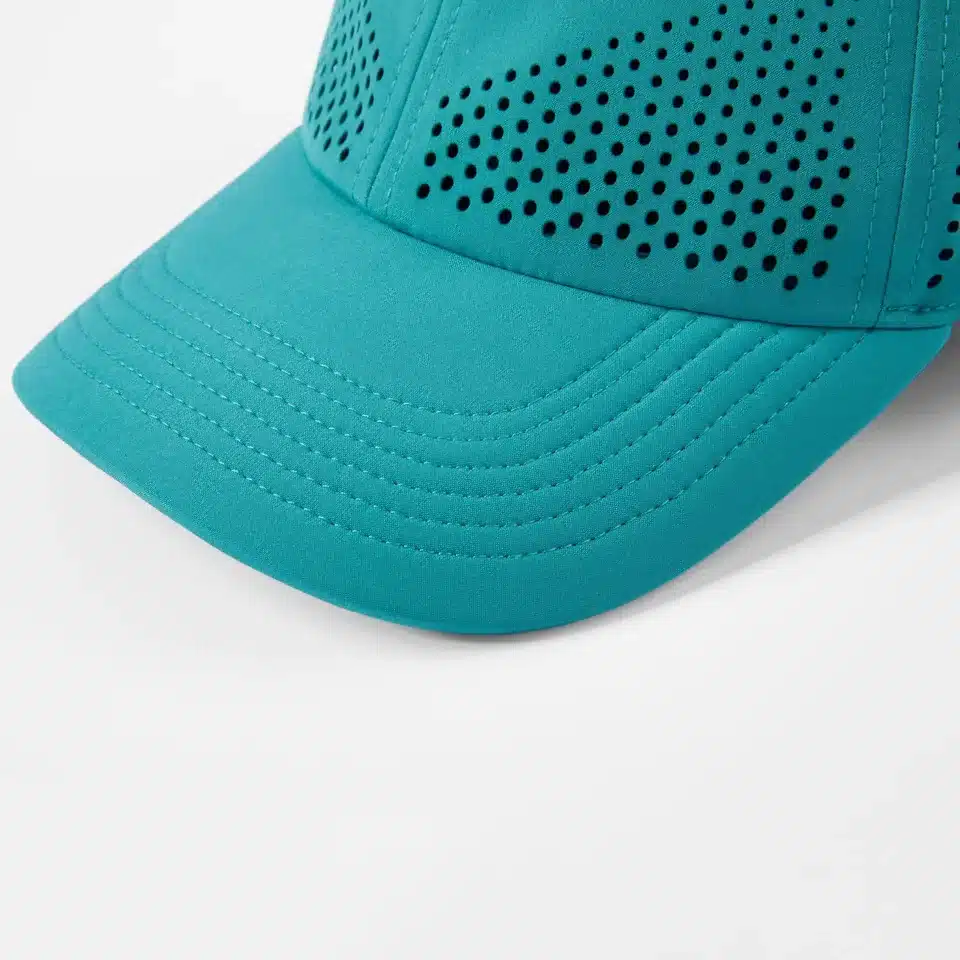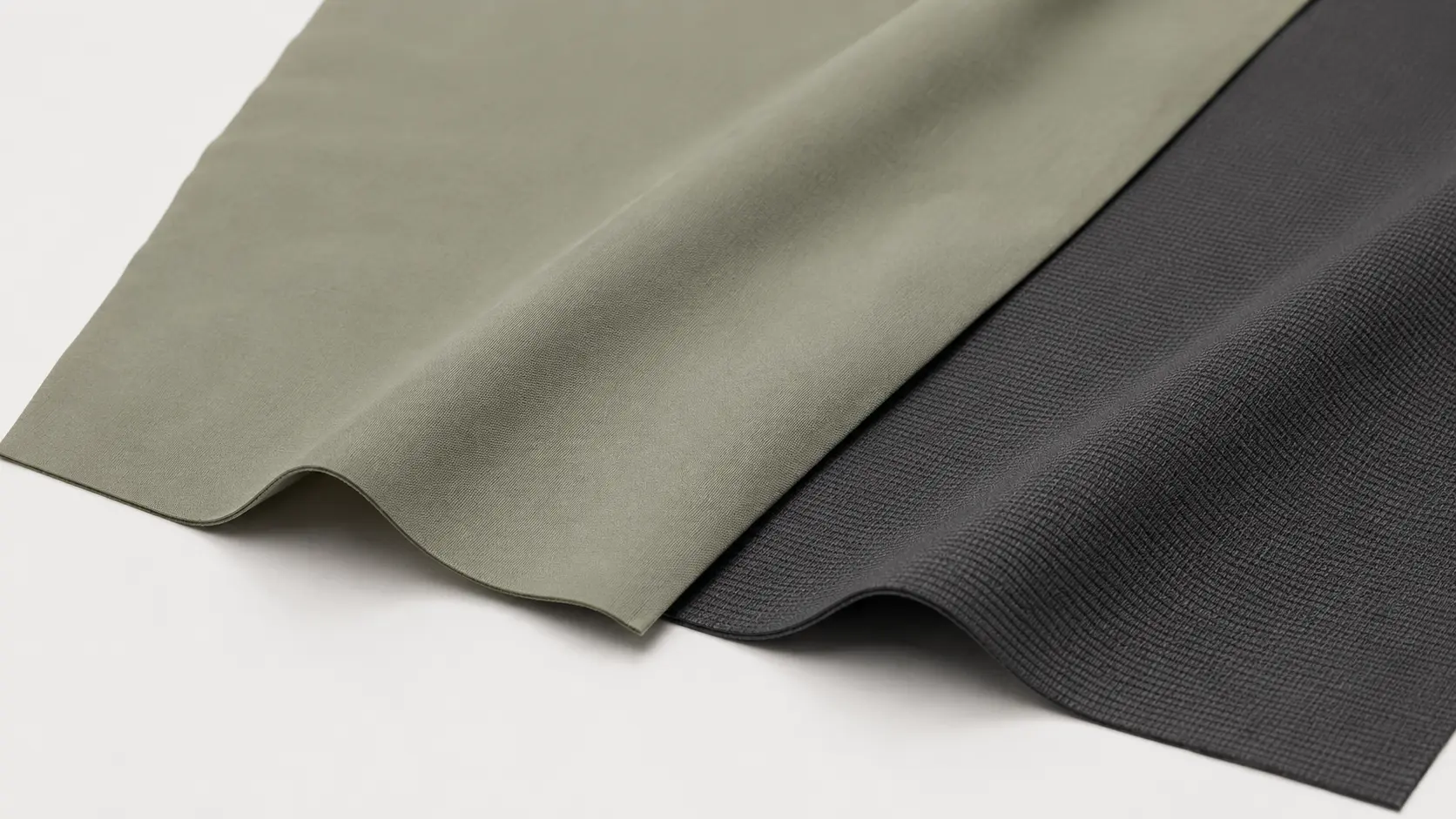
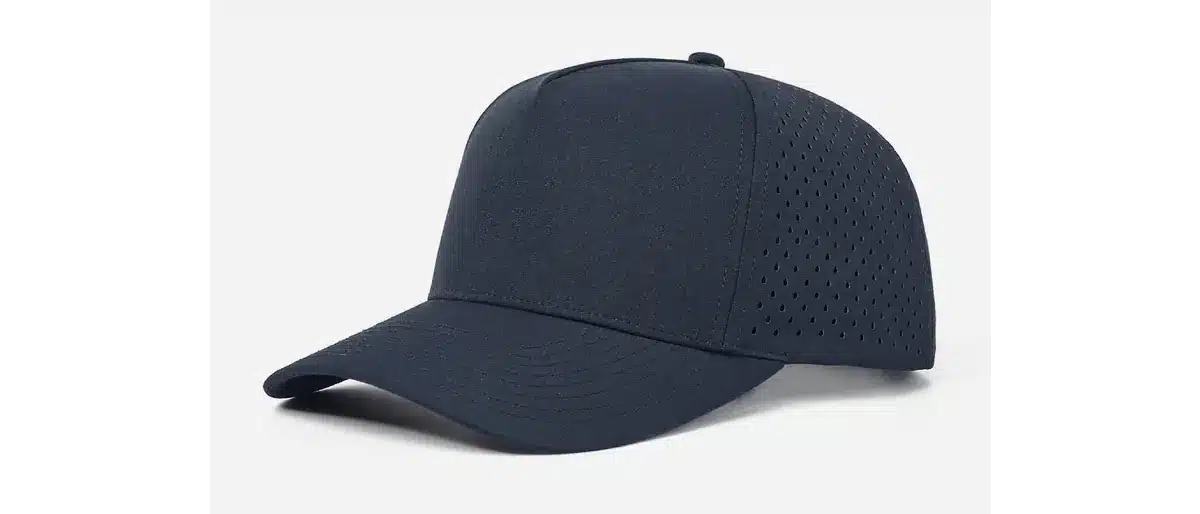
We know that for outdoor and active brands, a hat is more than a simple accessory. It is a tool for exposure. If a customer finds a hat uncomfortable or hot, they will stop wearing it. This means your brand logo stays in the closet instead of out in the world. We focus on breathable hats because they solve the biggest problem in headwear: user retention. When you buy in bulk, you are buying brand impressions. Our 15 years of experience shows that breathability is the main driver for how often a person actually puts your hat on their head.

Key Insights for Procurement Managers:

  • Wearability Equals ROI: Increased breathability leads to higher daily usage rates, which directly lowers your cost-per-impression over the product’s life.
  • Technical Risk Mitigation: Choosing the right mesh density and perforation patterns prevents fabric failure and reduces customer returns due to “heat discomfort.”
  • Market Adaptability: Performance-focused designs allow your brand to stay relevant across all seasons, especially in high-growth outdoor and fitness sectors.

Does Breathable Design Impact Your Total Cost of Ownership?

We often see buyers look only at the cost per unit. But the real cost of a hat includes how it performs after the sale. If a hat traps heat, people will not wear it. This is a waste of your marketing budget. We look at the “Total Cost of Ownership” (TCO) by measuring the value of brand exposure over time. A cheap, non-breathable hat might save you $0.50 today. But if it ends up in a trash can because it makes the wearer’s head itch, your cost per impression becomes infinite.

We believe that breathable hats are a safeguard for your brand reputation. When a customer wears a hat during a hike or a run, the hat must manage sweat and airflow. If the fabric fails, the user blames your brand. This leads to bad reviews and fewer repeat orders. We have seen many B2B clients lose money because they picked a heavy cotton twill for a summer event. The hats looked great in the office, but they were a nightmare in the sun. The “Pain” here is clear: you spend thousands on inventory that no one wants to use.

The “Solution” is to match the design to the activity level of your target user. We use different levels of ventilation to help your budget. For example, a simple mesh back is good for casual wear. But for high-output sports, you need laser-cut holes and lightweight synthetics. These designs keep the head cool and dry. This means the user wears the hat for hours, not minutes. And because the hat is comfortable, they wear it again the next day. This creates a cycle of brand visibility.

We also consider the life of the material. Non-breathable fabrics trap salt from sweat. This salt breaks down the fibers and ruins the shape of the hat. A breathable design lets moisture escape. This keeps the fabric strong for a longer time. So, you are not just buying a hat; you are buying a long-lasting billboard. We help you choose materials that stay fresh even after heavy use. This reduces the risk of your products looking “cheap” or “worn out” after just a few weeks.

MetricNon-Breathable Standard HatHigh-Performance Breathable Hat
Average Daily Wear Time1 – 2 Hours6 – 8 Hours
Customer Return Rate4% – 7%Under 1%
Brand Impressions/YearLow (Seasonal)High (Year-round)
Material DegradationFast (Salt/Heat buildup)Slow (Moisture wicking)
Procurement RiskHigh (Inventory obsolescence)Low (High market demand)

How Do You Accurately Verify Supplier Breathability Claims?

We know that many factories use “breathable” as a buzzword without having the data to back it up. For a B2B buyer, this creates a huge risk. If you promise your customers a high-performance product and it arrives as a heavy, sweat-trapping cap, your credibility is gone. We believe in using hard numbers to verify every claim. You should not trust a supplier just because they show you a soft fabric sample. You need to see how that fabric performs under pressure and after the manufacturing process is done.

The best way to check this is by looking for specific lab results. We suggest you ask for an ASTM D737 test report. This test measures air permeability. It tells you exactly how many cubic feet of air can pass through a square foot of fabric in one minute. But here is an industry trap: most factories only test the raw fabric roll. They do not test the finished hat. A hat has layers. It has buckram, embroidery, and sweatbands. We have found that adding a large logo can block up to 50% of the airflow in that area. We always recommend testing the finished product to see the real-world performance.

Another important metric is the Moisture Vapor Transmission Rate (MVTR). This tells you how well the hat moves sweat away from the skin. If the MVTR is low, the hat will feel heavy and wet during exercise. This is a common problem with cheap polyesters. They look like performance fabrics, but they act like plastic bags. We avoid these materials because they lead to high return rates. We want to help you find fabrics that have an MVTR of at least 15,000g/m²/24h for active brands. This ensures that even during a hard workout, the wearer stays comfortable.

We also tell our clients to watch out for “topical” treatments. Some factories take a basic, non-breathable fabric and spray it with a chemical to make it feel cool. This works for the first two washes, but then the effect disappears. This is a major risk for your brand. We prefer “inherent” wicking fabrics. This means the breathability is built into the shape of the yarn. It never washes out. We help you check this by asking for a “wash test” report. This shows how the fabric performs after 20 or 50 washes. If the breathability drops by more than 10%, it is a sign of a cheap chemical coating.

Test TypeWhat It MeasuresWhy It Matters for B2BOur Recommended Standard
ASTM D737Air PermeabilityEnsures wind can reach the scalp.> 100 cfm/ft² (for active use)
MVTR (JIS L1099)Moisture TransferPrevents sweat from soaking the hat.> 15,000g/m²/24h
RET (ISO 11092)Evaporative ResistanceMeasures comfort in humid conditions.RET < 6 (Highly breathable)
Wash DurabilityPerformance LongevityPrevents “disposable” product feel.80% performance after 25 washes

Which Design Elements Actually Move Air?

We often see brands pick a design because it looks “cool,” but in the B2B world, functionality must come first. If the airflow is blocked by bad construction, the most expensive fabric in the world will not help. We use physics to solve this. Air needs a path to enter and a path to leave. Without this cycle, heat stays trapped against the head. We focus on three main areas to ensure air actually moves: the external vents, the internal structure, and the choice of sweatband.

Laser-cut perforation is a top choice for active brands. It looks modern and keeps the hat lightweight. But we tell our clients to look at the hole pattern. If the holes are too small or only on the side panels, heat will still collect at the very top of the crown. We use a “Chimney Effect” strategy. By placing small, precise holes near the top seams, we allow hot air to rise and exit naturally. This keeps the temperature inside the hat much lower. We also check the edges of these holes. If the laser is not calibrated, the edges can be sharp or brittle, leading to fabric tears after heavy use. We make sure the heat seals the edges perfectly so the hat stays strong.

The internal architecture is just as important as the outside. Many hats use a heavy buckram to keep the front panels standing up. This buckram is often a thick, non-breathable plastic mesh. It acts like a wall against the wind. For active brands, we suggest using a “light-structured” mesh or a foam-based support. These materials hold the shape of the hat but still allow air to pass through. If your brand needs a “dad hat” style, we remove the structure entirely to maximize breathability. We want to help you decide which balance of style and airflow fits your specific customer base.

Finally, we have to talk about the sweatband. This is the only part of the hat that touches the skin constantly. If the sweatband is basic cotton, it will soak up water and become a heavy, wet ring around the user’s head. This blocks air from entering the forehead area. We use multi-layer, 100% polyester “spacer” mesh for our performance sweatbands. This creates a tiny gap between the skin and the hat frame. This gap allows air to flow even when the user is sweating heavily. It also dries much faster than cotton. We believe these small details are what turn a one-time buyer into a loyal fan of your brand.

Design FeatureWhy It Is UsedThe B2B RiskOur Engineering Solution
Laser PerforationClean look, light weight.Holes can fray or be too small.Calibrated heat-sealing & “Chimney” placement.
Mesh PanelsMaximum airflow.Can look “cheap” or snag easily.Use high-density, anti-snag performance mesh.
Internal BuckramHolds the hat’s shape.Blocks 90% of front-panel airflow.Use perforated or flexible “Air-Mesh” support.
Technical SweatbandManages moisture.Cotton bands stay wet and get heavy.3D Spacer mesh with cooling yarn.

Are Your Breathable Treatments Creating Compliance Risks?

We find that many procurement managers overlook the chemical side of performance fabrics. In the US and EU, regulations are getting much tighter. If your supplier uses old-fashioned coatings to help with breathability or water resistance, you might be importing a liability. We focus on risk mitigation by ensuring our materials align with modern safety standards. You do not want a container of hats stuck at the border because of a restricted substance. This is a common trap for brands that do not vet their chemical supply chain.

For example, many “breathable” hats also feature water-repellent coatings. In the past, factories used PFAS (per- and polyfluoroalkyl substances) for this. These are now called “forever chemicals” because they stay in the environment and the human body. Many US states are banning these chemicals in apparel. We help you transition to PFAS-free or “C0” water repellents. These modern coatings protect the hat from rain but do not block the pores of the fabric. This keeps the hat breathable while meeting strict environmental laws. We recommend asking for a specific PFC-free certificate from your supplier before you place a large order.

Anti-odor treatments are another area where risks hide. Active hats get sweaty, so factories often add silver-ion or zinc treatments to kill bacteria. This sounds good, but some of these treatments are not “bound” to the fabric. They can wash off into the water supply. Some countries now restrict these because of their impact on aquatic life. We look for bio-based or inherent anti-odor solutions. These use natural properties or the physical structure of the fiber to stop smells. Because no loose chemicals are used, the risk of a compliance failure is much lower.

We also make sure that every moisture-wicking treatment is REACH and RoHS compliant. These are the main standards for the European and US markets. If a factory cannot give you a Safety Data Sheet (SDS) for their fabric finish, that is a red flag. We believe that transparency is the best tool for a B2B buyer. We help you gather the right paperwork so your legal and compliance teams can rest easy. By choosing safe, compliant chemicals, you protect your brand from lawsuits and ensure your products can be sold globally without issues.

Compliance RiskSubstanceThe B2B DangerOur Risk Mitigation
Water RepellencyPFAS / PFOAUS State-level bans & lawsuits.Use C0 / PFAS-free DWR finishes.
Anti-OdorLoose Silver IonsEnvironmental discharge violations.Shift to bio-based or inherent tech.
Moisture ManagementNon-REACH chemicalsImport seizures & skin irritation.Demand SDS and REACH certification.
DyesFormaldehyde/AzoSafety recalls and brand damage.Use Oeko-Tex Standard 100 dyes.

Why Is Material Science Replacing Traditional Cotton?

We have noticed a major shift in the industry over the last five years. Cotton used to be the default choice for headwear because it is cheap and natural. But for active brands, cotton is a failure point. It is a hydrophilic fiber, meaning it loves water. It absorbs up to 25 times its own weight in moisture. When a runner or hiker wears a cotton hat, the fabric quickly becomes a wet, heavy sponge. This stops all airflow and makes the hat feel hot and sticky. We tell our B2B clients that if they want to build a performance brand, they must move away from 100% cotton.

The solution lies in advanced synthetic blends. We use materials like Nylon 66 and Recycled Polyester (rPET) because they are hydrophobic. They do not soak up sweat; they push it to the surface so it can evaporate. Nylon 66 is especially popular for high-end outdoor brands. It is much stronger than standard polyester and has a natural “cool” hand feel. We also suggest using “Cool-Touch” yarns. These fibers are engineered with a cross-section shape that pulls heat away from the skin faster than round fibers. In our tests, these fabrics can lower the temperature of the forehead by $2-3^{\circ}C$. This is a huge selling point for your customers.

Sustainability is another reason we see a shift in materials. Many US-based procurement managers are now required to meet “Green” goals. We help you use rPET made from ocean plastic or post-consumer bottles. However, we warn our clients that 100% recycled polyester can sometimes be stiff or brittle. To solve this, we blend it with a small amount of Spandex or Elastane (usually 3% to 5%). This gives the hat “stretch-recovery.” It allows the hat to keep its shape even after being crushed in a gym bag or washed multiple times. Because the hat stays looking new for longer, your brand stays looking professional for longer.

We also consider the weight of the weave. For maximum breathability, we look for fabrics with a weight between 120gsm and 180gsm. Anything heavier starts to block air. Anything lighter might not be durable enough for embroidery. We help you find that “sweet spot” where the fabric is light enough to breathe but strong enough to hold your logo. By choosing the right material science, you reduce the risk of product failure and increase the perceived value of your brand. You are not just selling a hat; you are selling high-tech apparel that actually works.

Material TypeMoisture RetentionDurabilityBest Use Case
100% Cotton TwillVery High (Bad)MediumCasual lifestyle, low activity.
Standard PolyesterLow (Good)HighGeneral sports, team wear.
Nylon 66 BlendVery Low (Excellent)Very HighPremium outdoor, mountaineering.
Recycled rPET/SpandexLow (Good)HighEco-conscious active brands.

How Do You Avoid the “Golden Sample” Trap?

We know that in bulk procurement, the sample you approve in the office is not always what arrives in the shipping container. This is the “Golden Sample” trap. A factory might use a high-quality, breathable fabric for the prototype but switch to a cheaper, denser material for the mass production of 10,000 units. We focus on strict Quality Control (QC) to stop this from happening. For a B2B buyer, consistency is just as important as the initial design. If 20% of your order does not breathe properly, you will face customer complaints and inconsistent brand reviews.

We use fabric weight checks as our first line of defense. We measure the grams per square meter (gsm) of the fabric before it is cut. If the approved sample was 140gsm and the production fabric is 160gsm, the hat will be too thick and trap heat. We do not allow any variance greater than 5%. We also check the “Air Permeability” again during the middle of the production run. This ensures the factory has not changed the weave density or added a thick chemical coating that blocks the pores of the fabric.

I also recommend using a “Wet-Weight Test” during your random QC inspections. This is a simple but effective tool we use to verify wicking performance. We take a finished hat from the production line and soak it in water for exactly 30 seconds. We weigh it immediately, and then weigh it again after 10 minutes of air drying. If the production hat retains significantly more water or stays wet longer than the Golden Sample, we know the wicking yarn or treatment is missing. This prevents you from shipping “performance” hats that act like heavy sponges in the rain.

Finally, we inspect the precision of the laser-cut holes and fused seams. In breathable designs, many panels are joined with heat instead of thread to save weight. If the temperature of the factory’s heat press is off by just a few degrees, those seams will peel when the user is out in the sun. We perform “Pull Tests” on these seams to ensure they can handle the stress of daily wear. By managing these technical details, we help you reduce the risk of bulk defects. We want to make sure the last hat in the container is just as breathable and high-quality as the first one we showed you.

QC CheckpointMethodRisk PreventedB2B Benefit
GSM VerificationDigital Scale TestFabric switching/Heavy fabric.Consistent “Lightweight” feel.
Wet-Weight TestSoak & Dry timingPoor wicking performance.Prevents “Soggy Hat” complaints.
Laser Edge Check10x MagnificationFraying or blocked holes.Professional, clean aesthetic.
Seam Pull TestMechanical TensionHeat-seal failure/Peeling.Reduced return rates/Durability.

Is a Custom OEM Partnership Better Than Off-the-Shelf?

We see many procurement managers start their search with “off-the-shelf” or white-label breathable hats. While these are fast to get, they often fail the long-term brand test. When you buy a generic breathable hat, you are buying the same product as your competitors. You have no control over the mesh density or the specific wicking technology used. We believe that for active and outdoor brands, a custom OEM partnership is the only way to build a real “moat” around your business. It moves the conversation from price to performance.

A custom partnership allows us to work with you on proprietary fabric weaves. We do not just pick a fabric from a book. We can develop a blend that is specific to your brand’s needs. For example, if your users are marathon runners in high-humidity areas, we can adjust the ratio of nylon to elastane to maximize evaporation. This level of detail is impossible with ready-made stock. By creating a unique technical spec, you make it very hard for other brands to copy your product. This protects your margins because you are offering a specialized tool, not a commodity.

We also use data-driven design in our OEM process. We look at heat-mapping data to see where the human head releases the most energy during exercise. We then place custom laser-perforation patterns in those exact “hot zones.” This makes your hat objectively better than a standard cap with random holes. When your customers feel the difference, they stay loyal to your brand. We help you turn these technical advantages into marketing copy that justifies a premium price point. You can prove to your buyers that every vent has a purpose.

Finally, a custom partnership helps you manage your supply chain risks. When you rely on off-the-shelf stock, you are at the mercy of the supplier’s inventory. If they run out of the “breathable” blank you like, your sales stop. In an OEM relationship, we help you pre-book raw materials and plan production cycles. You own the “recipe” for your hat. This gives you more power over your lead times and quality standards. We want to help you move away from being a buyer of parts to being a creator of a signature product.

FeatureOff-the-Shelf (White Label)Custom OEM Partnership
Market DifferentiationLow (Generic look).High (Unique textures/patterns).
Performance ControlNone (Take what they have).Total (Custom wicking/venting).
Supply Chain SecurityPoor (Depends on stock).Strong (Dedicated material booking).
Brand ValueLow (Price-sensitive).High (Performance-driven).

Turning Breathability Into a Strategic Asset

We have discussed why breathable design is not just a comfort feature. It is a business decision that affects your return rates, brand exposure, and legal compliance. In the competitive US market, a hat that stays in the closet is a failed investment. By focusing on material science, technical venting, and strict QC protocols, we help you create products that people actually want to wear every day.

FAQ

How can I verify that my custom wicking treatment won’t wash out after a few cycles?

We recommend requesting a “Certified Wash Test” (AATCC 135 or equivalent) from the supplier before mass production. Many factories use a topical spray-on finish that disappears after 3-5 washes, turning your performance hat into a heavy, non-breathable cap. Insider Tip: Always demand that the wicking properties are “inherent” in the yarn structure rather than just a chemical coating. If a supplier cannot provide a lab report showing performance stability after 20 washes, it is a significant risk to your brand’s long-term quality.

How do you manage color consistency across different breathable synthetic fabrics?

Synthetics like Nylon 66 and recycled polyester absorb dyes differently than cotton. We use a standardized “Lab Dip” process with Spectrophotometer readings to ensure the Delta-E (color variance) remains under 1.0. Insider Tip: Breathable mesh panels often look lighter than solid panels because of the hole structure. To ensure a perfect visual match, we suggest ordering a “Color-Match Prototype” where we dye all components—mesh, solid fabric, and thread—in the same lot to avoid a mismatched, “pieced-together” look.

What are the real-world implications of the new PFAS-free regulations on breathable hat performance?

Moving to PFAS-free (C0) water repellents is now a legal requirement in several US states. While older PFAS coatings were slightly more durable, modern C0 finishes provide excellent water bead-off without clogging the fabric pores. Insider Tip: Check your supplier’s “DWR Breathability” rating. Some low-grade C0 treatments can leave a waxy residue that actually blocks airflow. We test for “Air Permeability after DWR Treatment” to ensure the hat remains breathable even when it is water-resistant.

How can I prevent the “Golden Sample” trap during large-scale manufacturing?

The most common risk in B2B procurement is the “Substance Swap,” where the factory uses a cheaper, heavier fabric for the final order. We mitigate this by including the exact fabric weight (GSM) and air permeability (CFM) in the purchase agreement. Insider Tip: Implement a “Random Warehouse Audit” protocol. We recommend having a third-party inspector take a sample from the middle of the production line—not the top of the box—to perform a “Wet-Weight Test.” If the drying time deviates by more than 15% from your approved sample, you have the right to reject the batch.

Does adding 3D embroidery or heavy patches ruin the breathability of the front panels?

Yes, heavy decoration can significantly block airflow. A large 3D embroidery acts like a solid plug on the forehead. Insider Tip: If your brand requires a large logo, we suggest using “Perforated Patches” or “Heat-Transfer Logos” with micro-vents. If you must use embroidery, we recommend a “Light-Fill” stitch pattern or placing the logo on a structured panel that uses a perforated buckram behind it. This maintains the brand’s aesthetic without turning the hat into a heat trap.

Sally - SN International

About the Author

Sally is the Co-founder of SN International, a U.S.–China supply chain company specializing in custom headwear and promotional products. With over 15 years of experience in headwear manufacturing, she has helped promotional product distributors and brands source reliable custom caps from global factories. Her expertise focuses on production quality control, sourcing strategy, and cost optimization for large-scale B2B headwear programs.