Choosing the right outdoor trucker hat colors is a high-stakes procurement decision that directly impacts your bottom line. We have spent over 15 years managing global supply chains, and we know that color is more than a design choice. It is a financial strategy. If you pick the wrong shades, your capital sits in a warehouse. If the color fades under the sun, your brand reputation takes a hit. We wrote this guide to help you move from guessing to data-driven sourcing that ensures your inventory moves off the shelves.
Key Takeaways
- The 70/30 Inventory Split: We suggest keeping 70% of your stock in evergreen natural tones to ensure steady cash flow, while using 30% for bold “seasonal pops” to drive excitement.
- Fabric-Specific Dyeing: Polyester mesh and cotton twill absorb dye differently. We use technical $\Delta E$ (Delta E) standards to ensure your hat colors look uniform across different materials.
- Functional Color Mapping: Choose colors based on the end-use. High-visibility shades sell for safety and events, while “Gorpcore” earth tones dominate the premium retail market.
1. Why Is Color Strategy More Than Just Aesthetics?
Many brands fail because they choose colors based on what looks good on a screen. But retail reality is different. If a color does not sell, it becomes dead stock. Dead stock kills your ROI and takes up space for products that actually move. We help you align your color selection with actual demand cycles so you do not get stuck with thousands of unsold units.
We see a common mistake where procurement managers follow fast-fashion trends. But outdoor gear works on a different clock. We suggest a 70/30 split for your inventory. You should put 70% of your budget into “Evergreen” colors like Navy, Charcoal, and Olive. These colors sell year-round. They do not go out of style. The other 30% can go to “Seasonal Pops” or trendy brights. This mix keeps your brand fresh but protects your bank account. Because if the trend dies, you only have a small amount of risky stock to liquidate.
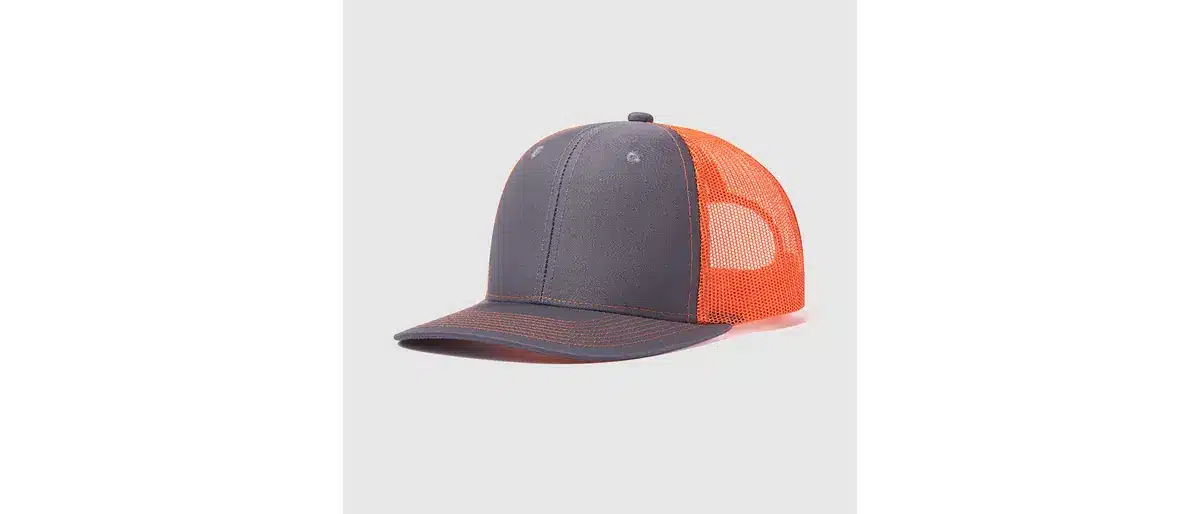
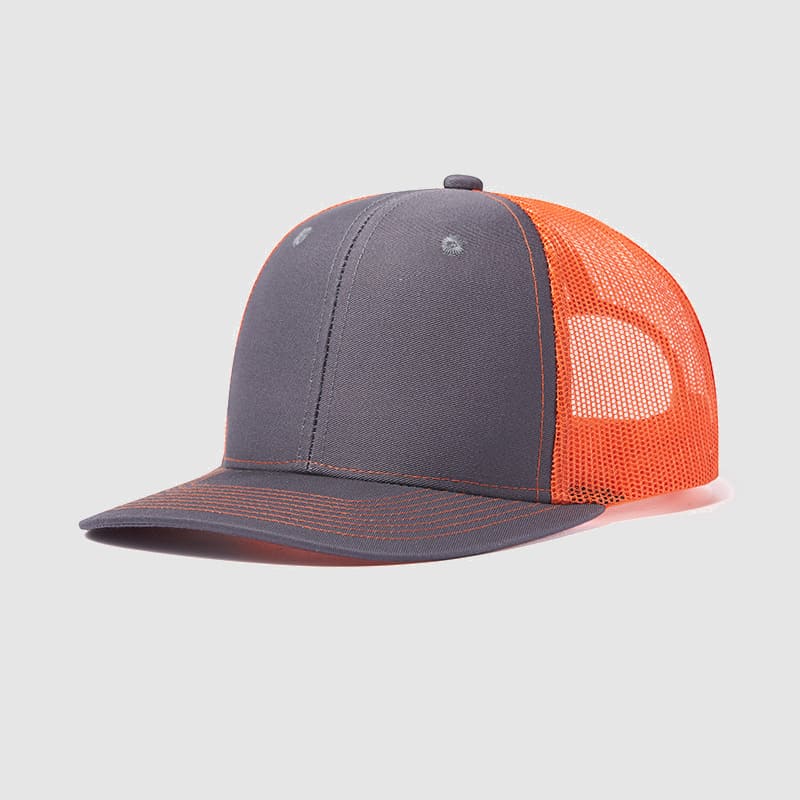
We also look at where you are selling these hats. If you sell at music festivals or outdoor events, high-visibility colors like Neon Orange or Electric Blue move fast. People want to stand out in a crowd. But if you are selling in high-end retail shops, your customers likely want “Earth Tones.” We call this “Psychological Mapping.” We help you match the shade to the buyer’s environment. For example, “Coyote Brown” and “Ranger Green” are currently beating basic Black in the US market. This is because of the “Gorpcore” trend where outdoor gear becomes daily streetwear. We track this data so you can place orders that have a high sell-through rate.
| Color Category | Market Logic | Inventory Weight | Risk Level |
| Natural/Evergreen | Stable demand, low discount risk. | 70% | Low |
| Workwear/Brand | Specific to brand identity and logos. | 20% | Medium |
| High-Visibility | Safety-focused or event-driven. | 10% | High |
2. Can You Solve the Batch Variation Nightmare?
Inconsistent colors make your brand look cheap and unprofessional. If a customer buys two “Navy” hats and they don’t match, they lose trust in your quality. We use technical standards to keep your production uniform so that every batch looks exactly like the first sample. But achieving this is hard because different fabrics react to dyes in different ways.
Cotton twill absorbs dye differently than polyester mesh. This is a common trap in the trucker hat industry. If a factory uses the exact same dye formula for both materials, the mesh will often look lighter or more shiny than the brim. We solve this by using a spectrophotometer to measure the light reflected off each surface. We set a strict limit called $\Delta E$ (Delta E). This number tells us how much two colors differ. For high-end outdoor brands, we aim for a $\Delta E$ of less than 1.5. If the number is higher, the human eye will see the mistake. And we make sure your factory knows these limits before they start the big machines.
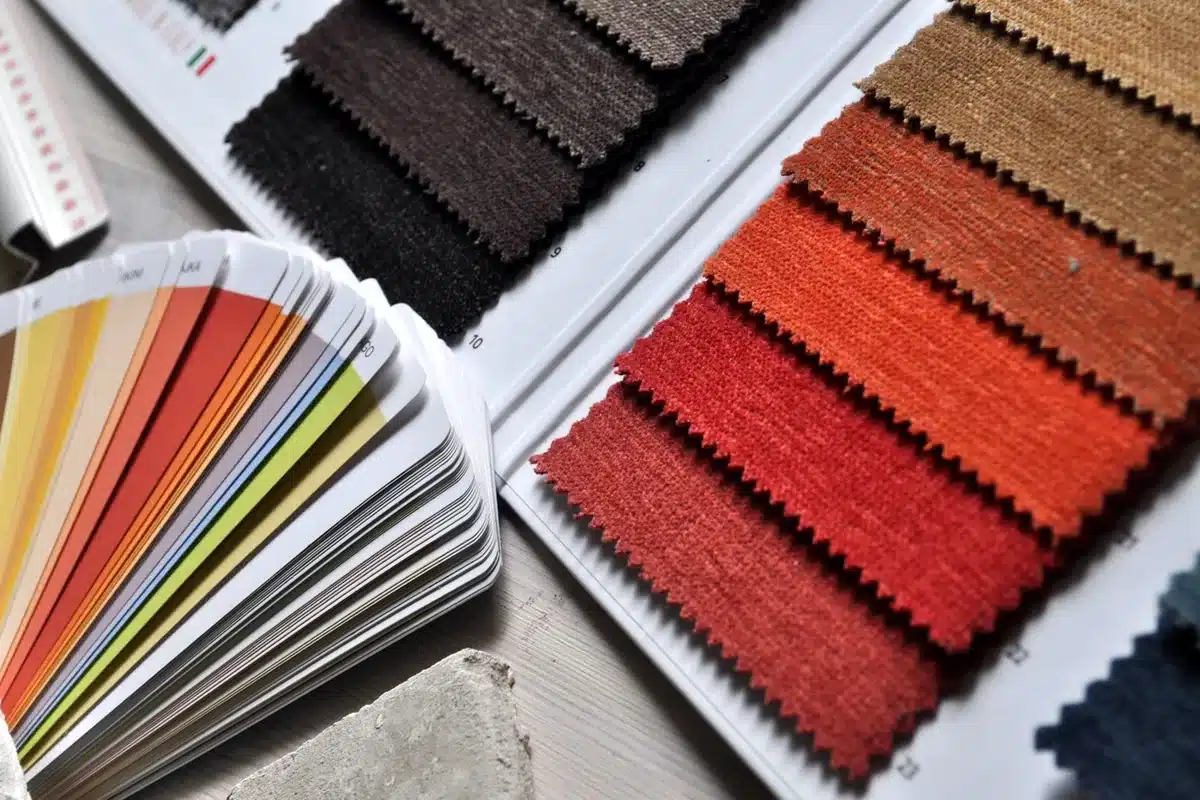
We also insist on physical lab dips. You should never approve a color based on a photo sent via email or chat. Phone cameras and computer screens distort reality. We require the dye house to send us physical fabric swatches. We check these swatches in a light box using three different settings: D65 (daylight), TL84 (store light), and Horizon (sunset). Because a hat might look great in the sun but look terrible inside a retail store. We keep a “Master Sample” in our office and send an identical one to the factory. This creates a clear standard that nobody can argue with. If the final product does not match the master sample, we catch it during our quality control check before it leaves the port.
Technical Specification Chart: Acceptable $\Delta E$ Tolerance
| Material Type | Target ΔE | Tolerance Range | Quality Impact |
| Cotton Twill (Brim) | 1.0 | 0.8 – 1.2 | Critical for brand match. |
| Polyester Mesh (Back) | 1.5 | 1.2 – 1.8 | Harder to match due to texture. |
| Plastic Snapback | 2.0 | 1.5 – 2.5 | Slight variation is acceptable. |
3. How Do You Manage Performance and UV Fading?
Outdoor hats live in the sun. This is a brutal environment for textiles. If you use standard commercial dyes, a vibrant “Red” hat can turn into a dull “Pink” after just two weeks of hiking. This leads to customer complaints and high return rates. We focus on colorfastness to light to ensure your products survive the wild. Because your brand value is tied to how the product looks after six months of use, not just how it looks on the shelf.
We solve this by choosing high-performance pigments and specific dyeing processes. For polyester mesh, we often suggest Cationic dyes. These dyes create a stronger molecular bond with the fiber. We aim for an ISO 105-B02 rating of 4 or higher. This standard measures how well a fabric resists fading when exposed to intense light. If a factory tells you they don’t test for this, they are likely saving money by using cheap pigments. But this saving costs you more in the long run through lost customers. And we make sure to verify these claims with lab reports from independent testers like SGS or ITS.
High-altitude UV exposure is another big risk. The sun is much stronger in places like Colorado or the Swiss Alps. If your target market is mountain climbers or high-altitude hikers, you need “UV-Stabilized” dyes. These dyes include chemical blockers that absorb harmful rays before they break down the color. We also advise on the choice between synthetic and natural dyes. While natural dyes sound good for an “Eco” brand, they usually fade much faster. We help you find a balance. If you want that “faded vintage” look, natural dyes work. But if you want a sharp, professional look that lasts for seasons, high-quality synthetic dyes are the only way to go. We are happy to send you samples of both so you can see the difference for yourself.
4. What Is the Real Cost of Custom Colors?
Custom colors offer a unique brand identity, but they come with hidden financial risks. Many buyers believe that choosing a specific Pantone shade only costs a few cents more per hat. This is not true. We look at the Total Cost of Ownership (TCO) because custom dyeing affects your minimum order quantities (MOQ), your lead times, and your shipping costs. If you do not calculate these factors early, your profit margins will disappear before the goods even arrive.
Standard “stock” colors are usually 15% to 20% cheaper because the fabric is already sitting in the warehouse. We can start production on stock colors immediately. But if you demand a custom “Midnight Teal,” the factory must first order raw yarn, then dye it in a large vat. Most dye houses require a minimum of 500 to 1,000 yards of fabric. If your order is only for 500 hats, you will end up paying for the leftover fabric that the factory cannot use. This is a “surcharge” that many procurement managers forget to include in their budget. We help you compare the cost of custom dyeing versus using stock colors with custom-colored embroidery or patches. Often, you can get the same high-end look without the high-end price tag.
Time is also money in the B2B world. Custom dyeing adds at least 21 to 30 days to your production schedule. If you are chasing a summer sales window and your hats arrive in September, the color no longer matters—you have missed the market. And we also monitor how color choices affect your HS Code for customs. Some specialized coatings or treatments used to achieve specific neon or metallic effects can change your tariff rate. We provide a clear cost-benefit analysis for every project. Because our goal is to make sure your custom color drives sales, not just expenses.
| Sourcing Path | Lead Time Impact | Cost Impact | Ideal For |
| Stock Fabric | 0 Days (Immediate) | Base Price | Rapid restocks, small runs. |
| Custom Dyeing | +21-30 Days | +15-25% Surcharge | Large retail launches. |
| Hybrid (Stock + Custom Patch) | 0-7 Days | +5-10% | Brand-specific accents. |
5. How Do You Mitigate Chemical Compliance Risks?
Safety is a top priority for US-based procurement managers. If your hat colors contain restricted chemicals, you face more than just a bad product. You face legal lawsuits, heavy fines, and a damaged brand. This is a real risk when dealing with bright or neon pigments. These colors often use heavy metals like lead or cadmium to stay vibrant. We help you navigate these risks by following strict global safety standards so you can sell with confidence in any state, including California.
We align our sourcing with REACH and RoHS protocols. But for most US outdoor brands, the biggest hurdle is California Prop 65. Even if your company is not based in California, your products likely end up there. We suggest a proactive approach. We request OEKO-TEX Standard 100 certifications from every dye house we work with. This certificate proves that the fabric has been tested for over 100 harmful substances. But we do not stop there. We also verify the factory’s Restricted Substances List (RSL). Because we want to ensure the chemicals used in the dyeing process stay within safe limits before the fabric is even cut.
How to Ensure Hat Color Compliance?
- Demand Certification: Always ask for a valid OEKO-TEX or bluesign® certificate from the dye house.
- Review RSL Protocols: Ensure the factory follows a list of restricted substances that matches US standards.
- Third-Party Testing: Send random samples from the final bulk production to labs like SGS or ITS to test for lead and phthalates.
Sustainability is also becoming a key selling point. Many outdoor customers now look for “Eco-friendly” products. We can help you explore “Dope Dyeing” or waterless dyeing processes. In traditional dyeing, thousands of gallons of water are contaminated with chemicals. Dope dyeing adds the color pigment directly into the recycled polyester chips before the yarn is spun. This uses almost no water and creates a color that is locked into the fiber. It is safer for the environment and provides better UV resistance. We help you choose the right compliance path based on your brand values and your legal requirements.
| Compliance Type | Focus Area | Recommended Action |
| OEKO-TEX 100 | General fiber safety. | Request certificate annually. |
| California Prop 65 | Carcinogens & lead. | Perform 3rd party batch testing. |
| bluesign® | Environmental impact. | Use for “Premium Eco” lines. |
6. How Can You Identify a Factory’s “Color Competency”?
Not all factories are equal. Some claim to be experts but outsource the dyeing to cheap, uncertified shops to save money. We vet our partners to ensure they have real “Color Competency.” This means they have the equipment and the systems to deliver what they promise. If a factory cannot manage color correctly, your entire shipment is at risk of being rejected. And we know that a late or failed shipment is a disaster for your seasonal sales.
During a factory audit, we look for an internal Quality Control (QC) lab. We check if they have a professional Light Box. We also check if they use a spectrophotometer. If the workers are checking colors with their eyes under a regular desk lamp, you should walk away. Color management requires technology and a controlled environment. We also ask to see their “Lab Dip” history. We want to see how many tries it takes them to hit a specific Pantone shade. A competent factory should get it right within two or three attempts. If they take ten tries, they do not understand the chemistry of their dyes.
We also suggest you ask a potential supplier for their “History of Color Rejections.” This sounds like a negative question, but it is a great test. A factory that claims they have zero rejections is likely lying or has very low standards. We want a partner who can show us a past mistake and explain how they fixed it. For example, we look for stories about how they solved a “Yellowing” issue on white fabric or “Bleeding” in high-contrast hats. Because we prefer a partner who stops the machines to fix a problem rather than a partner who ships bad goods and hopes you won’t notice. We use a clear vetting process to ensure your factory is a partner, not just a vendor.
- Step 1: Request the “Color Management SOP” (Standard Operating Procedure).
- Step 2: Review past “Lab Dip” approval records for other US brands.
- Step 3: Inspect the on-site testing equipment (Light box, Spectrophotometer).
- Step 4: Verify the subcontractor list for specialized dyeing or washing services.
7. Which Colors Are Actually Selling in the US Market?
Data beats intuition every time. We track search trends and retail sell-through rates to see what outdoor consumers actually want to buy. Currently, the US market is moving away from high-gloss fashion colors and moving toward “Nature-Inspired” tones. We help you choose a palette that reflects these shifts so your inventory does not sit gathering dust. If you understand the psychology of your buyer, you can predict which shades will move before you even place the Purchase Order (PO).
In the Pacific Northwest and mountain regions, muted “Earth Tones” like Sage Green, Rust, and Sand are dominant. These colors sell because they hide dirt and look better as they age. But the biggest driver right now is the “Gorpcore” trend. This is where technical outdoor gear is used as daily streetwear in cities like New York or Seattle. Because of this, “Coyote Brown,” “Ranger Green,” and “Wolf Grey” are currently outperforming basic Black. These colors give the wearer a “tactical” or “expert” look that is very popular. We monitor Google Search Trends for these specific terms. If we see a 20% rise in searches for “Tan Trucker Hat,” we suggest you adjust your color mix immediately to catch the wave.
We also advocate for gender-neutral palettes. Colors like Mustard, Slate, or Deep Teal appeal to both men and women. This makes your inventory much more efficient. You do not have to worry about having too many “female-specific” colors that might not sell. You just have “Outdoor” colors that anyone can wear. Before we finalize your color list, we look at the competition. If every brand in your niche is selling Navy, we might suggest a “Dusty Blue” to help you stand out while still staying safe. Our goal is to give you a competitive edge based on real-world buying behavior.
| Trend Name | Key Colors | Target Audience | Sales Velocity |
| Gorpcore | Coyote, Ranger Green, Clay | Urban hikers, Gen Z. | High |
| Classic Heritage | Navy, Forest Green, Burgundy | Traditional campers, hunters. | Stable |
| Coastal/Surf | Coral, Aqua, Pale Yellow | Beach brands, summer events. | Seasonal |
FAQ
1. How do we ensure color consistency between a polyester mesh back and a cotton twill front?
We address this by managing two different dye recipes for the same Pantone color. Because synthetic and natural fibers absorb pigments differently, using a single formula results in a mismatched “two-tone” look. We require our dye house to perform separate lab dips for each substrate and verify them under a spectrophotometer. Our standard is to keep the $\Delta E$ variance between the two materials under 1.5.
Insider Tip: Always request a “Component Match” sample. This is a physical swatch where the mesh and twill are placed side-by-side under a D65 light source before the factory cuts any fabric.
2. What should we do if a custom color sample is rejected twice by our design team?
If a factory fails to hit the mark twice, it usually indicates a calibration issue with their equipment or a misunderstanding of the lighting environment. At this stage, we stop the sampling process and request a “Light Box Calibration Report” from the supplier. We also verify that both parties are using the same Pantone book edition, as colors can shift slightly between older and newer printed versions.
Insider Tip: If the match is difficult, we often suggest adjusting the fabric texture. A heavier twill or a different mesh weave can sometimes trick the eye into seeing a more accurate color match than a flat surface.
3. How do we mitigate the risk of a “Prop 65” violation for bright neon or fluorescent hat colors?
Compliance is managed at the pigment source, not the finished product. To lower your risk, we only source neon dyes from suppliers that provide a clear Restricted Substances List (RSL) and OEKO-TEX certification. For every bulk order of high-visibility colors, we recommend performing a random spot-test for heavy metals (Lead and Cadmium) through a third-party lab like SGS.
Insider Tip: Avoid “Pigment Dyeing” for neon colors if you need high compliance safety. Reactive dyes or Dope Dyeing are more stable and less likely to leach restricted chemicals during use.
4. Can we reduce the high Minimum Order Quantities (MOQ) usually required for custom-dyed colors?
Yes, but it requires a strategic approach to fabric sharing. We often suggest that brands use the same custom color across multiple silhouettes (e.g., a Trucker, a Dad Hat, and a 5-Panel). This allows us to hit the dye house’s fabric minimum in one go. Alternatively, we can use “Stock Base” colors and apply custom “Sublimation” to the front panels, which gives you a custom color look with much lower minimums.
Insider Tip: Ask your supplier about “Greige Fabric” availability. If they have undyed fabric in stock, they can often run smaller dye lots (300-500 units) compared to ordering custom-woven yarn.