
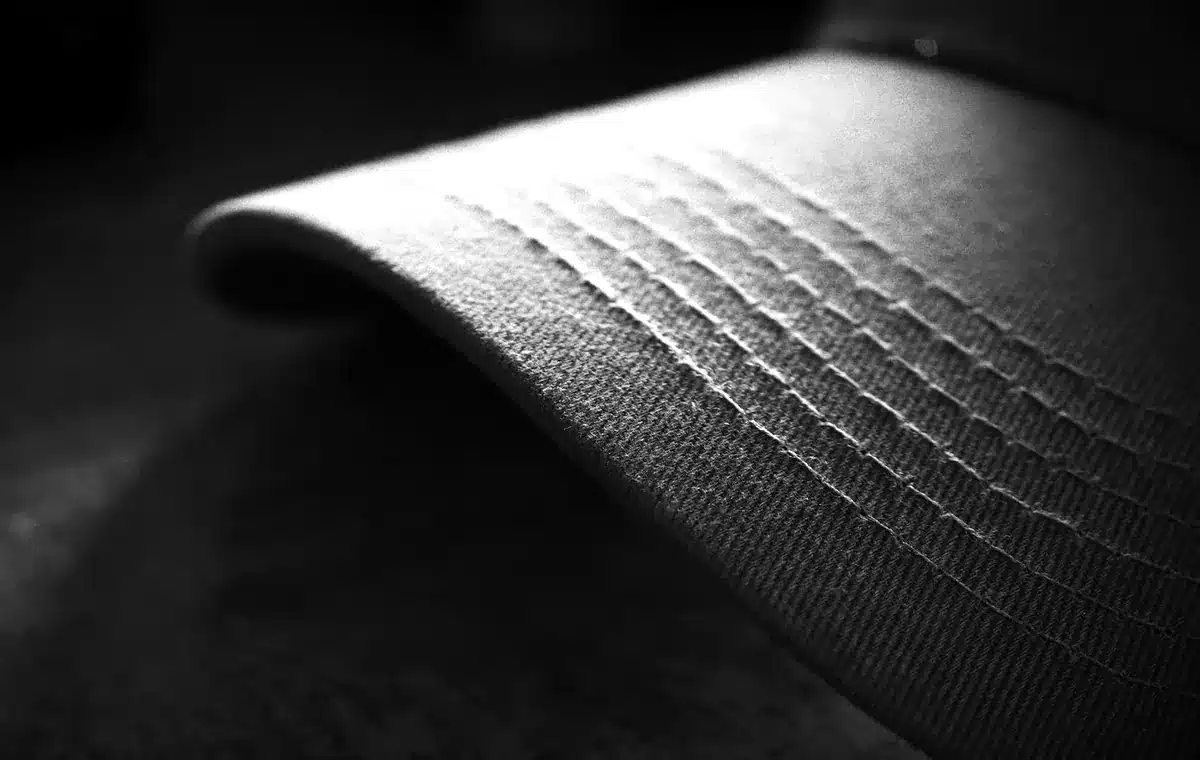
A cotton cap can feel right in the first sample and still change after the fabric is washed, dyed, or handled differently in a later production lot. For a brand developing a full-custom cap, the useful question is not whether cotton has one universal shrinkage percentage. It is whether the fabric, finished cap, and care instructions have been checked against the same intended use.
This guide covers the decisions a buyer can make before bulk production. It does not prescribe a wash test or a tolerance for every hat: crown construction, lining, visor materials, decoration, and fabric finishing all affect what should be tested.
Start with the fabric you will actually use
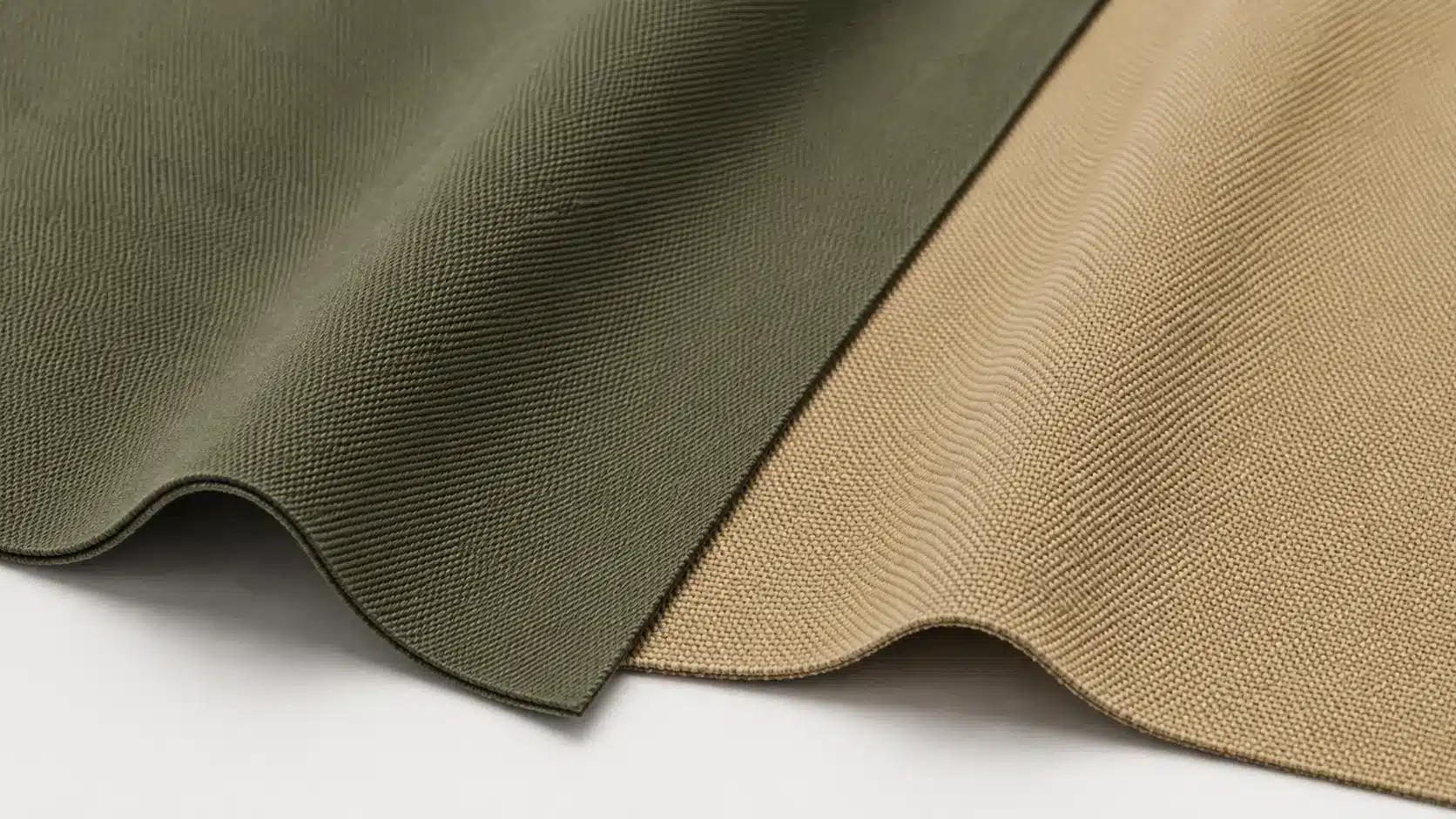
“100% cotton twill” describes the fiber content and weave, not a single predictable result. Weight, yarn, weave, finishing, and the way a roll is handled can differ. Ask whether the development sample and bulk order will use the same fabric specification and finish. If an alternative is proposed after sampling, treat it as a material change and review it before cutting.
Pre-shrunk fabric may reduce later dimensional change, but the name of a finish is not proof that a completed cap will keep the same fit. Request the fabric’s available dimensional-change information and agree how a finished sample will be evaluated. If your project also needs a material choice between cotton and synthetics, see our cotton twill vs polyester comparison.
Check fabric movement and finished-cap fit separately
A swatch test can show how the fabric responds to an agreed treatment. It cannot by itself tell you how an assembled cap will fit. The completed hat brings together crown panels, seam allowances, sweatband, closure, visor, and any backing behind the decoration. Measure and review the finished sample as well as the material.
| Check | What to record | Why the buyer needs it |
|---|---|---|
| Fabric swatch | Fabric identity, finishing, test conditions, and dimensions before and after the agreed treatment | Separates material behavior from changes introduced during cap assembly |
| Finished sample | Fit, crown height, opening, visor shape, and visible seam or logo changes before and after the relevant care test | Shows whether the product still looks and wears as approved |
| Bulk reference | Approved sample, material record, and agreed measurement points | Gives production and buyer the same reference when reviewing later lots |
If a finished cap is not intended to be machine-washed, do not use an arbitrary machine-wash result as a consumer-care promise. Agree on a realistic care scenario for the product and make the care instructions match what was evaluated.
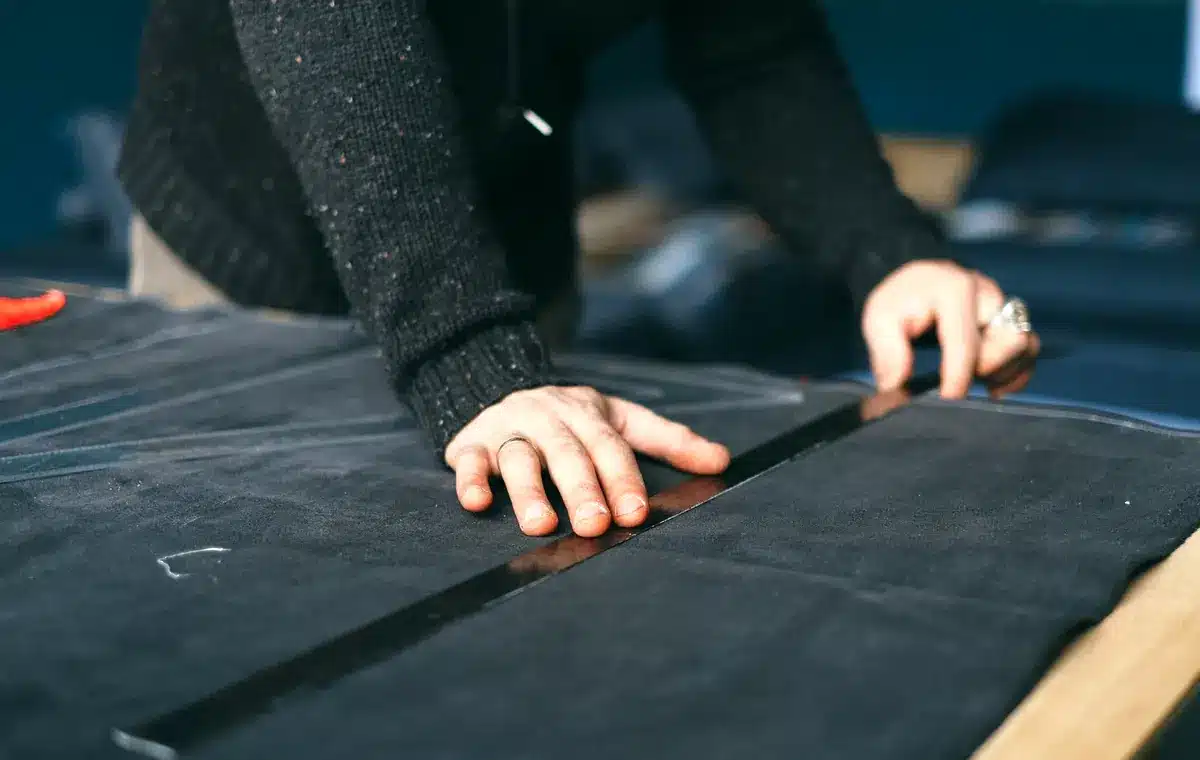
Decide what should be approved before cutting
For a new cotton cap, a useful approval sequence is straightforward:
- Confirm the actual fabric, color, finish, crown construction, and decoration planned for bulk.
- Ask what dimensional-change information is available for that material, and agree on test and care conditions if testing is needed.
- Review a physical cap for fit, seam appearance, visor shape, and logo placement. Record the specific measurement points that matter to the program.
- Approve the sample and the material reference together. If either changes, decide whether another sample or test is needed.
The acceptable amount of change is a project decision, not an industry-wide number. A fitted cap with a narrow size range may require a different review from an adjustable, unstructured cap. A printed panel can also raise different questions from a densely embroidered front. The goal is to document what is acceptable for your design before bulk units are produced.
What if the next fabric lot behaves differently?
Compare it with the approved material first: is the fiber content, weave, weight, and finish still the same? Then check whether the measurement method and care conditions match the earlier test. Changing several of these at once makes the result hard to interpret.
If the difference is material, pause approval and review the available options with the production team. Depending on the stage and construction, the answer might be a different fabric lot, an adjusted pattern, or a new sample. None of those is an automatic fix for a cap that has already been cut and sewn. For the larger approval sequence, read how our custom hat process works and the sample-to-production guide.
Questions to send with a full-custom cotton cap brief
- Which exact cotton fabric and finish will be used for the sample and bulk order?
- Is material dimensional-change information available, and under what conditions was it obtained?
- Which measurements on the assembled cap should be held against the approved sample?
- How will the intended care instructions be checked against the sample?
- What happens if a fabric or finish changes after approval?
Send the physical reference or design brief along with those questions. For a project that also needs crown, visor, closure, decoration, inside label, and packaging decisions, explore our full-custom OEM hat development and share your cap requirements for a sample discussion.
Frequently Asked Questions
Does every cotton cap shrink by the same amount?
No. Fiber blend, weave, finishing, moisture, heat and construction all affect the result. Evaluate the actual proposed material and finished sample.
Can a buyer approve shrinkage from a fabric swatch alone?
A swatch is useful for material screening, but the finished cap also contains seams, reinforcement, a sweatband and a visor. Check the completed sample under the intended care conditions.
What should be recorded before bulk production?
Record the approved material, construction, measurement points, sample dimensions and agreed evaluation method. Use the same points when checking production and later reorders.