
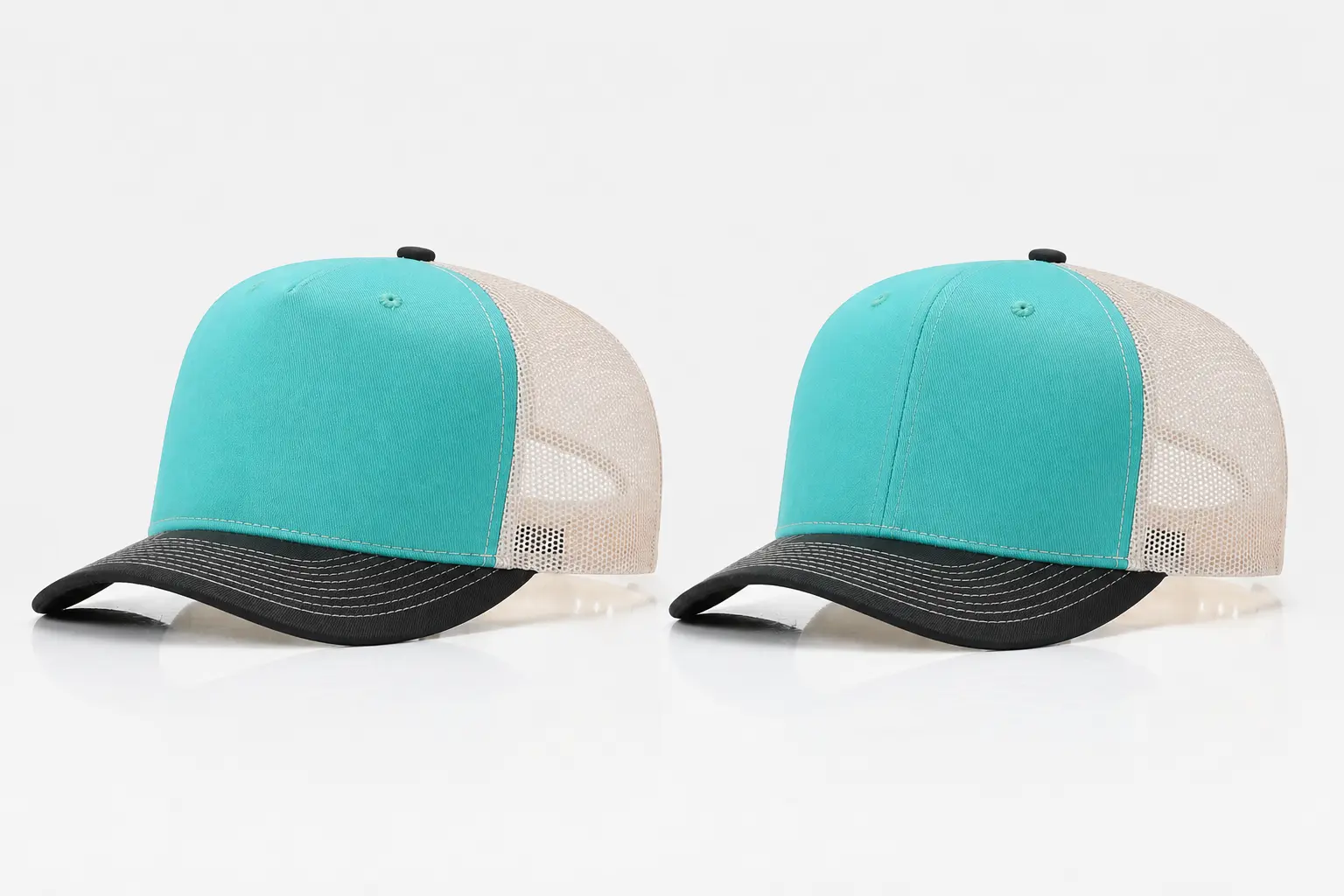
Choosing between 5-panel and 6-panel hats is mainly a decision about crown shape, front-panel layout, fit, and how the artwork will be applied. A 5-panel cap usually gives you one uninterrupted front panel and a more design-led silhouette. A 6-panel cap uses a center front seam and is the familiar foundation for many baseball caps and structured retail styles. Neither construction is automatically better; the right choice depends on the product you are developing.
This guide explains the practical differences for brands planning a fully custom cap, including what to decide before sampling and what to inspect on the physical sample.
5-Panel vs. 6-Panel Hats at a Glance
| Decision point | 5-panel hat | 6-panel hat |
|---|---|---|
| Front construction | Usually one broad front panel without a center seam | Two front panels joined by a center seam |
| Typical appearance | Camp-cap, lifestyle, performance, or high-profile A-frame looks | Classic baseball-cap and structured retail silhouettes |
| Logo area | Continuous front surface can suit wide graphics, patches, prints, and embroidery | Centered artwork must be planned around the front seam |
| Crown shaping | Shape varies considerably by pattern, side panels, depth, and reinforcement | Multiple crown seams help create a rounded, familiar cap shape |
| Best use | Distinctive lifestyle collections, outdoor programs, streetwear, and selected performance designs | Baseball-inspired collections, uniforms, team programs, retail basics, and promotional lines |
Panel count is only one part of the specification. Crown height, pattern shape, structure, visor, fabric, closure, sweatband, and decoration all affect the finished cap. Two 5-panel hats can fit and look completely different, just as two 6-panel hats can.
What Is a 5-Panel Hat?
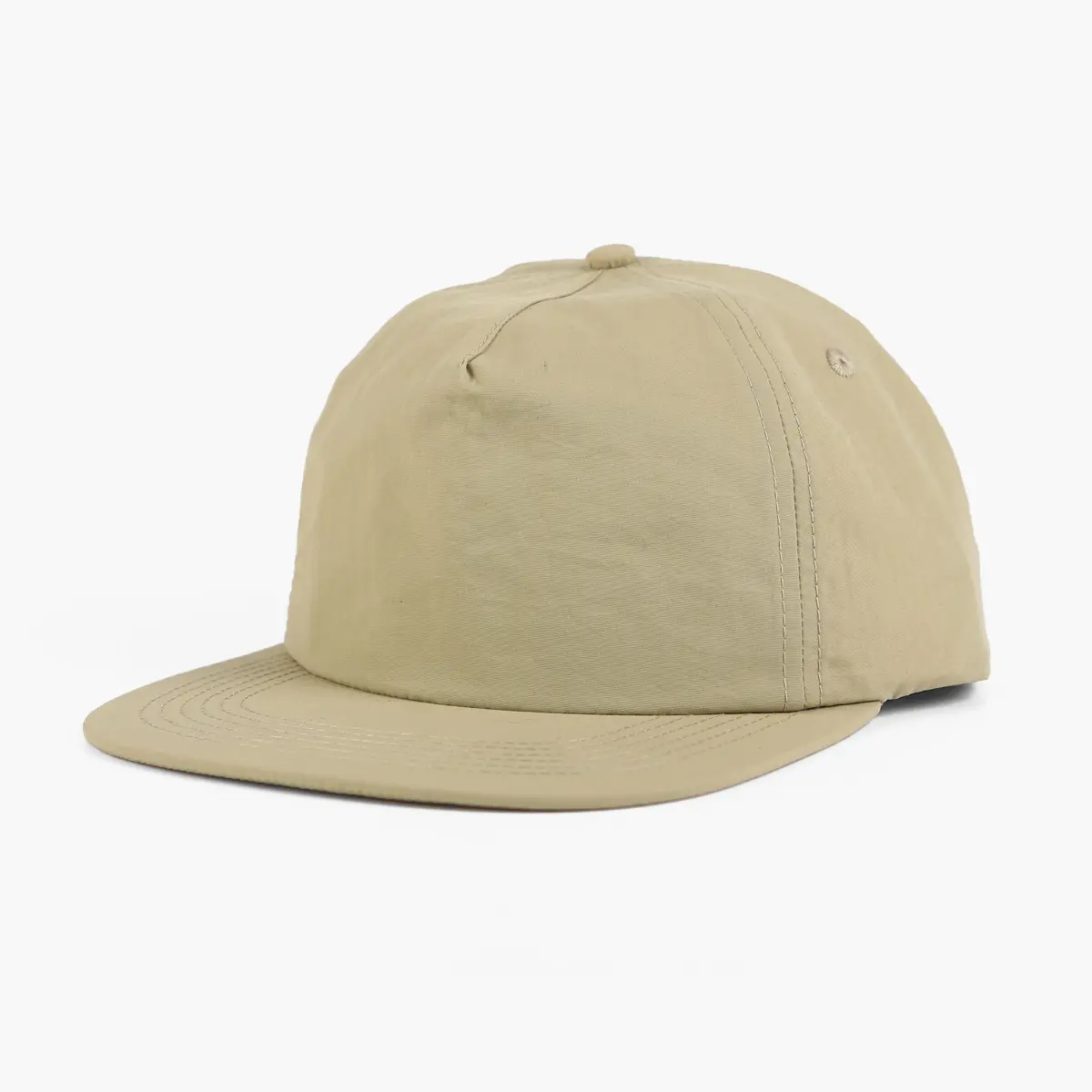
A 5-panel crown is commonly built with one front panel, two side panels, and two rear panels. The uninterrupted front is useful when a design should not cross a center seam. However, “5-panel” does not describe one universal fit.
A low- or mid-depth camp cap has a relatively flat, casual profile. A high-profile 5-panel or A-frame cap can stand taller and provide a stronger front presentation. A lightweight performance version may use shaped side panels and ventilation details. Buyers should therefore specify the intended silhouette instead of sending only the phrase “5-panel cap.”
When a 5-panel construction makes sense
- Your artwork needs a continuous front surface.
- The collection calls for a camp-cap, outdoor, lifestyle, or modern performance look.
- You want the panel pattern itself to be part of the design.
- You plan to combine different fabrics, colors, perforations, or printed areas across the crown.
Explore examples and development options on our custom 5-panel hats page.
What Is a 6-Panel Hat?
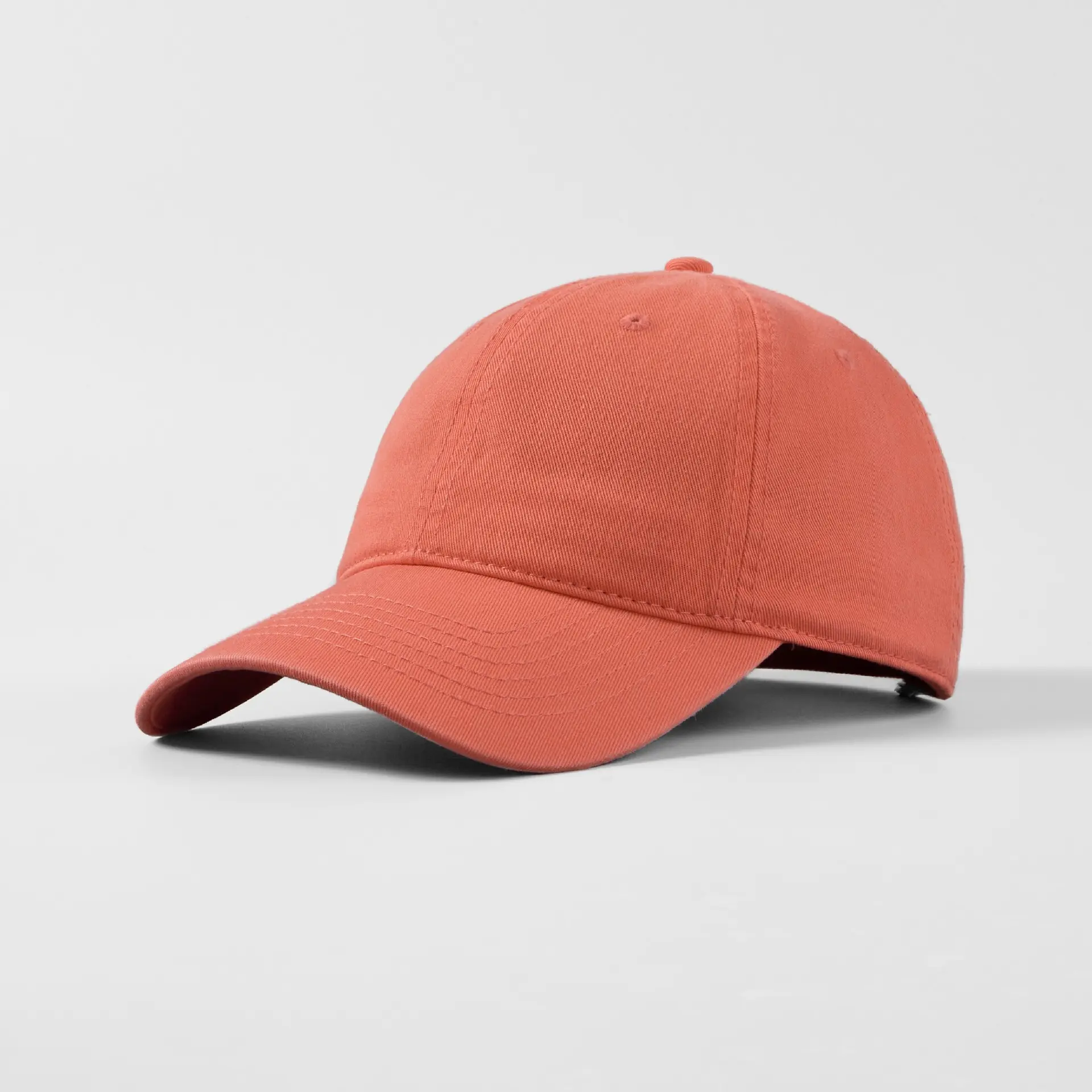
A 6-panel crown normally has two front panels, two side panels, and two rear panels. The seams converge toward the top button, helping form a rounded crown. This construction is widely used for structured and unstructured baseball caps, snapbacks, dad-cap styles, and some trucker hats.
The front seam does not prevent decoration, but it must be considered during artwork planning. Small centered embroidery often works well when the digitized design, seam thickness, stabilizer, and placement are reviewed together. Wide filled areas, fine lettering directly over the seam, or rigid patches may require adjustment.
When a 6-panel construction makes sense
- You want a familiar baseball-cap silhouette.
- The range needs structured and unstructured variations built from a conventional crown.
- Your logo can be sized and positioned with the center seam in mind.
- You are developing team, uniform, retail-basic, or evergreen branded headwear.
See our custom baseball caps and custom trucker hats pages for related crown and material options.
How Panel Construction Affects Logo Placement
The decoration method should be selected together with the crown pattern—not after the cap specification is fixed.
- Flat embroidery: can work on both constructions. On a 6-panel cap, very small letters and dense details should not depend on the center seam remaining invisible.
- 3D puff embroidery: needs enough clean space, suitable letter shapes, and a crown that supports the raised stitching. A sample is essential for checking edges and seam interaction.
- Woven or embroidered patches: can bridge visual complexity, but patch size and stiffness must follow the curvature of the selected crown.
- Heat transfer or print: often benefits from a broad 5-panel front, although the result still depends on fabric, coating, crown curvature, and application method.
- All-over or panel printing: must be planned at the pattern stage so important artwork is not lost in seam allowances.
Our customization options page shows the main decoration and construction choices available for a fully custom program.
Structure and Panel Count Are Different Decisions
“5-panel versus 6-panel” should not be confused with “structured versus unstructured.” Structure comes from the crown pattern, fabric behavior, front reinforcement, seam construction, and other internal components. A 5-panel hat may have a soft camp-cap crown or a firm high-profile front. A 6-panel hat may be a structured baseball cap or a relaxed unstructured style.
For a custom project, define both decisions:
- Choose the panel layout and overall silhouette.
- Specify crown height and depth using a reference sample or approved measurements.
- Decide how much front support the design needs.
- Match fabric and decoration to that structure.
- Approve the complete physical sample rather than individual components in isolation.
What to Inspect During Sampling
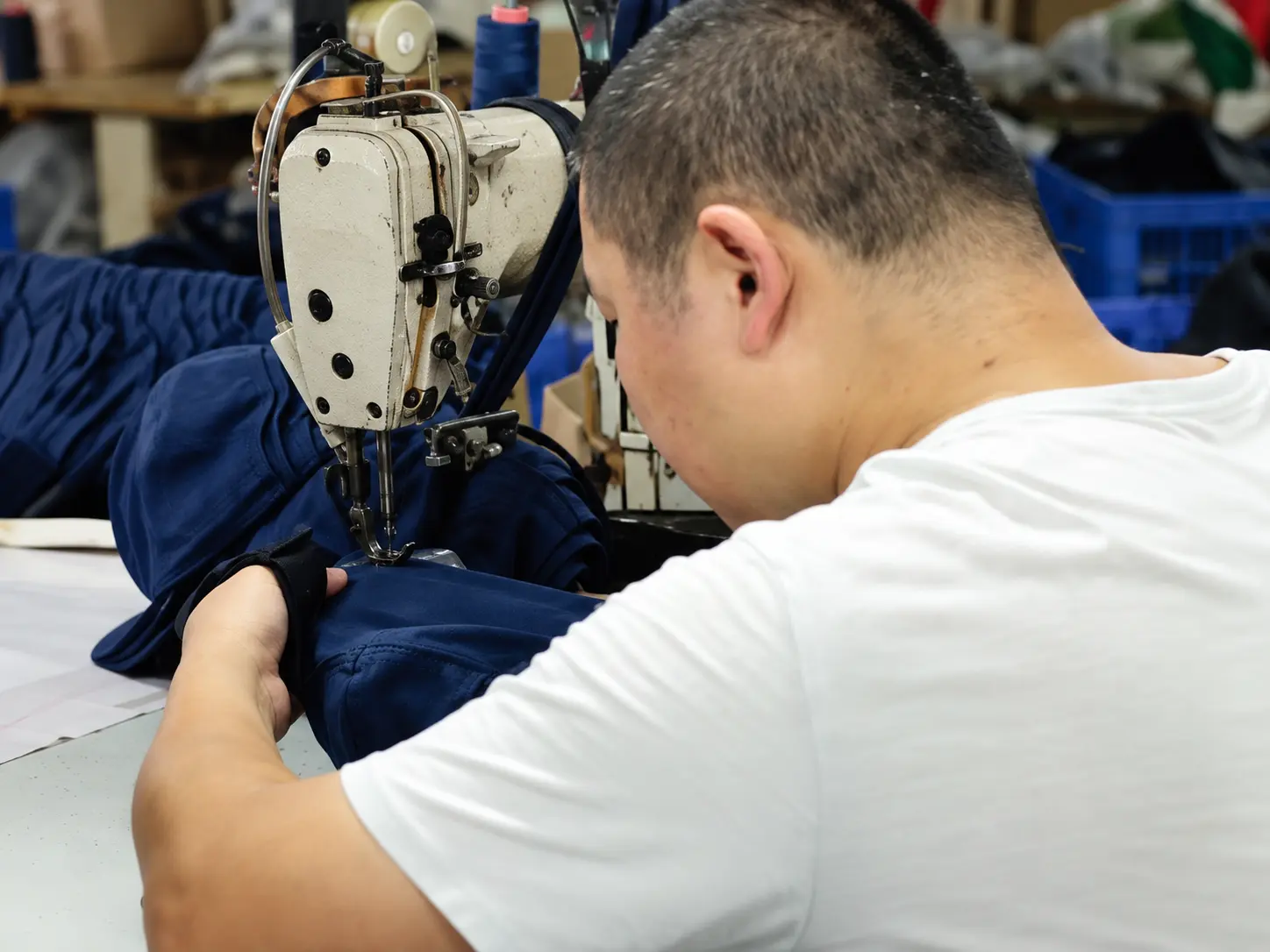
A panel specification that looks correct on a drawing may behave differently after fabric, reinforcement, seams, decoration, and visor are assembled. Use the sample to review the complete product.
Crown and seam checks
- Does the crown match the intended height, depth, and front angle?
- Are left and right panels visually balanced?
- Does the center seam on a 6-panel cap align naturally with the visor and artwork?
- Are crown seams smooth, without obvious puckering or twisting?
- Does the hat keep the intended shape when worn, rather than only when placed on a table?
Decoration checks
- Is the logo level and visually centered on the finished crown?
- Do small details remain readable at the approved size?
- Does embroidery distort the front panel or pull along a seam?
- Does a patch follow the crown without lifting at the edges?
- For prints and transfers, is the surface compatible with the selected fabric and curvature?
Record the approved sample measurements, materials, artwork size, placement, colors, and construction details. Photographs are useful supporting references, but they should not replace a clear specification and an approved physical sample. Our custom hat development process explains how these decisions move from project brief to sampling and production.
How to Choose Between 5-Panel and 6-Panel Hats
Start with the intended product rather than choosing the panel count because it appears fashionable or familiar.
- Choose a 5-panel direction when the broad front panel, distinctive silhouette, or panel-based color and fabric design is central to the product.
- Choose a 6-panel direction when the collection needs a classic baseball-cap shape and the artwork can be designed around the front seam.
- Sample both when fit and brand presentation matter more than a predetermined construction. The same logo on two crown patterns can create a very different result.
For brands building an original headwear program, panel count should be decided alongside the fabric, crown profile, visor, closure, interior branding, and decoration. Review these choices in our custom hat design guide, or see our full custom OEM hat capabilities.
Frequently Asked Questions
Is a 5-panel hat better than a 6-panel hat?
No. A 5-panel cap offers a continuous front area and a particular family of silhouettes, while a 6-panel cap provides the familiar construction used by many baseball styles. The better option is the one that matches the desired fit, appearance, and decoration.
Can you embroider across the center seam of a 6-panel cap?
Yes, many embroidered logos are applied to 6-panel caps. The artwork, digitizing, stabilizer, crown structure, and machine setup must account for the seam. Very small text or dense detail directly over the seam should be tested during sampling.
Does a 5-panel cap always have a flat front?
No. A 5-panel crown may be low and relaxed, boxy, curved, or high-profile. Panel count alone does not determine crown depth or structure.
Which panel construction is best for a large patch?
A broad 5-panel front can provide a clean placement area, but patch size, backing, stiffness, edge shape, and crown curvature still matter. A physical sample is the safest way to confirm that the patch sits flat and looks proportionate.
Develop the Crown Around Your Brand
Send us your artwork, target hat style, quantity, market, and any reference sample you like. We can review the panel construction, crown profile, materials, decoration, and sampling requirements as one complete custom hat project.