Choosing the wrong hat patch size can ruin a high-volume order. We have seen many buyers pick a size that looks great on a computer screen but fails on a real hat. Small errors in dimensions lead to structural failures, high return rates, and brand damage. We wrote this guide to provide the technical logic you need to make better procurement decisions. We focus on how hat engineering and patch application work together.

Key Takeaways:

  • Standard 6-panel hats perform best with a patch no larger than 2.25″ H x 4″ W to avoid seam interference.
  • Patches weighing over 12 grams on performance fabrics cause the front to slump and ruin the fit.
  • Standardizing patch dimensions across different styles can cut your unit costs by 15% through bulk material discounts.

Why Do Patch Dimensions Dictate Your Brand Equity?

If your patch size is wrong, your premium product will look cheap. When a patch is too big, it fights the natural curve of the hat. This creates tension that eventually destroys the shape of the hat. We believe your brand value depends on how long your merchandise lasts. If a hat loses its shape after only three weeks, the customer will blame your brand. We focus on the mechanical link between the patch and the hat fabric. You should not view a patch as just a logo. It is a structural part that adds weight and stiffness to the crown.

Most procurement managers look only at the price per patch. But we think that is a mistake. You must look at the total cost. This includes the cost of the patch, the work to put it on, the shipping weight, and the return rate. A larger patch uses more thread or glue. It also makes the final box heavier. If you order 10,000 units, an extra 5 grams per hat adds 110 pounds to your shipment. This makes your total cost much higher.

We often see “crease fatigue” in the field. This happens when a patch is too wide for a structured hat. The buckram is the stiff mesh inside the front panels. If the patch is even 5mm too wide, the pressure from the wearer’s head pushes against the patch edges. This force snaps the buckram inside. Once the buckram snaps, the hat gets a permanent dent that you cannot fix. We have seen this error lead to a 40% increase in return rates for online brands.

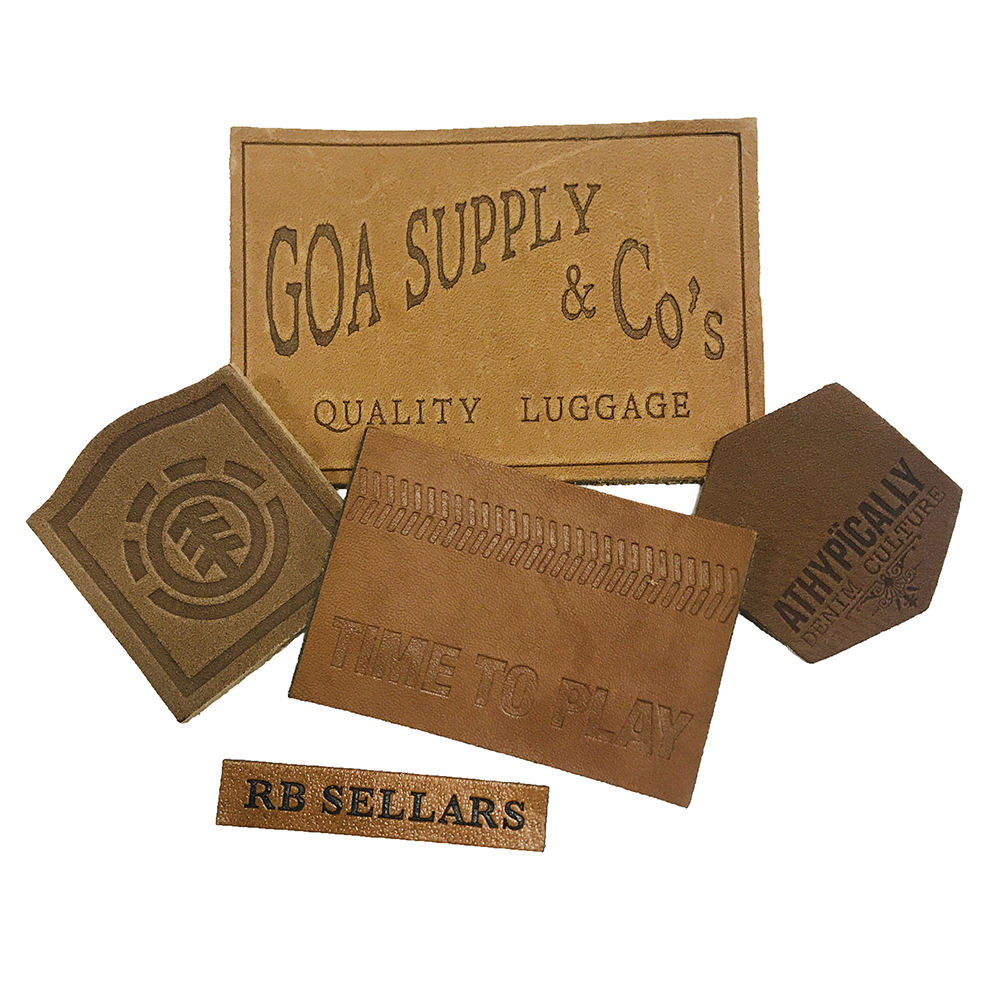
And you must think about how the patch reacts to the fabric. A hat crown needs to be flexible so it can wrap around a head. When you add a stiff patch, you create a “dead spot.” If the patch is too big, the fabric at the edges has to bend much harder. This causes the fabric to fray at the stitch line. We see this a lot with thick leather patches. The leather stays flat but the cotton tries to curve. So the stitches eventually pull through the fabric and the patch falls off.

But you can avoid these risks with a bit of planning. We suggest testing the patch on the specific hat model before you start mass production. We check how the patch sits when someone actually wears the hat. If the edges lift or the fabric puckers, we know the size is wrong. We want to help you build a product that stays in good shape for years. This builds trust with your customers and saves you money on replacements.

Navigating the “Golden Ratio”: Standard Dimensions vs. Hat Profiles?

Finding the right hat patch size is a game of millimeters. We see many brands try to use one large logo for every hat in their line. This is a bad plan because every hat profile has a different “safe zone.” If you go outside this zone, the patch will either hit the visor or disappear over the top of the curve. We use a “Golden Ratio” to find the spot where the logo is easy to see but does not fight the hat structure.

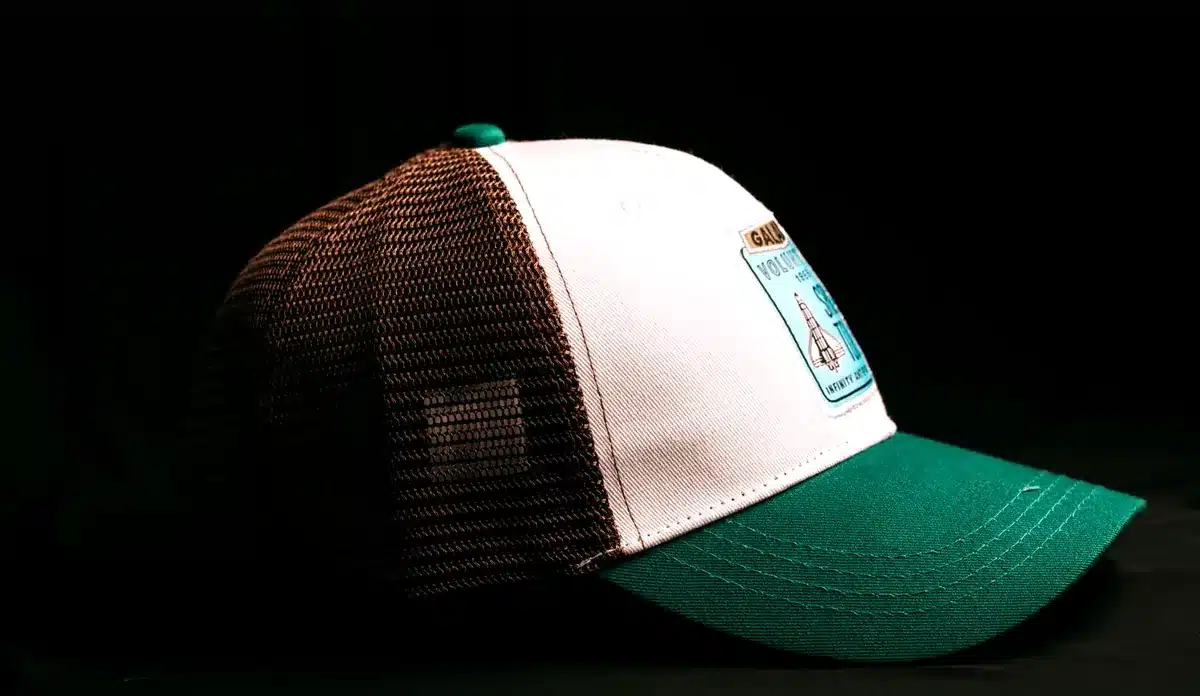
The ideal patch size for a standard 6-panel hat is 2.25″ H x 4″ W. But if you switch to a 5-panel camper hat, you can grow to 2.5″ H x 4.5″ W. This is because 5-panel hats do not have a center seam to distort the patch. We tell our clients that the hat profile—meaning how high the hat sits on the head—is the most important factor. A high-profile trucker hat has a flat, vertical front. This gives you a lot of room. A low-profile “dad hat” has a steep slant. If you put a tall patch on a slanted hat, the top of the patch will stick out into the air. This creates a gap that looks like a manufacturing defect.

We use a simple formula to help you stay safe: take the panel height and subtract one inch. This gives you your maximum patch height. You need a half-inch of space at the top and the bottom. Why? Because sewing machines and heat presses need room to work without hitting the heavy seams at the base or the top button. If your patch is too close to these seams, the needle will often deflect and break. Or the heat press will not apply even pressure. This leads to patches that peel off after just a few wears.

But you also need to think about the width. Most people look at a hat from the front. If your patch is wider than 4 inches on a standard hat, the edges start to wrap around the sides of the head. This makes your logo hard to read from the front. We call this “visual wrap.” For the best brand impact, you want the whole logo to be visible at once. If a customer has to turn their head to see your full company name, the patch is too wide. We suggest keeping the width within the “flat” part of the front panels.

Hat StyleRecommended Height (in/mm)Recommended Width (in/mm)Max Weight (Grams)
Standard 6-Panel2.25″ / 57mm4.00″ / 101mm12g
5-Panel Camper2.50″ / 63mm4.50″ / 114mm15g
Visor1.25″ / 31mm3.50″ / 89mm5g
Beanie (Folded)2.00″ / 50mm3.50″ / 89mm8g

So, before you send us your final artwork, check your hat profile. If you are buying low-profile hats for a corporate event, keep your patches small and clean. If you are building a bold streetwear line with high-crown truckers, you can go bigger. We want to make sure your logo looks perfect on the specific hat you chose. This prevents waste and ensures your team or customers actually want to wear the gear.

Engineering Around the “Dead Zone”: The 6-Panel Seam Dilemma?

The center seam of a 6-panel hat is the biggest challenge for high-quality patch application. We call this vertical ridge the “Dead Zone.” If your patch is not engineered to sit on this ridge, it will look crooked or lift off over time. We see this problem in about 30% of the sample requests we receive from new buyers. They want a thick, rigid patch, but they do not realize that the seam creates an uneven surface that fights the glue or the thread.

We suggest using a “channel-groove” backing if you are buying PVC or rubber patches for 6-panel hats. This is a small recessed line on the back of the patch. It allows the patch to sit flush against the fabric by giving the thick center seam a place to go. If you do not use a groove, the patch will sit on top of the seam like a see-saw. This creates air pockets on both sides of the ridge. Air pockets are dangerous because they trap moisture and heat. Over time, this weakens the bond and causes the patch to pop off during normal use.

But the seam also creates issues for sewn patches. When a needle moves across the front of a hat, it goes from two layers of fabric to four or six layers at the center seam. This sudden change in thickness messes with the thread tension. If the machine is not set up correctly, the fabric will pucker or the stitches will look loose. We follow industry standards by using specialized hat jigs and adjusting the machine foot pressure for every order. This ensures the patch stays flat and the stitches stay tight across the entire surface.

And you must consider the “bulk distortion” in mass production. When a factory has to make 5,000 hats quickly, workers might not align the patch perfectly over the center. If the patch is off-center by even 2 millimeters, the seam will push one side of the patch up. This makes the whole hat look lopsided. We use laser alignment tools to prevent this. But you can help us by choosing a patch material that has some natural flex. Woven patches or thin leather are great because they can mold to the shape of the seam more easily than thick, molded plastic.

[Flowchart showing the decision process: Is it a 6-panel hat? -> Yes -> Use Channel Groove or Flexible Material -> No (5-panel) -> Standard Backing OK]

So, if you are planning a large order of 6-panel caps, talk to us about the backing. We want to make sure the patch stays attached for the life of the hat. Because a logo that peels off is a bad reflection on your brand. We can help you pick the right attachment method to solve the seam dilemma before it becomes a costly production error.

Material Physics: How Patch Weight Affects Wearer Comfort and Product Lifespan?

Most buyers only care about how the logo looks. But we know that the weight of your hat patch size is just as important as the design. If a patch is too heavy, it ruins the “wearability” of the hat. We see this often with high-density PVC or thick metal plates. A patch that feels fine in your hand can feel like a brick when it is stuck to a piece of fabric on your forehead. We focus on the physics of the hat to make sure your customers actually enjoy wearing it.

A patch exceeding 12 grams on a lightweight performance fabric will cause the hat to rotate forward during movement. We call this the “Front-Heavy Slump.” When the front of the hat is too heavy, the tension of the snapback or strap cannot hold the hat in place. The hat will slowly slide down the wearer’s face. This is very annoying for people who are active or outdoors. We always suggest a gram-weight check for any athletic or active-wear projects. If you are using a light mesh or thin polyester, you must use a light patch.

And you have to think about the “Head-Feel.” A large, heavy patch creates a stiff wall against the forehead. This blocks the natural airflow of the fabric. In hot weather, this creates a hot spot that leads to excessive sweating. We have found that when a patch covers more than 60% of the front panel surface, the temperature inside the hat rises by several degrees. Because the sweat has nowhere to go, it stays trapped under the patch. This can eventually lead to the adhesive failing or the salt from the sweat staining the fabric around the edges of the logo.

But weight also affects the lifespan of the hat’s structure. In an unstructured “dad hat,” there is no internal mesh to support the weight. If you put a heavy leather patch on a soft cotton hat, the fabric will eventually sag and fold. This creates permanent wrinkles in the crown that make the hat look old and worn out after just a few weeks. We recommend keeping patches for unstructured hats under 8 grams. For structured hats with a strong buckram, you can go up to 15 grams, but we still advise staying lighter whenever possible.

[Comparison Table: Patch Material vs. Average Weight per Square Inch]

Patch MaterialWeight (g) per Sq. InchFlexibility LevelBest Hat Match
Woven/Embroidered1.5g – 3gHighAll Styles (especially Dad Hats)
Leather (Thin)4g – 6gMediumTrucker Hats / Snapbacks
PVC (Standard)8g – 12gLowStructured 5-Panel / Truckers
Silicone (3D)6g – 9gHighPerformance / Athletic Hats

So, before you decide on a thick 3D PVC patch, ask us about the weight. We can help you find a balance between a bold look and a comfortable fit. We want your customers to reach for your hat every morning because it feels good, not just because it looks good. By managing the material physics, we ensure your product lasts longer and performs better in the real world.

Compliance and Safety: Navigating International Standards in Patch Production?

Safety is a top priority for professional procurement. A patch may seem small, but it can become a huge legal liability if it contains banned chemicals. We have seen cases where a large shipment of hats was seized at the US border because the patch adhesive contained restricted substances. We follow industry standards to help you avoid these risks. We want to ensure that your 5-cent patch does not lead to a million-dollar recall.

Many budget-friendly PVC patches use phthalates to stay soft and flexible. But these chemicals are strictly controlled under California’s Prop 65 and European REACH standards. If your hats are sold in the US, failing a random audit can result in heavy fines and a total loss of inventory. We align our sourcing with Oeko-Tex Standard 100 to ensure all textile components and chemicals are safe for skin contact. We ask for Material Safety Data Sheets (MSDS) from our raw material suppliers for every batch. This gives you the paperwork you need to prove your supply chain is clean.

But safety is not just about chemicals. It is also about physical strength, especially for the youth market. Small parts regulations are very strict for products used by children. If a patch is poorly attached and peels off, it becomes a choking hazard. We perform “pull tests” in our facility to measure the force required to rip a patch from the fabric. A high-quality attachment should withstand at least 15 pounds of direct pull force. This ensures the patch stays on the hat through rough wear and multiple washes.

And you must consider the ethics of where your patches are made. Many buyers forget that custom trims like patches are often outsourced to smaller, unverified workshops. We verify our factory certifications to ensure fair labor practices and safe working conditions. We believe that a factory that treats its workers well is also a factory that follows quality and safety rules. We suggest looking for BSCI or WRAP certifications when you choose a manufacturing partner. This protects your brand reputation from the risks of “shadow factories” and unethical sourcing.

So, when you ask for a quote, don’t just look at the price. Ask about chemical compliance and attachment strength. We are here to help you navigate these complex rules so you can focus on selling your product. We provide the technical proof that your hats meet international safety standards. This lowers your risk and builds long-term trust with your retail partners and customers.

The “Hidden” Cost of Complexity: Designing for Scalability?

We see many designers create patches with jagged edges, thin points, or complex starburst shapes. On a computer screen, these look sharp. But in mass production, complexity is a major risk to your bottom line. We want you to understand that every sharp corner on a hat patch size is a potential failure point. If a patch has eight sharp points, that is eight places where the heat press might fail or the sewing needle might skip. We focus on “Geometric Standards” to help you keep your scrap rate low and your production speed high.

Stick to circles, rectangles, or hexagons whenever possible. We call this “Design for Scalability.” When you use standard shapes, we can use metal dies to cut the patches quickly and cheaply. If you insist on a custom “die-cut to shape” logo, your costs will rise in two ways. First, you have to pay for a custom metal mold. Second, the “strike-off” or sampling time increases by as much as 200%. Because custom shapes are harder to align, the factory will produce more “seconds” (defective units). You eventually pay for this waste in the final unit price.

[Logic Flowchart: Should you choose a Standard Shape or Custom Die-Cut?]

  • Step 1: Is the order volume over 1,000 units? (If No -> Use Standard Shape to save on setup).
  • Step 2: Does the logo have thin “fingers” or sharp points? (If Yes -> Consider a border or “shape-in-box” design to prevent edge lifting).
  • Step 3: Is the budget tight? (If Yes -> Standard Rectangles or Circles offer the lowest unit price).

But complexity also affects the “cleanliness” of the finished product. When we laser-cut a complex shape, the laser has to travel a longer path. On some materials, like light-colored felt or thick leather, the laser can leave small burn marks or “soot” on the edges. The more complex the shape, the more heat is applied to the material. This can cause the edges to curl or discolor. We suggest using a simple border around complex logos. This gives the laser a smooth path to follow and ensures every patch in a 10,000-unit order looks exactly the same.

And you must think about the “Application Gap.” When a worker places a rectangular patch on a hat, it is easy to see if it is straight. When the patch is an irregular, “blob” shape, it is very hard to find the center line. This leads to inconsistent placement across your order. We often see rejection rates increase by 5% to 10% just because the patch shape made it impossible for the operator to align it quickly. By standardizing your sizes and shapes, you reduce the human error factor in the factory.

So, before you finalize a very complex design, ask us for a production review. We can often make small suggestions—like adding a 2mm border or rounding a sharp corner—that will save you thousands of dollars in production. We want to help you design a patch that is not only beautiful but also easy and cheap to produce at scale. This is how you manage a successful B2B headwear program.

Placement accuracy is the difference between a professional retail product and a flea-market reject. We know that even a perfectly designed hat patch size looks terrible if it is tilted by just two or three degrees. Many buyers vet a factory based on their sample quality, but samples are often made by the shop’s best technician using a manual process. You need to know if the factory can maintain that same precision when they are running 5,000 units on a deadline.

We suggest you ask potential vendors for a photo or video of their “Laser Alignment Guide” setup. In a modern facility, we use cross-hair lasers that project a grid onto the hat before the patch is applied. This removes the guesswork for the operator. If a factory tells you they “eye-ball” the placement or use a simple pencil mark, you should be worried. Manual placement leads to “drift” during a long shift. As workers get tired, the patches slowly move higher or become more crooked. If a factory does not use lasers, your rejection rate on a large order will likely exceed 8%.

But precision also depends on the “jigs and fixtures” the factory uses. A jig is a custom tool that holds the hat in the exact same position every time it goes under the press or needle. We build specific jigs for high-crown truckers and different ones for low-profile dad hats. If a factory uses a “universal” jig, the hat will wobble. This causes inconsistent height placement. You should ask your manufacturer if they build custom fixtures for your specific hat model. This shows they understand the mechanical requirements of precision placement.

And you must evaluate the Quality Control (QC) checkpoints. A good factory does not wait until the end of the job to check for errors. We look for “In-Line QC.” This means a supervisor checks the alignment of the first 50 units and then performs random checks every hour. We also look for a final “Light Box” inspection. This is where workers place the finished hats under high-intensity lights to check for adhesive leaks, loose threads, or crooked logos. If a factory cannot explain their QC steps in detail, they probably do not have a real system in place.

So, don’t just ask about the price per unit. Ask about the technology they use to ensure every hat looks like the approved sample. We focus on these technical details because we want your shipment to arrive perfect. By vetting your factory for precision tools and strict QC processes, you eliminate the risk of opening a box and finding a thousand crooked hats. We are here to provide the precision your brand deserves.

Strategic Procurement: The Pivot to “Value-Added” Branding?

In high-volume sourcing, we treat the hat patch size as a strategic asset, not just a design choice. Many buyers treat every project as a unique event. They order a custom patch for a trucker hat, then a different size for a beanie, and another for a backpack. This creates “Inventory Chaos.” We suggest a different path. We help our clients move toward a “Universal Trim Strategy.” This means finding a single patch dimension that works across 80% of your product line.

By standardizing a 2.5″ circular patch or a 2″ x 3″ rectangle, you can consolidate your raw material orders. Instead of buying 500 patches of five different sizes, you buy 2,500 patches of one size. This simple shift often achieves a 15% to 22% volume discount from the supplier. But the benefits go beyond the price. It also gives you “Inventory Agility.” If one hat style is selling faster than expected, you can move your existing patch inventory to that style immediately. You are no longer stuck with “dead stock” for a specific hat that isn’t moving.

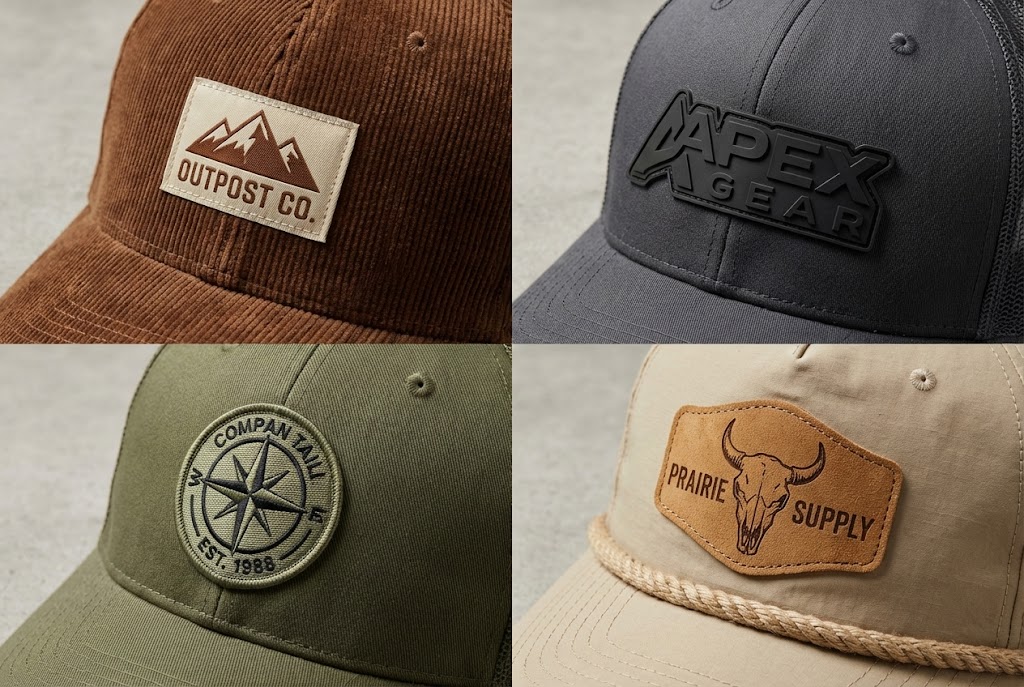
But you must also consider the premium market positioning of your branding. We have noticed that luxury and lifestyle brands often use smaller, more subtle patches. A 1.5″ square leather patch suggests a “less is more” philosophy. This smaller size also reduces the mechanical risks we discussed earlier, like buckram snap or front-heavy slump. If you want your brand to feel premium, try a smaller patch made of high-quality materials like genuine leather or high-density silicone. The size tells the customer just as much about the brand as the logo itself.

And you must future-proof your procurement for the 2026 market. Sustainability is no longer an option; it is a requirement. We are seeing a major shift toward recycled polyester and bio-based PVC. These materials behave differently during application. Recycled fibers can be more brittle under high heat. We recommend avoiding sharp-edged shapes when using these sustainable materials to prevent cracking. By choosing a standard, rounded patch size now, you make it much easier to switch to eco-friendly materials later without redesigning your whole product line.

[Comparison Table: Universal Sized Patches vs. Custom Tailored Patches]

MetricUniversal Patch (Standard)Custom Tailored Patch
Tooling CostLow (One-time setup)High (Multiple Molds)
Inventory RiskLow (Transferable to other SKUs)High (Specific to one hat style)
Brand CohesionHigh (Consistent across all gear)Moderate (Variable look)
Unit Price15-20% Lower (Bulk pricing)Premium Pricing (Small batches)

So, as you plan your next big purchase, think about your long-term goals. We want to help you build a headwear program that is efficient and scalable. We can review your current designs and show you how a few small changes in patch size can save you money and reduce your risk. We are ready to help you turn your branding into a value-added asset. Contact us today to discuss your next project.

Choosing the right hat patch size is a technical task, not an artistic one. You must balance the physical limits of the hat structure with the visual goals of your brand. By following the rules we have shared—like staying within the 2.25″ x 4″ safety zone for 6-panel hats and watching your patch weight—you can avoid the common traps of headwear procurement. We focus on these details because we know that a single bad batch can hurt your reputation and your budget. We are here to help you get it right the first time.

FAQ

1. How can we verify the consistency of patch placement across a 5,000-unit order?

We ensure consistency by requiring our production lines to use laser-guided alignment systems rather than manual estimation. When you vet a supplier, ask for their “Allowable Tolerance” specification. In professional B2B procurement, the industry standard for patch drift should be less than ±2mm from the center. If a vendor cannot provide a specific tolerance measurement, it is a sign that they lack a structured Quality Control (QC) process.

  • Insider Tip: Request a “Golden Sample” from the first 50 units of the actual mass production run, not just a pre-production sample. Comparing a random unit from the start of the bulk order against your approved sample is the only way to verify that the factory’s jigs are correctly calibrated for high-volume output.

2. What are the specific risks of choosing a large PVC patch for 6-panel structured hats?

The primary risk is adhesive failure caused by the “bridge effect” over the center seam. Because PVC is rigid, it cannot naturally mold to the vertical ridge of a 6-panel hat. This creates tiny air pockets that expand and contract with temperature changes, eventually popping the patch off. Furthermore, a large patch on a 6-panel crown often leads to “buckram snap,” where the internal stiffener cracks under the tension of the patch’s flat surface.

  • Insider Tip: If your branding requires a large PVC look, specify a “Slit-Back” or “Grooved” mold. This removes a small vertical channel of material from the back of the patch, allowing it to “sit” over the seam. This minor engineering adjustment reduces your return rate by up to 30% on structured headwear.

3. How do we ensure our patches meet US Prop 65 and REACH compliance for retail?

We mitigate chemical risk by sourcing only from raw material suppliers that provide current Oeko-Tex Standard 100 or REACH certification for their polymers and adhesives. Many “budget” factories use phthalates to keep PVC patches flexible, which is a major liability in the US market. You should never assume compliance; always demand a Third-Party Lab Test report (such as SGS or Intertek) that is less than 12 months old.

  • Insider Tip: Specifically check the “Lead and Phthalate” section of the test report. If a supplier hesitates to show you the chemical breakdown of their adhesive backing, they are likely using a generic, non-compliant glue. We recommend using a high-temperature TPU adhesive, which is generally safer and more stable than traditional liquid glues.

4. Why does patch weight matter more than patch size for athletic performance hats?

In the athletic market, “Head-Feel” is everything. A patch that is correctly sized but too heavy (exceeding 12 grams) will cause the hat to shift during movement, leading to a poor user experience. On lightweight performance fabrics, a heavy patch pulls the fabric downward, creating unsightly wrinkles and permanent stretching. This is why we focus on “Gram-Weight Specs” during the procurement phase.

  • Insider Tip: For active-wear, we suggest switching from standard PVC to “High-Density Silicone” or “Woven Heat-Transfers.” Silicone offers the same 3D look as PVC but at roughly 40% less weight, ensuring the hat maintains its center of gravity and comfort during physical activity.

Sally - SN International

About the Author

Sally is the Co-founder of SN International, a U.S.–China supply chain company specializing in custom headwear and promotional products. With over 15 years of experience in headwear manufacturing, she has helped promotional product distributors and brands source reliable custom caps from global factories. Her expertise focuses on production quality control, sourcing strategy, and cost optimization for large-scale B2B headwear programs.