
Procurement managers face a hard reality today. Standard sourcing channels are full of identical goods. Many brands buy from the same catalog factories, and this strategy drops product margins over time. True profitability requires a different path. We need to focus on how we finish a product, not just how we make the base base structure. Investing in premium hat decoration can break this cycle and lift your gross margins.
Key Takeaways
- Premium decoration adds unique tactile finishes and precise technical layers to standard bases, which raises customer perceived value.
- Advanced surface treatments lower overall supply chain scrap rates because they use automated quality metrics and strict tolerance testing.
- Late-stage customization keeps eighty percent of inventory plain, which reduces capital lock-up and protects factory cash flow.
2. The Commodity Trap: Why Standard OEM Products Are Eroding Your Margin Floors?
Standard catalog items cause margin compression. You launch a plain product, and your competitors copy it immediately. This situation forces you to drop your prices to stay competitive. Standard OEM sourcing relies on shared factory tooling, which invites imitation and triggers a race to the bottom. Upgrading to custom branding fixes this problem and protects your pricing floors.
We see many buyers fall into the “Ghost Factory” trap. You select a hat or an accessory from a standard factory catalog. You think your contract is exclusive, but you share the exact same tooling with five or ten competitors. When one competitor forces a price cut, the factory feels the squeeze. The factory owner then lowers material quality across the board to keep their own profit margin. They change the thread count or use cheaper plastic snaps. They do this without telling you. Your brand suffers because your product degrades silently on the shelf.
Competing only on unit economics is a bad strategy. A cheap cap looks cheap, and US consumers notice bad stitching and thin fabrics immediately. When your product looks like every other item on Amazon or a retail shelf, you lose your pricing power. You cannot raise prices to cover rising shipping costs. And you cannot stand out in a crowded market.
So you must protect your business by changing the focus. We use standard bases but we add premium finishes later. This choice stops the factory from cheapening your goods. It also disconnects your brand from the commodity price race. We help brands move away from this trap by focusing on the parts of the hat that consumers touch and see first. This logic keeps your margins safe and keeps your competitors away.
3. Defining Premium Decoration: Moving Beyond Basic Sourcing Formats?
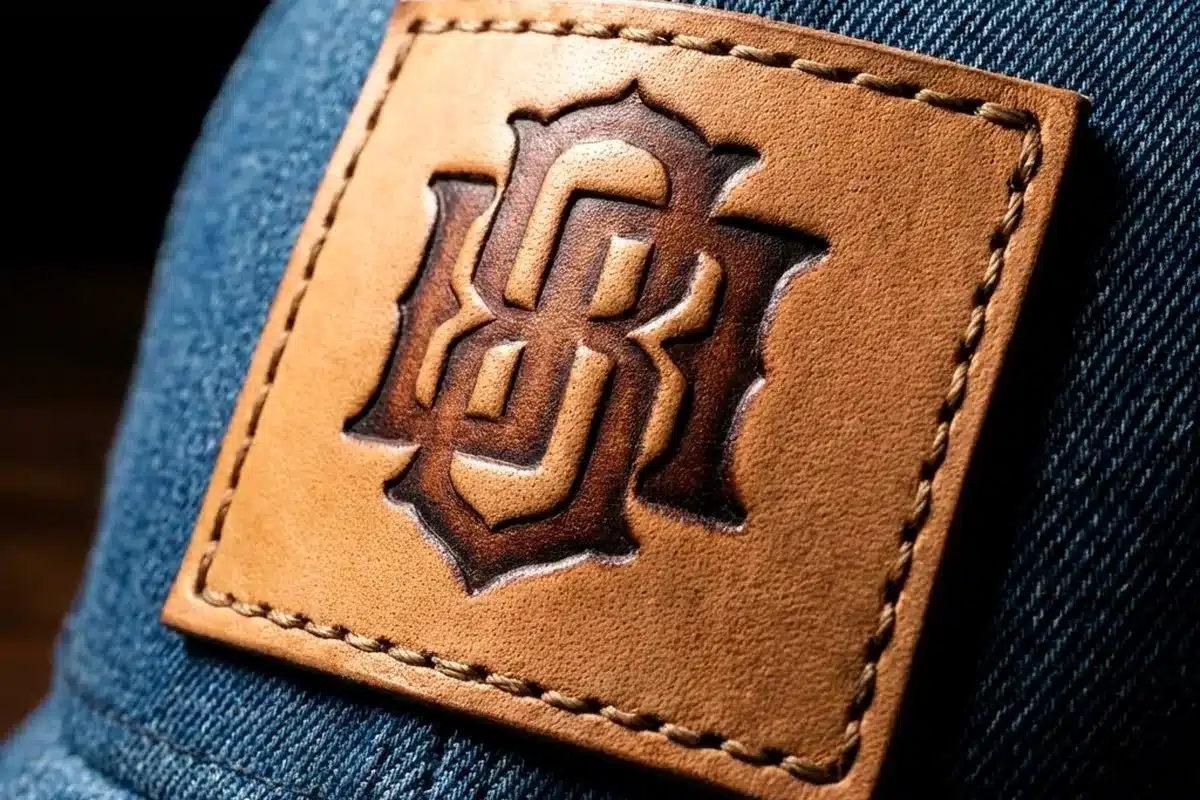
Premium decoration means applying advanced materials and specialized finishing methods to standard cap bases. These options include high-quality woven patches, rich leather-style accents, intricate embroidery fills, and custom inner trim combinations. These technical details build strong visual and tactile value that basic factory decoration methods cannot copy.
Many procurement managers mistake simple branding upgrades for deep-level customization. A standard flat embroidery logo is purely functional and cheap to run, but it does not change how a buyer perceives your brand value. In contrast, heavy embroidery work or double-layered woven patches create clear structural depth. These methods give your headwear an immediate weight and clean profile that help justify a twenty-five percent retail price premium.
These advanced surface styles change how a customer judges your headwear line. High-quality woven patches allow for sharp detail lines and rich color blending that old screen printing cannot achieve. We also mix separate textures like matte fabrics and polished metal eyelets to build contrast. These layers look neat and feel distinct when a buyer picks up the item.
Using custom inner trims adds another layer of security for your margins. We run matching interior tape lines and soft sweatbands alongside our complex exterior finishes. This approach eliminates raw fabric gaps and stops the hat panels from losing shape during shipping. It keeps your products clean and helps them look premium on the sales floor.
4. Total Cost of Ownership (TCO) Analysis: The Hidden Math Behind the Upgrade?
A higher bill of materials cost can scare corporate finance teams. They see an increase in raw production costs and worry about profit margins. But this view ignores how consumers judge quality on a retail shelf. A small investment in premium decoration yields a high return because it drives up the perceived value of your product.
Let us look at the actual numbers. A forty-cent increase in decoration costs can elevate a product’s perceived retail value by five to ten dollars. This shift raises gross margins by up to fifteen percent. This math works because the decoration is the only part the buyer sees and feels first. They do not care about the internal plastic framework or the hidden stitches, but they care deeply about the custom patch, the heavy embroidery fill, and the embossed leather trim.
You must also consider custom tooling and fixture costs across the production lifecycle. A high-quality embroidery disk setup or a custom zinc-alloy mold for metal emblems might cost thousands upfront. But if you split that investment over a running contract of fifty thousand units, the cost drops to pennies per piece. Your per-unit cost stays manageable, and you gain an asset that competitors cannot easily buy.
High-precision decoration workflows also reduce factory scrap rates. Cheap, basic screen printing setups often fail because the liquid ink smudges or the frame shifts during high-volume runs. This issue causes a high rejection rate during quality control inspections. Premium woven patches and laser-cut appliques use computer-guided machinery. The positioning is exact, so the decoration scrap rate drops significantly. You save money because you waste less raw material and spend less time fixing bad batches.
5. Mitigating Quality Consistency Risks in High-Volume Runs?
Overseas factories often present perfect initial samples to win your contract. These samples use hand-selected fabrics and expert labor, but the quality can drop during mass production. We mitigate mass production quality risks by using quantitative metrics and automated testing instead of human visual inspections.
The “Golden Sample” illusion is a major trap for US procurement teams. Your supplier sends a beautiful first article sample. Your team approves it, and you wire the deposit. Then the factory begins a large-scale run. Without strict technical controls, the quality drops by the third week of production. The workers get tired, the embroidery machine needles wear down, and the thread tension shifts. This issue results in crooked logos and loose threads across your shipment.
To fix this issue, you must establish clear quantitative tolerances in your supply contracts. Never accept a visual color match because room lighting changes how colors look. We demand a maximum Delta E color tolerance of less than 1.0 on a spectrophotometer. Anything higher causes a visible color shift on retail shelves. If two hats sit next to each other and the patch hues do not match, the consumer assumes your product is defective.
We also require cross-hatch adhesion testing based on industry standards for all glued or heat-sealed patches. Workers cut a grid pattern into the finished sample surface and apply a specialized testing tape. If the decoration material peels off the base fabric, the batch fails. We also integrate Automated Optical Inspection systems into vendor standard operating procedures. High-speed cameras inspect every emblem automatically. This step removes human error from the quality control process and ensures every cap matches your approved specifications.
6. Navigating Global Compliance and Environmental Risks in Advanced Finishes?
Chemical coatings and advanced backing materials present real compliance challenges. US customs agents can seize imported goods that fail basic environmental standards, and these delays ruin your retail delivery timelines. We follow global environmental standards to reduce chemical compliance risks and protect our distribution channels from sudden supply chain shutdowns.
Regulatory bottlenecks like RoHS, REACH, and California Proposition 65 require careful attention. Many premium patches or synthetic leather accents use heavy metals, chemical dyes, or specific plasticizers to achieve their unique finish. If your supplier uses a banned chemical substance to make a patch backing stick or a logo shine, your brand faces major legal liability in the US market. You cannot guess about chemical safety. We require independent lab testing for every single batch of raw materials before advanced decoration work begins.
The transition to modern environmental standards requires a change in your bill of materials. We use water-based adhesives and eco-friendly dye lots instead of solvent-based chemicals. Water-based formulas emit far fewer volatile organic compounds, and this choice helps your brand meet strict clean air regulations. This change protects your factory workers during production, and it keeps your inventory safe from expensive environmental fines or consumer lawsuits.
You must also watch your Tier-2 subcontractor compliance very closely. Many Tier-1 main assembly factories do not create their own custom metal emblems, leather patches, or chemical backings in-house. They outsource this technical work to cheap, unregulated Tier-2 shops to save on operational costs. If local environmental authorities catch that Tier-2 shop dumping chemical waste into a local waterway, they will shut down the operation immediately. Your Tier-1 factory will lose its source, and your entire production pipeline stops without warning. We audit sub-vendors to prevent these surprises and keep your project running.
7. Vetting ODM Partners for Advanced Decoration Capabilities?
Many factory owners say they can handle advanced decoration techniques. They show you beautiful showrooms with modern product samples, but they often lack the heavy machinery to build those custom items at scale. We vet manufacturing partners by conducting deep engineering audits of their internal machinery, cleanroom setups, and financial investments.
You must look past the factory showroom. Ask to see the actual in-house assembly cleanrooms where patches are affixed and logos are stamped. If a factory claims to perform high-gloss heat sealing or clean laser trimming but lacks a Class 10,000 dust-free cleanroom space, walk away. Airborne dust particles will land on the hot adhesive surfaces during bonding and create small bumps. This technical issue drops your factory yield rate by thirty percent. The factory will then try to hide these losses by raising your future unit prices.
Next, evaluate their engineering depth and technical competence. A reliable partner must show deep skill in design for manufacturing and assembly protocols. Their staff should review your custom artwork files and spot potential production bottlenecks before tooling starts. For example, they should tell you if a woven patch border is too thin to hold a lock-stitch or if a leather embossed logo will lose its shape during steam blocking. If they accept your drawings without questions, they lack engineering depth.
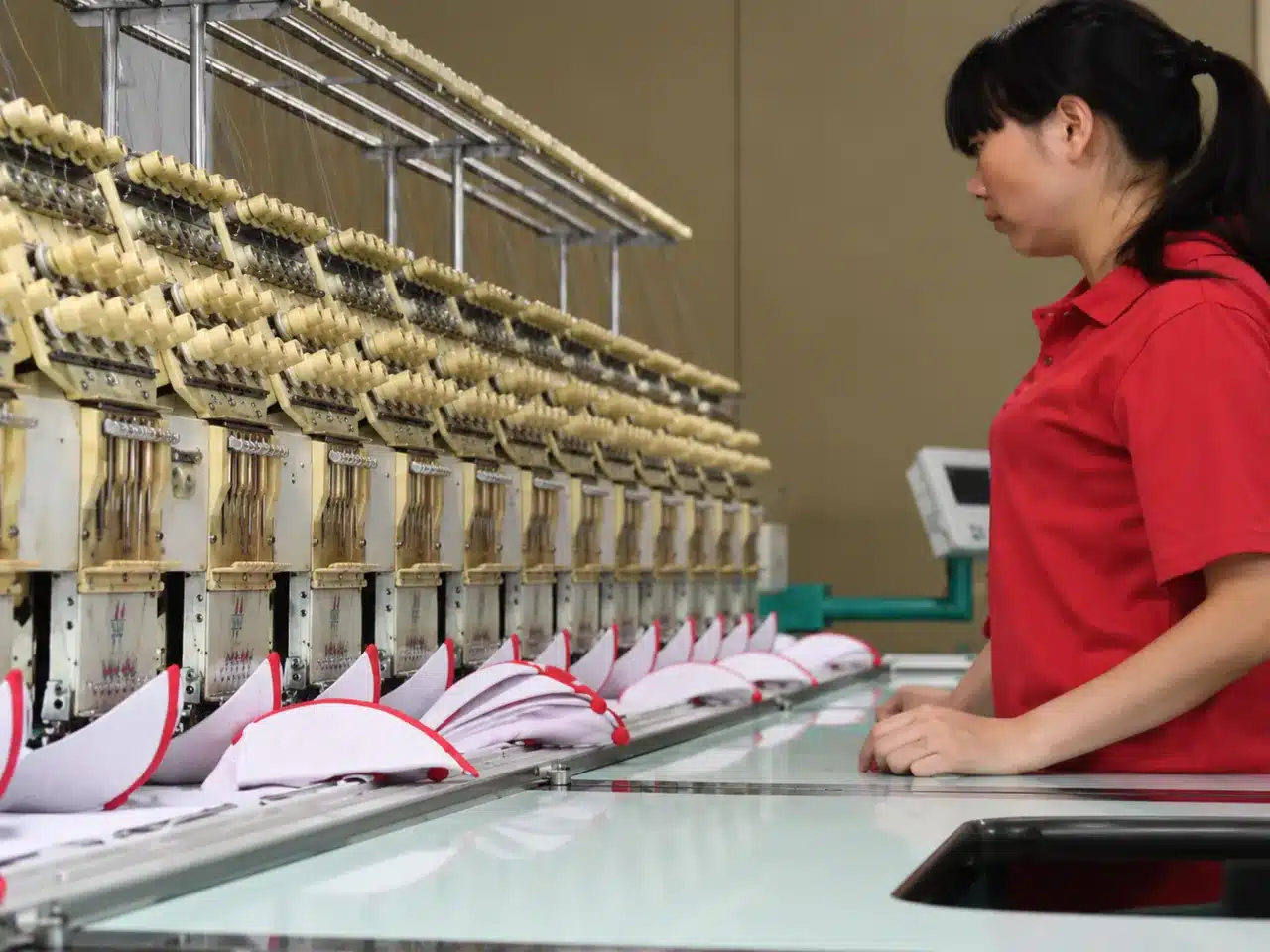
Finally, check the factory’s financial health and capital reinvestment records. Walk the manufacturing floor and look at the asset tags on the automated embroidery multi-heads and precision laser cutting beds. If the machinery is old and poorly maintained, the factory is losing its operational edge. A reliable manufacturing partner reinvests their profits into new automated equipment. This equipment improves production quality, reduces labor error, and keeps your unit costs stable over multi-year agreements.
8. Strategic Supply Chain Timing: When to Execute the Pivot to Custom Branding?
Investing in custom branding too early can drain your startup cash. But waiting too long allows cheaper competitors to steal your market share. You need a clear timing strategy to protect your brand asset. We balance inventory capital and delivery speed by splitting the manufacturing process into separate stages based on consumer demand signals.
Product lifecycle triggers tell you when to move from a minimum viable product to a premium product tier. An initial product launch helps you test the retail market quickly using standard catalog parts. Once your sales volume stabilizes and you establish a baseline, you should invest in custom surface treatments. This upgrade protects your market position and raises your profit margins.
You must manage lead time inflation when adding premium details. Complex surface finishes like heavy embroidery fills or custom-shaped patches add physical steps to the production path, and these extra steps can extend your production timelines by two or three weeks. You must adjust your ordering cycles to account for this change, or your brand will run out of stock during peak sales seasons.
To protect your cash flow, use a late-stage customization strategy. Do not decorate your entire inventory run at once because that locks up too much capital. Keep eighty percent of your stock as un-decorated, blank bases in the factory warehouse. Only apply the premium woven patches or leather accents in two-week rolling cycles based on real-time US sales data. If specific color combinations sell fast, decorate the blanks with those patterns. This plan prevents excess inventory and keeps your capital liquid.
9. Case Study Analysis: ROI Realization of a Strategic Decoration Upgrade?
Let us look at a real-world example of a lifestyle headwear brand. They faced intense pressure from low-cost online sellers, and their gross margins dropped below forty percent. They needed a fast solution to survive in a crowded market. We analyze this real-world sourcing change to show how premium decoration upgrades directly improve financial performance.
The brand faced a common sourcing problem. They were buying a standard six-panel cap using shared factory public molds. Competitors flooded the market with identical cheap hats, which started a brutal price war. The brand’s retail price dropped from twenty-nine dollars to nineteen dollars, and their profits vanished because the product looked exactly like everything else on the shelf.
The brand changed its strategy. They kept the exact same internal fabric structure but upgraded the exterior decoration format. They introduced custom-shaped embossed leather patches and heavy dimensional embroidery on the front panels. They did not redesign the internal pattern mechanics, which saved them thousands of dollars in re-tooling costs. They only paid a small fixed setup fee for custom cosmetic mold inserts.
This move changed their business performance completely. The total landed unit cost rose from six dollars and twenty cents to seven dollars and fifteen cents because of the premium materials. But the new textured look allowed them to reposition the product line as a premium item. They raised the retail price to thirty-nine dollars and ninety-nine cents, and their gross margin jumped past eighty percent. The durable attachment methods also reduced product damage during shipping, which dropped retail returns significantly.
10. Conclusion
Investing in premium decoration is a proven way to protect your product margins. It moves your brand away from the commodity price race and builds long-term customer loyalty. To succeed, you must move past basic silk-screening methods and adopt advanced surface materials. You must manage your quality metrics using technical data, verify your Tier-2 sub-vendors, and use late-stage customization to protect your cash. Use these steps to upgrade your product finishes and grow your business profits. If you are ready to analyze your current hat line and discover how custom textures can lift your margin floors, send us an inquiry today to start a technical review.
FAQ
FAQ 1: How do we prevent custom embossed patches from peeling off or losing their bond after months on the retail shelf?
We solve this risk by enforcing standard cross-hatch adhesion testing and strict temperature controls during production. The main cause of patch separation is poor quality adhesive backing or incorrect heating cycles at the factory. To protect your inventory, we do not allow worker guesswork. We mandate that our production lines use electronic dwell-timers and automated pressure presses.
- Insider Tip: Never rely on a supplier’s visual word that a patch is secure. Always demand a formal ASTM D3359 tape-test report from the factory lab before signing off on the first production run. This report gives you mathematical proof of bond strength.
FAQ 2: With strict US environmental laws, how can we be sure your custom dyes and heavy embroidery backings comply with California Proposition 65?
We manage this compliance risk by maintaining full chemical traceability down to our raw material inputs. We do not source cheap, unverified stock fabrics or generic backing stabilizers. Our process aligns with global environmental standards, and we use water-based adhesives that emit low volatile organic compounds.
- Insider Tip: Many Tier-1 main assembly factories switch subcontractors mid-run to save money, using cheaper chemical backings that contain illegal phthalates. We prevent this trap by running random, batch-level independent lab tests on incoming components before decoration work ever starts.
FAQ 3: Advanced decoration formats increase production steps. How do you prevent this change from blowing out our seasonal retail lead times?
We protect your delivery timeline by using a decoupled manufacturing process and stocking plain bases ahead of peak demand. We build the un-decorated hat structures during quiet production months when factory capacity is open and ocean freight rates are low. We then hold these blanks in our warehouse and apply your custom woven patches or leather accents in quick, two-week rolling schedules as your retail orders come in.
- Insider Tip: If an ODM tells you they can manufacture a complex custom hat from scratch in under four weeks during the peak third-quarter shipping rush, they are over-promising. Splitting your bill of materials into a base phase and a late-stage decoration phase is the only operational way to keep lead times predictable.
FAQ 4: How can we verify that a factory actually possesses Class 10,000 cleanroom capabilities for high-end heat-sealed accents?
We conduct onsite machinery audits and physical cleanroom validation rather than looking at digital certificates. A real Class 10,000 cleanroom must have positive air pressure locks and automated particle counters. If you see open windows, standard household fans, or visible fabric dust settling near the heat-bonding presses, the cleanroom is fake. Dust buildup will cause a thirty percent scrap rate, and the vendor will try to pass that cost onto you.
- Insider Tip: When vetting a new manufacturing partner, ask for a live video walkthrough of their actual decoration workshop during an active production shift. Look specifically for worker air-showers and sticky dust mats at the entrance doors. These simple physical cues show true operational discipline.