
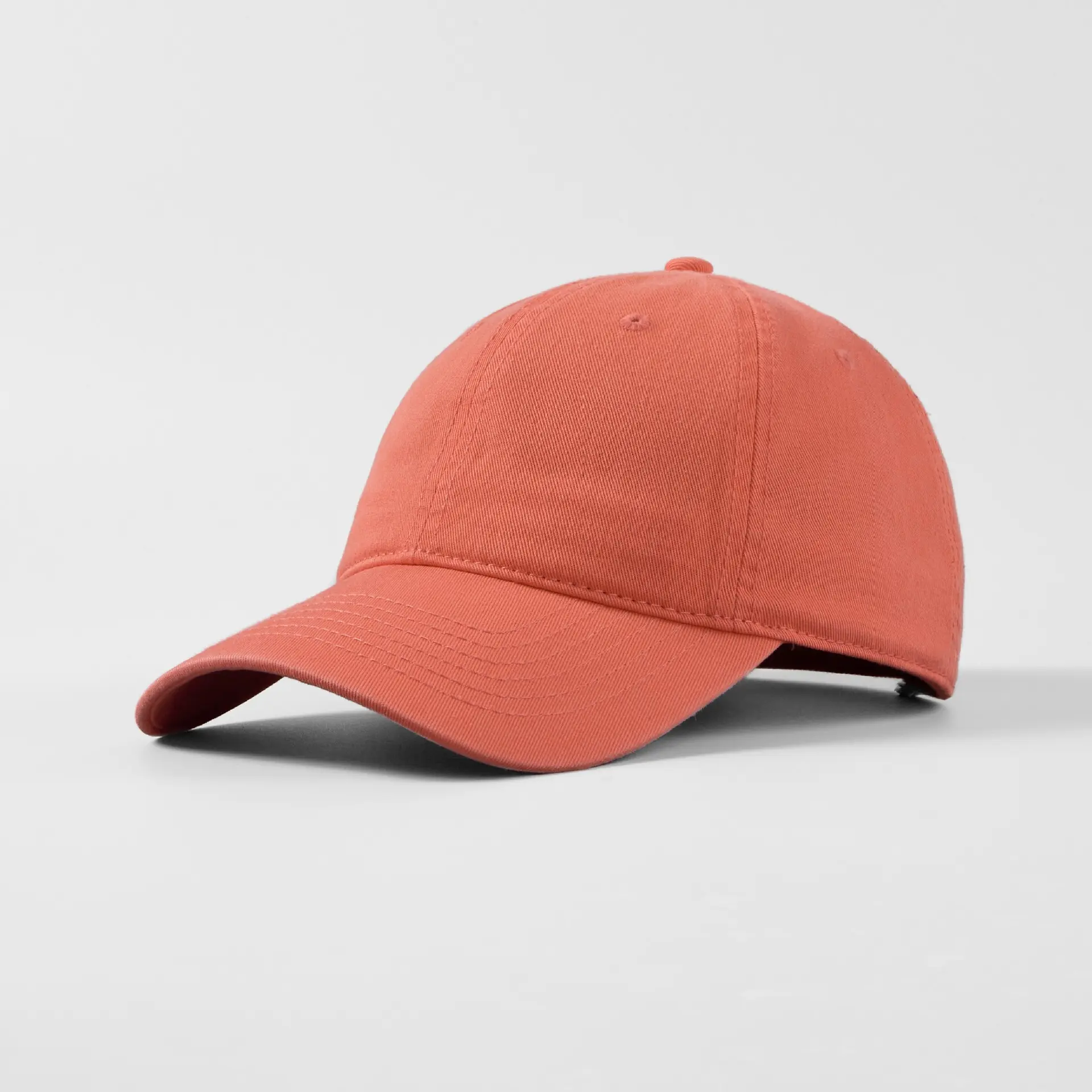
Cotton twill is one of the most familiar fabrics in custom headwear, but its weight is often treated as if one number can determine the quality of a finished cap. It cannot. A heavier fabric may feel firmer, while a lighter fabric may create a softer, more relaxed crown. Neither result is automatically better.
For a custom cap program, fabric weight should be selected together with the crown structure, decoration, wash, visor construction and target hand feel. This guide explains what GSM can tell you, what it cannot, and how to compare cotton twill during sampling without turning 210 GSM, 250 GSM or 280 GSM into a false industry standard.
What GSM Tells You—and What It Does Not
GSM means grams per square meter. It measures fabric mass, not the complete performance of a cap. When composition and construction are similar, a higher GSM usually indicates more material in the same area. That can change the fabric’s hand feel, drape and visual body.
However, two cotton twills with the same GSM can still behave differently. Yarn size, yarn density, weave, brushing, washing, resin finishing and color treatment all affect the finished fabric. A compact, smooth twill and a softer brushed twill may carry similar weight but create very different caps.
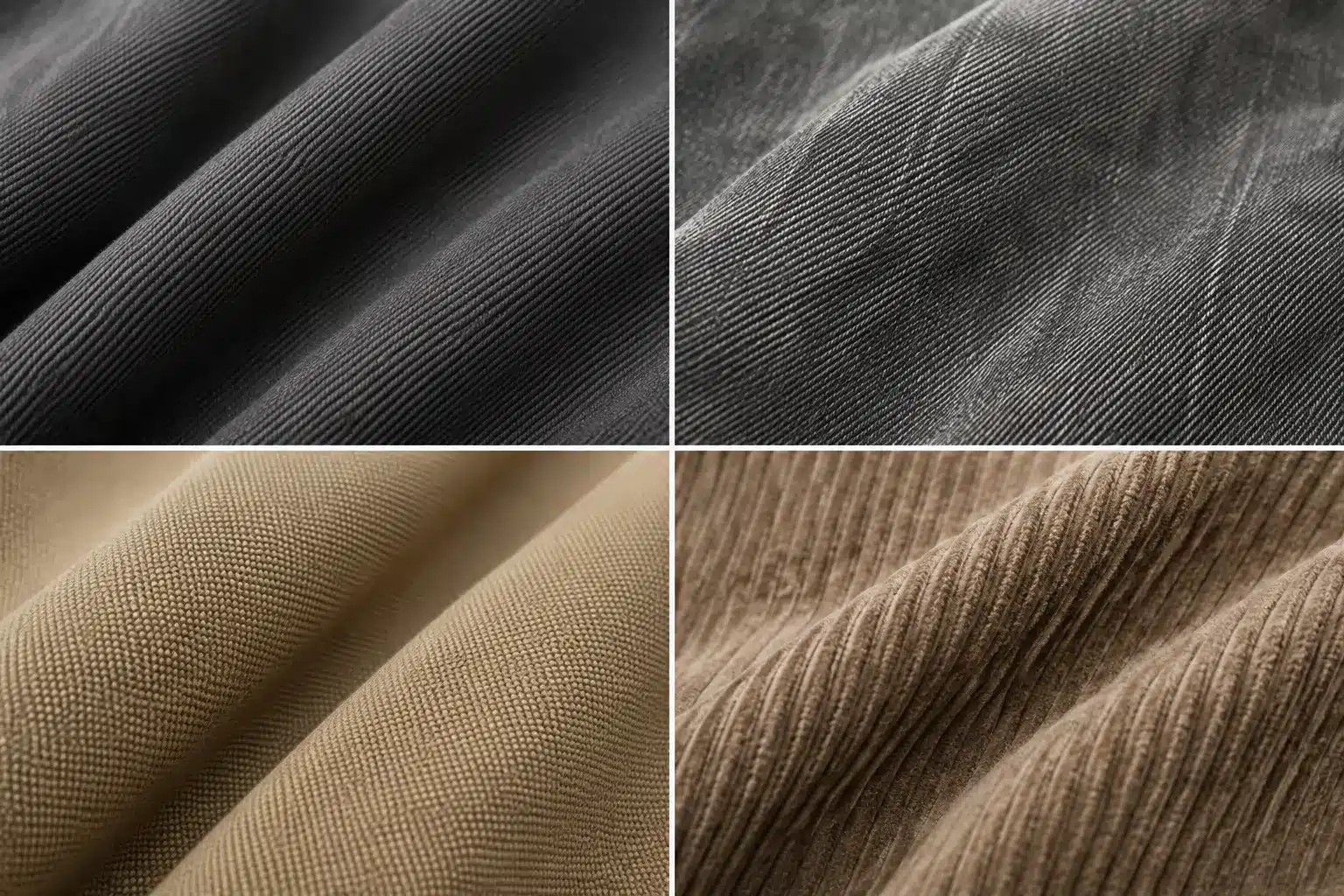
- GSM can help describe: relative fabric weight, hand feel and body.
- GSM cannot confirm by itself: weave density, shrinkage, colorfastness, embroidery performance or finished-cap durability.
- GSM does not guarantee: that a crown will remain structured or that a visor will not warp.
Is There a Standard Cotton Twill Weight for Caps?
No single cotton twill weight is standard for every cap. Different mills, finishes and cap constructions use different specifications. A fabric around 250 GSM may be appropriate for one structured cap, while another design may work better with a lighter or heavier option. Even when two suppliers quote the same GSM, the fabric can look and feel different.
This is why a buyer should not copy a GSM number from another product and treat it as a universal requirement. Start with the intended silhouette and hand feel, then compare actual swatches and finished samples. For a broader look at available materials and decoration choices, review our customization options.
How Cotton Twill Weight Changes the Crown
Hand Feel and Drape
Lighter cotton twill generally bends and collapses more easily. That can suit a low-profile, unstructured or washed cap where a relaxed shape is intentional. Heavier twill often feels more substantial and can add visual body, but too much weight may make a soft design feel bulky.
Structure and Panel Support
Crown shape does not come from the shell fabric alone. Front-panel backing, buckram, seam construction, panel pattern and pressing all contribute. A medium-weight twill with suitable backing can produce a clean structured front, while a heavier fabric without the right internal support may still fail to hold the intended profile.
Embroidery Interaction
Heavier fabric is not a substitute for correct embroidery setup. Logo size, stitch direction, stitch density, backing and thread tension must work with the panel. A lighter twill can carry detailed embroidery when the artwork and setup are appropriate. A heavy twill can still pucker when a design is over-dense or poorly stabilized.
The right decision comes from testing the actual decoration on the actual cap panel—not from approving an undecorated swatch only.
Why Fabric Weight Does Not Control Brim Warping by Itself
The visor is an assembly. Its final shape depends on the insert, the upper and lower fabrics, cutting accuracy, stitching, seam tension, pressing and packing. Changing the shell from 210 GSM to 280 GSM does not automatically solve a warped brim because the source of the problem may be elsewhere.
| Decision factor | What to evaluate | Why it matters |
|---|---|---|
| Visor insert | Material, thickness, flexibility and recovery | The insert provides the main internal shape of the brim. |
| Upper and lower visor fabric | Composition, weight, finish and dimensional behavior | Unbalanced materials can react differently during pressing or use. |
| Cutting | Pattern accuracy and fabric direction | Inconsistent parts can create uneven tension around the insert. |
| Stitching | Row spacing, feed and seam tension | Uneven stitching can pull the visor out of shape. |
| Pressing and shaping | Finished curve, temperature and handling | The process must suit the selected materials. |
| Packing and storage | Carton pressure, stacking and moisture exposure | A correctly made brim can still be deformed after production. |
If brim flatness or curve is critical, inspect the finished visor assembly during sampling. Do not rely on fabric GSM as a proxy for the result.
How to Compare Cotton Twill During Sampling
- Define the product direction. State whether the crown should feel soft, crisp, washed, structured or substantial.
- Compare physical swatches. Check surface appearance, drape, thickness, recovery and color under the same lighting.
- Build the real crown construction. Use the intended panel pattern and internal support. Fabric approval without the finished structure is incomplete.
- Add the real decoration. Test the correct logo size, placement, embroidery technique, patch or print.
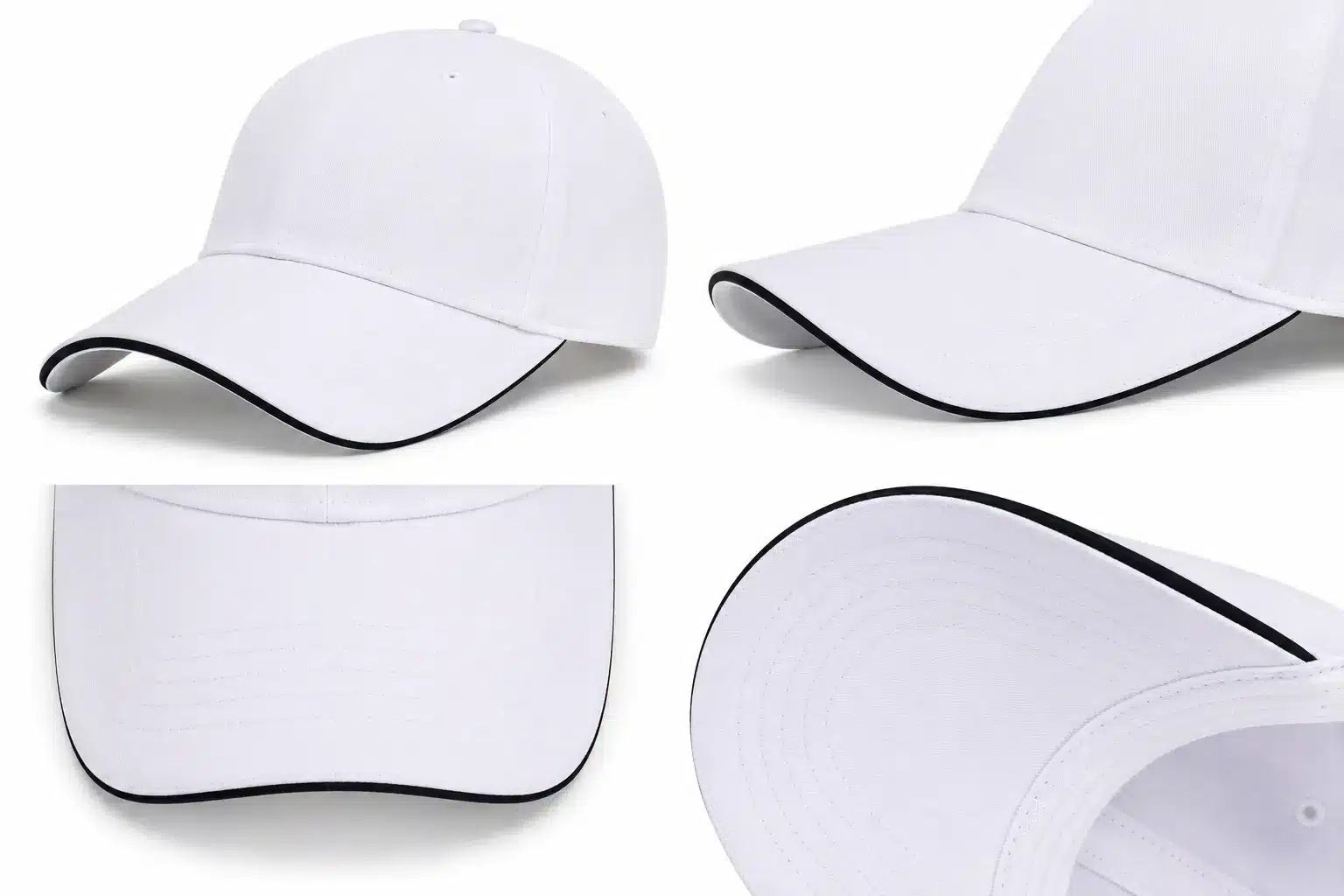
- Evaluate the visor separately. Check curve, symmetry, stitching and recovery after normal handling.
- Review the finish. If the cap will be washed or distressed, approve the fabric after that process because finishing can change color, hand feel and shape.
- Check packed samples. Pack and store samples in the intended orientation, then inspect whether crowns and brims recover correctly.
Our custom hat development process uses sampling to resolve these connected decisions before bulk production.
Choosing Weight by Product Direction
| Product direction | Useful starting point | What to confirm in the sample |
|---|---|---|
| Soft, low-profile lifestyle cap | Flexible twill with a comfortable hand | Drape, panel collapse, wash result and logo stability |
| Structured retail cap | Twill with sufficient body plus suitable front support | Front profile, seam shape and decoration finish |
| Washed or vintage-style cap | Fabric selected for the intended finishing process | Color variation, shrinkage, softness and final silhouette |
| Substantial premium hand feel | Denser or heavier-looking twill when it suits the design | Comfort, bulk at seams, crown balance and stitch appearance |
These are design directions, not fixed GSM rules. The best choice is the fabric that produces the approved finished cap consistently.
What to Put in the Tech Pack
A useful fabric specification should identify more than a target weight. Depending on the project, include:
- fiber composition and twill type;
- approved physical swatch or reference sample;
- target GSM and an agreed production tolerance when weight is important;
- surface finish, such as brushed, washed or unbrushed;
- approved color reference;
- crown backing or buckram requirements;
- decoration artwork and approved decorated sample;
- visor insert, stitching and curve requirements.
For a full private-label program, these details should be developed as one product rather than purchased as isolated components. See our full custom OEM hat capabilities for the wider development scope.
Frequently Asked Questions
Is heavier cotton twill always better for caps?
No. Heavier twill may add body, but it can also change comfort, drape and seam bulk. The right weight depends on the cap silhouette, internal structure, finish and decoration.
Does 280 GSM cotton twill prevent brim warping?
No specific GSM can guarantee a flat or stable brim. The visor insert, fabric balance, cutting, stitching, shaping, packing and storage all influence the result.
Can lighter cotton twill work with embroidery?
Yes. The logo must be digitized and stabilized for the fabric and panel construction. A decorated sample is the most reliable way to evaluate puckering, coverage and shape.
Should buyers specify GSM in a cap tech pack?
GSM can be useful when it supports an approved fabric reference. It should not replace a swatch, finish specification or finished sample. If weight is important, agree on the measurement method and acceptable tolerance with the manufacturer.
Choose the Finished Construction, Not One Number
The practical question is not whether 210 GSM or 280 GSM is universally better. It is whether the selected cotton twill works with your crown, visor, decoration and finishing process to create the approved product.
If you are developing a private-label cap and need to compare materials during sampling, send us your design direction or tech pack. We can help translate the intended look and hand feel into a workable full-custom construction.