
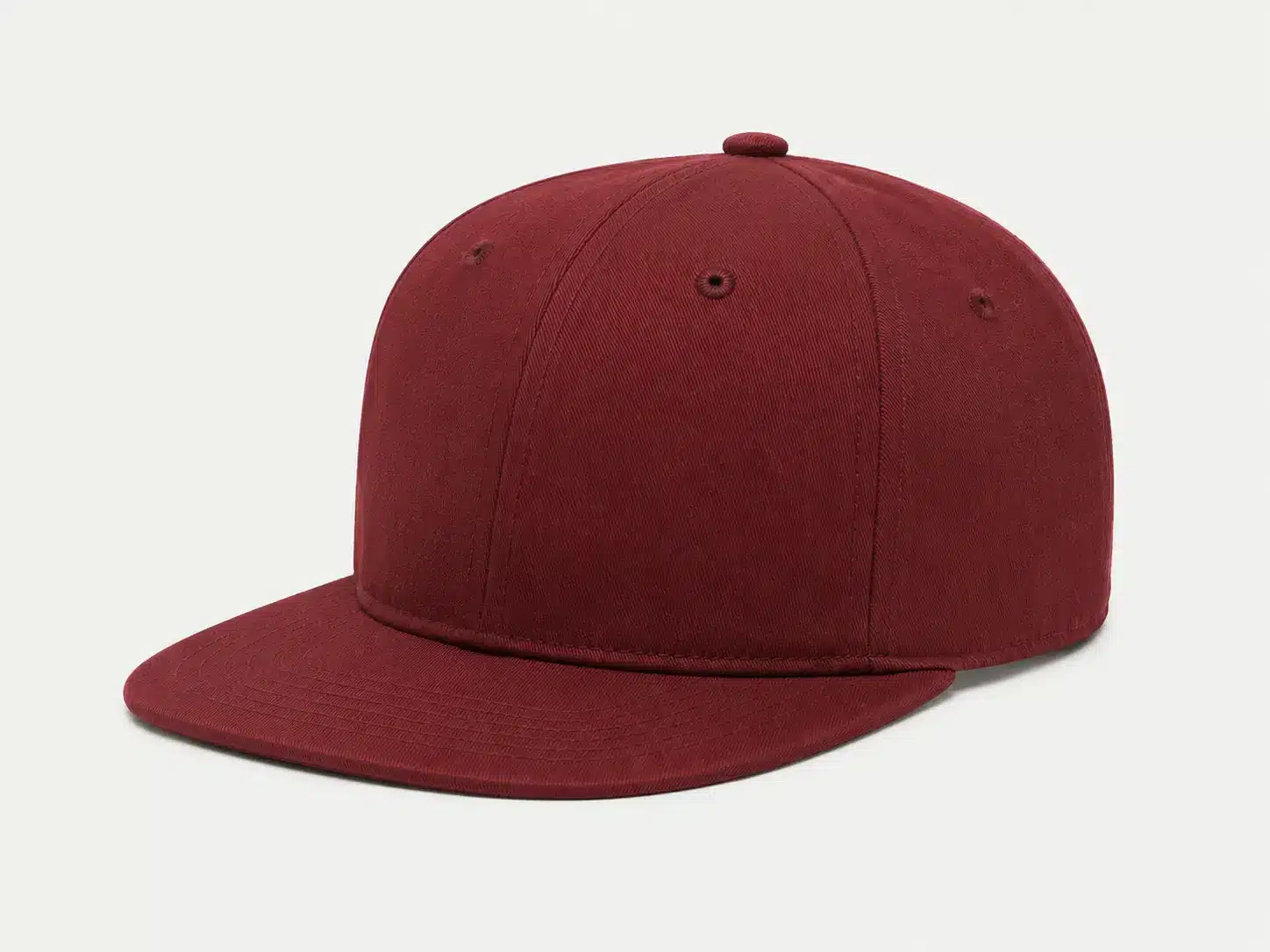
Custom snapback hats combine an adjustable plastic closure with a wide range of crown shapes, panel constructions, fabrics, visors, and decoration methods. The closure is easy to recognize, but it does not determine the fit by itself. Crown depth, opening shape, sweatband length, panel geometry, and visor profile all affect how the finished cap feels and looks.
For a brand developing a snapback, the important question is not simply whether the cap has plastic snaps. It is whether the complete specification suits the target customer, supports the logo, and can be reproduced consistently. This guide explains the product decisions to make before sampling and what to check on the physical hat before bulk production.
What Is a Snapback Hat?
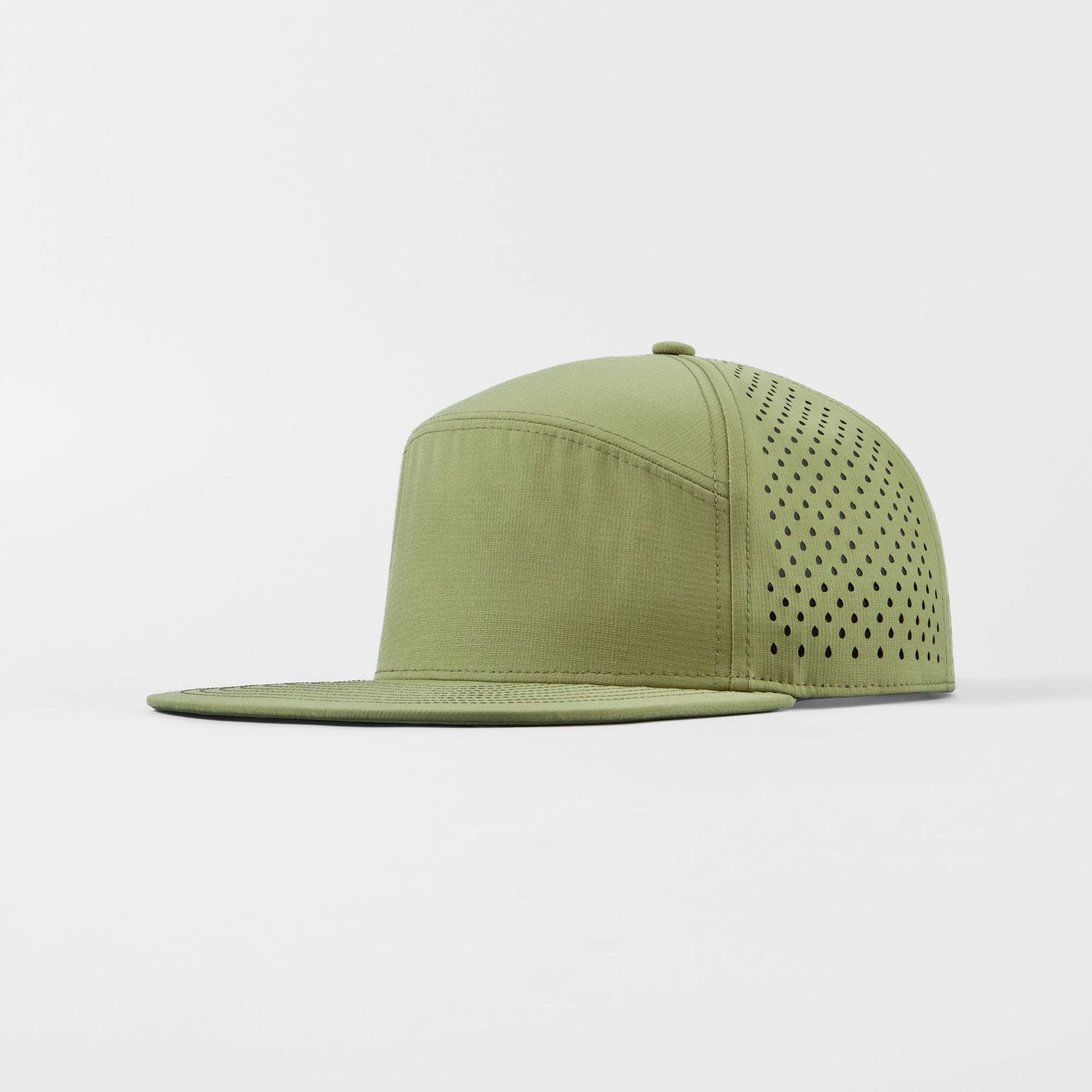
A snapback is an adjustable cap with two plastic straps at the rear. One strap has projecting pins and the other has a row of matching holes. The wearer joins them at the preferred position. This closure commonly appears on structured baseball caps, flat-visor streetwear caps, and mesh-back trucker hats, but it is not limited to one silhouette.
The word “snapback” refers primarily to the closure. It does not guarantee a particular crown height, panel count, visor shape, material, or fit. Two snapbacks can use similar rear straps and still feel very different because their crowns and sweatbands were developed from different blocks.
This distinction matters when requesting quotes. A supplier needs more than the word snapback to understand the intended product. The broader custom hats collection shows the different hat structures that can be developed with adjustable closures.
Why Brands Choose Custom Snapback Hats
An adjustable closure can simplify a product program compared with stocking several fitted sizes. It also gives the back of the hat a familiar visual detail and leaves room for rear embroidery, labels, contrast straps, or branded snap colors when the design permits.
Snapbacks are worth considering when a program needs:
- an adjustable fit within the range established by the chosen hat pattern;
- a structured streetwear, sport, workwear, or merchandise silhouette;
- a flat, slightly curved, or pre-curved visor option;
- multiple crown materials or color-block combinations;
- a closure component that can coordinate with the hat color;
- a single adjustable style instead of several fitted-size SKUs.
However, “one size fits all” should not be treated as a technical guarantee. The usable range varies with the hat block, rear opening, strap length, sweatband construction, fabric behavior, and wearer preference. A buyer should approve actual measurements and fit samples rather than relying on a generic label.
Build the Fit Around a Target Customer
Good development starts with the intended wearer. A youth program, a standard adult merchandise line, and a large-fit workwear range may need different crown patterns even if all three use snap closures.
Define the following before sampling:
- Target fit: youth, standard adult, larger fit, or another project-specific range.
- Crown depth: shallow, mid-depth, or deeper, based on how far the crown should sit over the head.
- Front profile: low and relaxed, balanced and structured, or high and prominent.
- Rear opening: its height and shape affect both comfort and the appearance of the back panels.
- Sweatband: width, structure, stretch and seam placement influence the internal circumference.
- Wearing preference: fitted close to the head, worn higher, or styled with more crown volume.
Measure the completed sample at agreed reference points and record which snap positions were used during fit evaluation. The first and last possible closure positions are not necessarily the most comfortable settings, so the practical fit range should come from wear tests rather than the number of holes alone.
Choose the Crown Structure and Panel Layout
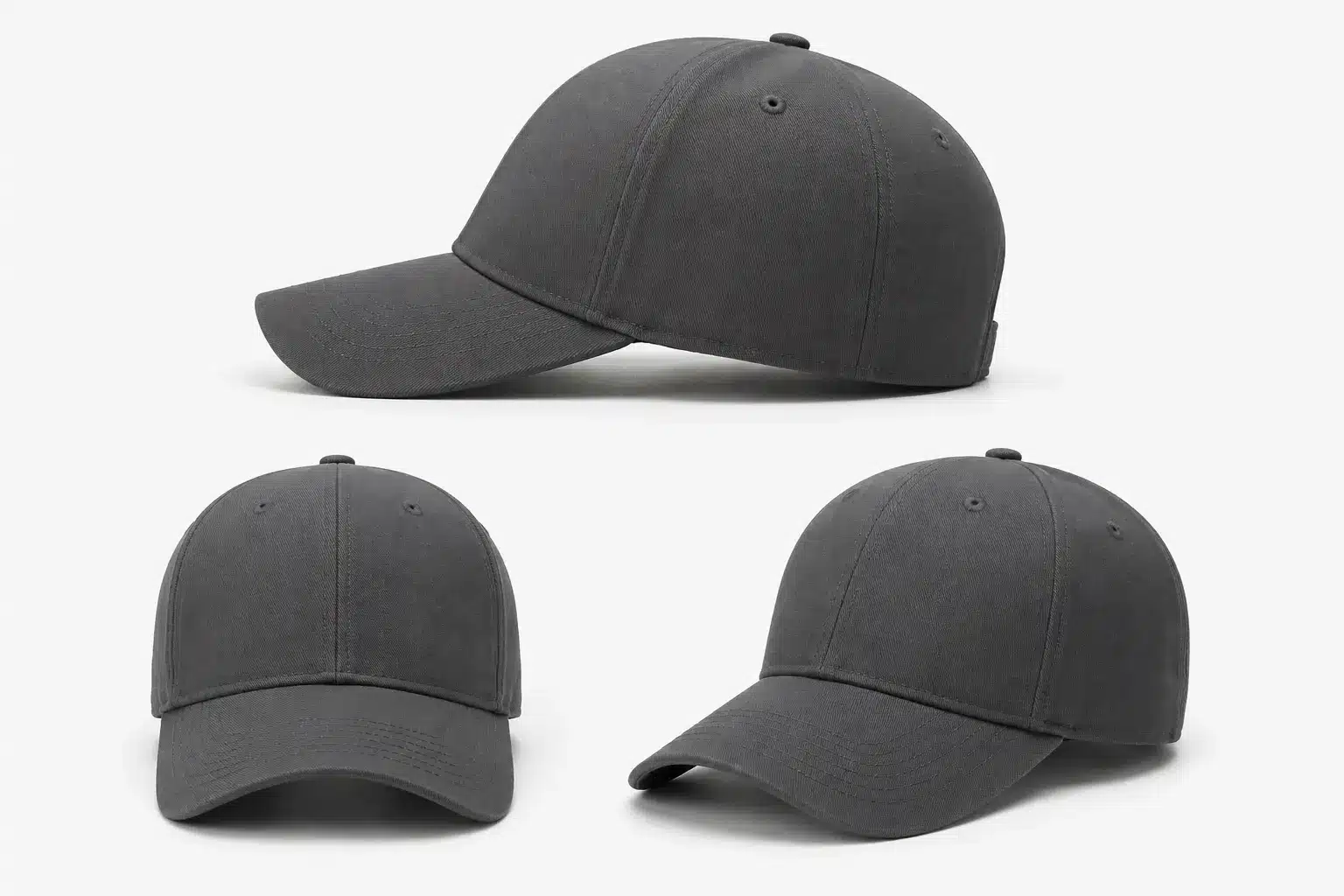
Structured snapbacks use support behind the front panels to maintain a defined face for the logo. This works well for bold embroidery, patches, and a higher streetwear profile. Unstructured versions feel softer and more relaxed, but the front can change shape more visibly when worn.
Panel count also changes the decoration area. A six-panel cap normally has a center seam running through the front. A five-panel or seam-free front construction can create a more continuous logo field. Neither is universally better; the right choice depends on the artwork, fit block, crown profile, and desired style.
For a detailed comparison of crown support, see structured vs unstructured hats. When reviewing a snapback sample, look beyond stiffness. Check whether the front panels meet evenly, whether the crown leans or twists, and whether the support creates an uncomfortable hard edge inside the hat.
Decide Between a Flat and Curved Visor
A flat visor is strongly associated with the classic snapback look, but a snap closure can also be used with a curved or pre-curved visor. The choice affects the visual balance of the crown, how the cap frames the face, and how the product fits the brand’s styling.
A flat visor can make a structured crown feel more architectural and gives the wearer the option to shape it later. A curved visor creates a more familiar athletic or everyday profile. Some brands choose a moderate curve that keeps the snapback identity without producing an extremely flat presentation.
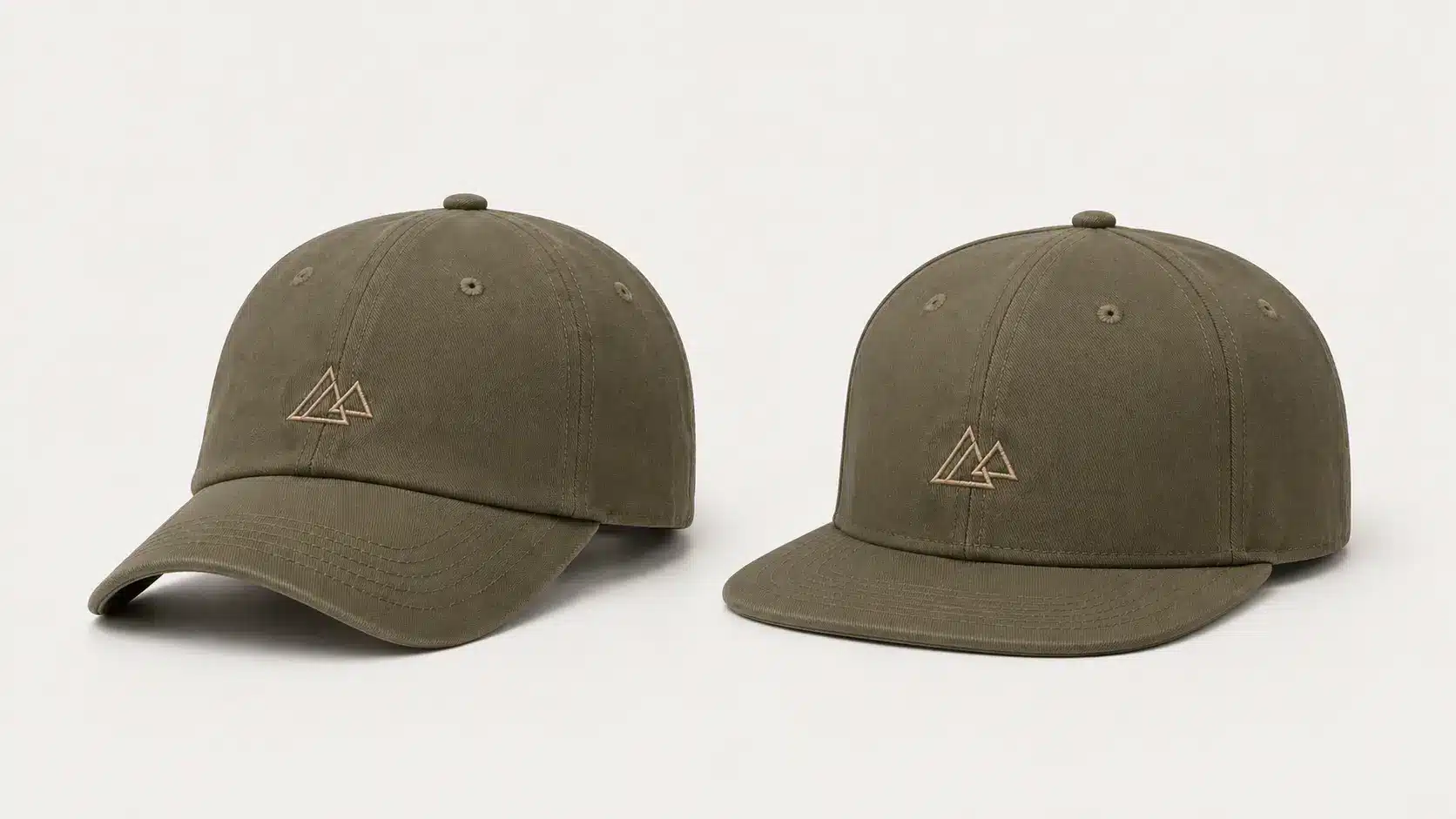
During sampling, compare the top view and side profile. Confirm visor width, length, curve, rows of stitching, edge shape, underside material, and the transition where the visor joins the crown. Avoid specifying a visor only as “flat” or “curved” when the exact profile matters to the design.
Specify the Snap Closure Instead of Assuming It
Plastic snap sets vary in strap length, hole count, pin geometry, thickness, flexibility, color, surface finish, and the way they are sewn into the back panels. These details influence usability and appearance.
Include the following in the specification or approved sample:
- strap and snap color;
- matte, gloss, translucent, or another approved finish;
- number and arrangement of adjustment positions;
- strap length and exposed length at the approved fit position;
- attachment alignment at both rear panels;
- acceptable engagement and release feel;
- rear opening shape and clearance around the closure.
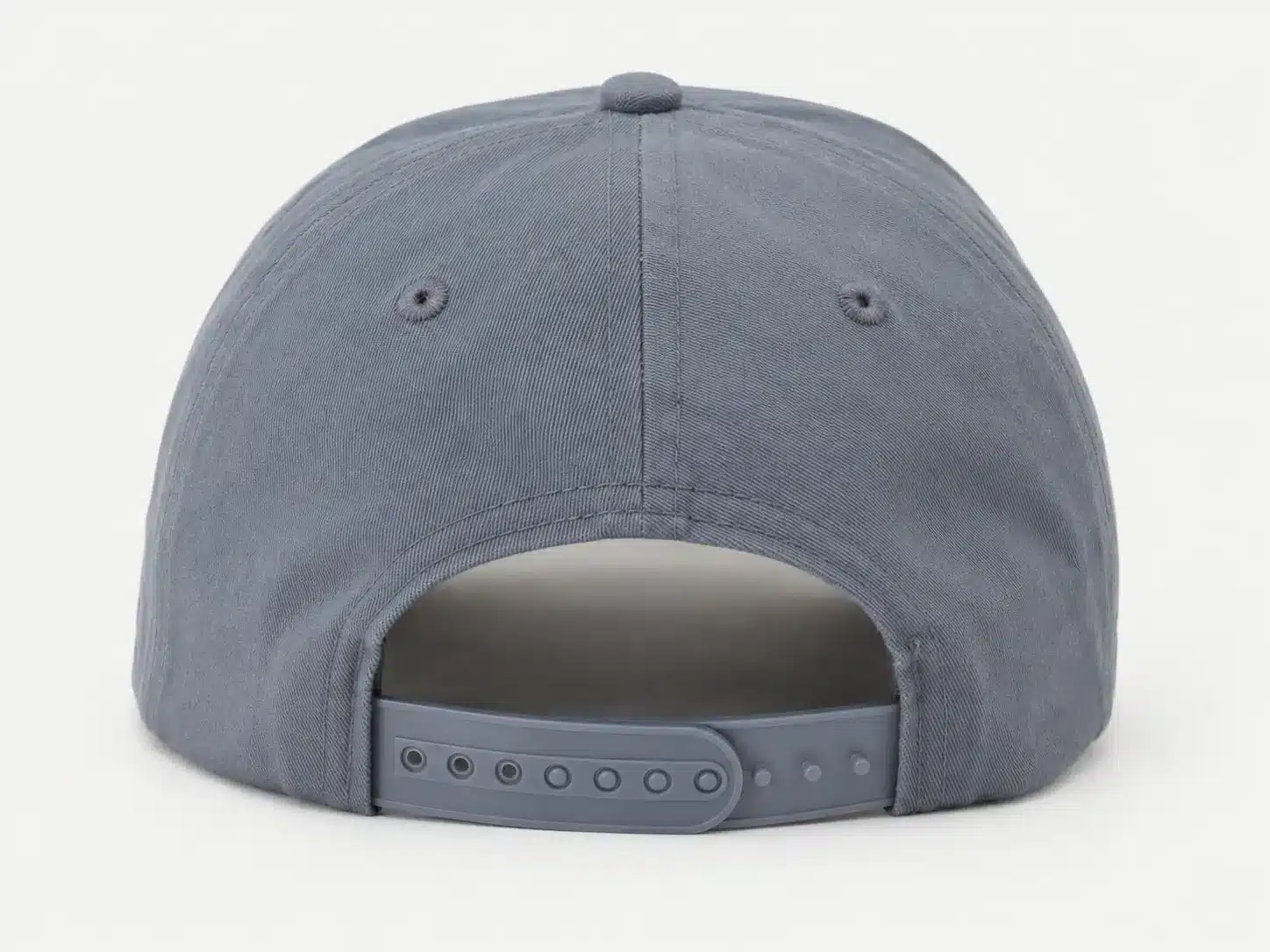
A closure should engage securely for the intended use without being unnecessarily difficult to adjust. There is no single pull-force value, plastic formulation, or temperature claim that should be copied into every project. If the product requires a specific performance test, define the use case and agree on a suitable method with the supplier. For other closure options, refer to the hat closure types guide.
Plan Decoration Around the Snapback Structure
The front crown is usually the primary branding area, but the correct decoration method depends on panel seams and support. Direct embroidery may need artwork adjustments where a six-panel center seam crosses the logo. A woven, embroidered, leather-style, chenille, or PVC patch can create a separate visual layer, but its size and flexibility must match the crown curve.
Side embroidery competes with eyelets or mesh panels, while rear decoration must leave enough space around the opening and closure. Interior branding can include printed or woven labels, seam tape, and sweatband details without crowding the exterior design.
Review the available customization options after the crown and fit are chosen. This order prevents a logo treatment from forcing unwanted changes to the hat block later in development.
What to Check on a Physical Snapback Sample
A technical drawing can communicate dimensions and construction, but the physical sample shows whether those decisions work together. Evaluate the hat on more than one relevant wearer or head form when the program serves a broad customer group.
- Fit: Check crown depth, pressure around the sweatband, practical adjustment positions, and how the rear opening sits.
- Symmetry: View the front, top, side, rear and three-quarter angles. Look for twisting, uneven panels, an off-center visor or an unbalanced opening.
- Closure: Engage and release the snaps repeatedly during normal use. Confirm alignment and inspect where each strap enters the panel seam.
- Visor: Compare the approved width, length and curve. Check whether the visor returns to the intended profile after ordinary handling.
- Decoration: Confirm size, placement, legibility, color and interaction with front seams or crown support.
- Interior: Inspect the sweatband, seam tape, labels, loose threads and any rough points that contact the head.
- Packaging: Review how the crown and visor are supported in the chosen pack-out rather than assuming all shipping deformation comes from the hat construction.
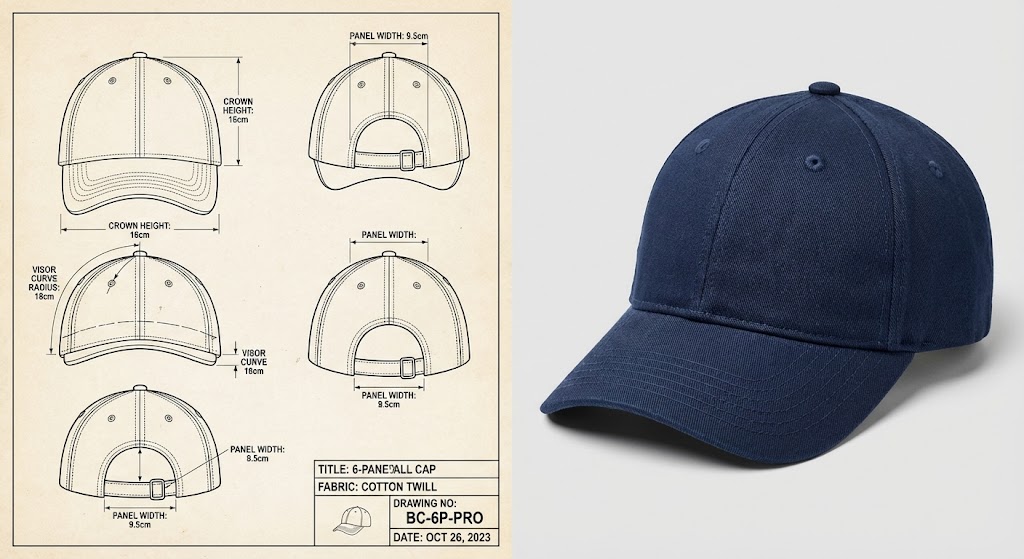
Record approved measurements and photographs instead of relying on phrases such as “standard fit” or “same as last time.” The custom hat development process explains how a project moves from brief and specification through sampling and production.
How to Write a Clear Snapback RFQ
A complete request for quotation should include:
- target wearer and desired fit profile;
- five-panel, six-panel, trucker, or another crown construction;
- structured or unstructured front;
- crown and visor materials, colors and finishes;
- flat, curved, or project-specific visor profile;
- snap color, finish and rear opening preference;
- artwork, decoration method, size and placement;
- interior labels, sweatband and seam-tape requirements;
- quantity by color or variation;
- sample, packaging and delivery expectations.
This information allows the supplier to quote the intended product and identify conflicts before sampling. It also makes quotations easier to compare because they are based on the same construction.
Frequently Asked Questions
Are all snapback hats the same size?
No. The adjustable closure provides a range, but the actual fit also depends on the crown block, sweatband, rear opening and strap dimensions. Approve a physical sample for the intended customer rather than assuming every snapback uses the same fit.
Does a snapback have to use a flat visor?
No. Flat visors are common, but snap closures can also be paired with curved or pre-curved visors. Choose the visor profile that fits the crown and brand style.
Can snapback colors be customized?
Hat fabrics, visors, under-visors and plastic closures can often be coordinated or contrasted. Available color matching and minimums depend on the material and component source, so confirm options during the quotation stage.
Can one snapback pattern serve youth and adult customers?
Not necessarily. A closure adjustment cannot correct every difference in crown depth and head shape. Programs serving clearly different groups may need separate blocks or sizes even when both use snap closures.
What should remain consistent on a reorder?
Retain the approved construction specification, measurements, materials, closure reference, decoration files, color standards, photographs and physical sample. Confirm any material or component change before production because even a small substitution can alter fit or appearance.
Develop the Whole Snapback, Not Just the Closure
Custom snapback hats work best when fit, crown, visor, closure and decoration are developed as one product. The plastic snaps provide useful adjustability, but the approved sample—not a generic hole count or universal measurement—should define the program.
If you are planning a full custom snapback, send the target fit, hat style, artwork, quantity and intended use through our project inquiry form. We can review the construction and decoration together before sampling.