Low-quality hats ruin your brand reputation and waste your marketing budget. Bad fits lead to high return rates and unhappy customers. I will show you how to pick the best blanks.
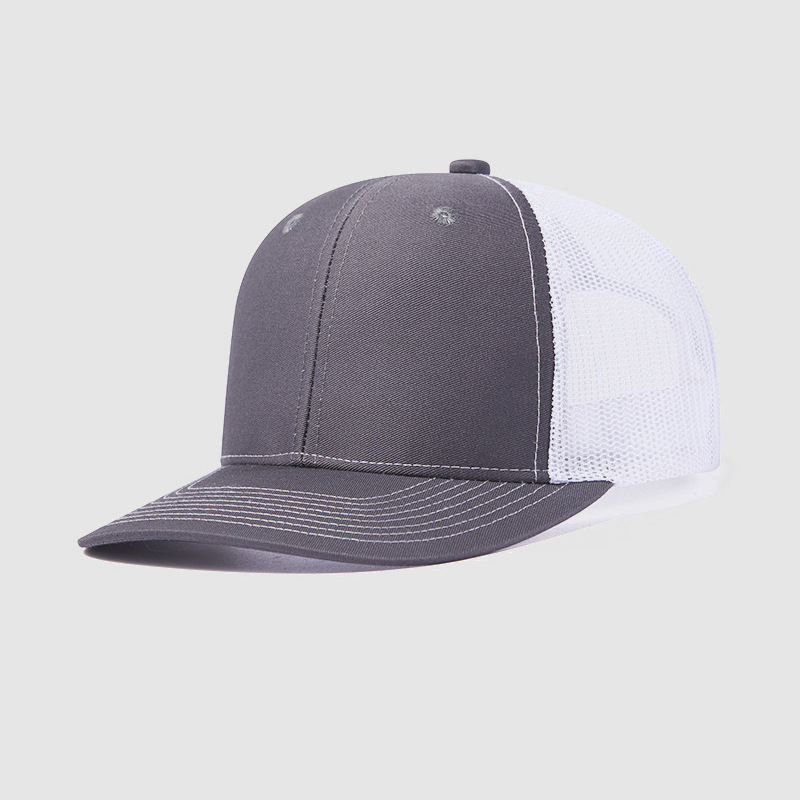
Sourcing the perfect trucker blank requires evaluating the crown profile, mesh density, and stitch count. Top industry benchmarks include a 5-panel construction, premium buckram support, and high GSM fabrics. These technical details ensure your wholesale trucker hats look premium and last a long time.
Choosing a vendor is hard because every factory claims they are the best. I want to help you cut through the noise. This guide breaks down the exact specs you need to look for when you buy in bulk.
Why Your Choice of Blank is the Foundation of Your Brand?
Bad headwear feels cheap and loses its shape after one week. Your customers will feel cheated, and they will not buy from you again. I help you avoid this mistake today.
The blank hat is the canvas for your logo. If the canvas is weak, the final product fails. High-quality blanks increase your profit margins because customers pay more for hats that fit well and feel sturdy.
I have spent years looking at thousands of hats. I see many brands fail because they think a hat is just a hat. But in the world of streetwear and high-end corporate merch, the blank is everything. If you are buying wholesale trucker hats for a major campaign, you are putting your brand name on that product. If the hat is flimsy, people will think your brand is flimsy too. I call this the “Foundation Principle.” Just like you cannot build a house on sand, you cannot build a viral brand on a weak blank. A premium blank makes your logo look better. It makes the colors pop. Most importantly, it makes the customer want to wear the hat every day.
When a hat becomes someone’s “favorite,” your brand gets free marketing for years. But if the hat is the “gas station” style, it goes in the trash. I want to move you away from that cliché. Modern trucker hats are fashion statements. They need to have a crisp shape. They need to feel heavy in the hand. They need to stand up on their own when you put them on a table. Technical benchmarking is the secret here. You cannot just look at a pretty picture online. You need to know the specs. You need to know why one hat costs five dollars and another costs ten. I will help you understand that the extra five dollars is an investment in your brand’s future. High-margin brands do not settle for “good enough.” They look for the gold standard because they know their customers can feel the difference.
The Impact of Headwear Quality on Perceived Value
I have noticed that B2B buyers often worry about the bottom line. But the “perceived value” is what actually drives sales. If a customer sees a hat that looks structured and professional, they are willing to pay a premium. This means your profit margins go up. Also, a high-quality blank reduces your return rate. I see many buyers get stuck with 5,000 units of a hat that nobody likes. That is a huge waste of money. By following technical benchmarks, you remove the guesswork. You can tell your clients exactly why these hats are better. You can talk about the fabric weight and the stitch count. This builds trust with your clients. It shows that you are an expert who cares about quality.
| Metric | Promotional Grade | Retail/Premium Grade |
| Crown Support | Thin paper or plastic | Heavy-duty fused buckram |
| Mesh Quality | Hard, scratchy polyester | Soft-touch nylon or tight-weave poly |
| Longevity | Fades in 1-2 months | Lasts 1-2 years of daily wear |
| Branding Potential | Simple screen print only | 3D embroidery, leather patches, DTF |
Then there is the “viral” factor. On social media, hats need to look “crisp.” If the crown is sagging in a photo, the hat looks cheap. But if the crown is sharp and the brim is perfectly curved, the hat looks like a designer piece. This is how brands go viral. They create a product that people are proud to show off. I have seen small brands grow into multi-million dollar companies just by picking the right blank. They understood that the hat is a lifestyle staple, not just a giveaway. I will teach you how to spot these high-end features so you can scale your business with confidence.
What Is the Technical Breakdown of a High-End Trucker Hat?
Inconsistent hat shapes make your brand look amateur and disorganized. If one hat is tall and the next is short, your bulk order is a mess. I show you how to fix this.
A high-end trucker hat features a structured crown with a specific “pinch” at the top. It uses heavy buckram for stability and soft-touch mesh for comfort. These technical parts ensure the hat stays upright and looks professional.
The Crown: Structure, Profile, and “The Pinch”
I always start with the crown because it is the most visible part. The crown determines the “profile” of the hat. You usually have two choices: high-profile or mid-profile. High-profile hats have that classic, tall trucker look. They are very popular in the streetwear scene right now. Mid-profile hats are a bit more subtle and fit a wider range of head shapes. For custom headwear options, the choice of profile is huge. I find that high-profile hats offer a bigger “canvas” for your logo. But you must ensure the crown has a “pinch.” This is the sharp angle where the front panels meet at the top. A clean pinch shows that the factory used a high-quality mold. If the top of the hat looks rounded and soft, it will lose its shape quickly.
Behind the front panels, you need buckram. This is a stiff fabric that is “fused” to the outer material. I recommend looking for heavy-duty buckram. This is the “skeleton” of the hat. If the buckram is thin, the hat will collapse when you take it off. This looks bad and makes the hat feel cheap. Also, check the seams inside the crown. They should be covered with soft tape so they do not rub against the wearer’s head. I have seen hats where the buckram is so sharp it actually cuts into the fabric over time. This is a major pain point for buyers. You want a crown that is firm but not brittle. It should “snap back” if you press it down. This structural integrity is what allows the hat to keep its “retail look” even after months of use.
The Mesh: Breathability vs. Durability
The mesh is the other half of the story. I see many people buy hats with scratchy, hard mesh. This is a mistake. Premium hats use “soft-touch” nylon or a very high-quality polyester. The holes in the mesh should be consistent and clean. If you see “burrs” or rough edges in the mesh, it means the factory is using old machinery. This scratchiness is a big complaint from end-users. I look for mesh that feels like a textile, not like plastic. It should be flexible but strong. If the mesh is too thin, it will snag and rip. If it is too thick, it won’t breathe well. The benchmark is a medium-weight mesh that balances these two needs.
| Profile Type | Crown Height | Target Audience |
| High Profile | 3.75″ – 4.25″ | Streetwear, bold branding, retro styles |
| Mid Profile | 3.25″ – 3.50″ | General retail, corporate, sports brands |
| Low Profile | 2.50″ – 3.00″ | Minimalist fashion, dad-hat style truckers |
I also look at the color consistency of the mesh. In cheap hats, the mesh color often looks slightly different from the front panel. This happens because they are made from different materials. But a high-end factory will dye the mesh to match the front panel perfectly. This “monochrome” look is very popular right now and looks much more expensive. Then there is the “sunlight factor.” Cheap mesh will turn yellow or brittle in the sun. I always ask for UV-stabilized mesh. This ensures the hat stays bright and strong even if the wearer is outside all day. When you are buying for a B2B client, these details help you justify a higher price. You are selling a product that is built to last.
How Does Material Science Define a Premium Trucker Blank?
Buying hats that shrink or fade in the sun is a waste of money. Your customers will be mad when their favorite hat turns brown after a month. I help you pick the right materials.
Premium trucker hats use high GSM cotton twill for the front panels and rPET or nylon for the mesh. These materials offer better color fastness, sweat absorption, and a luxury hand-feel. Understanding fabric weight is the key to quality.
GSM Benchmarks for Front Panels
I use a metric called GSM, which stands for Grams per Square Meter. This tells you how heavy the fabric is. For a premium trucker hat, you want the front panels to be at least 250 to 280 GSM. If the GSM is too low, the fabric will look thin and wavy. It will not hold a heavy embroidery logo well. I have seen many 3D puff logos fail because the fabric was too light to support the weight of the thread. Also, high-GSM cotton twill has a much better “hand-feel.” When a customer touches the hat, they should feel a thick, soft texture. This immediately signals quality. As a high-quality manufacturer, we always emphasize that the material is the first thing a buyer notices.
Cotton twill is the industry standard, but you must check the “weave.” A tight weave is better for printing and embroidery. If the weave is loose, your logo will look pixelated or blurry. I also look at “color fastness.” This is a technical term for how well the fabric keeps its color. If you are selling dark colors like black or navy, this is critical. Cheap dyes will bleed when the wearer sweats. A premium blank uses high-grade reactive dyes. These stay locked in the fibers. I always ask for a “grade 4” color fastness report. This means the hat will not turn grey after a few weeks in the sun. For B2B buyers, this is a huge safety net. It means your clients won’t be calling you with complaints about fading.
Comparing Cotton Twill and Foam Fronts
Then we have the “Foam vs. Twill” debate. Foam front truckers have a very specific, retro look. They are lightweight and very comfortable. But cheap foam is a disaster. It is thin and holds heat, making the wearer’s head sweaty. I look for high-density foam that is at least 3mm to 5mm thick. This provides a smooth, flat surface that is perfect for screen printing. Plus, high-density foam doesn’t “crinkle” like cheap foam. It stays smooth even after shipping. On the other hand, cotton twill is more traditional and durable. It handles embroidery much better than foam. I find that streetwear brands prefer twill, while event and promotional brands love foam for the lower price point and bold colors.
| Material | Hand-Feel | Best Decoration | Durability |
| Cotton Twill | Heavy, textured | 3D Embroidery, Patches | Very High |
| Polyester Foam | Soft, light | Screen Print, Heat Transfer | Medium |
| Recycled rPET | Smooth, crisp | Embroidery, DTF | High |
| Nylon Blend | Silky, flexible | Minimalist embroidery | High |
I also see a huge rise in sustainable materials. Many big companies now require recycled materials for their merch. This is where rPET comes in. It is made from recycled plastic bottles. The benchmark here is the “Global Recycled Standard” (GRS). I look for rPET that feels just like virgin polyester. In the past, recycled fabric was scratchy. But now, it can be very soft. If you are selling to an eco-conscious brand, this is a massive selling point. You can charge a premium because the hat helps the environment. I find that being able to offer sustainable options makes a B2B buyer look very professional to their own clients. It shows you are ahead of the trends and care about the future.
Why Are the Brim Curvature and Construction So Critical?
A flat brim that won’t stay flat, or a curved brim that snaps, makes your product look broken. Shipping can often ruin the shape of a brim before it even reaches your customer. I show you how to prevent this.
The best brims use “Permacurve” technology or high-memory plastic inserts. These materials allow the brim to keep its shape regardless of how many times it is bent. A premium brim should have at least 8 rows of stitching for maximum durability.
Plastic Inserts and Shape Memory
I always tell people that the brim is the “engine” of the hat’s style. If the brim is weak, the whole hat looks bad. Most cheap hats use a cardboard insert. This is a disaster. If it gets wet, it warps and loses its shape. I only recommend hats with plastic inserts. Specifically, you want high-density polyethylene (HDPE). This material has “shape memory.” You can bend it, and it will slowly return to its original curve. This is often called “Permacurve” technology. I find that this is a major selling point for B2B buyers. It means the hats won’t get ruined during shipping. Also, it means the end-user can adjust the curve to their liking without breaking the brim.
Check the number of stitching rows on the brim. The benchmark for a premium hat is 8 rows of stitching. I see cheap hats with 4 or 6 rows. This looks unfinished. More stitching rows make the brim stiffer and more durable. It also helps the fabric stay tight against the plastic insert. If the fabric is loose, it will create “bubbles.” This is a sign of a low-quality factory. I also look for the “thickness” of the brim. A thicker brim feels more expensive. It gives the hat a “heavy-duty” feel that customers love. I have seen people pick up a hat and immediately put it back because the brim felt thin like paper. Don’t let that be your brand.
Under-visor Aesthetics and Contrasts
The under-visor is the bottom part of the brim. Many people ignore it, but it is a great place to show off quality. I see a big trend in contrasting under-visors. For example, a black hat with a grey under-visor. This is called a “heritage” look. It reminds people of old-school baseball caps. I find that this small detail can increase the perceived value of a hat by several dollars. It makes the hat look custom-made rather than a generic blank. If you are doing bulk orders, you should ask about different under-visor colors. It is a simple way to make your brand stand out.
| Brim Style | Stitch Rows | Insert Material | Best Use |
| Classic Curved | 8 Rows | HDPE Plastic | Daily wear, sports |
| Flat Bill | 6-8 Rows | Rigid Plastic | Streetwear, snapback style |
| Short Brim | 4-6 Rows | Flexible Plastic | Fashion-forward, cycling style |
I also look for “clean edges.” The fabric should be wrapped tightly around the brim with no visible glue or loose threads. If the edge is lumpy, it means the factory is not using the right machines. A high-quality brim should be perfectly symmetrical. If one side is more curved than the other, the hat will sit crooked on the head. This is one of the biggest complaints from B2B buyers when they receive a large shipment. I always recommend testing a few hats from the middle of the box to make sure the brim quality is consistent. You want every customer to get a perfect brim, not just the ones who get the hats on the top of the box.
Are Stitching and Finishing Really Where the Devil Is in the Details?
Loose threads and crooked seams make your premium logo look like a cheap knock-off. If the inside of the hat looks messy, the customer will not trust the brand. I will help you spot these flaws.
High-quality stitching is measured by Stitches Per Inch (SPI). A benchmark of 10-12 SPI ensures durability and a clean look. Internal taping should be smooth and branded, and the sweatband must be multi-layered for comfort and moisture control.
Stitch Density and SPI Benchmarks
I have a simple rule: if you want to find a good factory, look at the inside of the hat. The stitching tells the whole story. I look for “Stitches Per Inch” (SPI). A premium hat should have 10 to 12 SPI. Cheap hats usually have 6 to 8. A lower stitch count means the seams are weak. They will pull apart over time. Plus, a high SPI makes the hat look much cleaner. The lines are straighter and there are fewer gaps. I also look for “overlock” stitching on the internal seams. This prevents the fabric from fraying. If you see raw fabric edges inside the hat, it is a bad sign. It means the factory is cutting corners to save time.
Then there is the “Apex” where all the panels meet at the top. This is the hardest part to sew correctly. In a high-end blank, the panels will meet perfectly at a single point. If the panels are offset or crooked, the hat will look asymmetrical. I also check for “thread nesting.” This is those little clumps of extra thread you see at the end of a seam. A premium factory will trim these off and use back-stitching to lock the seam. This ensures the hat doesn’t start unraveling after a few weeks. I find that B2B buyers who demand high SPI have much higher customer satisfaction rates. The hat just feels “solid.” It doesn’t rattle or feel like it is going to fall apart when you stretch it.
Sweatband Construction and Comfort
The sweatband is the most important part of the hat for the wearer. It is the only part that touches their skin for hours. I see many cheap hats with a single layer of thin cotton. This is terrible. It doesn’t absorb sweat and it gets itchy. I look for multi-layer sweatbands. These usually have a foam core for comfort and a moisture-wicking outer layer. This keeps the wearer’s forehead cool and dry. I also look for “branded taping” on the inside. This is the tape that covers the seams. If the tape has your logo or the manufacturer’s logo on it, the hat feels much more professional. It shows that you care about the details that most people don’t even see.
| Finishing Part | Standard Grade | Premium Benchmark |
| Stitches Per Inch | 6-8 SPI | 10-12 SPI |
| Internal Taping | Generic, plain | Branded, soft-texture |
| Sweatband | Single-layer cotton | Multi-layer wicking foam |
| Panel Alignment | Often crooked | Perfectly centered at apex |
I also check how the sweatband is attached. It should be sewn with a “blind stitch” so you can’t see the thread on the outside of the hat. This makes the front of the hat look clean and smooth. If you see a row of stitches across the bottom of the crown, it looks like a cheap promotional hat. I always tell my clients that the sweatband is where you win the customer’s heart. If the hat is comfortable, they will wear it forever. If it is scratchy or hot, they will throw it away. As an expert, I prioritize comfort as much as style. A great trucker hat should feel like it was custom-made for your head.
How Do Sizing and Enclosures Impact Your Perceived Brand Value?
A snapback that pops open or a strap that breaks makes your hat unusable. If your “one size fits all” hat doesn’t fit most people, you will get constant complaints. I will solve your sizing worries.
The industry standard for trucker hats is the 7-hole plastic snapback. Premium versions use high-density polyethylene that is flexible but strong. For a luxury feel, leather straps with metal buckles are the benchmark for high-end retail.
Snapback Quality and Material
I find that many people think all snapbacks are the same. This is not true. I look for snapbacks made of high-density polyethylene (HDPE). This material is very durable and flexible. Cheap snapbacks are made of hard plastic that gets brittle in the cold. I have seen them crack right in half when someone tries to adjust them. A premium snapback should have a “soft click.” It should feel secure but be easy to open. I also look for the “double row” snapback. This has two rows of pegs instead of one. It is much stronger and gives the hat a “rugged” look. This is very popular with workwear and outdoor brands.
Consistency is another huge issue. I have seen bulk orders where the snapbacks are different colors or different sizes. This is a sign of poor quality control. A premium blank will have a snapback that matches the hat’s color perfectly. Also, the holes should be clean. If there is extra plastic “flash” around the holes, it means the molds are old. This makes the snapback hard to use. I always tell my B2B clients to test every snap on the sample hat. If it feels cheap, the whole hat will feel cheap. The closure is the last thing the customer touches before they put the hat on. It needs to feel high-quality.
Alternative Closures and Sizing Consistency
While the snapback is the classic choice, I see more brands moving to leather straps or metal buckles. A leather strap with a brass buckle adds a lot of “heritage” value to a hat. It moves the product from “merch” to “fashion.” I find that you can often charge $10 more for a hat just by changing the closure. It is a very high-ROI upgrade. For B2B buyers, offering these options makes you look like a high-end consultant. You are helping them build a premium brand, not just selling them a commodity. I also look for “tuck-away” straps. This is where the extra strap hides inside the sweatband. It makes the back of the hat look very clean.
| Closure Type | Material | Vibe |
| Plastic Snapback | HDPE Plastic | Classic, Sporty, Retro |
| Leather Strap | Genuine Leather | Luxury, Heritage, Premium |
| Fabric Strap | Cotton Twill + Metal Buckle | Modern, Clean, Minimalist |
| Velcro | Nylon Hook & Loop | Functional, Tactical, Kids |
Sizing is the biggest pain point for “One Size Fits Most” hats. I have found that cheap factories use a “small” mold to save on fabric. This means the hat doesn’t actually fit people with larger heads. A premium blank uses a “true-to-size” mold. I look for a circumference of 58cm as the baseline. It should be able to adjust up to 62cm. If the hat is too small, it will sit “high” on the head and look silly. I always recommend that buyers try the hat on different people in their office. If it doesn’t fit everyone, it is not a good blank. Sizing consistency across a bulk order of 5,000 units is only possible if the factory uses automated cutting and assembly. This is what you are paying for when you choose a top-tier supplier.
What Are the Real Benchmarks for Sourcing at Scale?
Long lead times and low quality control can kill a product launch. If your shipment is late or 20% of the hats are defective, you lose money and trust. I will show you how to manage the risk.
The benchmark for quality control in headwear is the 2.5 AQL standard. Buyers should balance Minimum Order Quantities (MOQs) with lead times, usually aiming for 3-4 week turnarounds for domestic or 8-10 weeks for overseas bulk production.
MOQs and Lead Times Management
I have seen many brands fail because they didn’t understand the logistics of sourcing. When you are buying at scale, you need to think about MOQs. Most high-quality factories will want an MOQ of at least 300 to 500 units per color. If someone offers you an MOQ of 10, they are likely a middleman. This means you will pay a higher price and have less control over the quality. I always recommend going direct to a factory if you can. It takes more work up front, but the profit margins are much better. Plus, you can customize the technical specs we have discussed. You can choose your own fabric weight, stitch count, and closure style.
Lead times are another critical factor. Overseas production usually takes 8 to 12 weeks. This includes 4 weeks for production and 4 to 6 weeks for shipping. If you are in a rush, you can pay for air freight, but it is very expensive. I always tell my clients to plan their seasonal launches 6 months in advance. This gives you time for samples and any unexpected delays. I have seen many buyers lose out on holiday sales because their shipment was stuck at the port. By planning ahead, you reduce your stress and ensure you always have inventory. A good sourcing partner will be honest about lead times. If they promise a custom hat in 2 weeks, they are probably lying.
Quality Control and AQL 2.5 Standards
The gold standard for quality control is AQL 2.5 (Acceptable Quality Level). This is a statistical method for inspecting a bulk order. It means that the inspector will check a random sample of the hats. If the number of defects is below a certain level, the whole order is accepted. I find that many B2B buyers don’t even know what AQL means. But a professional factory will always use it. You should ask for a QC report before the hats leave the factory. This report should check the stitching, the colors, the sizing, and the packaging. If the factory refuses to give you a report, that is a red flag.
| Test Category | Technical Standard | Why It Matters |
| Color Fastness | Grade 4 (Grey Scale) | Prevents fading and bleeding |
| Stitch Strength | 10+ lbs pull test | Ensures seams don’t rip |
| Salt Spray Test | 24-hour exposure | Prevents metal buckles from rusting |
| Dimensional Stability | Max 2% shrinkage | Ensures the hat fits after getting wet |
I also recommend “stress tests.” For example, a salt-water test. If your customers live near the beach or sweat a lot, you need to know the metal parts won’t rust. You also need to know the dye won’t bleed onto their skin. These are the things that build a brand’s reputation over time. You want to be known for hats that last for years. I have seen brands get destroyed by one bad batch of hats that fell apart after a week. By insisting on AQL 2.5 and stress testing, you protect your investment and your brand’s future. It is better to spend a little more on QC now than to spend thousands on returns and refunds later.
Why Should You Care About the Decorator’s Perspective?
A beautiful hat is useless if your logo won’t fit on it or if the embroidery looks messy. Some blanks are nearly impossible to decorate correctly because of thick seams or poor foam quality. I help you choose the most “decorator-friendly” hats.
The best blanks have a “decoration zone” that is free of thick seams and uneven padding. For 3D puff embroidery, you need a stable front panel with consistent foam density. Heat-press compatibility depends on the fabric’s ability to withstand high temperatures without scorching.
The “Decoration Zone” and Seam Placement
I always tell my clients to think about the logo before they buy the blank. Every hat has a “decoration zone.” This is the flat area on the front panel. In some hats, this zone is small because the brim is too high or the center seam is too thick. A premium blank is designed to maximize this area. For example, a 5-panel trucker removes the center seam entirely. This is the perfect canvas for a large, detailed logo. If you are using a 6-panel hat, you must ensure the center seam is flat. If it is lumpy, the embroidery needle will skip or break. This leads to a messy logo and wasted hats.
Also, check the “clearance” from the brim. There should be at least a 1/2 inch gap between the bottom of the logo and the top of the brim. If the logo is too close to the brim, it is very hard for the embroidery machine to reach. I have seen many decorators refuse to work on certain blanks because they are “too difficult.” This costs you time and money. A good blank is designed to be easy to decorate. It has a soft buckram in the center and a consistent crown shape. This allows the decorator to move quickly and produce high-quality work. If you want a 3D puff logo, this is even more important. You need a firm foundation so the 3D foam doesn’t shift during the sewing process.
Heat Press and DTF Compatibility
Modern branding is moving beyond just embroidery. Many brands now use leather patches, woven labels, or DTF (Direct to Film) transfers. These all require a heat press. I find that many cheap blanks cannot handle the heat. The polyester mesh will melt or “shine” if it gets too hot. I look for blanks that are rated for heat press. This usually means the fabric is treated to resist high temperatures. Also, the buckram inside the crown should be heat-stable. If it melts, the front of the hat will become wavy and ruined.
| Decoration Method | Requirement | Why it Fails on Cheap Blanks |
| 3D Puff Embroidery | High-density buckram | Crown collapses under thread weight |
| Leather Patches | Flat, smooth surface | Lumpy seams make the patch peel off |
| DTF Transfers | Heat-resistant fabric | Mesh melts under the heat press |
| Screen Printing | Low-texture fabric | Ink looks “fuzzy” on loose weaves |
I always recommend that buyers send a sample to their decorator before placing a bulk order. Let them test the embroidery and the heat press. If they have trouble, you should look for a different blank. A “decorator-friendly” hat will save you a lot of headaches in the long run. It ensures that your final product looks exactly like your digital mockup. Plus, it keeps your spoilage rate low. Spoilage is the number of hats that get ruined during the branding process. In a bulk order, a 5% spoilage rate can cost you hundreds of dollars. By choosing the right blank, you can keep that number under 1%. This is how high-volume brands stay profitable.
Which Industry Leaders Are Currently Setting the Quality Bar?
It is hard to know what “good” looks like if you don’t have a benchmark to compare it to. Following the leaders helps you understand what the market expects from a premium brand. I will give you the gold standards.
The Richardson 112 and the Yupoong 6606 are the two most common benchmarks in the industry. They are known for consistent sizing, durable mesh, and excellent crown shapes. Comparing your source to these models helps you ensure you are getting a top-tier product.
The Richardson 112 vs. Yupoong 6606
I find that almost every B2B buyer has heard of the Richardson 112. It is the “king” of the trucker hat world. It has a mid-profile fit and a very specific “feel.” The mesh is firm but not scratchy, and the crown shape is incredibly consistent. I use the 112 as my primary benchmark. If a factory can match the quality of a 112, they are in the top 1% of manufacturers. The other leader is the Yupoong 6606. This is part of the “Flexfit” family. It has a slightly more “retro” look and is very popular with streetwear brands. It is a bit softer than the Richardson but still has great structural integrity.
What makes these hats the “gold standard”? It is not just the materials. It is the consistency. If you buy 1,000 Richardson 112s, every single one will be identical. The colors will match. The sizing will be perfect. The stitching will be clean. This is what a B2B buyer is really paying for: peace of mind. You know that when you open the boxes, there won’t be any surprises. When I analyze a new supplier, I always put their hat next to a 112 or a 6606. I compare the SPI, the buckram weight, and the snapback feel. If the new hat feels “cheaper,” I don’t buy it. You should do the same. Don’t settle for less than the industry leaders.
Why Benchmarking Saves You Money
You might think that buying these name-brand blanks is too expensive. And for some projects, it might be. But you should still use them as a technical benchmark. When you talk to a factory, don’t just say “I want a blue hat.” Say “I want a hat with the same crown profile as a Richardson 112 and the same mesh feel as a Yupoong 6606.” This shows the factory that you are an expert. They will know they can’t send you sub-par products. I find that using these benchmarks helps you negotiate better prices. You can point to specific features and ask why their hat is different.
| Model | Profile | Key Strength | Best For |
| Richardson 112 | Mid-Profile | Structure & Shape | Team Sports, Workwear |
| Yupoong 6606 | Mid-Profile | Retro Vibe, Soft Finish | Streetwear, Lifestyle |
| Flexfit 6511 | Low-Profile | Stretch Fit Comfort | Premium Retail, Golf |
By understanding these leaders, you can find “unbranded” blanks that offer the same quality for a lower price. This is where the real money is made. You get the quality of a $15 hat but only pay $6. This is the ultimate goal of technical sourcing. It allows you to build a high-margin brand without sacrificing quality. I have helped many small brands go from “cheap merch” to “premium fashion” just by switching to a better-benchmarked blank. It changes how the customer sees the brand. It changes how much they are willing to pay. And it changes the future of the company.
Conclusion
Sourcing the perfect trucker blank is about understanding the technical details like GSM, SPI, and crown structure. By following industry benchmarks, you ensure your brand stands out and your customers stay loyal.
Choose quality blanks to build a lasting brand.
Would you like me to help you draft a specific inquiry email to send to suppliers based on these technical benchmarks?