
Broncos vs Chiefs opened the 2026 Monday Night Football schedule and pushed football searches, team discussion, NFL scores, and NFL standings into the same short attention window. For a headwear buyer, the useful signal is not the score. It is the number of people seeing coaches, staff, players, and fans wearing different caps around one event.
Those hats do different jobs. A sideline cap may need light fabric and dependable fit during long hours outdoors. A coach cap needs a clean, consistent team presentation. A fan retail cap can carry more visual detail and may be chosen for style rather than heat management. Treating all three as one product usually produces a compromise.
Buyer takeaway: Start with the wearer, environment, artwork rights, sales channel, and event date. Choose the cap construction after those decisions, not before them.
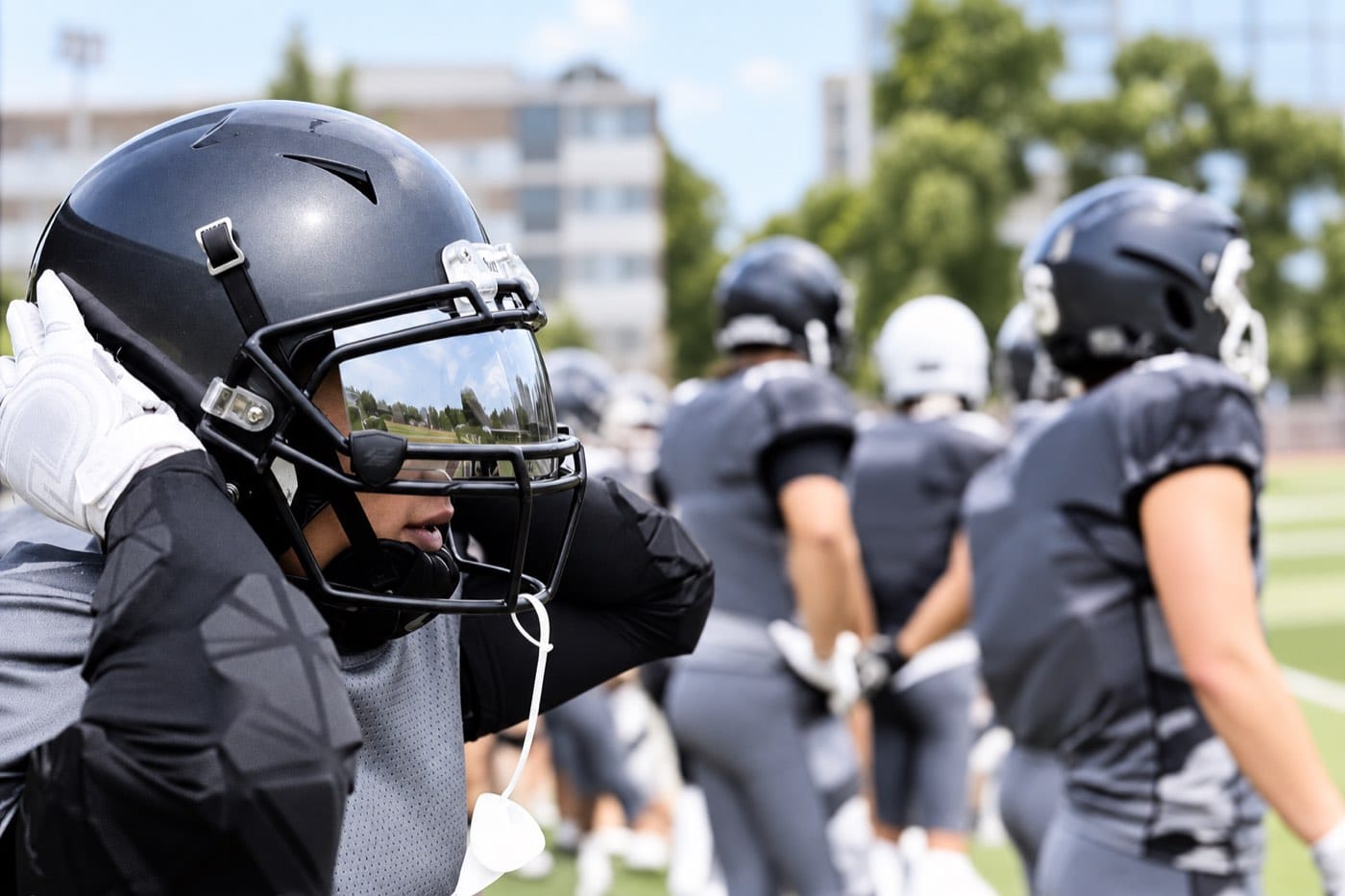
Why Football Attention Creates Several Headwear Needs
A high-interest matchup such as Broncos vs Chiefs brings more than two fan groups together. Broad NFL searches also attract casual viewers, fantasy players, local communities, sponsors, retailers, and people checking live information. Only a portion of that audience wants merchandise, so a buyer should not use search interest as a sales forecast.
It is more useful as a timing signal. When football conversation rises, organizations often need headwear for different purposes:
| Program role | Typical wearer | Main product priority | Common design direction |
|---|---|---|---|
| Sideline or coaching staff | Coaches, trainers, operations staff | Comfort, consistent fit, weather response | Performance cap with restrained front branding |
| Team operations | Event crew, volunteers, support staff | Role identification and dependable sizing | Clear color system with simple decoration |
| Fan retail | Supporters and collectors | Visual appeal, team story, repeat wear | Multiple silhouettes, patches, side details, color variants |
| Sponsor or partner program | Guests, clients, community participants | Broad fit and controlled decoration cost | Adjustable cap with one readable brand treatment |
| School or independent league | Players, families, coaches, local fans | Reorder consistency and clear approval ownership | Core team cap plus a separate retail version |
A sports merchandise company may need two or three of these products in one order. Separating them at the brief stage makes fabric, fit, decoration, and quantity decisions easier to approve.
Sideline Hats, Coach Hats, and Fan Caps Are Not the Same Product
Sideline performance hats
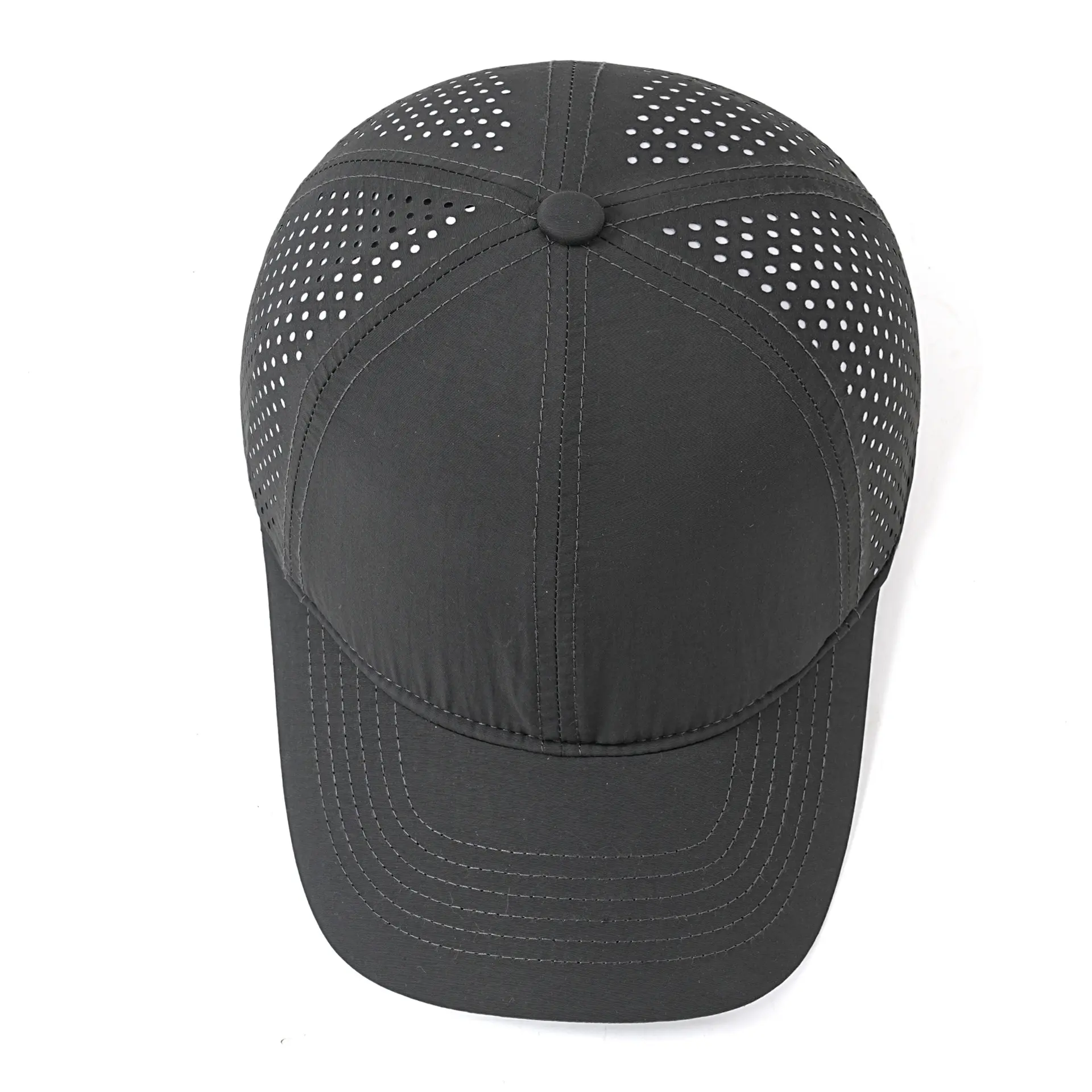
A football sideline can involve heat, direct sun, light rain, repeated movement, and long periods of wear. A sideline performance hat should therefore be evaluated as worn equipment. Lightweight woven fabric, a practical sweatband, controlled ventilation, and a closure that stays comfortable matter more than adding another decorative element.
Laser-cut perforations can increase open area without adding a contrasting mesh panel. Traditional eyelets may be enough for moderate use. Mesh sections offer more visible ventilation but create a different aesthetic and can affect where side decoration fits. See our custom performance hats page for construction directions that can be developed around the actual wearing environment.
Coach and staff caps
A coach cap often needs to look consistent across people with different head sizes and preferences. An adjustable or stretch-adjustable construction can simplify distribution, but fit still needs testing. Crown depth, front-panel structure, visor curve, closure position, and sweatband tension all change how the same nominal size feels.
Staff programs also benefit from restraint. One clear front mark and a controlled color scheme are usually easier to reproduce, identify, and reorder than a cap carrying large front, side, and rear decorations.
Fan retail caps
Retail merchandise has a different job. It can use a fitted, snapback, stretch-fit, or relaxed silhouette to reach different customers. It may also support historic color stories, alternate marks, patches, under-visor details, or limited-edition packaging. A buyer should still define a core style first; too many silhouettes can divide quantity and complicate stock planning.
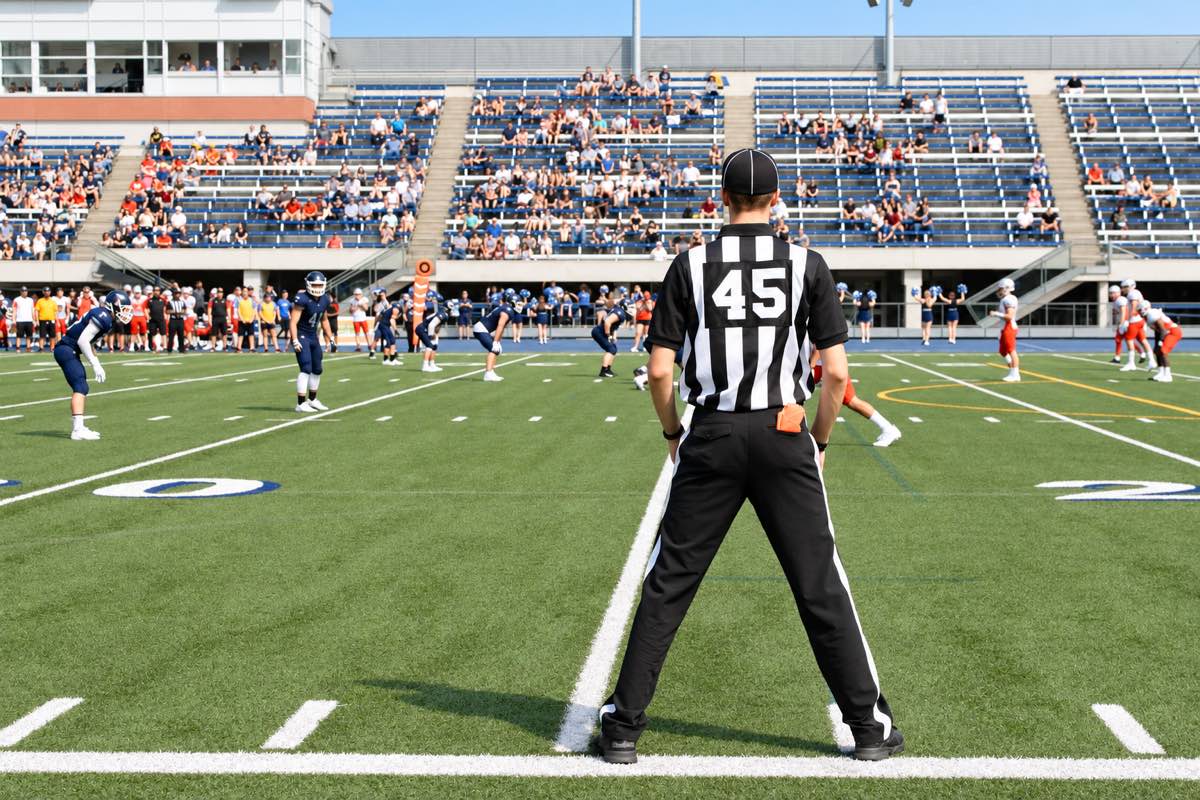
Choose the Hat Shape Around Use and Fit
There is no single correct football cap shape. The right choice depends on who wears it and what the program needs to achieve.
| Construction | Useful for | Buyer check |
|---|---|---|
| Structured six-panel | Clear front presentation and familiar team-cap appearance | Confirm crown height and front artwork scale together |
| Unstructured cap | Relaxed staff, alumni, or lifestyle programs | Test how the artwork sits when the cap is not on a head |
| Five-panel performance cap | Lightweight programs and low-profile branding | Check front seam layout, panel shape, and visor balance |
| Fitted or stretch fit | Premium retail or a close athletic fit | Plan size distribution and replacement stock |
| Adjustable snapback | Retail, supporter, and broad-size programs | Review closure color, rear embroidery space, and crown depth |
| Hook-and-loop or buckle | Staff programs needing quick adjustment or a cleaner rear look | Test comfort where the closure meets the sweatband |
If a traditional team-cap profile is the priority, review the construction choices on our custom baseball caps page. The same basic silhouette can change considerably through crown structure, visor shape, fabric, and closure.
Performance Fabric, Sweatband, and Ventilation Must Work Together
“Performance fabric” is not a complete specification. Buyers need to compare hand feel, stretch direction, weight, surface finish, color behavior, and how the material supports decoration. A very light crown may feel comfortable but show puckering around dense embroidery. A fabric with stretch may need a compatible stabilizer and sweatband construction.
The sweatband should be reviewed with the shell, not selected from a list in isolation. Its width, thickness, softness, stretch, seam placement, and moisture handling affect fit. For warm-weather use, a buyer may combine a lighter shell with laser-cut ventilation and a softer sweatband. For a colder event, the same open construction may be unnecessary.
Select Decoration by Fabric and Viewing Distance
Football headwear often needs a mark that reads from several feet away. That does not mean the decoration should be as large or dense as possible.
- Flat embroidery suits clean lettering and many team-style marks, provided the stitch plan matches the fabric.
- 3D embroidery adds height to selected shapes, but small gaps, fine outlines, and narrow lettering may not build cleanly.
- Woven patches can carry finer graphic detail with a controlled edge and relatively flat surface.
- Embroidered patches provide more thread texture and a classic team-merchandise appearance.
- Silicone or molded patches can support a modern performance direction, but weight, flexibility, edge thickness, and attachment method need sample review.
Dense embroidery on a thin performance panel can pull the fabric or change the way the front sits. A patch can distribute the visual area differently, but it is not automatically lighter. The artwork file, finished dimensions, border, backing, and attachment method all need to be defined. Our customization options page shows how decoration decisions connect with the rest of the cap.
What the 2026 New Era NFL Sidelines Collection Shows
New Era’s 2026 NFL Sidelines program is useful as a product-system case study. The official collection is not limited to one cap with 32 different team logos. It spans fitted, stretch-fit, snapback, stretch-snap, alternative snapback, and bucket silhouettes. Team colors, historic treatments, black or white variants, patches, and rear details change within a recognizable seasonal framework.
The lesson for an independent league, school supplier, or fanwear brand is the planning method, not the protected artwork. Build a common product architecture first:
- Choose the core silhouettes and define the role of each one.
- Set shared rules for fabric, fit, visor shape, decoration size, and label placement.
- Create controlled color and artwork variations for each team or program.
- Approve physical samples before extending the system across all variants.
- Keep a specification record so later reorders follow the approved construction.
This approach gives a range consistency without forcing every team, event, or sales channel into the same cap.
Logo Rights Must Be Confirmed Before Sampling
Team names, league marks, event names, mascots, and sponsor logos may be protected. A manufacturer should not be expected to decide whether the buyer has the right to use them. The buyer or rights holder needs to confirm ownership or written authorization and provide approved artwork.
For schools and independent leagues, approval responsibility should also be written into the project. Decide who can approve colors, logo versions, sponsor placement, and final samples. If several organizations are involved, one named decision maker prevents contradictory revisions.
A non-licensed program can still use football culture without copying protected marks. Original typography, local colors, city references, season themes, and program-owned graphics can create a relevant range when the buyer has the right to use each element.
Plan Backward From the Event Date
Event-linked headwear needs more time than the production line alone. The schedule may include product definition, artwork cleanup, material confirmation, sample construction, sample shipping, wearer review, revisions, bulk production, quality checks, packing, and final transportation.
Build the calendar around approval gates rather than an unsupported fixed lead-time promise:
- Define the program: wearer groups, quantities, target use, artwork rights, budget position, and destination.
- Lock the specification: crown, visor, closure, fabric, sweatband, ventilation, decoration, labels, and packaging.
- Approve the sample: check fit on people, decoration at normal viewing distance, colors in practical lighting, and construction details inside the cap.
- Release bulk production: use one approved sample and one specification record as the reference.
- Protect the delivery window: allow time for inspection, packing, freight, customs, and event distribution.
The right dates depend on the design, order size, revision count, material availability, destination, and shipping method. Our custom hat development process explains the decisions that need to be completed before bulk production.
A Practical Brief for Custom Football Hats
Before requesting a quote or sample, prepare the information that changes the product:
- Program type: sideline, staff, retail, sponsor, school, or league
- Expected wearing conditions and season
- Preferred crown profile, structure, visor, and closure
- Size strategy: adjustable, stretch sizes, or fitted size range
- Fabric direction and color references
- Ventilation and sweatband requirements
- Decoration files, finished sizes, and placement
- Proof of permission for protected artwork
- Labels, packaging, carton marking, and shipping destination
- Event date and the internal approval deadline
SN Custom Headwear develops full custom hats for brands, distributors, leagues, schools, and B2B merchandise programs. Share the wearer, use case, artwork, quantity, destination, and required date so the first discussion can focus on the correct construction rather than a generic cap.
Frequently Asked Questions
Is a sideline hat the same product as a fan retail hat?
Not always. Staff and coach hats may prioritize lightweight performance, fit and repeated wear, while retail styles may use different silhouettes, color stories and decoration.
Who must approve team names and logos?
The buyer must confirm that it has permission to use protected team, league, sponsor and event marks. A manufacturer should produce from approved artwork, not decide licensing rights.
When should a football merchandise program begin sampling?
Work backward from the required delivery date and allow time for specification, sample review, revisions, bulk production, inspection and shipping. The schedule should be agreed for the actual construction and destination.