
Custom Performance Hats Built Around the Intended Use
Develop the fabric, crown, ventilation, sweatband, visor, closure, and decoration around the intended activity, climate, and wear conditions. From lightweight running and outdoor styles to golf, training, and active brand programs, each hat is developed as one complete product.
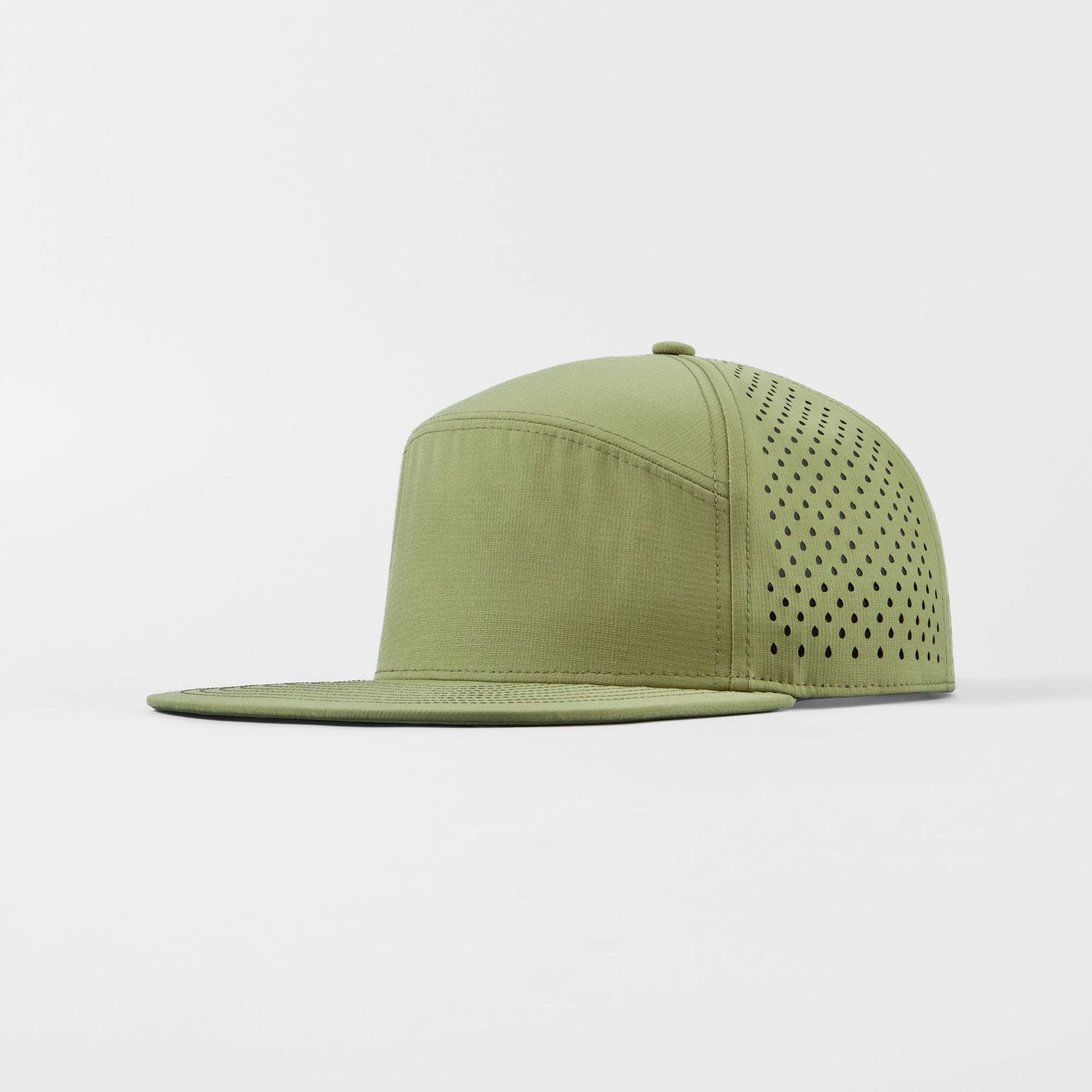
“Performance” Is Not One Construction
Running, golf, training, and outdoor programs may all call for performance headwear, but they do not require the same balance of weight, coverage, airflow, structure, and stability.
Define the wearing conditions first:
- Activity and level of movement
- Indoor or outdoor use
- Climate, temperature, and humidity
- Typical wear duration
- Required coverage and fit
- Performance properties requiring testing or documentation
A reference hat can communicate shape and fit, while the intended wearing conditions help define which performance features actually matter.
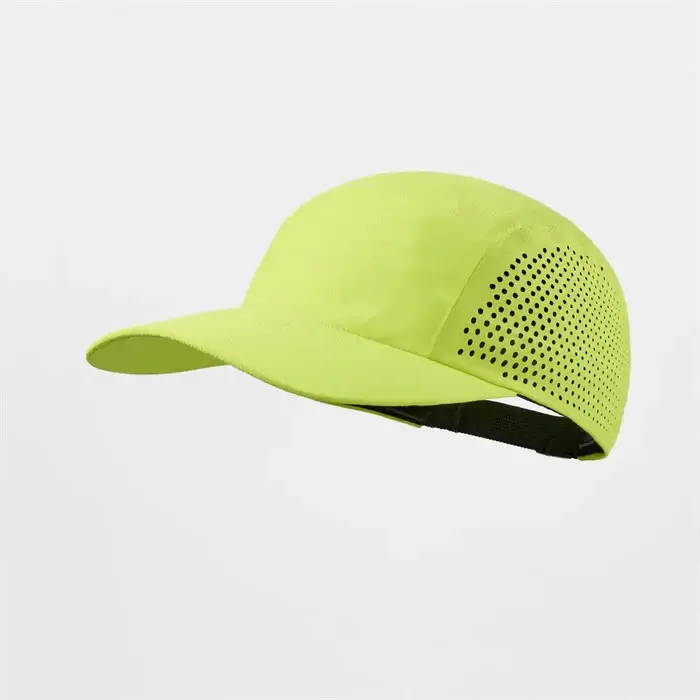
Lightweight Running
Low-bulk construction with lightweight fabric, ventilation, and secure adjustment for higher-movement use.
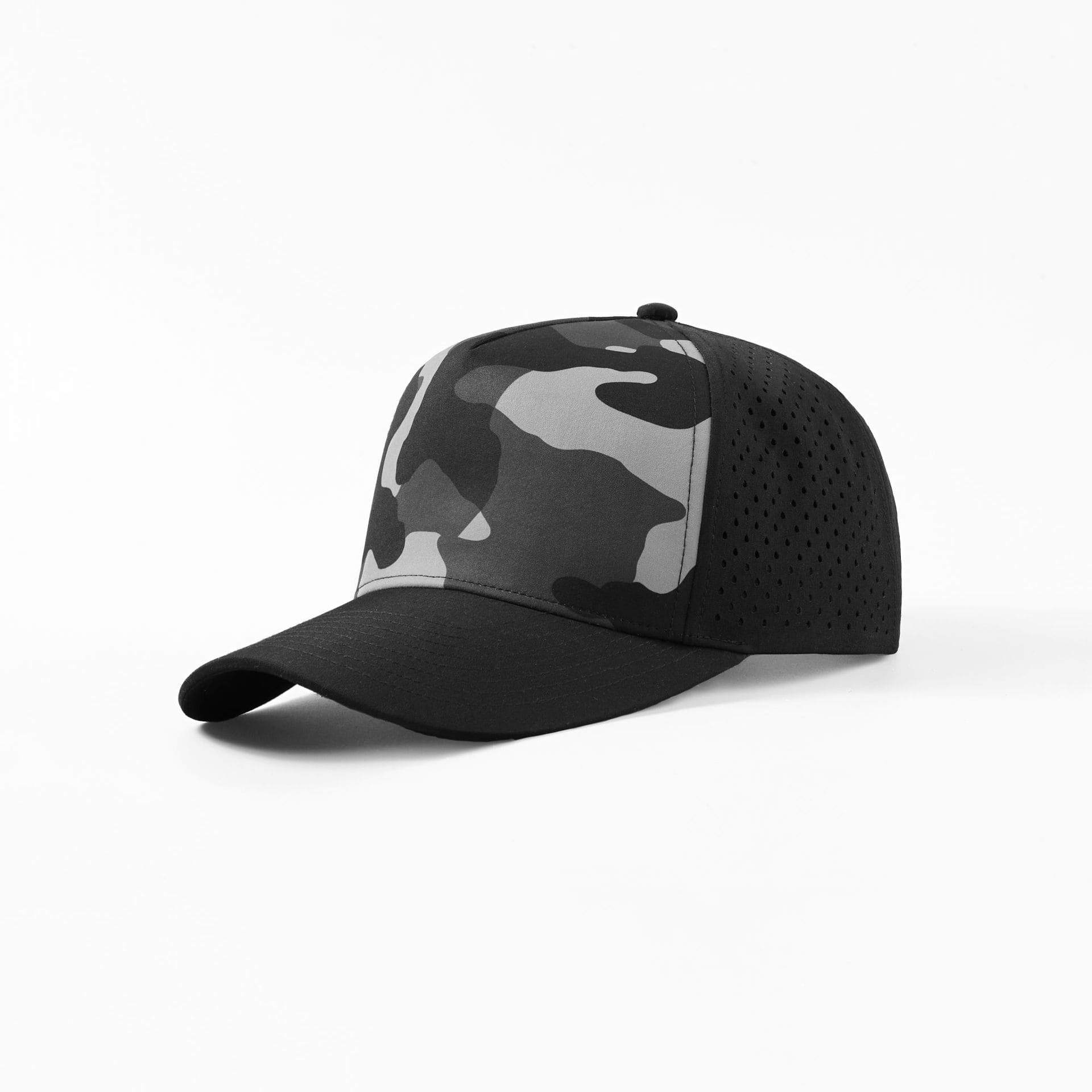
Golf & Structured Performance
A cleaner, more defined crown with stable visor shape and controlled ventilation for programs where structure and presentation matter.
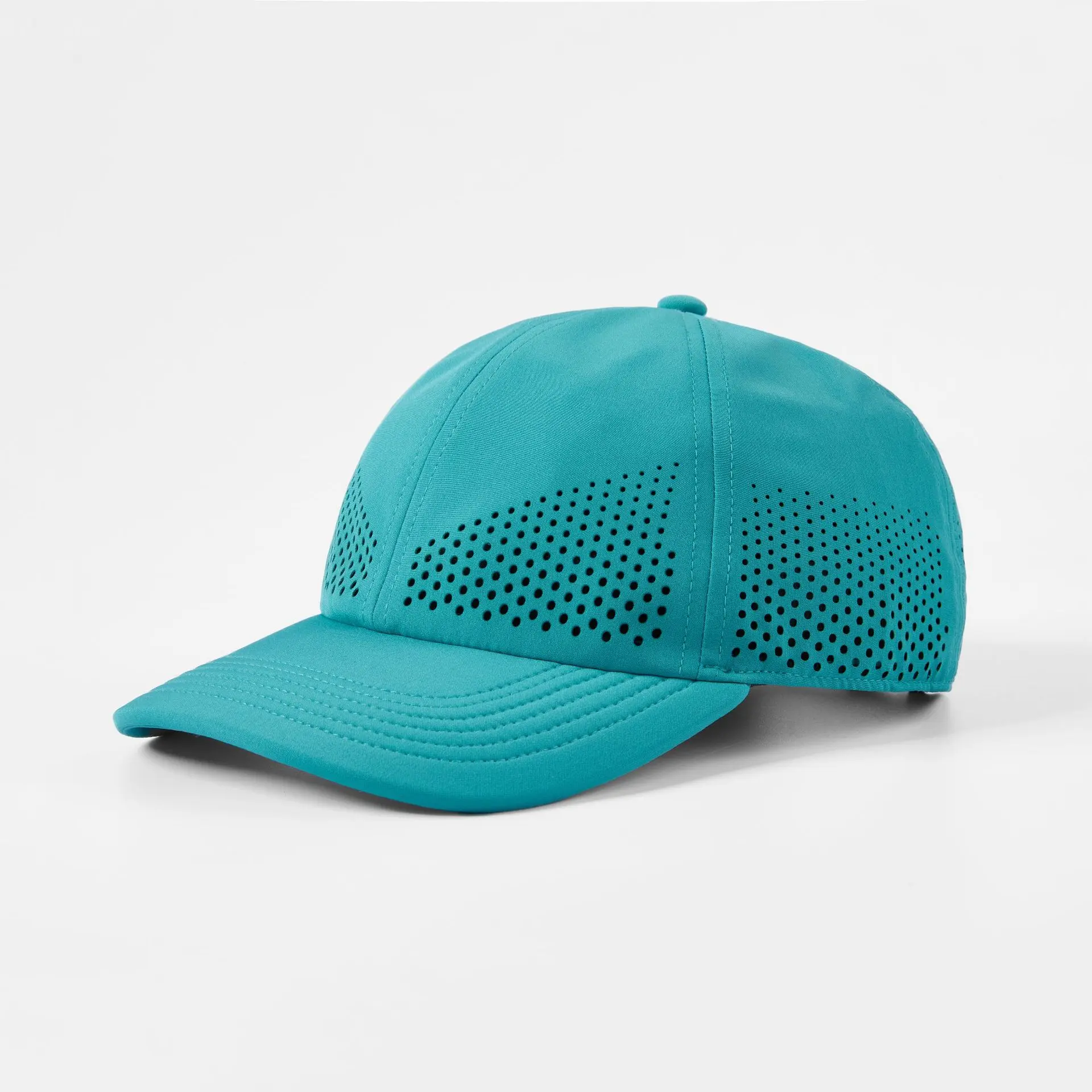
Outdoor & Active
Technical fabrics, ventilation, coverage, and secure adjustment can be balanced around longer wear and changing outdoor conditions.
Develop Airflow and Sweat-Contact Areas as Part of the Construction
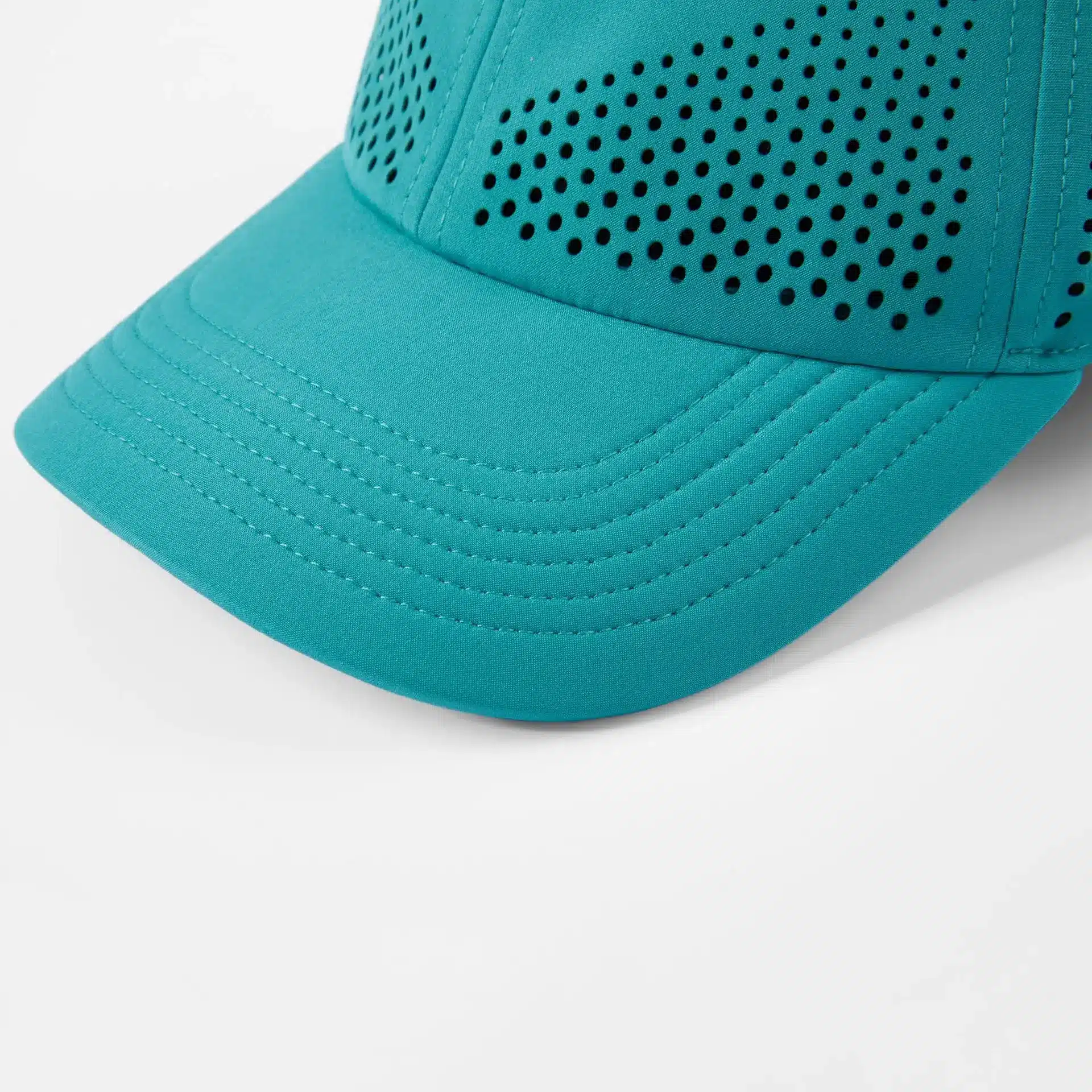
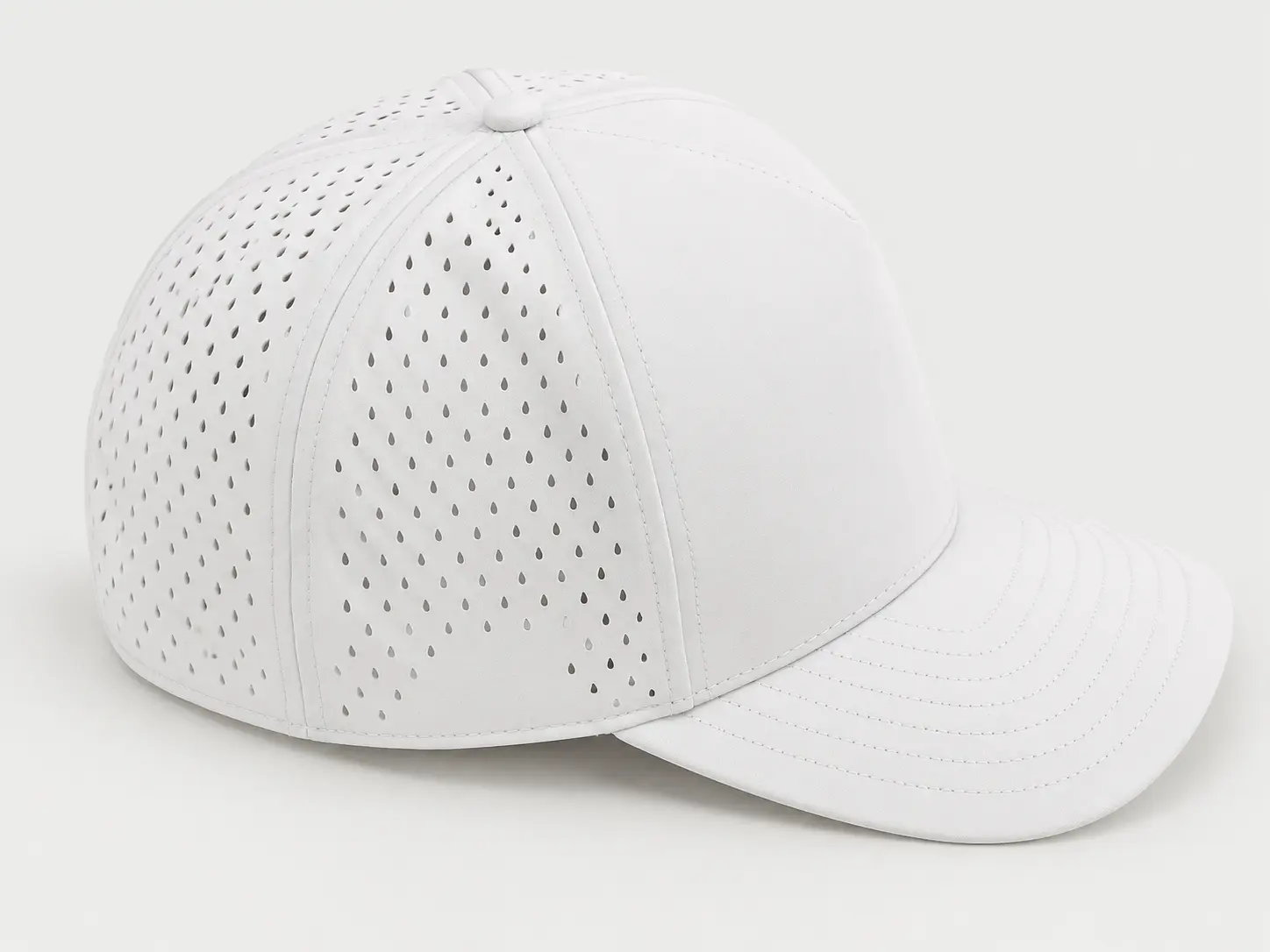
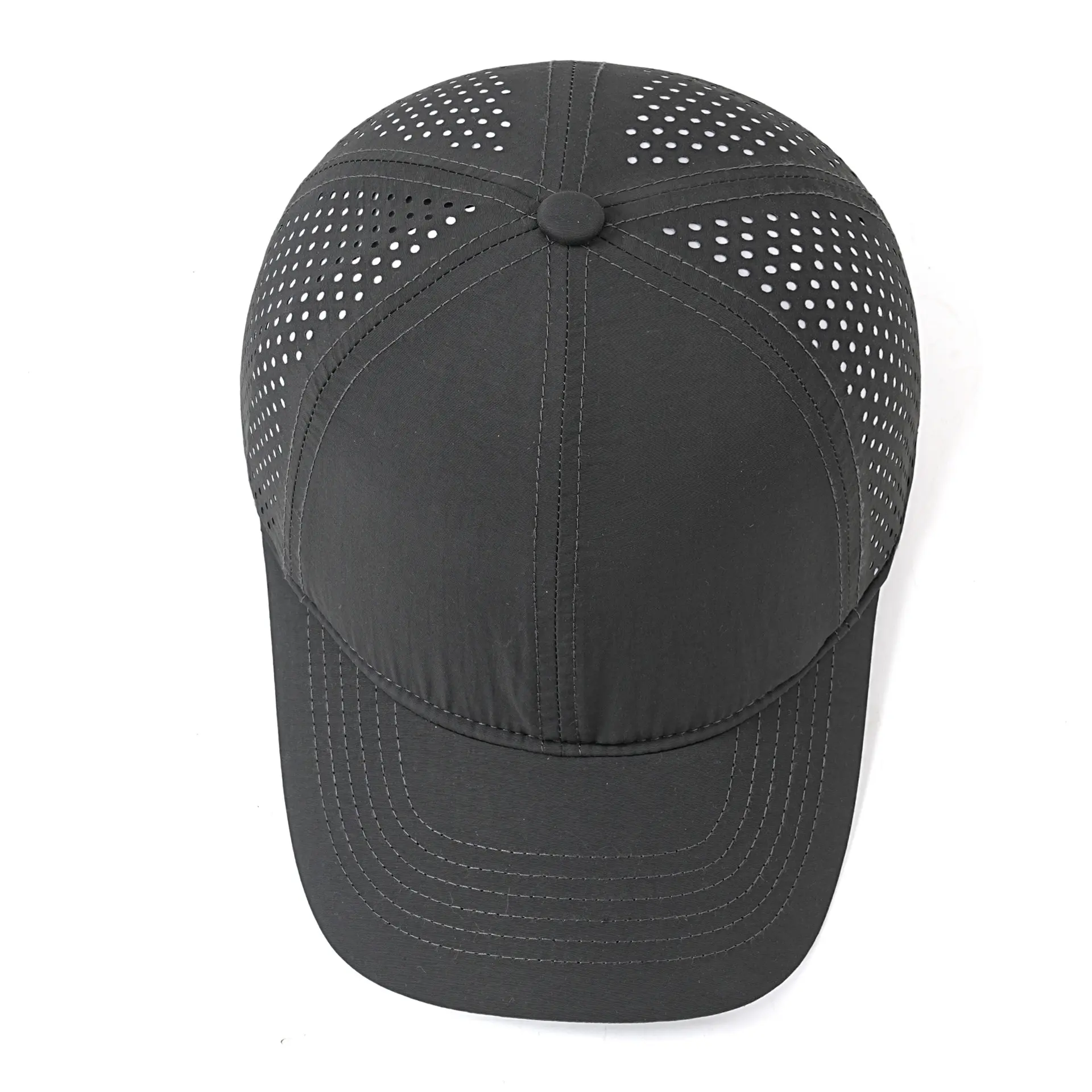
Laser-Cut Openings
Laser-cut patterns can be evaluated on compatible synthetic materials. Hole size, spacing, panel position, edge behavior, and the effect on strength must be reviewed on the actual fabric.
Mesh Zones
Full or partial mesh panels can increase openness, but their placement also alters coverage, stretch, crown shape, and the space available for branding.
Sewn Eyelets
Sewn eyelets provide localized openings and a familiar finished appearance. Their contribution to overall airflow depends on number, size, and placement.
Sweatband Direction
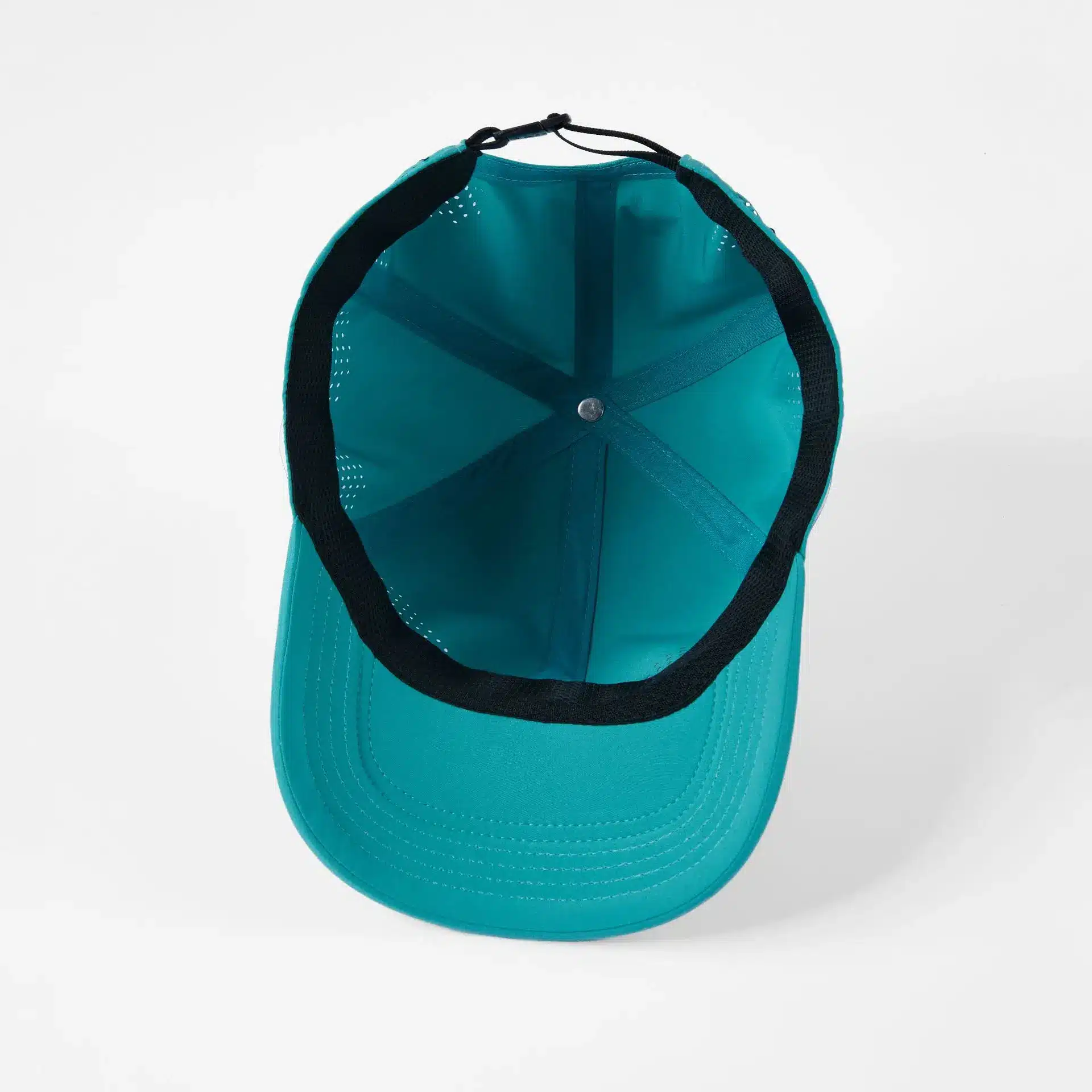
Sweatband material, width, thickness, stretch, seam placement, and drying behavior affect the area in direct contact with the wearer. It should be selected in relation to the crown and fit system rather than treated as a hidden standard component.
Interior Seams and Taping
Seam bulk, binding, and label placement may affect comfort during extended wear. Interior branding should not interfere with the primary contact areas.
Ventilation features can support a design direction, but the finished hat should be evaluated as a complete system. Increased perforation does not automatically guarantee better comfort under all use conditions.
Balance Low Weight With a Secure Fit
A lightweight hat still needs to stay stable during movement. Crown profile, front support, material recovery, and the fit system should work together around the intended activity.
Crown Profile & Front Support
Shallow running profiles, mid-profile active caps, and more structured performance crowns sit differently on the head. Crown depth and front support should be developed together around the intended fit and activity.
Fit System & Rear Opening
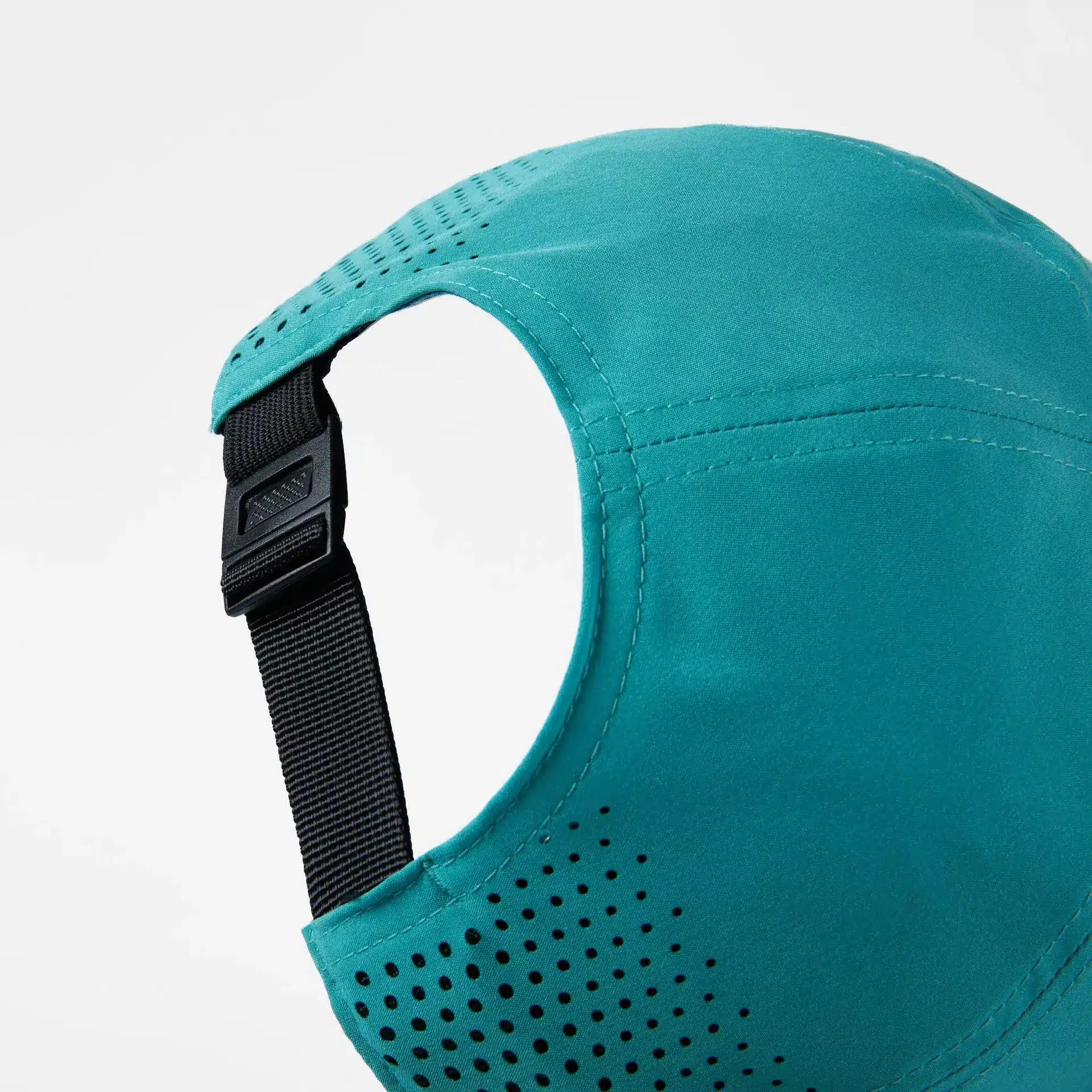
The closure, adjustment range, and back-opening shape work together to control fit and stability. Webbing, clip-buckle, cord, stretch, or other low-profile systems can be selected around the intended use.
Panel Shape & Material Recovery
Lightweight and stretch materials can recover differently from conventional hat fabrics. Panel geometry, seam direction, and material recovery should be evaluated after handling and while the hat is worn.
Match the Visor to the Intended Use
Visor length, curvature, stiffness, and weight affect coverage, field of view, packability, and the balance of the complete hat.
Length & Coverage
Visor dimensions should balance forward coverage with visibility and the proportions of the crown.
Curve & Shape
Flat, gently curved, or pre-curved profiles can be developed around the intended activity and overall hat shape.
Weight & Stiffness
Insert material and construction influence visor weight, stability, flexibility, and packability.
Fabric & Finishing
Upper- and under-visor materials, stitching, edge thickness, and finishing should work with the rest of the hat.
Match the Decoration to the Performance Construction
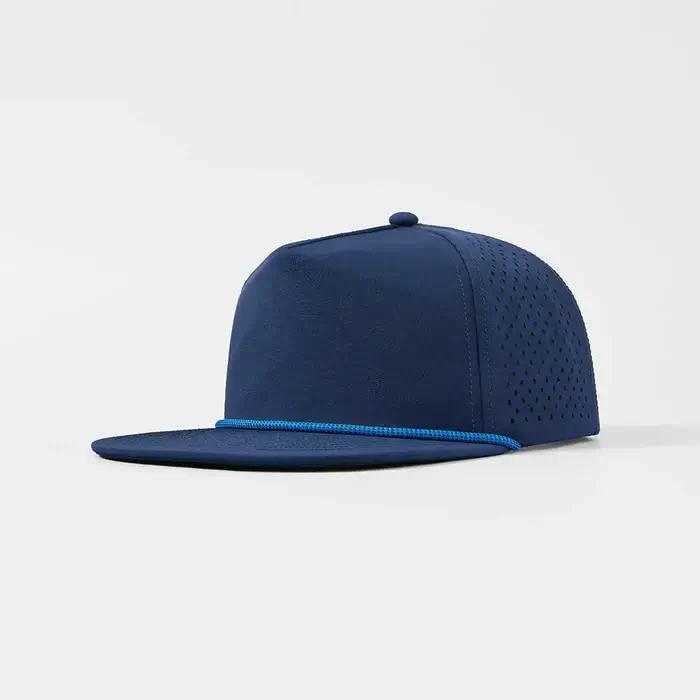
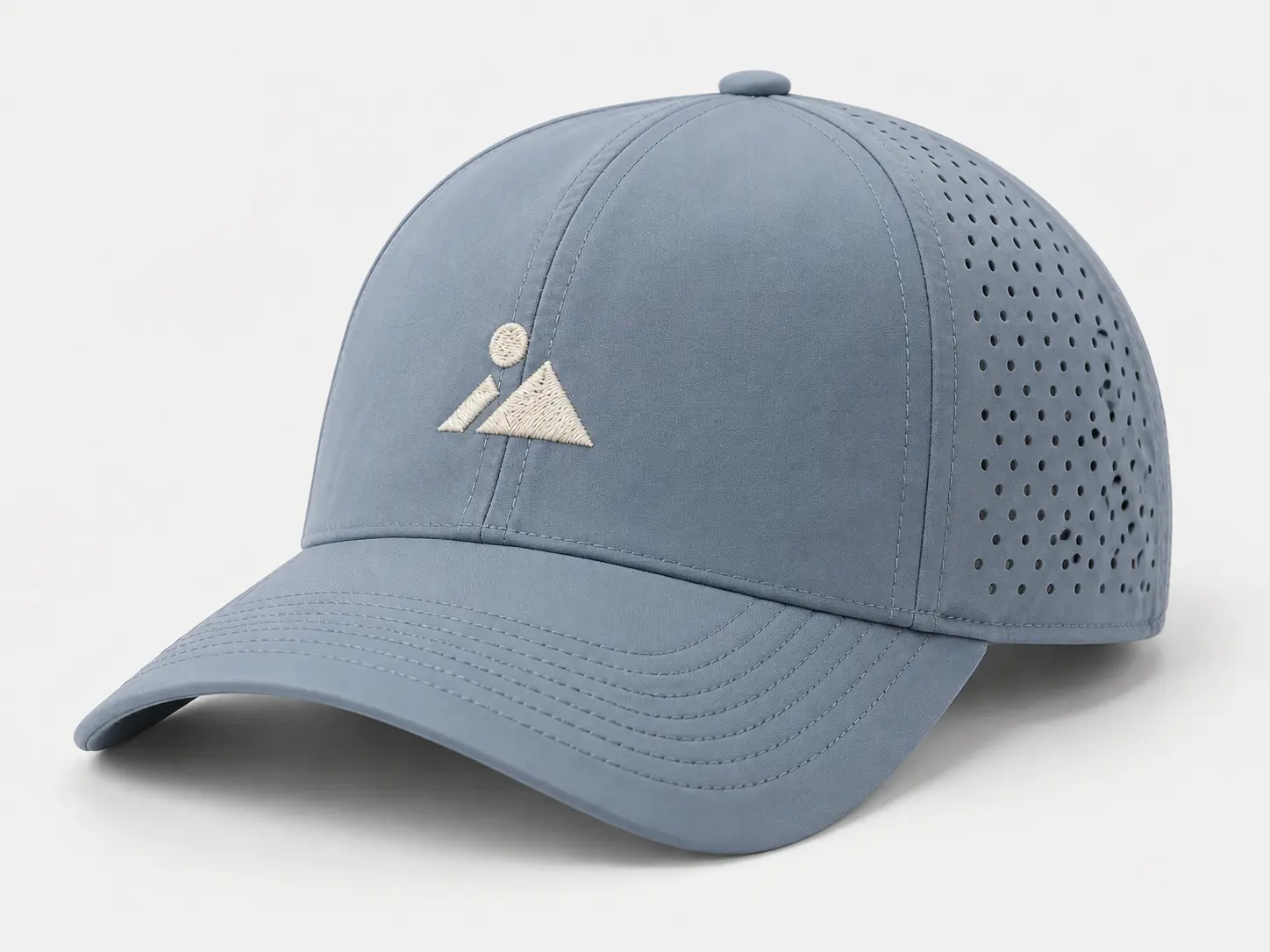
Decoration adds more than branding. Stitch density, patch weight, material coverage, and heat application can affect flexibility, airflow, and the feel of a lightweight hat. The method should be selected around the artwork, fabric, and intended construction.
Lightweight Embroidery
Smaller flat embroidery can suit compatible performance fabrics when stitch density, backing, thread coverage, and panel stability are controlled.
Print & Heat Transfer
Print and heat-transfer methods can provide a flatter decoration on compatible materials. Ink, film, adhesion, heat sensitivity, stretch, and durability should be confirmed for the selected fabric.
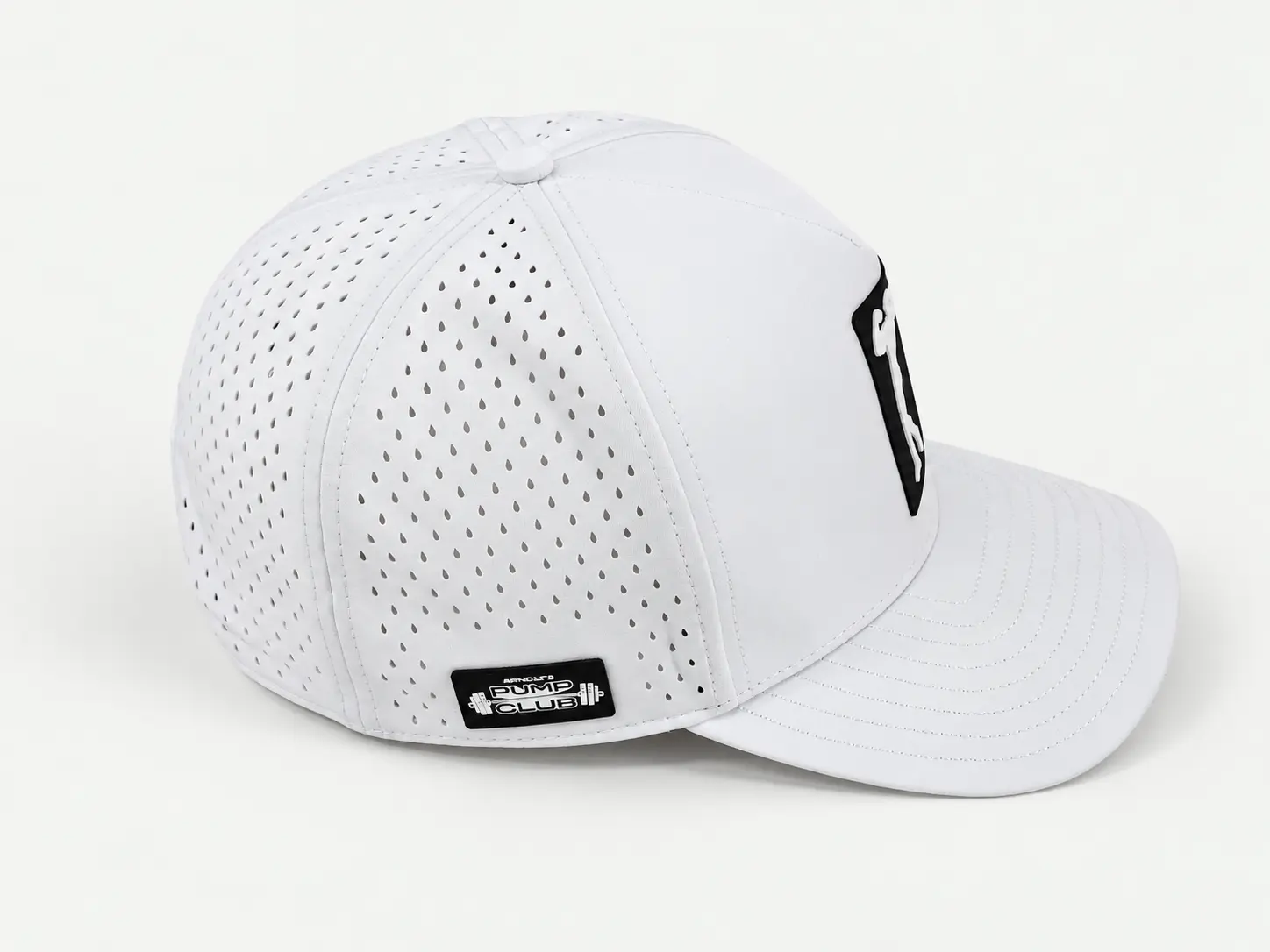
Lightweight Patches & Labels
Thin woven labels, lightweight patches, or flexible silicone details may be considered when their weight, edge construction, attachment, and movement are compatible with the hat.
Questions About Custom Performance Hats
What makes a hat a “performance” hat?
Can you develop performance hats for running, golf, and outdoor use?
Can performance hats use laser-cut ventilation?
What closure options can be used on performance hats?
Can I send an existing performance hat as a reference?
Can performance properties be tested or documented?
What is the MOQ for custom performance hats?
How long does custom performance hat development and production take?
Start Your Custom Performance Hat Project
Tell us how the hat will be used and send what you already have. A reference hat or images, logo artwork, estimated quantity, and delivery requirements are enough to begin an initial review.
We can help identify the remaining decisions around crown, ventilation, sweatband, visor, closure, decoration, and any performance requirements that need to be confirmed.