
From Project Brief to Finished Custom Hats
A full-custom hat project moves through specification review, quotation, sample development, approval, bulk production, inspection and shipping. Each stage confirms the information needed for the next step.
Start With What You Already Have
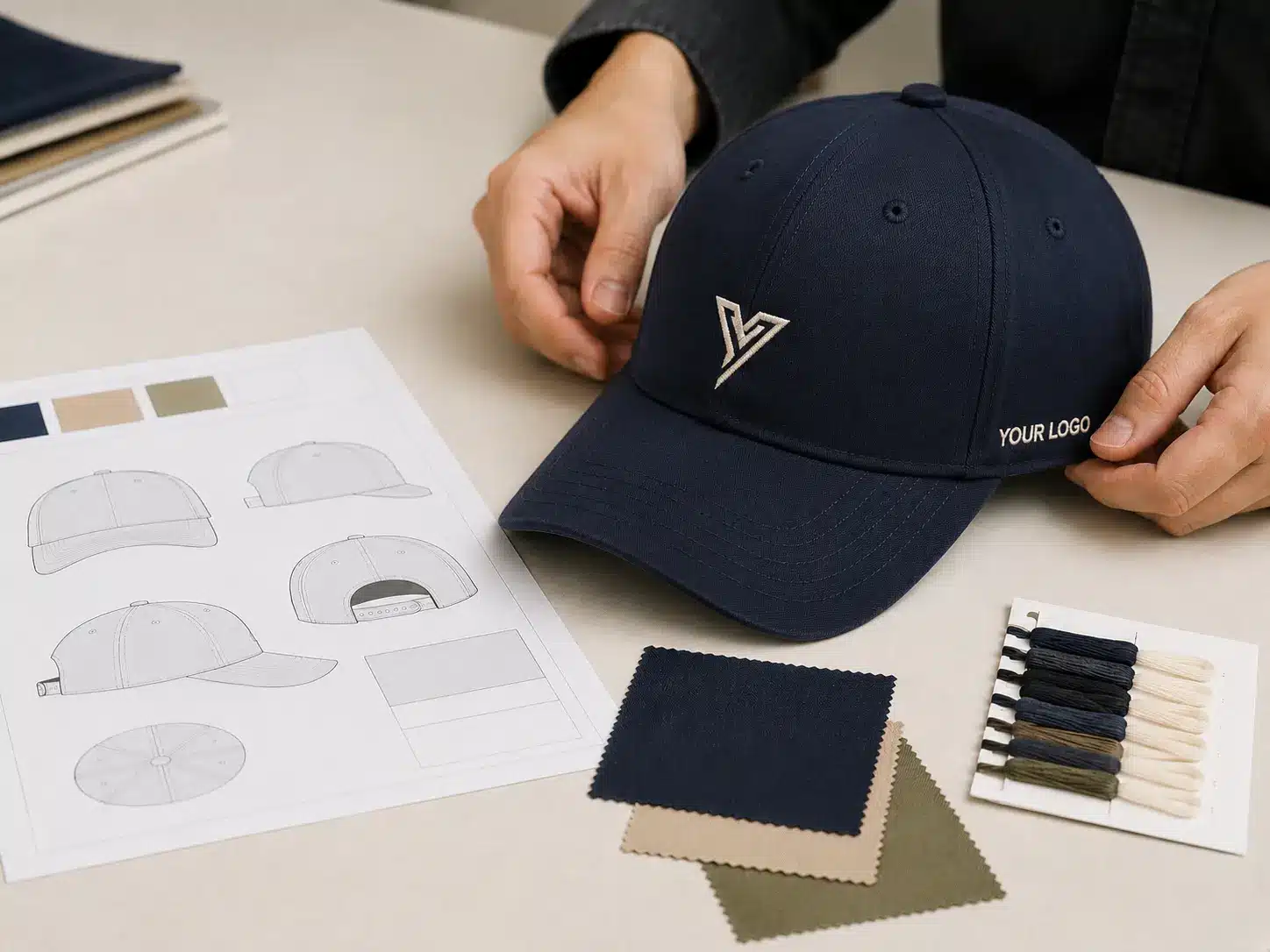
A logo, reference hat, product image, sketch or general idea is enough to begin. The information below helps us understand the intended direction, while any open details can be identified during project review.
Hat Direction or Reference
Share the closest hat style, physical reference or images that show the shape and overall appearance you want.
Artwork and Branding
Provide any available logo, artwork or examples of the intended decoration and branding positions.
Intended Use
Tell us who the hat is for and how it will be used, such as retail, promotional programs, uniforms, events, golf or outdoor activities.
Project Basics
Include the approximate quantity, delivery destination or preferred timing if already known.
A complete specification is not required to start the conversation.
Eight Stages From Project Review to Delivery
Each stage confirms the information, decisions or approvals needed for the next. The exact requirements and timing depend on the completed product specification.
Project Review
What Happens
We review the intended hat direction, use, artwork, available references and other known project requirements. Open questions and initial feasibility considerations are identified.
Your Part
Share the information and references you already have, and explain which characteristics matter most.
Specification & Artwork Direction
What Happens
Hat construction, materials, colors, decoration, branding positions and interior details are organized into a workable product direction.
Your Part
Confirm the main priorities and provide suitable artwork or information needed to prepare the decoration files.
Quotation & Project Confirmation
What Happens
Pricing, applicable MOQ, sample requirements, estimated timing and commercial terms are prepared using the defined project direction.
Your Part
Review the quotation, working specifications and sampling plan before the project proceeds.
Any open assumption will be identified in the quotation.
Physical Sample Development
What Happens
The proposed construction, materials, colors, decoration and branding details are brought together in a physical sample.
Your Part
Provide any remaining information needed for sampling and review the completed sample against the agreed direction.
Digital renderings can support communication, but shape, fit, material behavior and finished decoration should be reviewed on the physical sample.
Sample Review & Approval
What Happens
The complete sample is reviewed for shape, fit, materials, colors, closure, decoration and interior branding. Required revisions are documented before approval.
Your Part
Provide consolidated feedback or approve the sample and confirmed product details for bulk production.
The approved sample and confirmed specifications become the working references for bulk production.
Bulk Production
What Happens
Materials, decoration, sewing, assembly and packing move forward according to the approved sample, confirmed specifications and commercial terms.
Your Part
Complete the required order confirmation, payment and final shipping information according to the agreed terms.
Finished-Goods Inspection
What Happens
Finished goods are checked within the agreed inspection scope against the approved sample, confirmed specifications and packing requirements.
Your Part
Review any material finding or decision that requires approval before shipment.
Inspection is a final checkpoint and does not replace specification, artwork or sample approval.
Shipping & Delivery
What Happens
Packing, shipping documents and transport are coordinated according to the confirmed route, destination and commercial terms.
Your Part
Confirm the consignee, delivery address, contact details and any destination-side requirements.
Transit estimates depend on the route, carrier, customs process and destination and should not be presented as guaranteed delivery dates.
What Needs Your Approval?
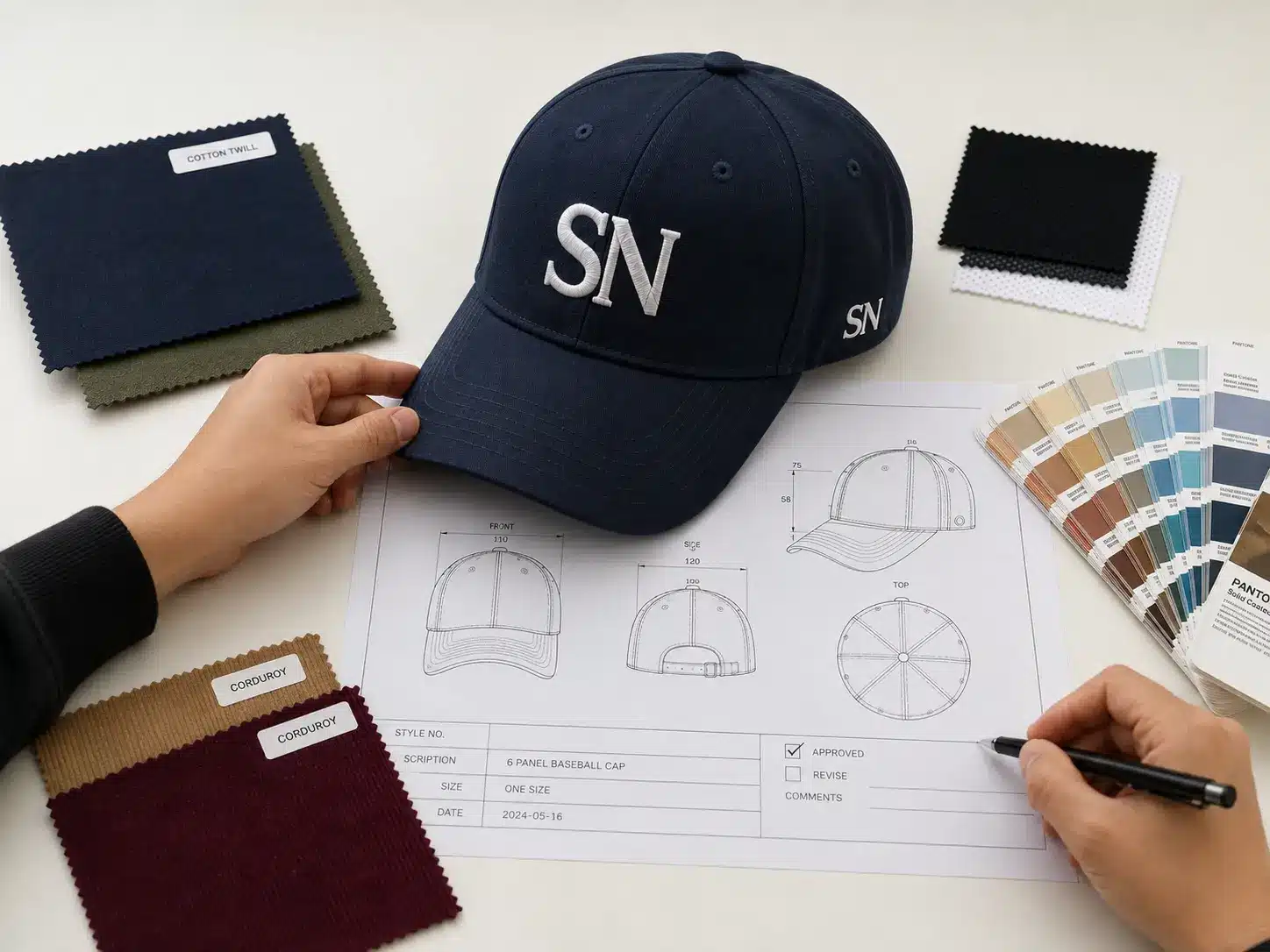
A full-custom project moves forward through a series of clear approvals. Confirming the right details at each stage helps keep sampling, production and shipping aligned with the agreed direction.
Product Direction
Confirm the intended construction, materials, colors, decoration and branding positions before quotation and sampling.
Quotation & Sampling
Review the pricing, applicable MOQ, sample requirements, estimated timing and commercial terms before sample development begins.
Sample Approval
Approve the complete physical sample or provide consolidated revision comments before bulk production.
Order & Shipping Details
Confirm the final order breakdown, packing requirements, consignee and shipping information before production and dispatch.
You will be asked to approve only the details relevant to your project.
Approve the Complete Hat Before Bulk Production
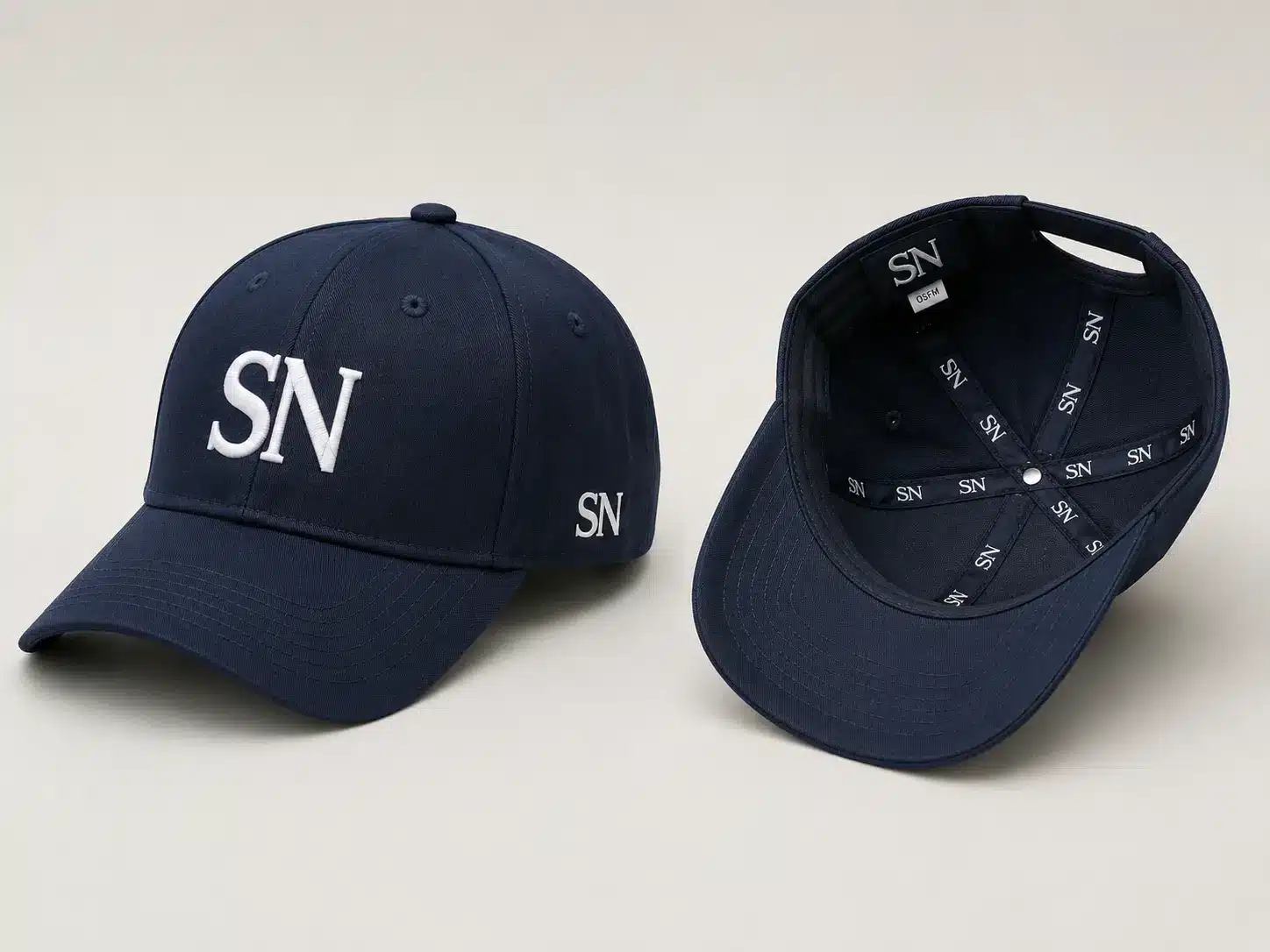
A physical sample brings the construction, fit, materials, decoration and interior details together in one finished product. Review the complete hat—not only the logo—before approving it for bulk production.
Shape & Fit
Review the crown height, panel shape, structure, hat depth, visor proportion and overall wearing profile.
Materials & Color
Check the actual fabric surface, weight, texture and color under suitable lighting, including how different materials work together.
Closure & Comfort
Test the adjustment range, closure operation, sweatband, interior finish and overall comfort when worn.
Decoration
Review the artwork size, position, colors, stitch or patch quality, edge finishing and relationship to the seams and crown shape.
Interior Branding
Confirm the main label, size and care labels, branded seam tape, sweatband details and any approved interior print or patch.
If Revisions Are Needed
Provide one consolidated set of comments identifying what should change and what should remain unchanged. Changes that affect construction, materials, decoration or fit may require another physical sample before bulk production.
The approved sample and confirmed specifications become the working references for bulk production.
From Approved Sample to Finished Order
Once the sample and specifications are approved, they become the working references for bulk production. SN International LLC provides U.S.-based customer and commercial support, while our China-based team coordinates day-to-day production, inspection, packing and shipment execution.
Confirmed Production Reference
The approved sample, specifications, artwork and order details become the working references for production.
Production Coordination
Materials, decoration, sewing, assembly and packing are followed against the confirmed product requirements, with open questions addressed during production.
Pre-Shipment Review
Finished goods are reviewed within the agreed inspection scope against the approved sample, confirmed specifications and packing requirements before dispatch.
How Your Custom Hats Move Through Production
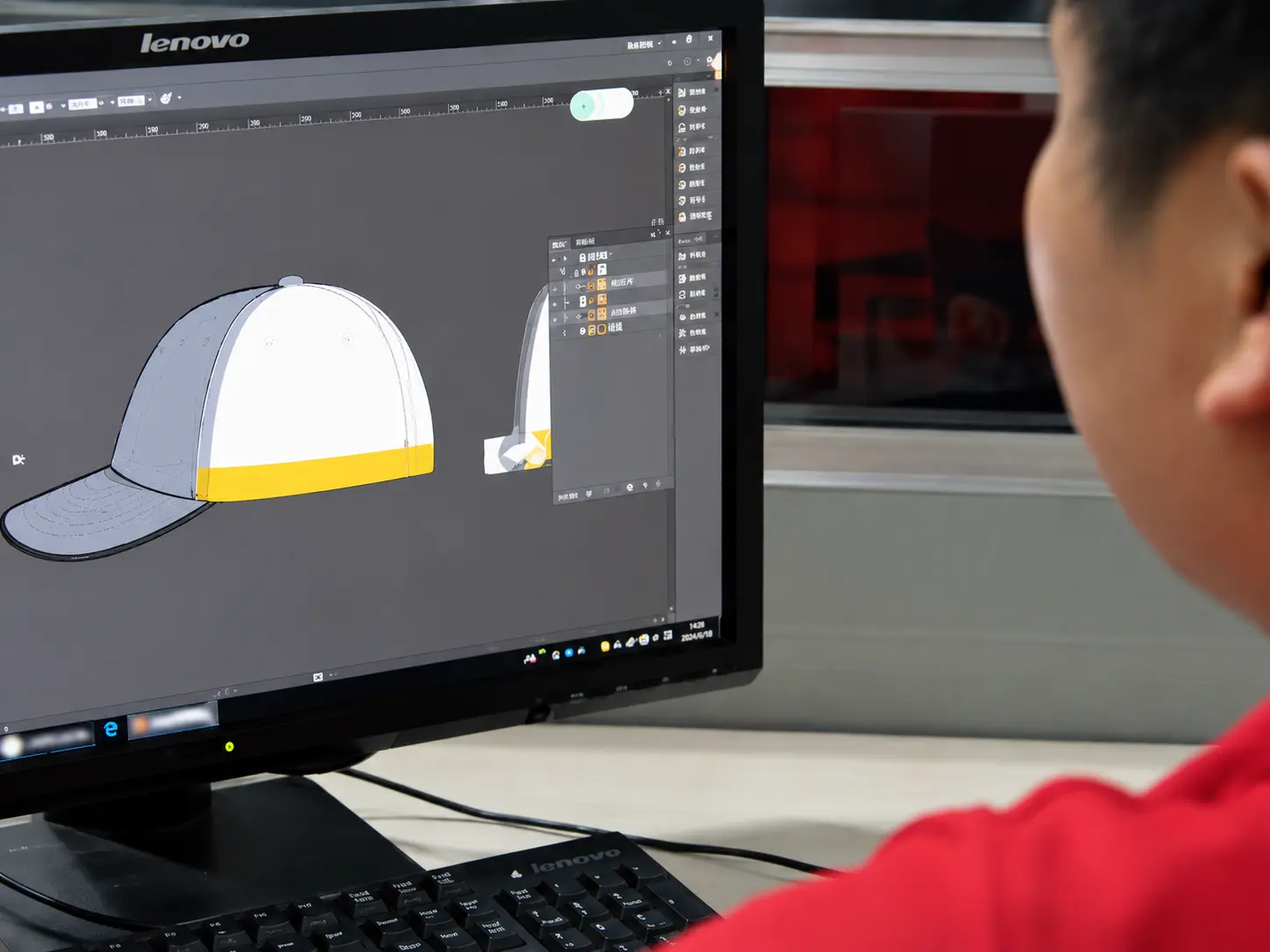
Once the production direction is confirmed, the hat moves through a series of manufacturing operations. The exact sequence may vary with the hat construction, decoration method and components selected for the project.
Design & Product Direction
The hat design is developed around the intended construction, appearance, branding and project requirements.
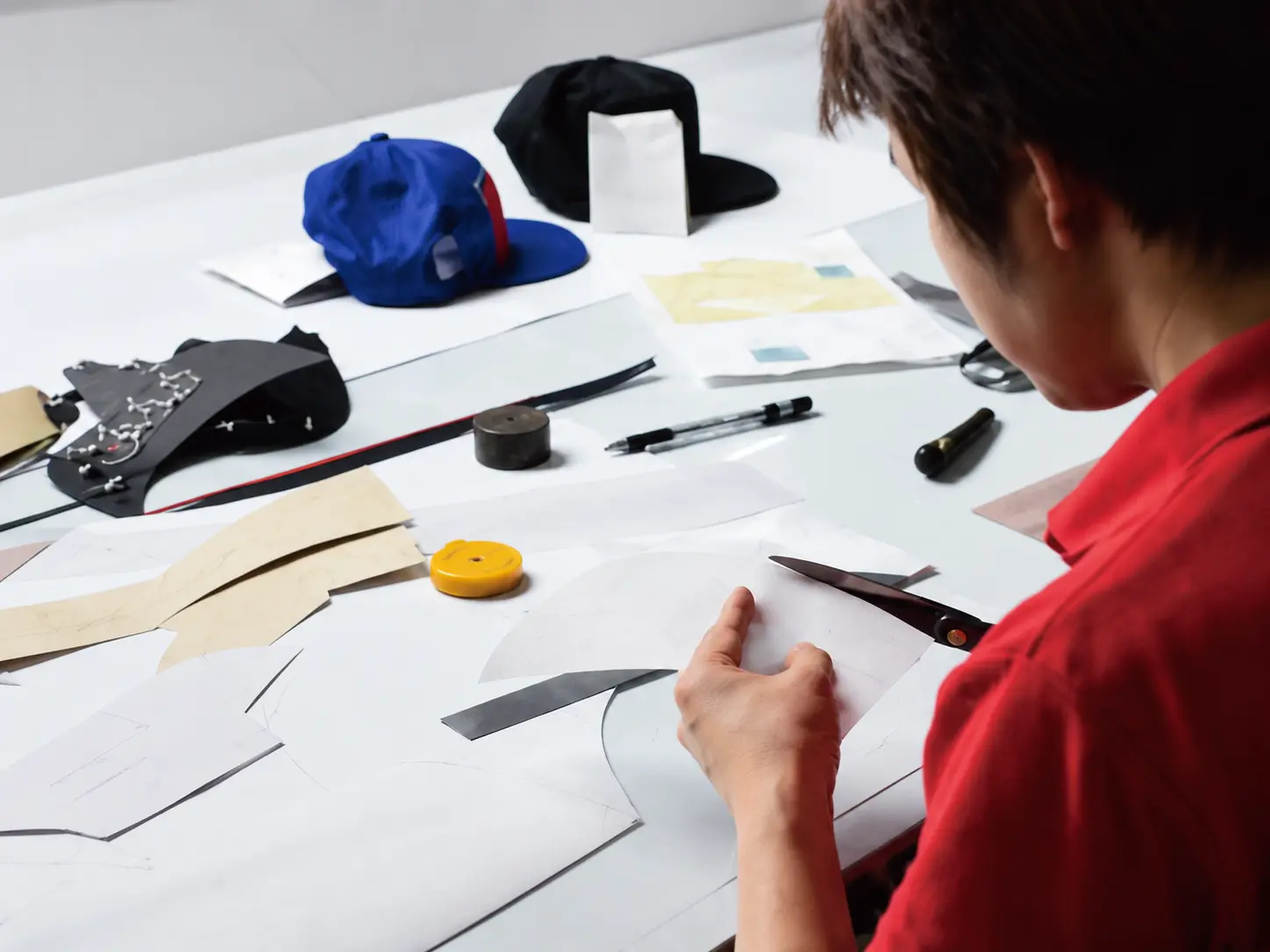
Pattern & Template Development
Patterns and templates are prepared around the confirmed hat construction and product direction.
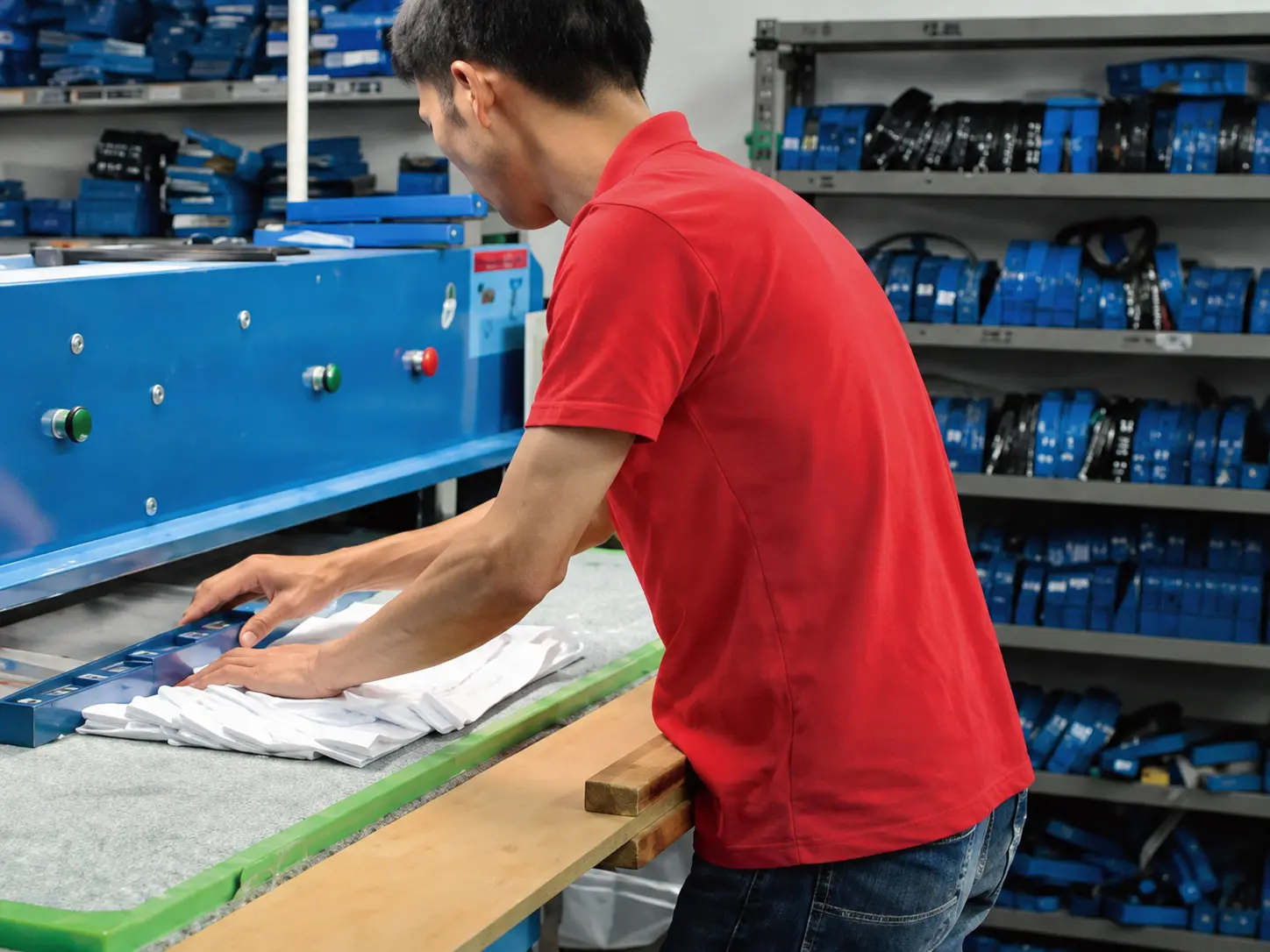
Fabric Cutting
Selected materials are cut into the required panels and components for assembly.
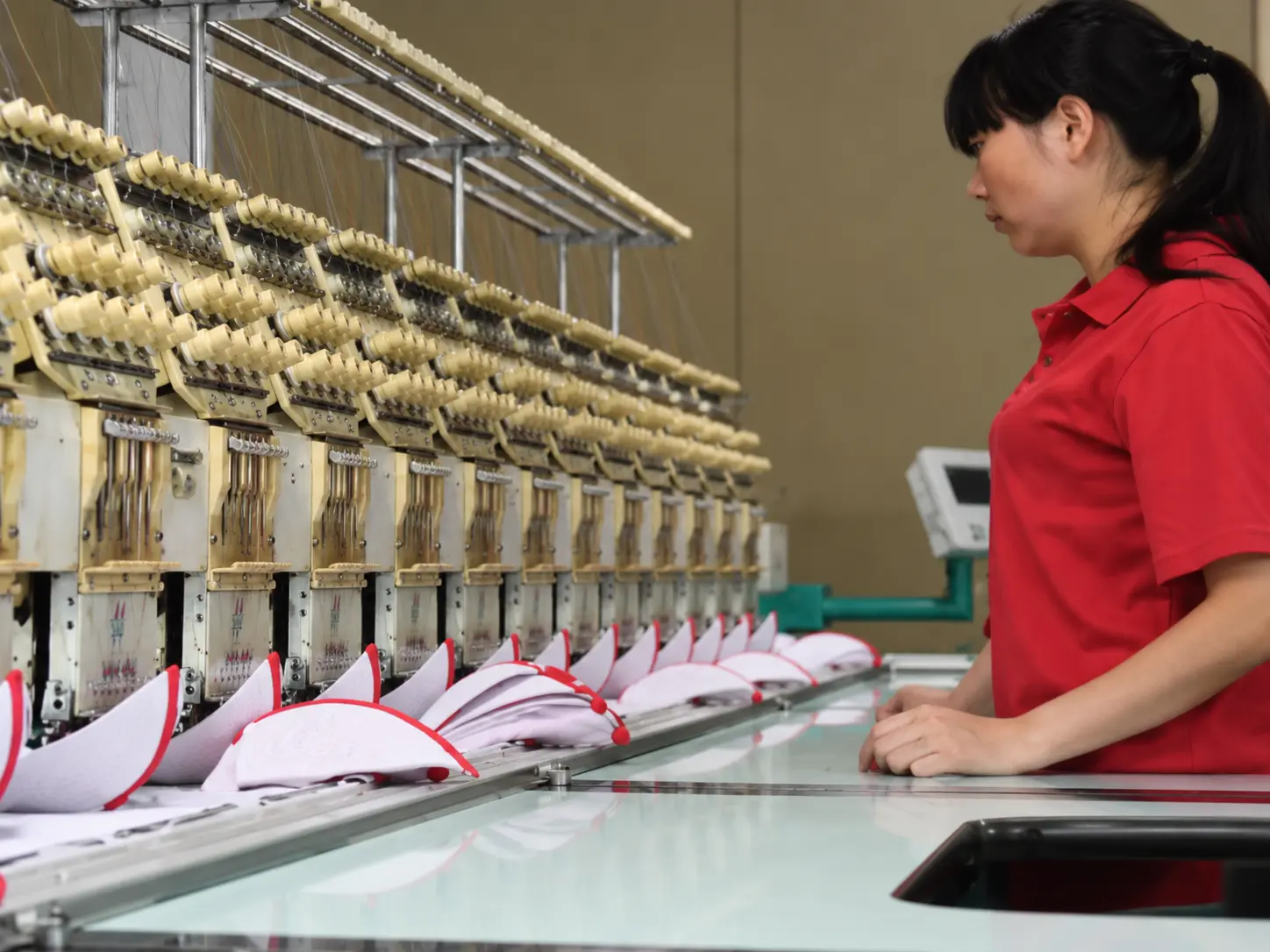
Embroidery & Decoration
Approved embroidery or other applicable decoration is prepared according to the confirmed artwork and placement.
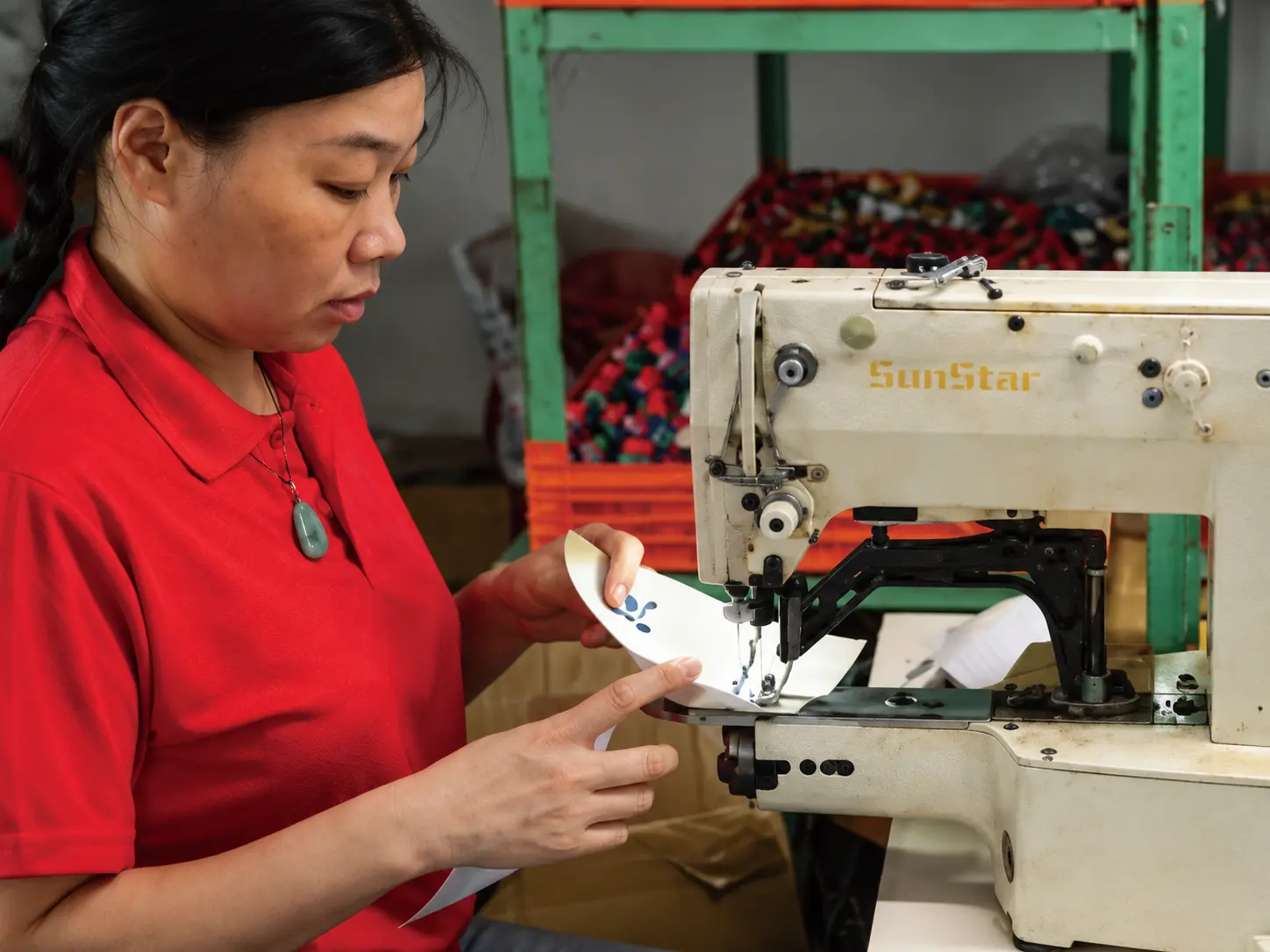
Eyelet Processing
Sewn eyelets or other specified ventilation details are added where required by the construction.
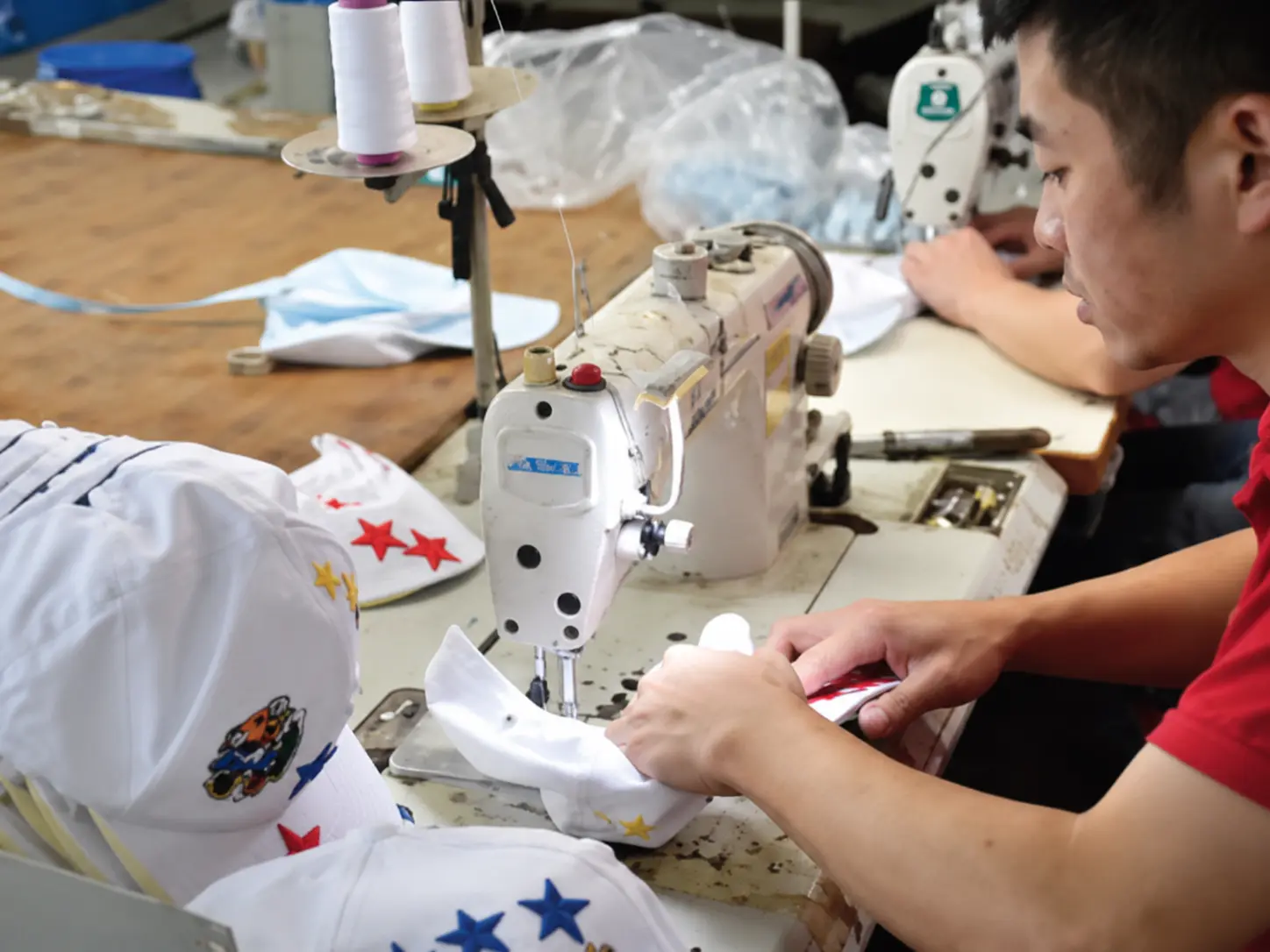
Visor Assembly
Visor components are assembled and sewn according to the approved shape, materials and stitching requirements.
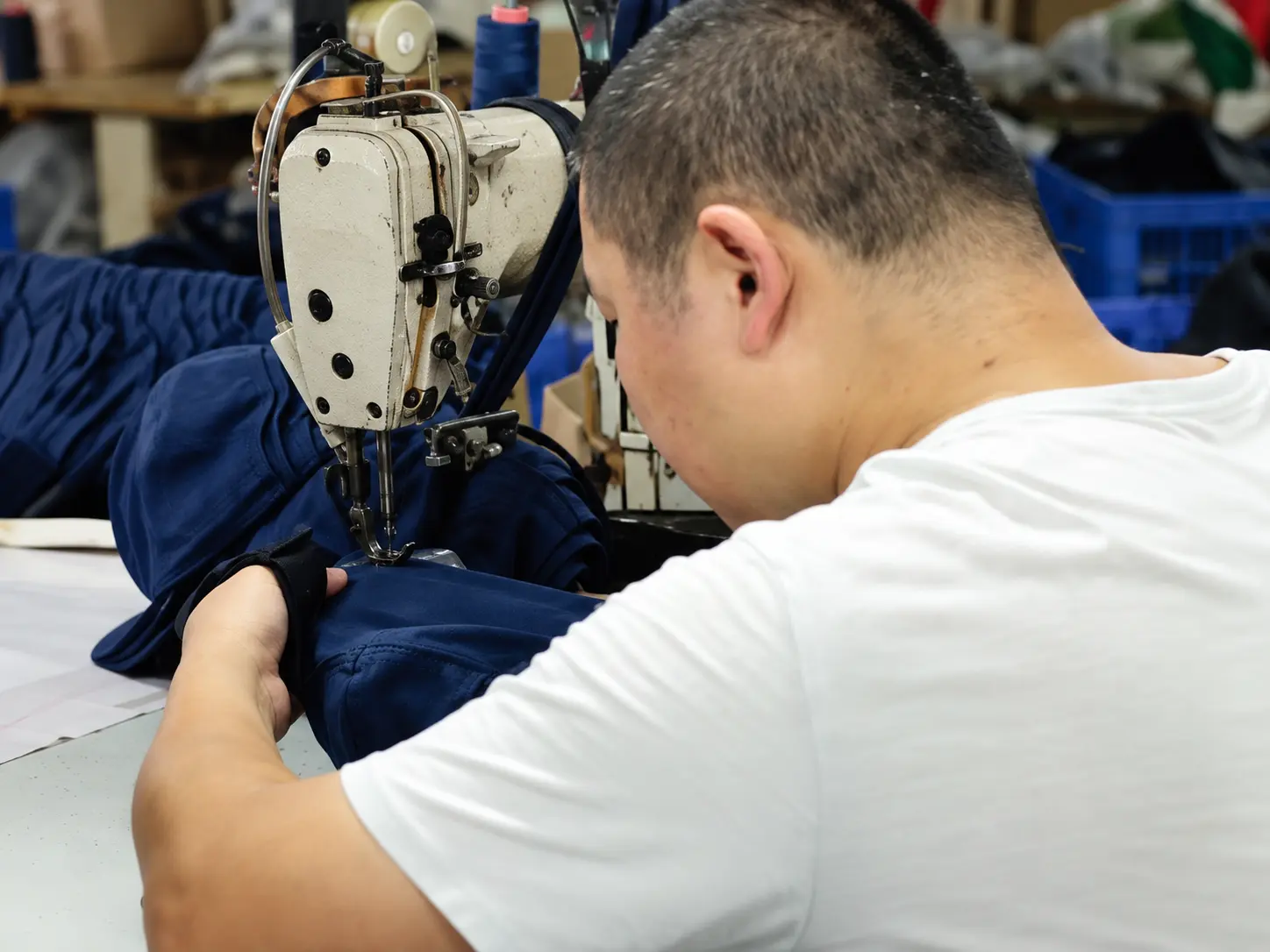
Sweatband Installation
The selected sweatband is sewn into the crown as part of the approved internal construction.
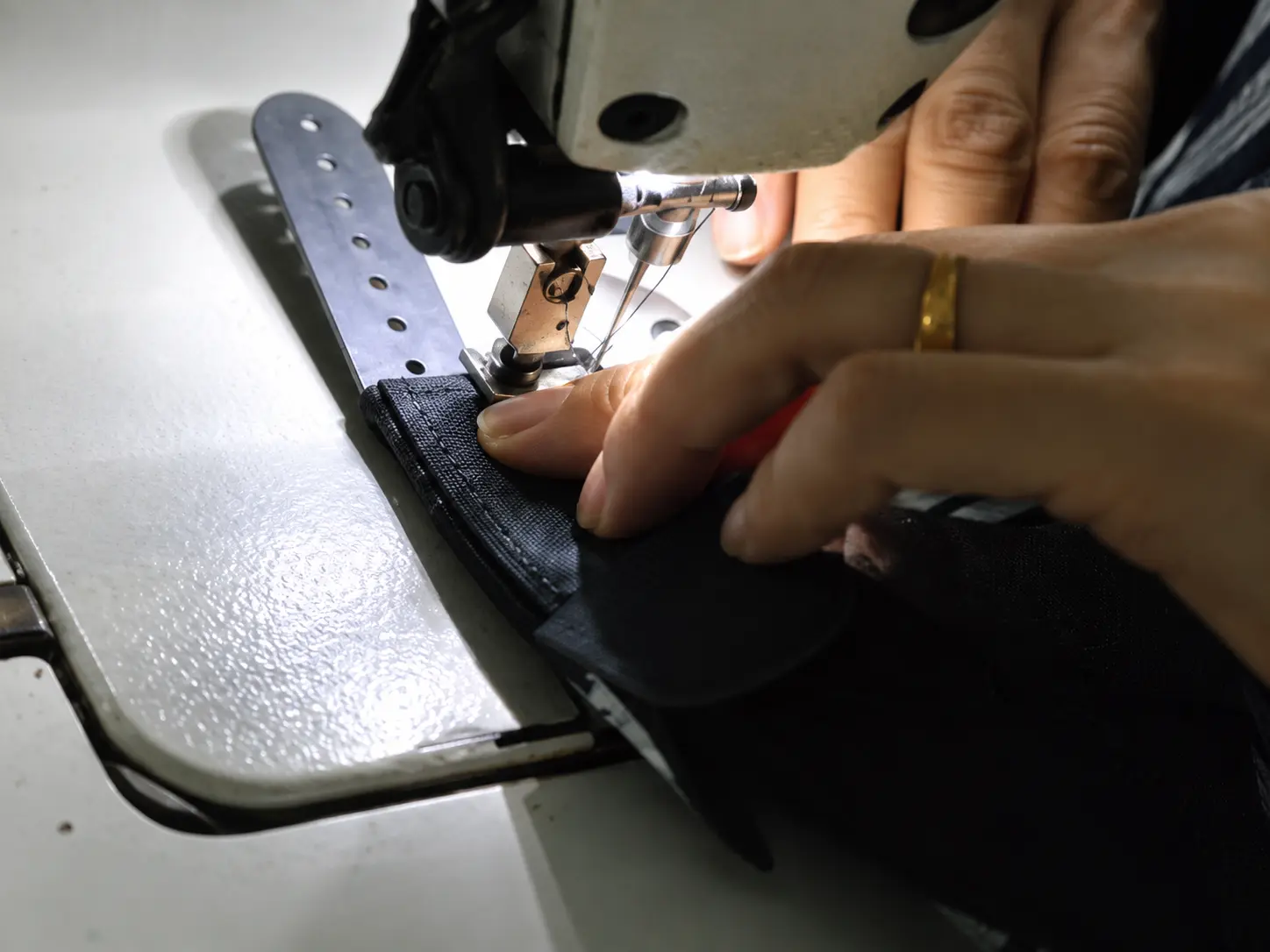
Closure Installation
The approved closure and adjustment components are installed according to the rear construction.
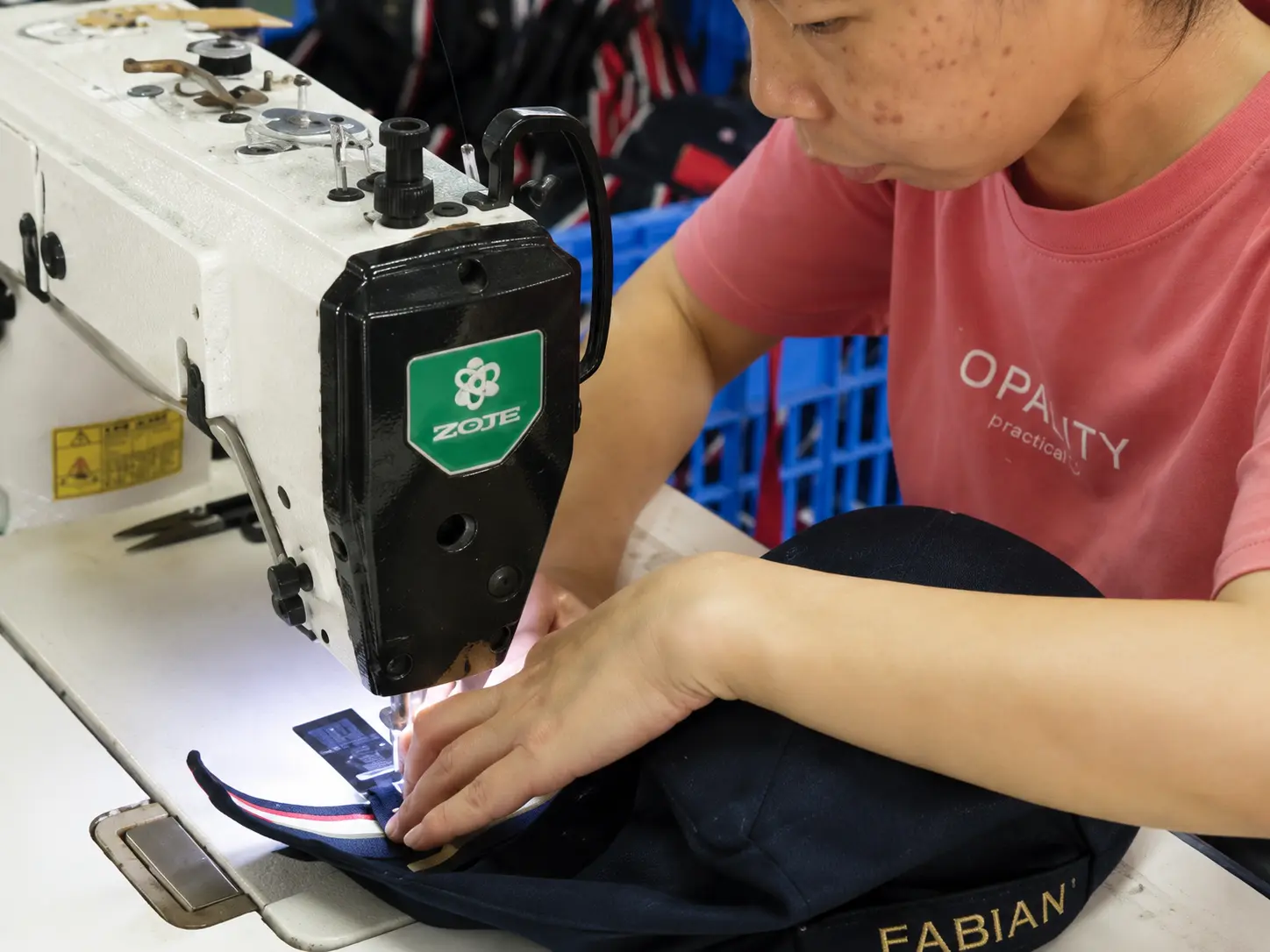
Labels & Interior Details
Approved labels and other specified interior details are added in their confirmed positions.
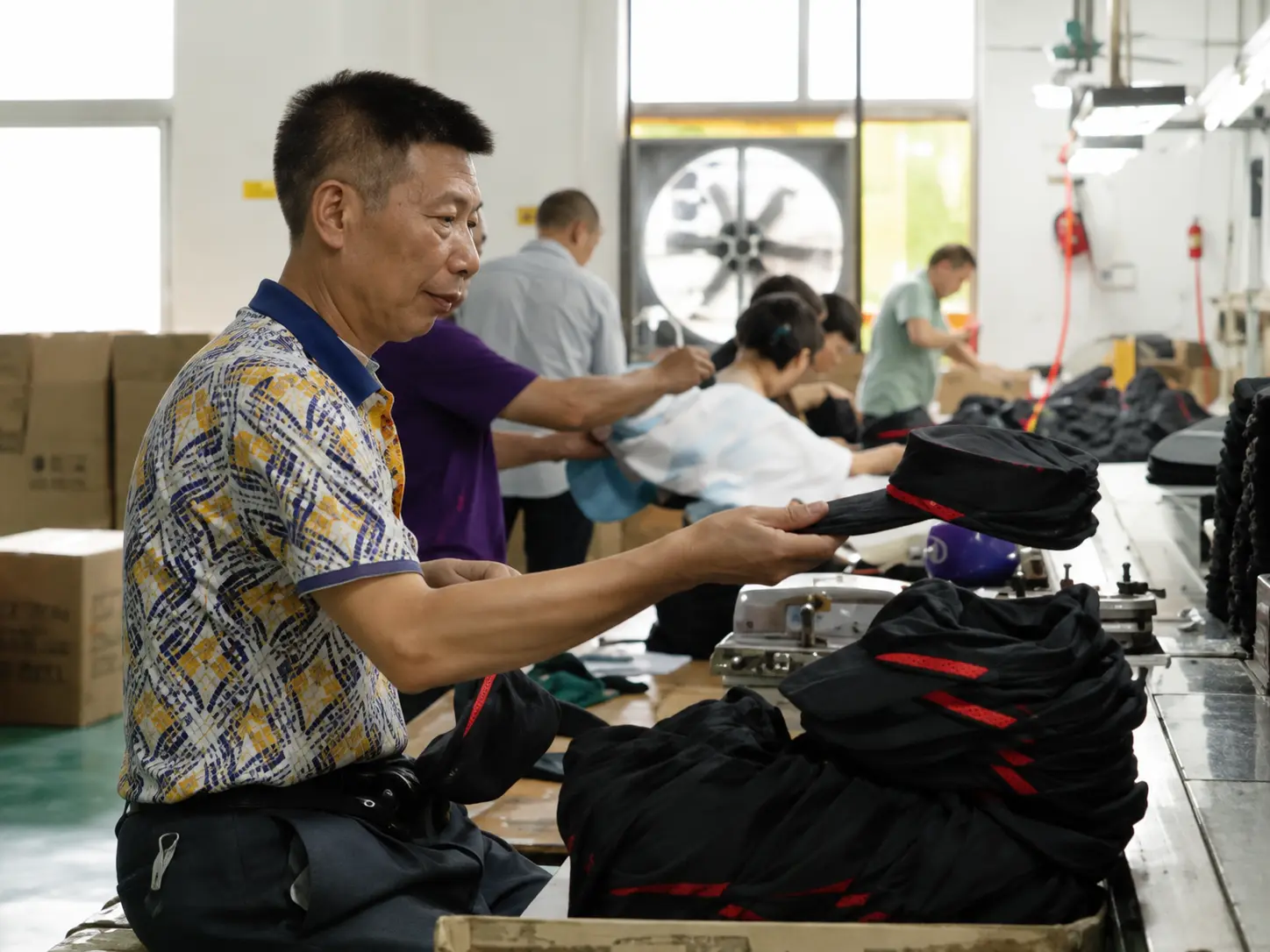
Shaping & Finishing
Completed hats are shaped and finished to establish the intended crown, visor and overall presentation.
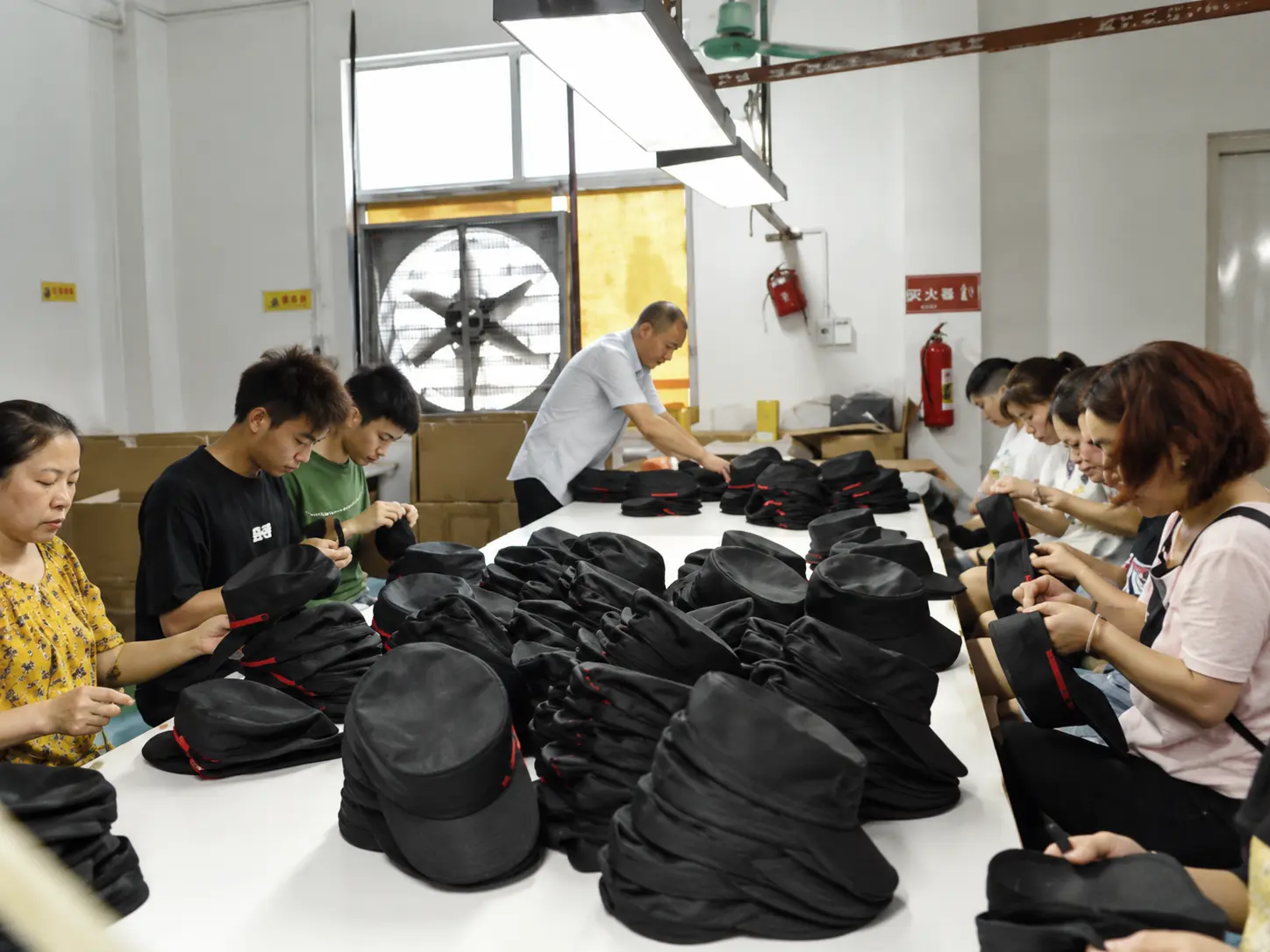
Quality Inspection
Finished hats are reviewed within the agreed inspection scope against the approved sample and confirmed specifications.
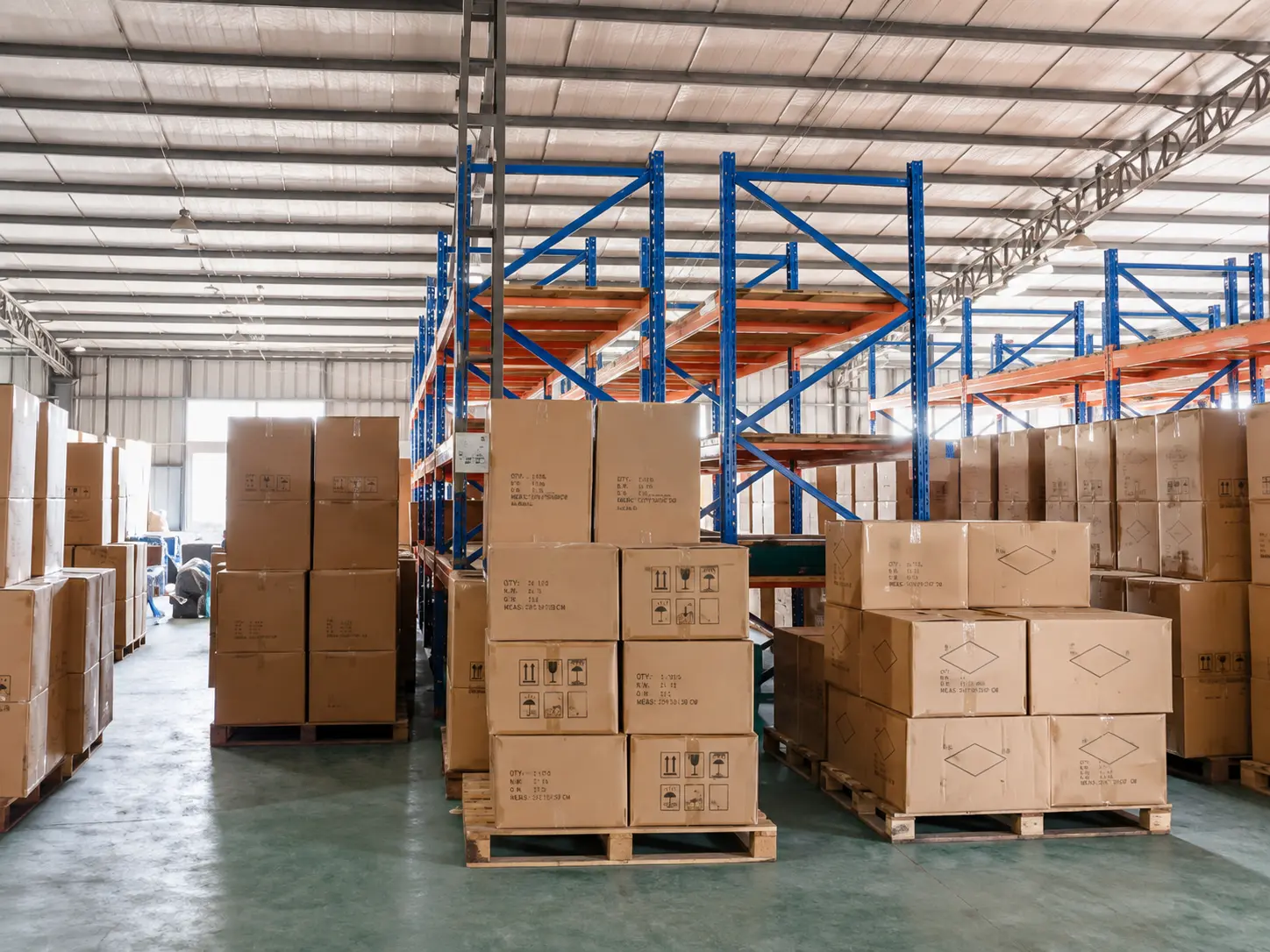
Finished Goods
Finished goods are organized and prepared for the confirmed packing and shipping arrangement.
Plan Timing Across the Complete Project
A custom hat project includes sample development, approval, bulk production and shipping. Each stage has its own requirements, so the complete schedule should be reviewed before the project begins.
How Long Does Sample Development Take?
What Happens If the Sample Needs Revisions?
When Does Bulk Production Begin?
How Is Shipping Timing Determined?
Can You Work Toward a Required Delivery Date?
Tell Us About Your Custom Hat Project
Share what you already know. A hat style, intended use or general product direction is enough to start.
You do not need to have every technical detail confirmed before contacting us.
Start Your Project
Send us a brief message. We’ll review it and follow up by email.