
Specify Every Part of Your Custom Hat
Explore the options that shape the complete hat—including crown profile, panel construction, materials, colors, visor, closure, decoration, branding placements and private-label details.
Available options depend on the selected hat style, construction, artwork, intended use and order quantity. Each combination is reviewed for compatibility before sampling.
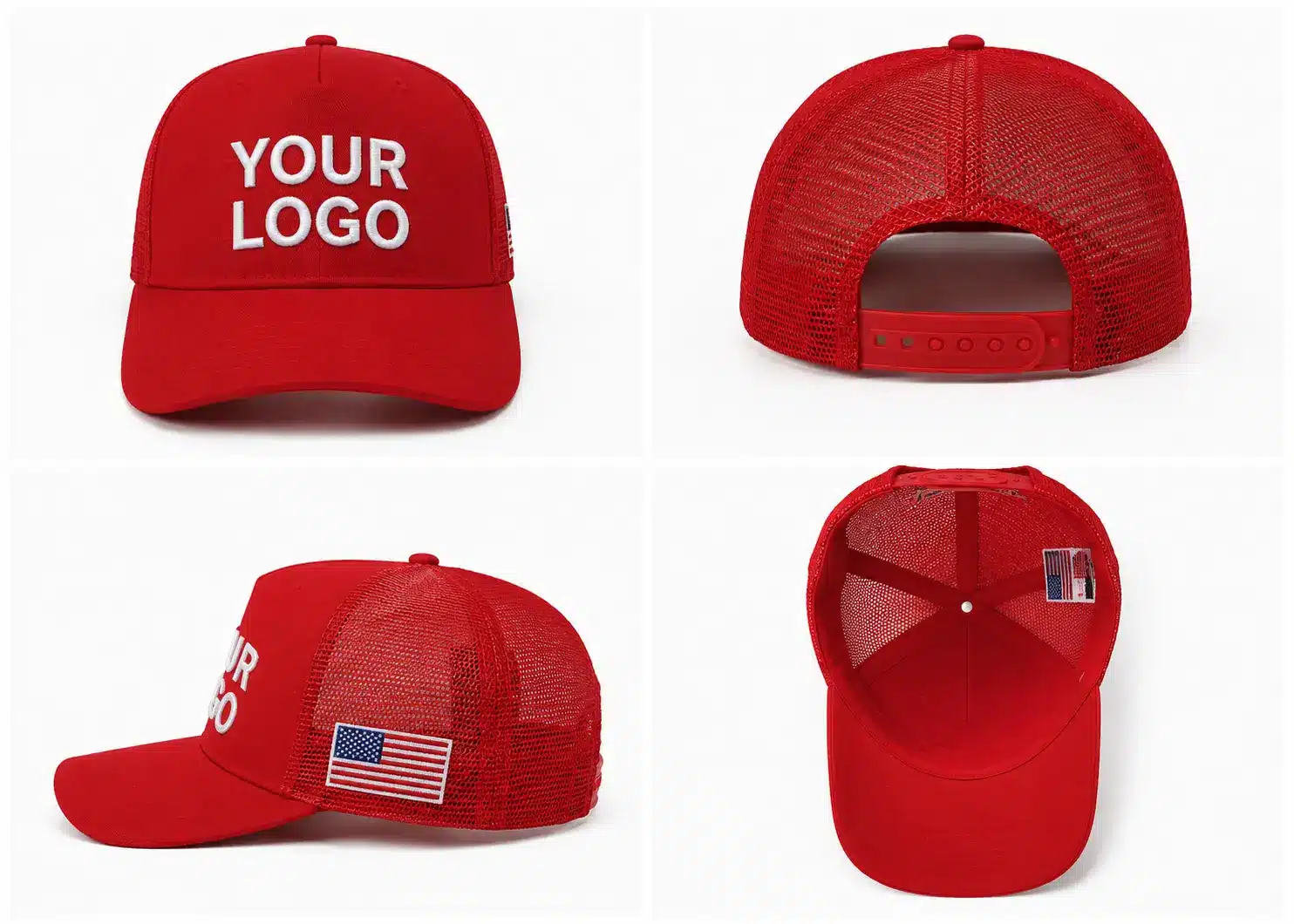
Define the Crown Shape and Fit
The crown establishes the hat’s profile, proportions and fit. Panel layout, crown height, depth, structure and front support are reviewed together to develop the intended shape.
Panel Construction
Select the panel layout and seam configuration, such as five-panel, six-panel or another project-specific construction. Panel proportions influence the crown shape and available decoration area.
Structured or Unstructured Crown
Internal support creates a more defined front shape, while an unstructured crown provides a softer profile. The appropriate construction depends on the intended appearance, material and decoration.
Crown Profile and Depth
Define the relationship between crown height, depth and overall proportions. Reference hats and physical sampling help communicate and confirm the intended profile.
Front Support
Buckram, foam and other suitable support materials may be evaluated according to the required front shape, fabric and decoration method.
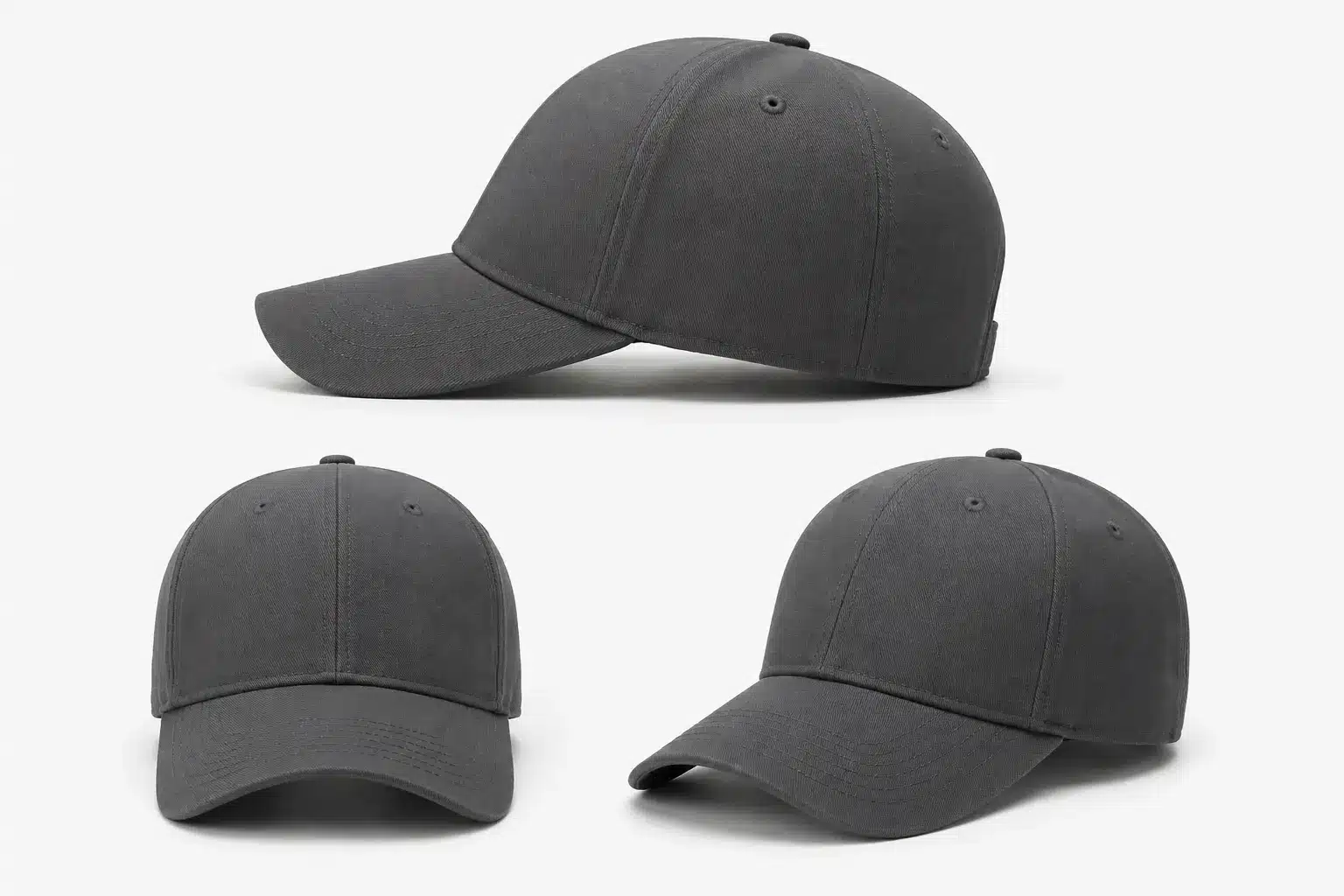
Confirm During Sampling
- Crown height and depth
- Panel proportions and symmetry
- Empty-hat profile
- On-head shape and fit
- Front support and shape recovery
- Decoration area
- Circumference and adjustment range
Choose the Material Direction for the Hat
Material selection influences the hat’s appearance, hand feel, structure and intended use. Available options are reviewed according to the selected hat style, construction, decoration and project quantity.
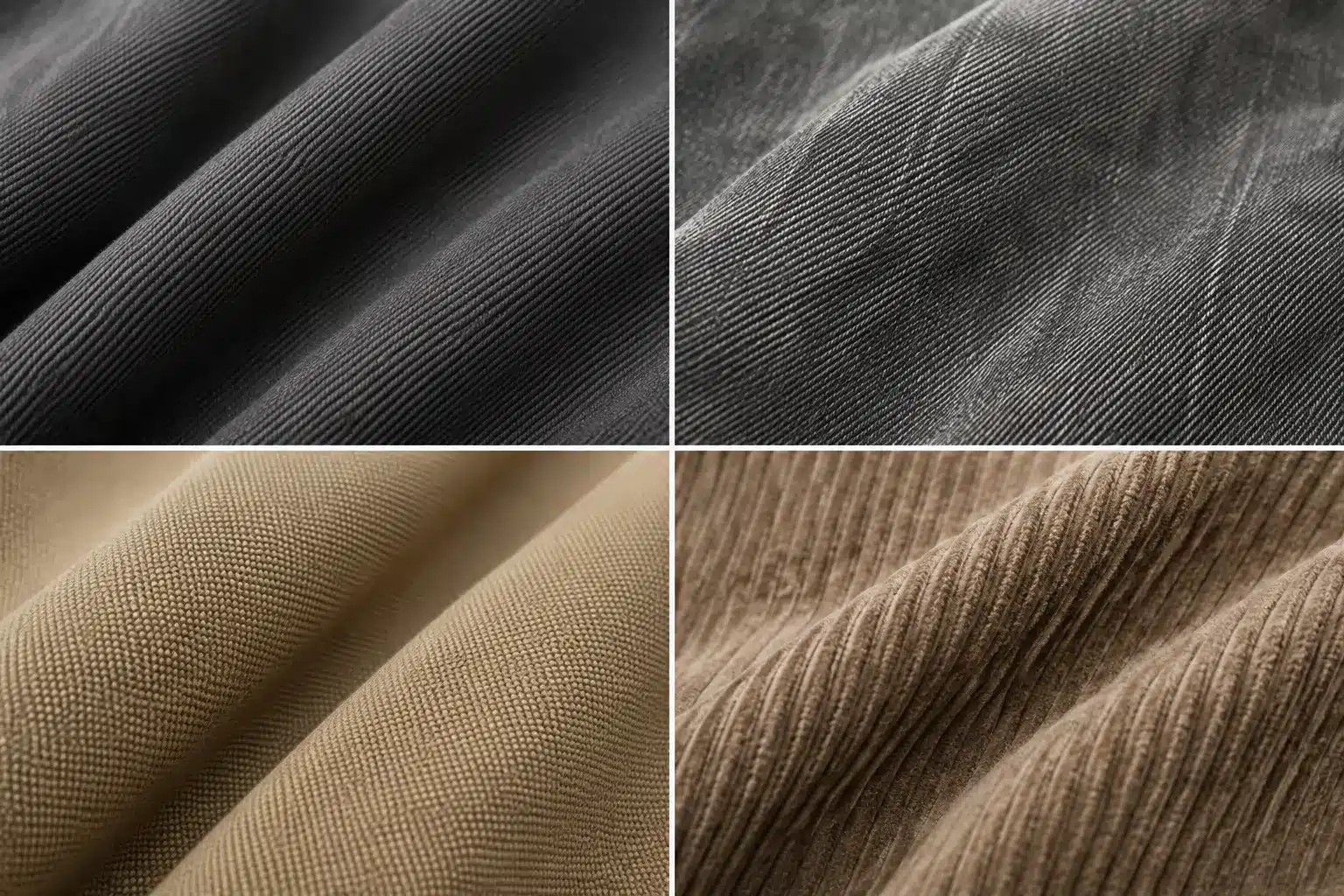
Natural and Textured Fabrics
Options may include cotton twill, washed cotton, canvas and corduroy for different levels of structure, texture and surface character.
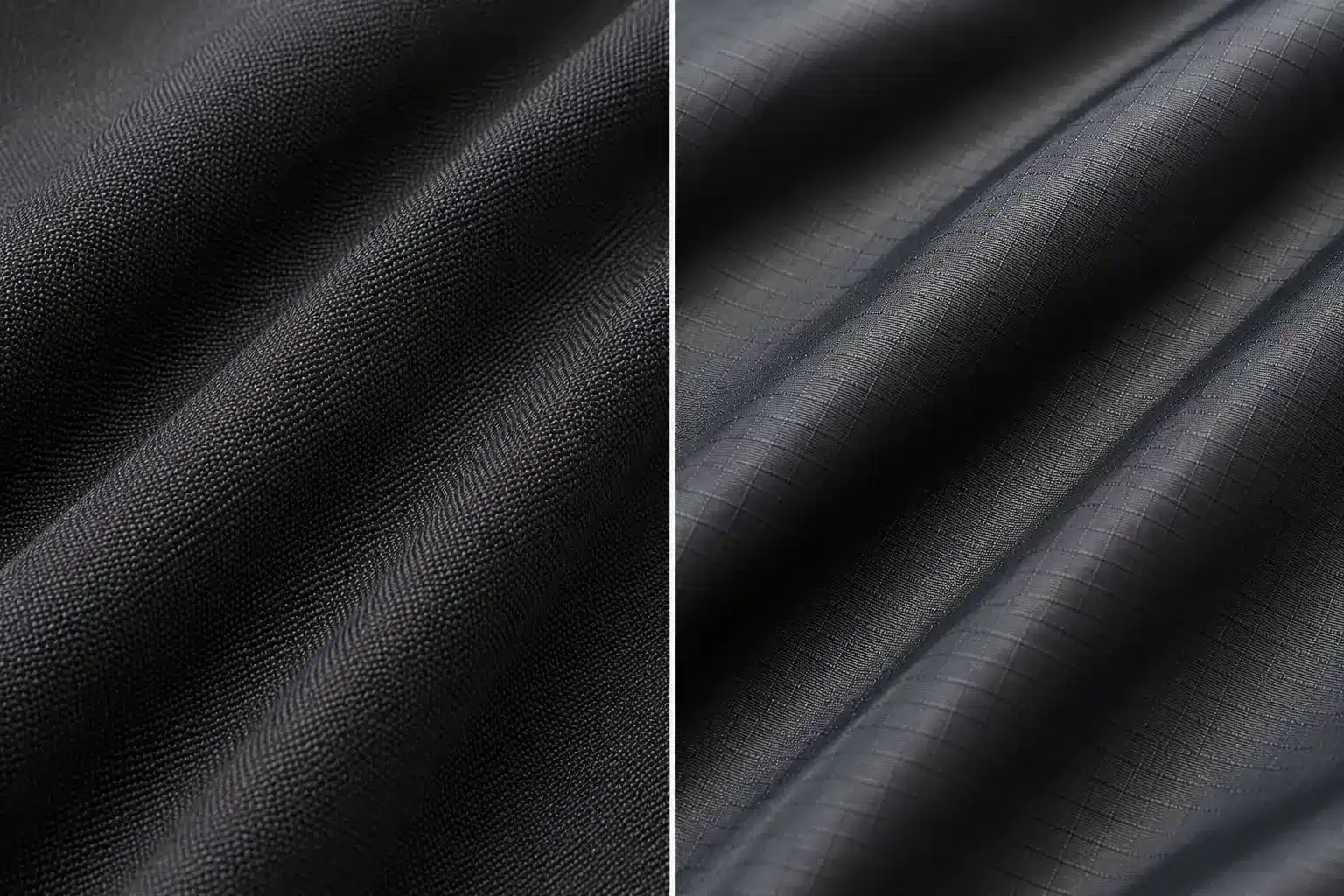
Lightweight and Performance Fabrics
Polyester and nylon options may support lightweight, active or outdoor-oriented hats when their properties match the intended use.
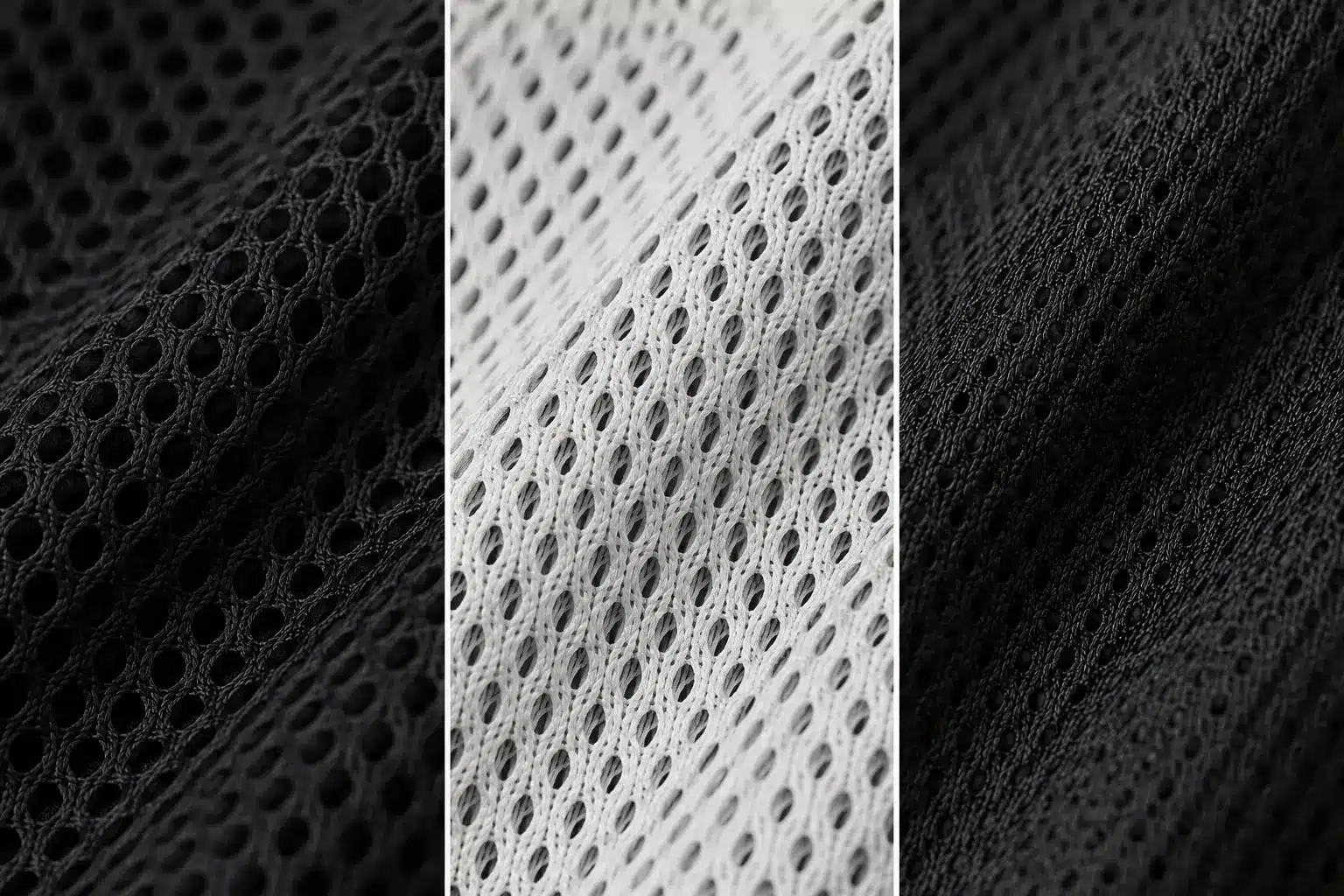
Mesh and Ventilated Constructions
Mesh type, hole size, stretch, recovery, hand feel and color are selected according to the hat construction and ventilation requirements.
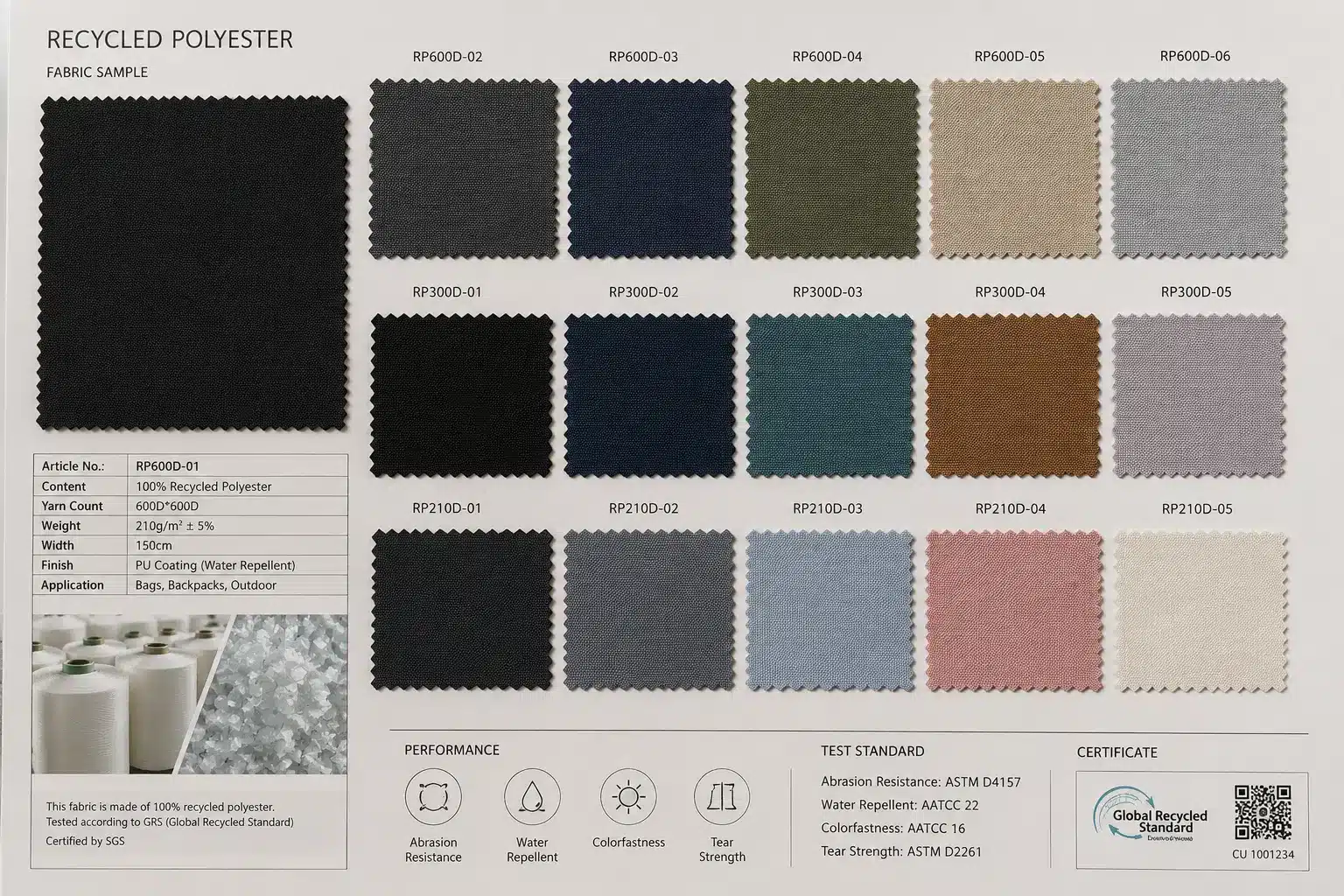
Recycled Material Options
Recycled-content materials may be reviewed when suitable options, supporting documentation and required production quantities are available.
Surface and Color Options
- • Solid-color or piece-dyed appearance
- • Garment-washed appearance
- • Pigment-dyed finish where suitable
- • Heathered or textured surfaces
- • Contrast panels or mesh
- • Custom color development subject to material and quantity requirements
Color Approval
A Pantone reference communicates the intended color direction, but fiber, texture, washing, finishing and lighting can affect the visible result. When color is critical, approval should be based on the selected material or physical sample.
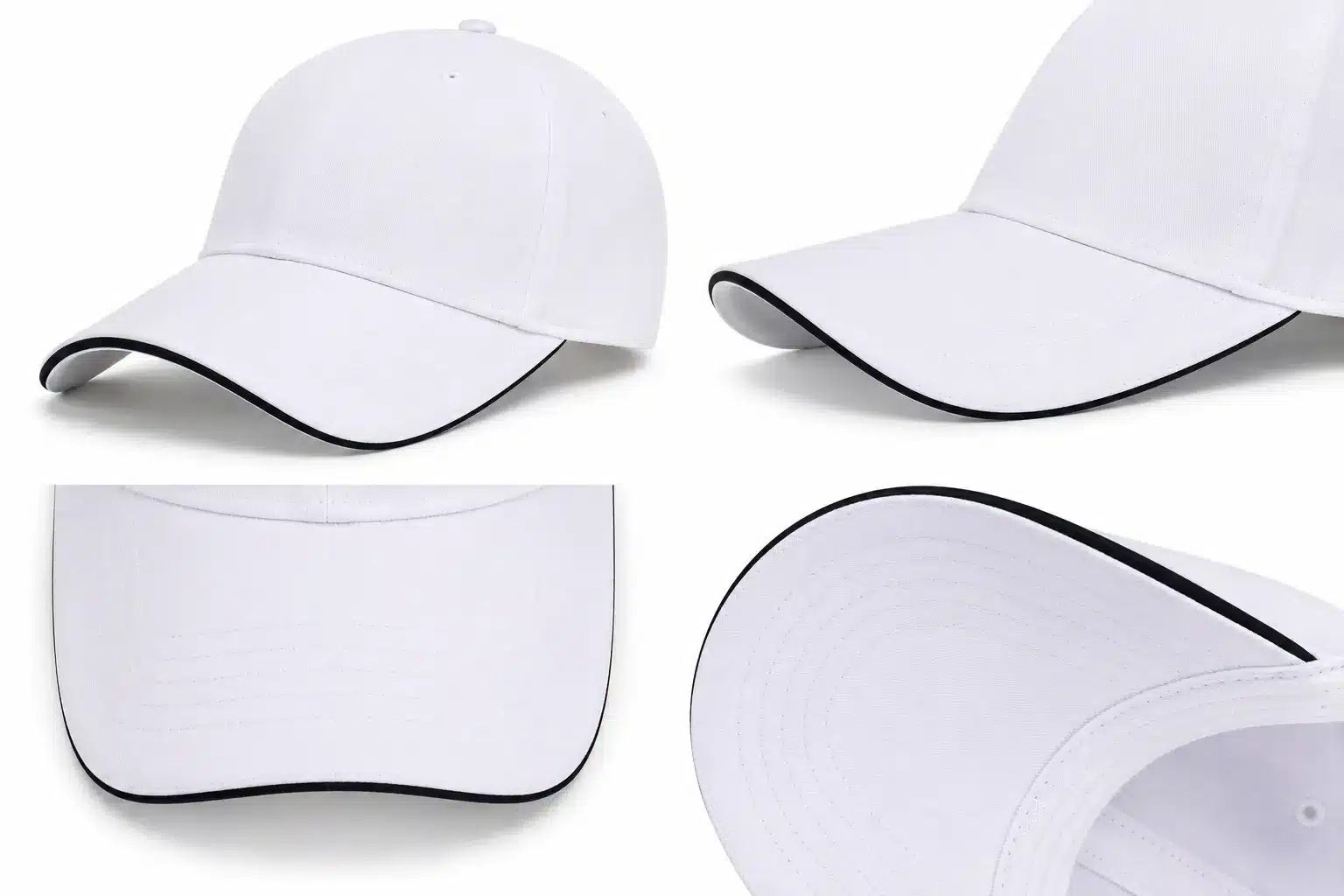
Define the Visor Shape, Structure and Finish
The visor influences the hat’s silhouette, coverage and overall proportions. Its profile, dimensions, insert and finishing details are selected according to the crown construction, intended use and required appearance.
Visor Profile and Dimensions
Options may include flat, semi-curved and pre-curved profiles, together with suitable visor lengths and widths. Final dimensions are developed in relation to the crown proportions and intended product direction.
Insert and Stiffness
The selected visor insert and edge construction determine how firmly the visor holds its shape and how it responds when curved. Stiffness, recovery and the finished profile should be confirmed on the physical sample.
Visor Finish Options
- Matching or contrast topstitching
- Selected stitch-row count
- Matching or contrast undervisor
- Sandwich-edge construction
- Matching or contrast visor fabric
Note: Visor options are reviewed together with the crown construction and selected materials. Not every profile, insert or finish is suitable for every hat style.
Choose the Back Construction and Closure Type
The back construction affects fit, adjustment and the finished appearance of the hat. Closure type, back opening and strap arrangement should be selected together according to the hat style and intended use.
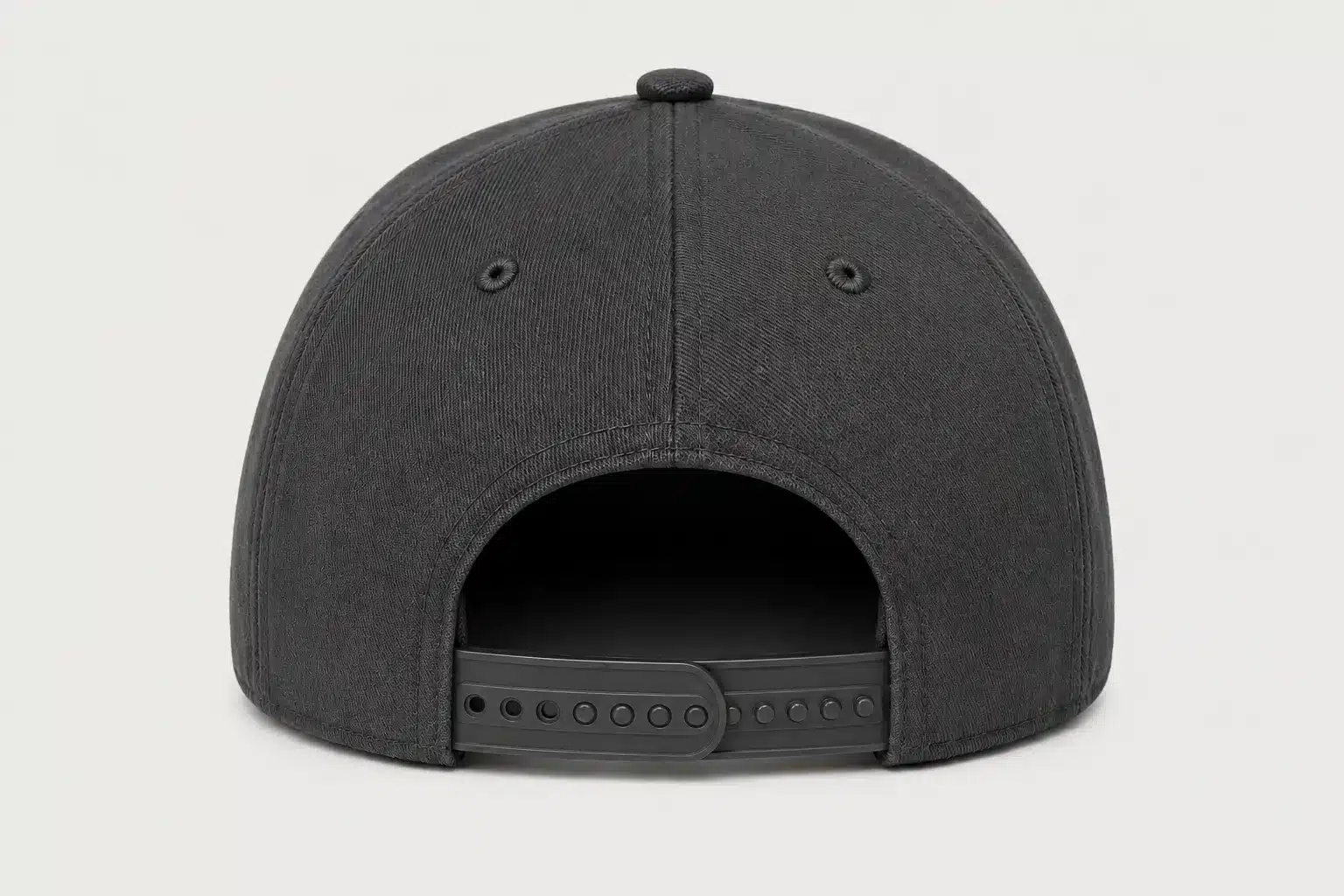
Plastic Snapback
Provides quick, incremental adjustment and is commonly used on structured caps, trucker hats and flat-visor styles. Closure color and attachment should coordinate with the overall hat design.
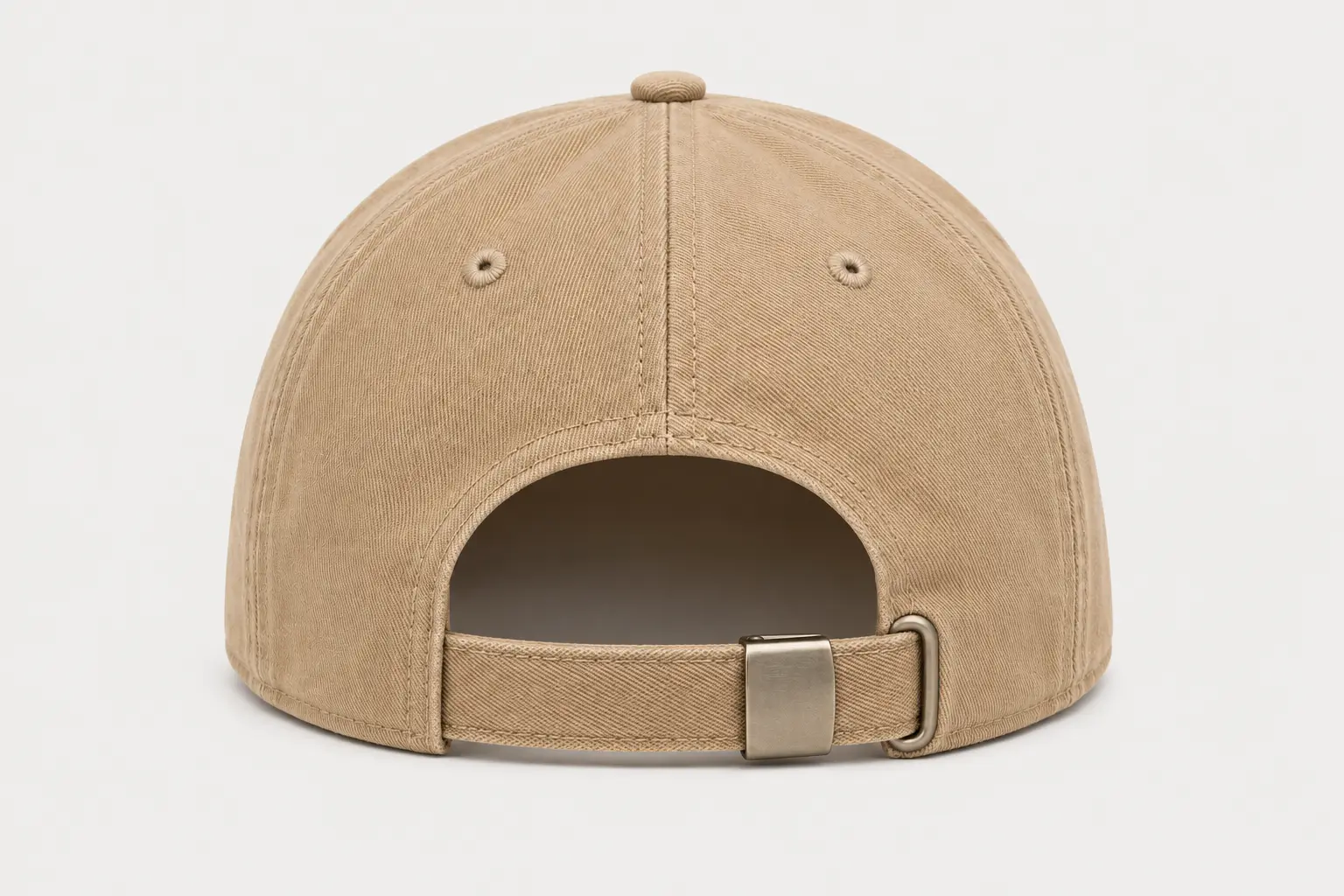
Fabric Strap + Metal Closure
Combines a fabric strap with a compatible metal buckle or clasp. Strap width, hardware finish, adjustment range and excess-strap storage can be developed together.
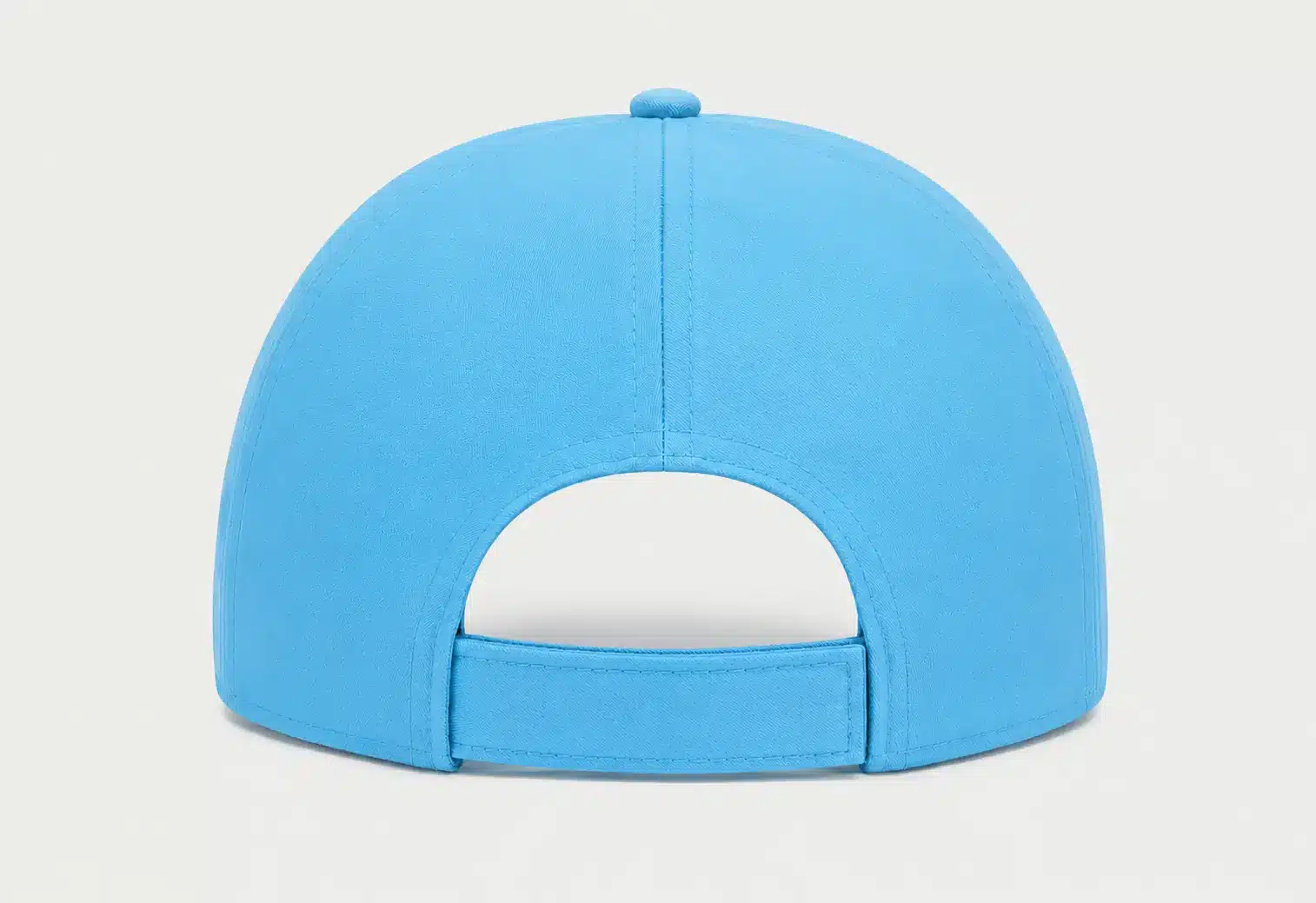
Hook-and-Loop Closure
Provides simple, direct adjustment through overlapping tabs. Tab width, edge softness and attachment should be reviewed for comfort and a clean back appearance.
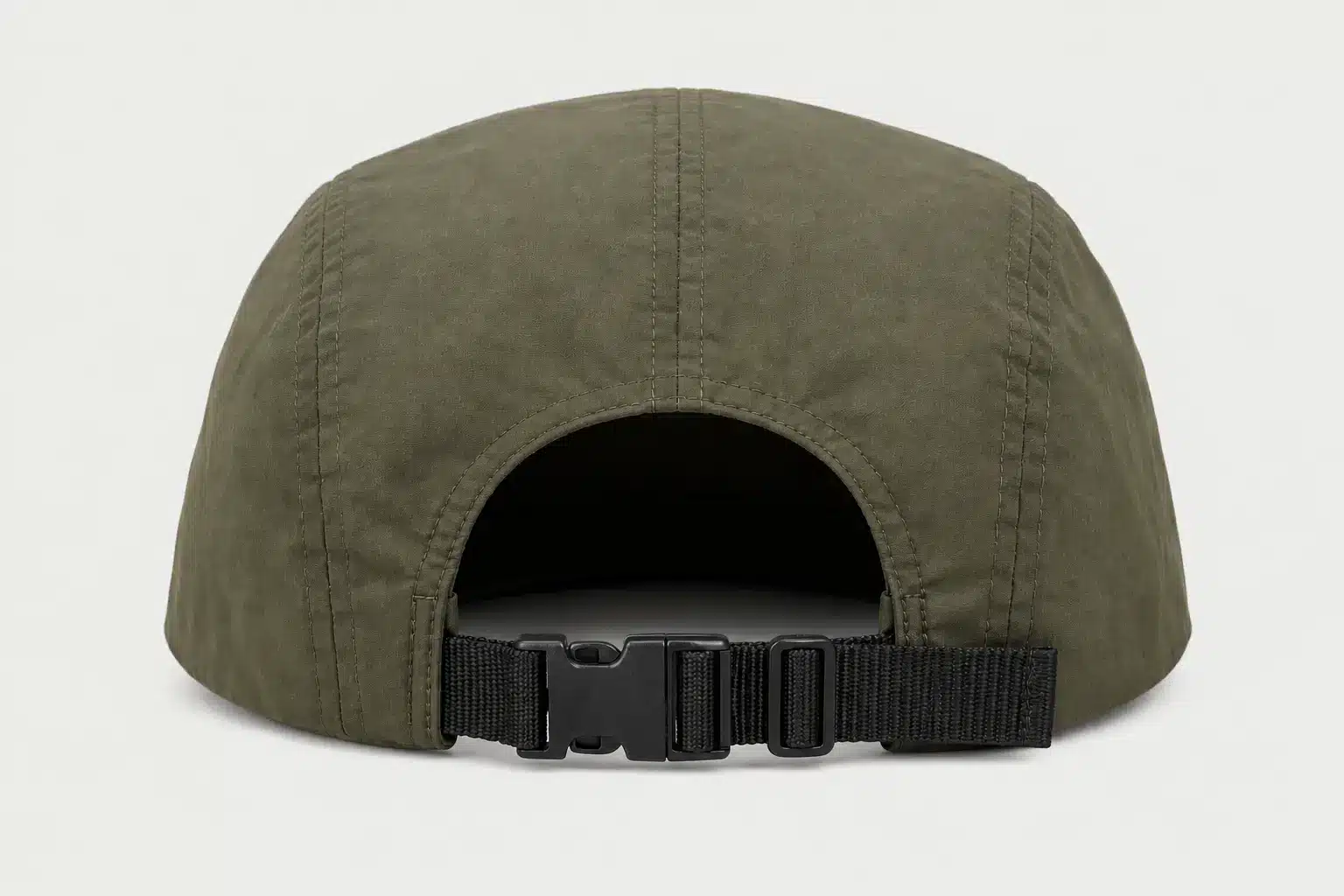
Nylon Webbing + Clip
A functional option for selected outdoor, performance and five-panel hats. Webbing width, clip size, color and adjustment range should suit the intended use.
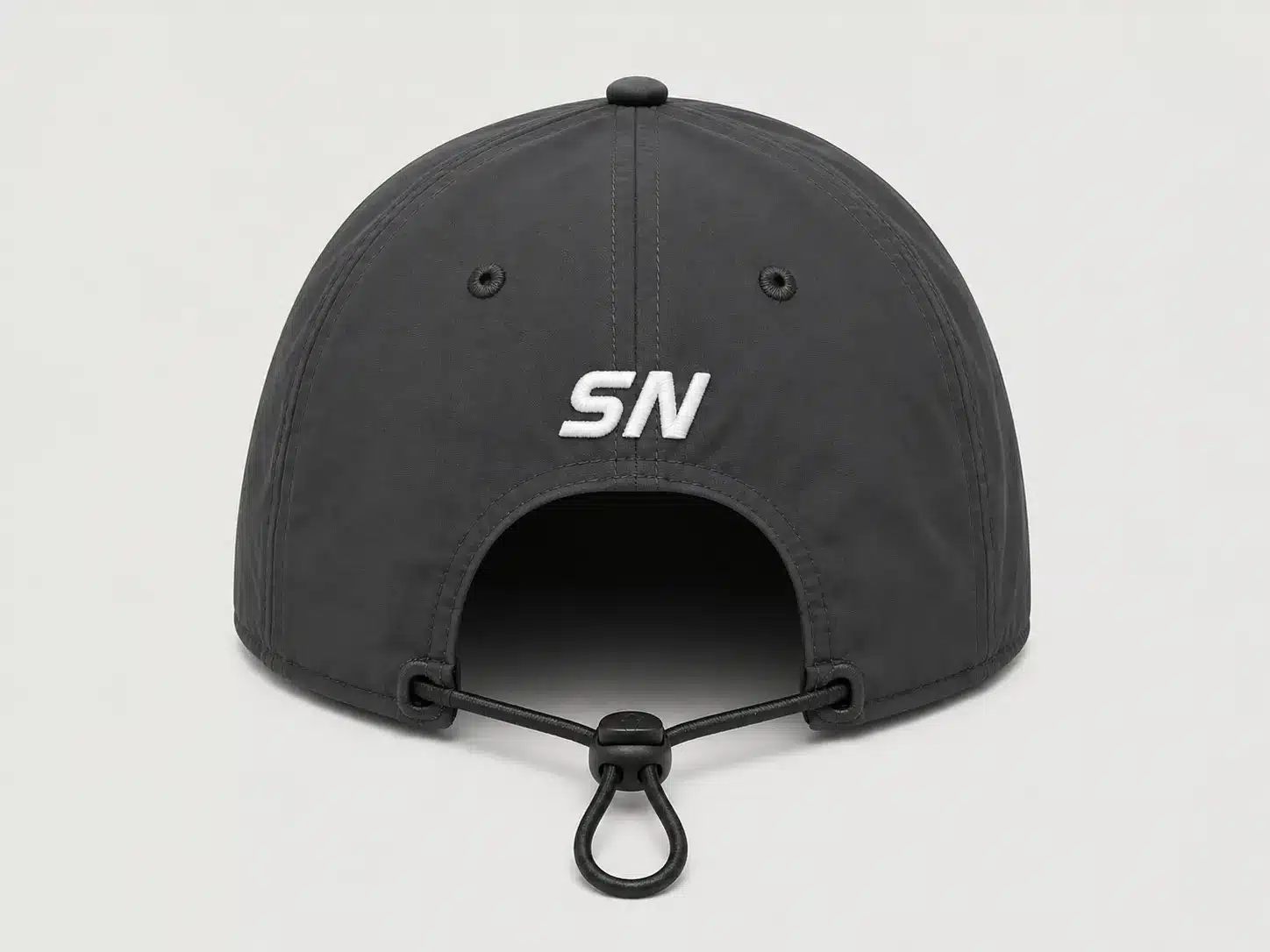
Elastic Cord + Stopper
May be used on compatible outdoor and performance styles. Cord tension, stopper operation, loose-end control and wearing comfort should be confirmed on the physical sample.
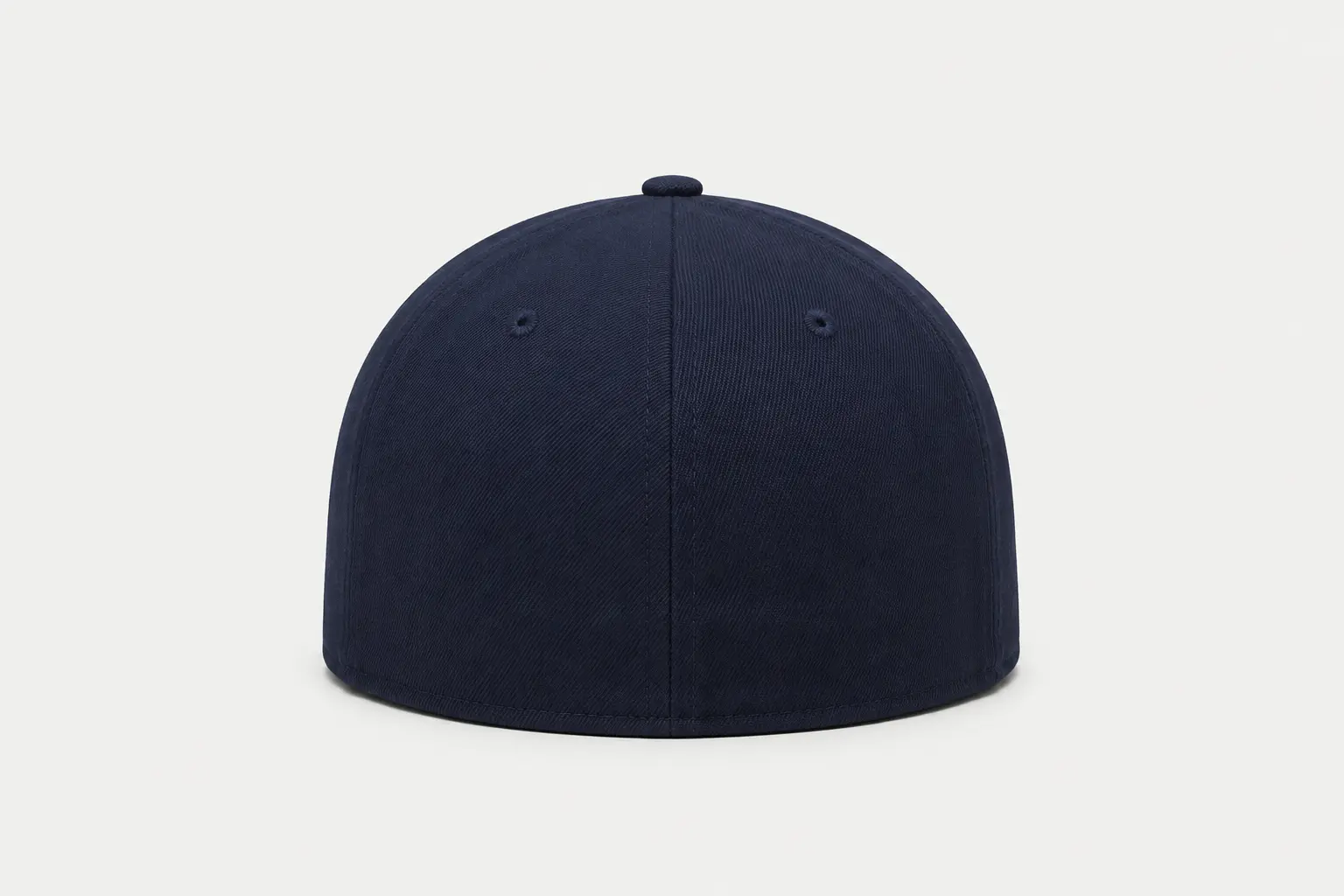
Fitted or Closed Back
Creates a continuous back without an adjustable opening. Hat circumference, size range and seam placement should be defined during product development.
Confirm the Complete Back Construction
The selected closure should be reviewed together with the back opening, edge finishing, attachment points and strap storage. Final fit, operation and appearance should be confirmed on the physical sample.
Match the Embroidery Method to the Artwork and Hat Structure
Embroidery results depend on the artwork, stitch coverage, material and crown construction. The embroidery method should be selected according to the required detail, visual depth and available embroidery area.
Artwork Review Before Sampling
- Minimum letter height and line thickness
- Logo dimensions and placement
- Thread colors and contrast
- Panel seams and available embroidery area
- Crown support and material stability
- Backing and interior finishing
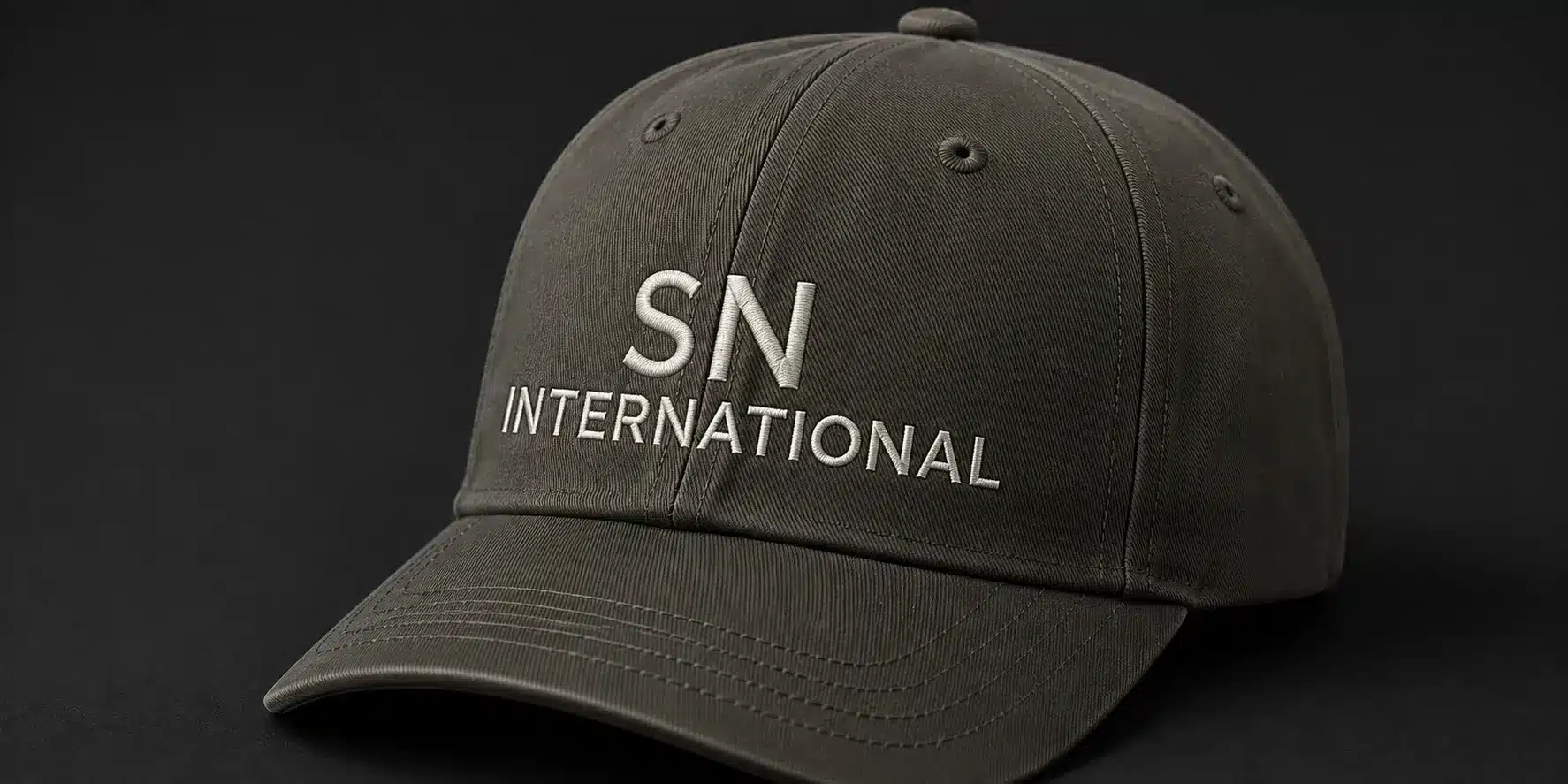
Flat Embroidery
A versatile option for many logos, lettering styles and hat constructions. Line thickness, stitch direction, thread coverage and finished dimensions should be adjusted to suit the artwork and selected material.
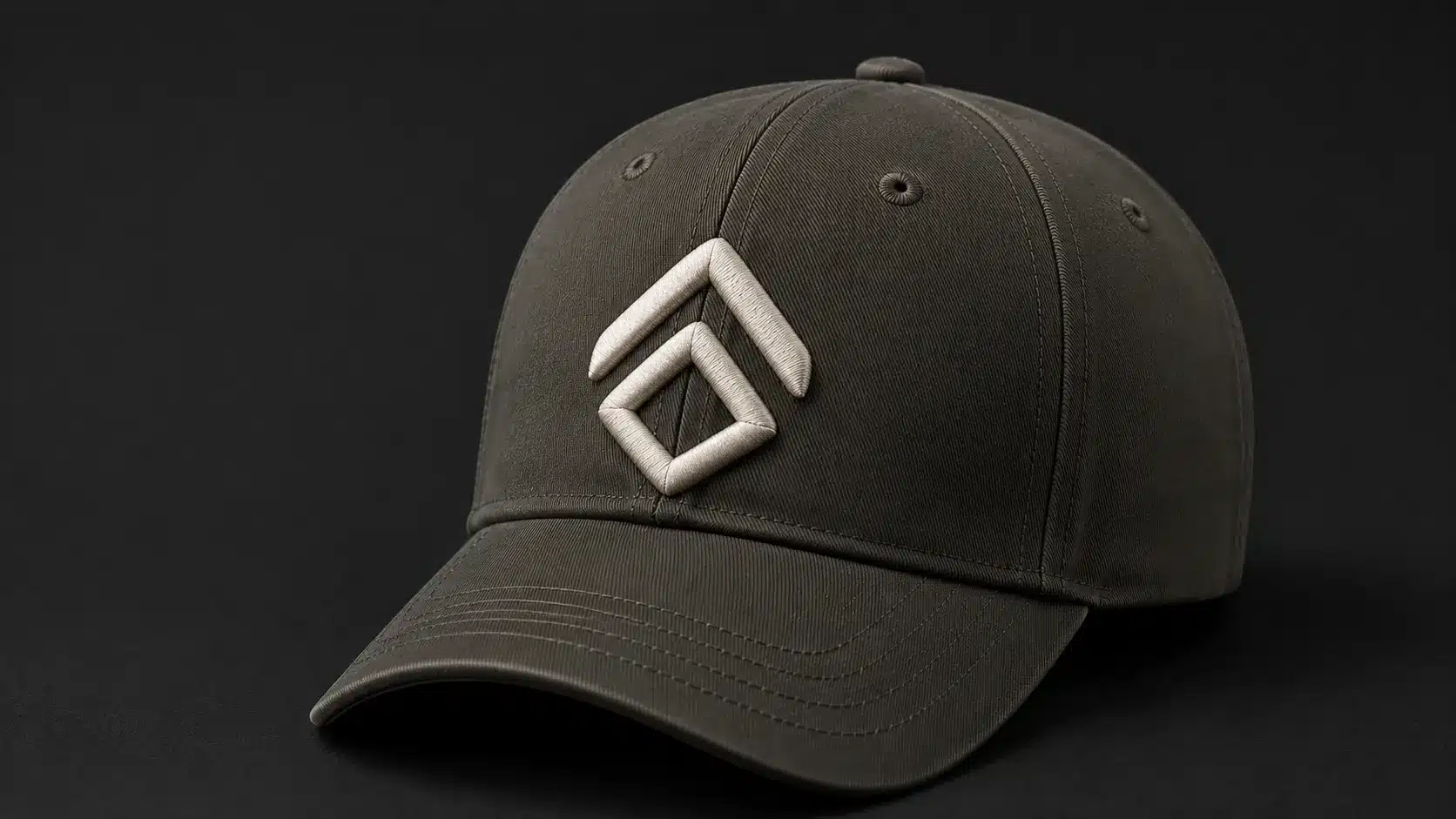
3D Puff Embroidery
Creates a raised, dimensional effect and works best with bold shapes, wider lettering and sufficient spacing. Fine lines, small text and closely spaced elements may require artwork adjustment.
Confirm Embroidery on the Physical Sample
Digital artwork can define size, colors and placement, but it cannot fully represent thread coverage, raised depth, fabric response or the finished crown appearance. These details should be confirmed on the physical sample.
Compare Logo Methods by Detail, Texture and Attachment
Beyond direct embroidery, patches, molded components and transfer methods can create different levels of detail, texture and dimension. Each option should be reviewed according to the artwork, hat material, crown construction, quantity and intended use.
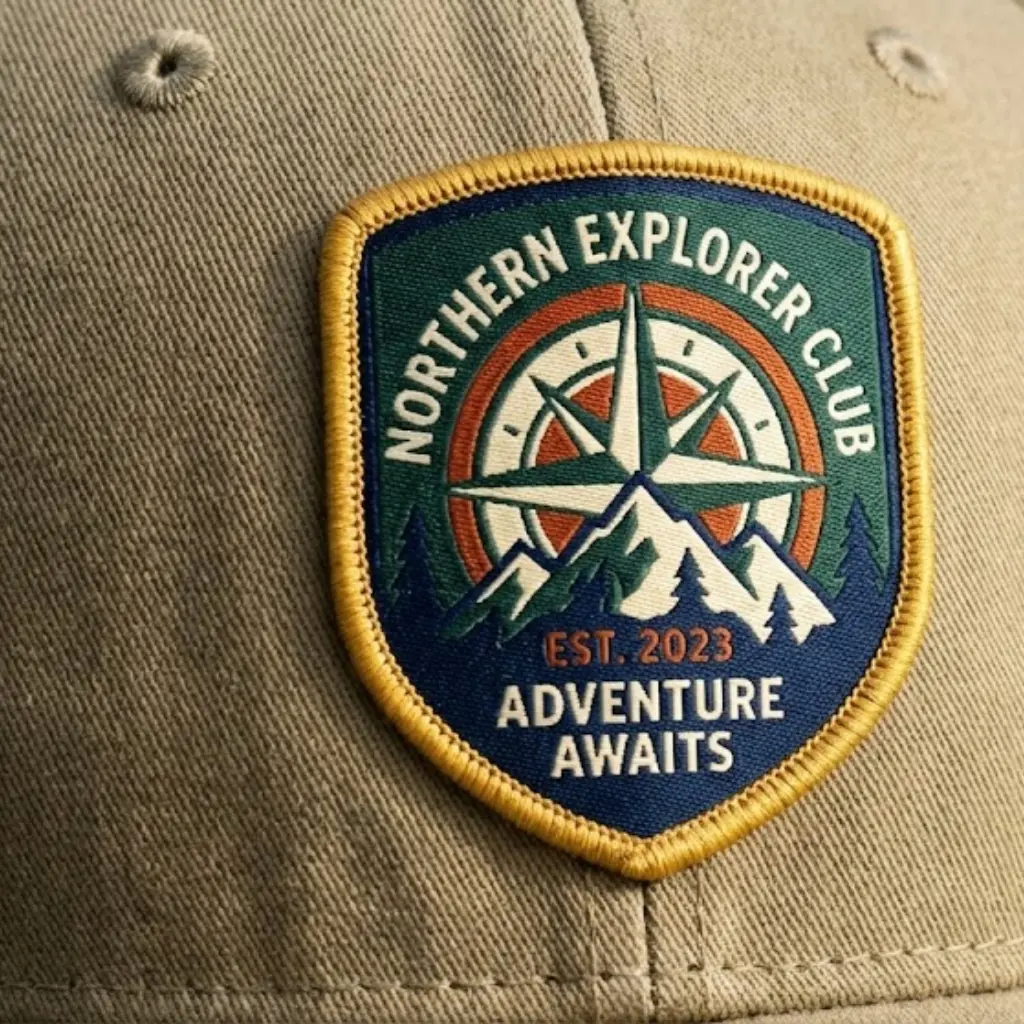
Embroidered & Woven Patches
Embroidered patches provide a traditional stitched texture, while woven patches can reproduce finer lines and smaller details. Patch size, border construction and attachment method affect the finished appearance.
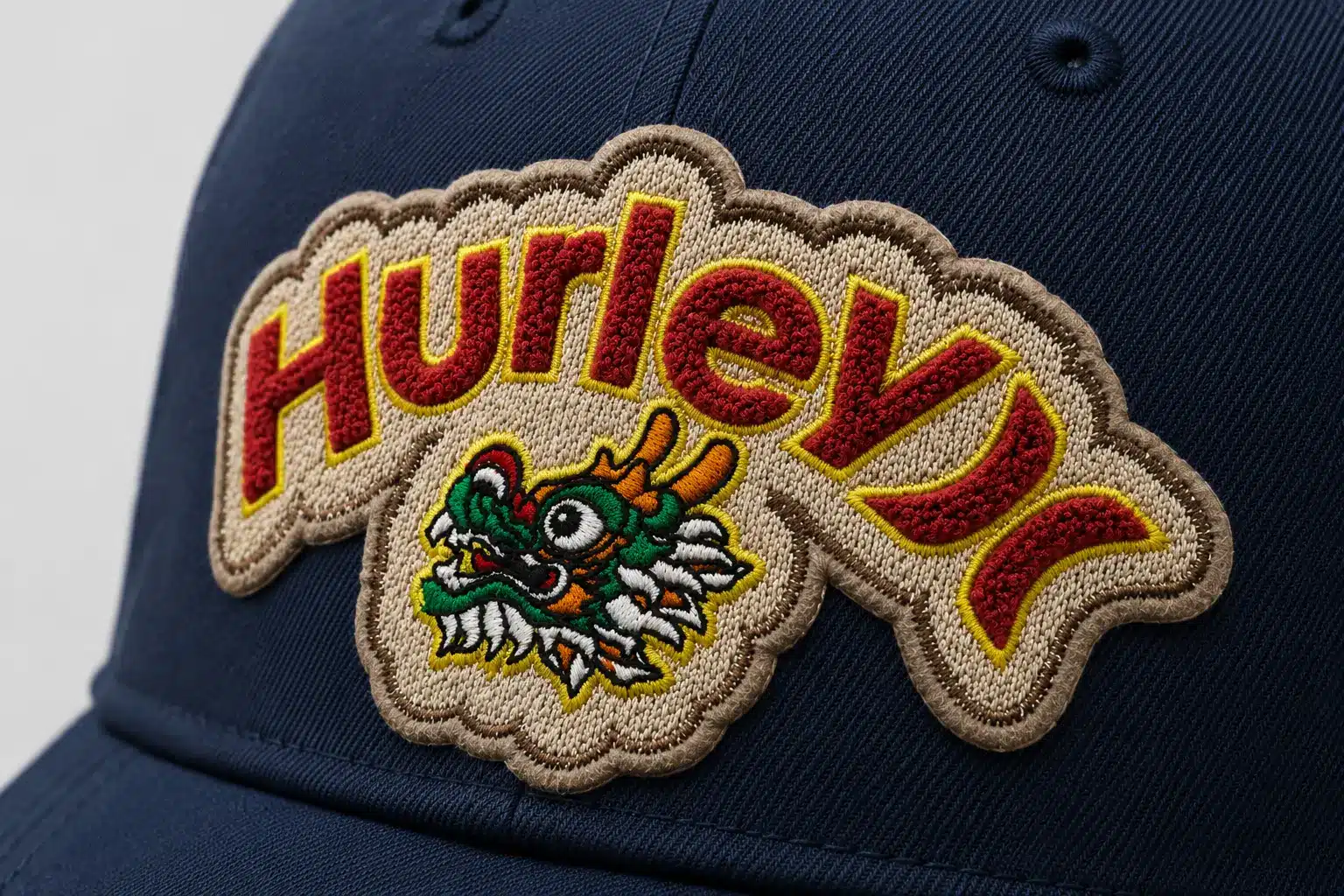
Chenille Patches
Chenille and other textile-based patches create a thicker, more tactile surface. They work best with sufficiently large, simplified artwork and should be evaluated according to the available decoration area.
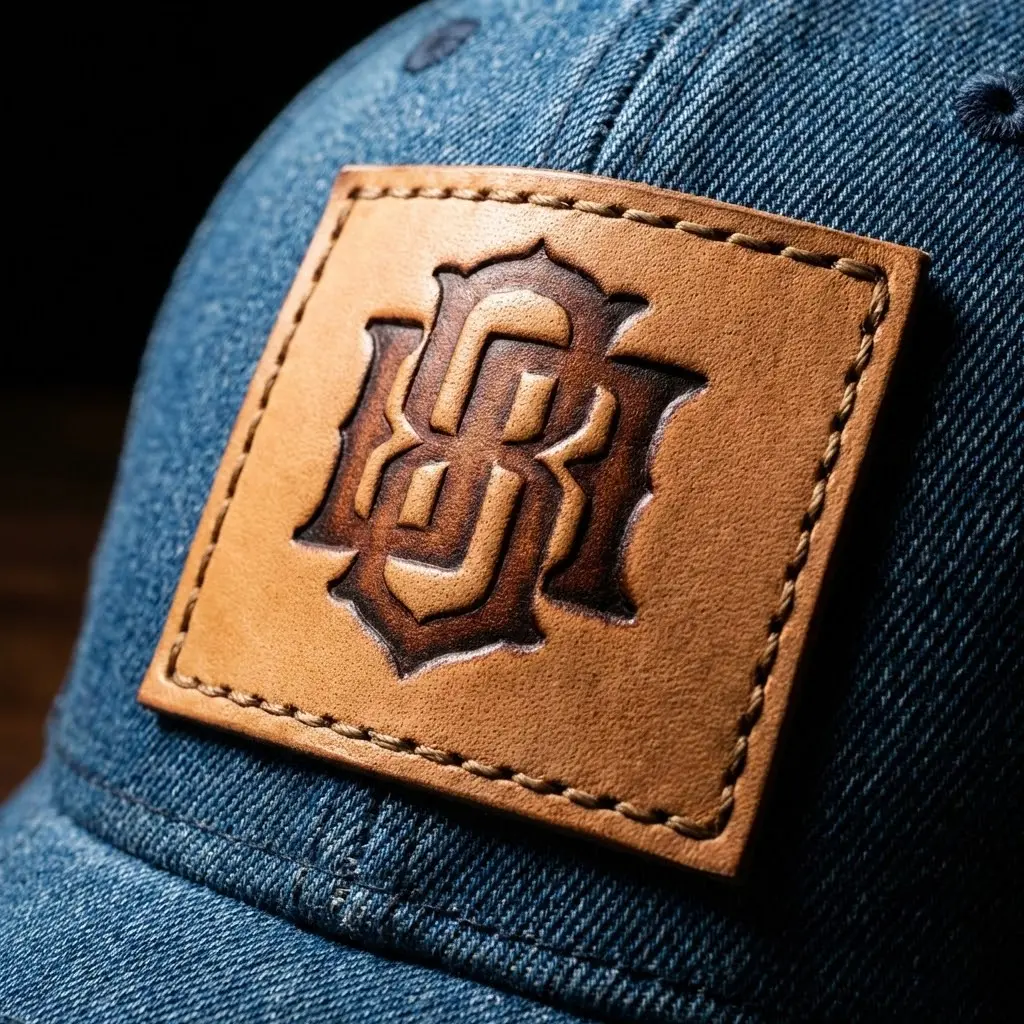
Leather or Faux-Leather Patches
Can use debossing, embossing, engraving or printing depending on the selected material. Color, fine detail, edge finishing and attachment should be reviewed before sampling.
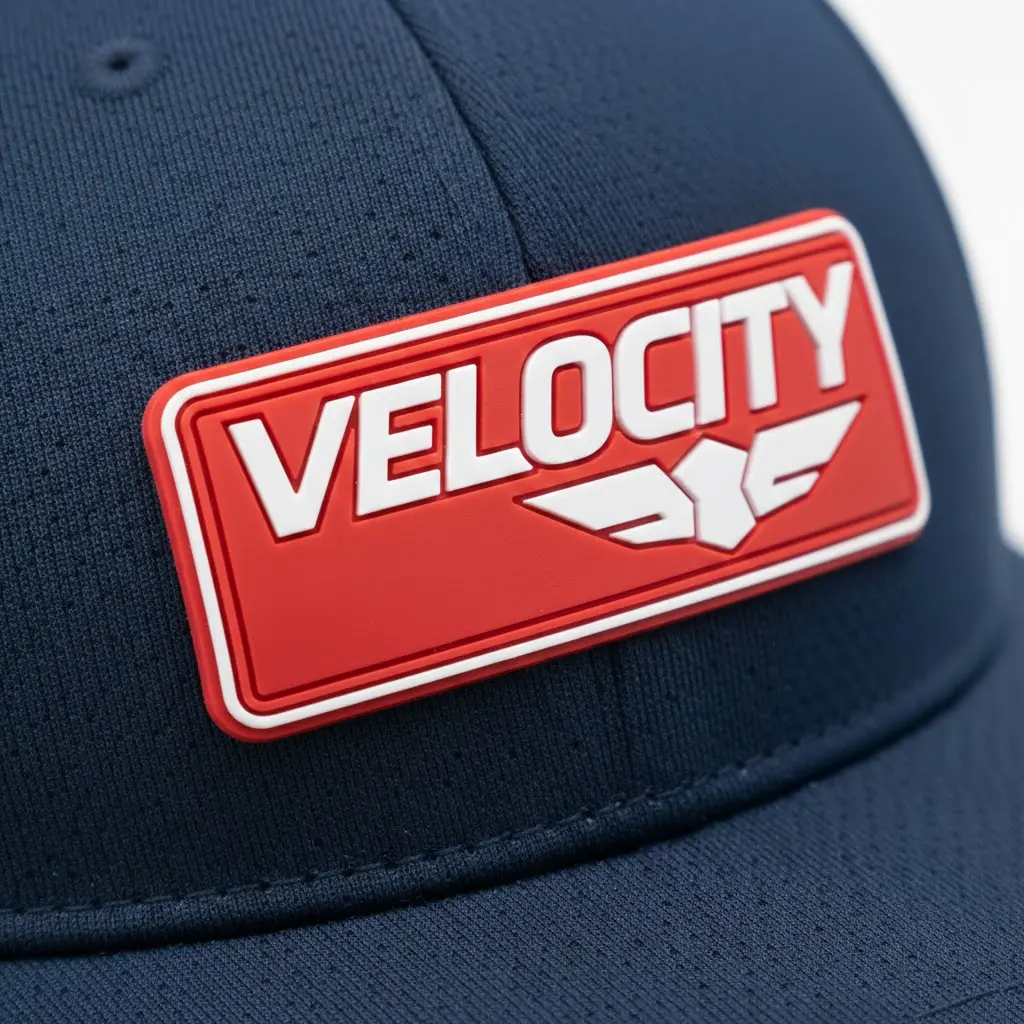
PVC, Silicone or TPU Patches
Create a flexible molded surface with defined relief and color separation. Thickness, edge design, attachment and compatibility with the crown construction should be evaluated.
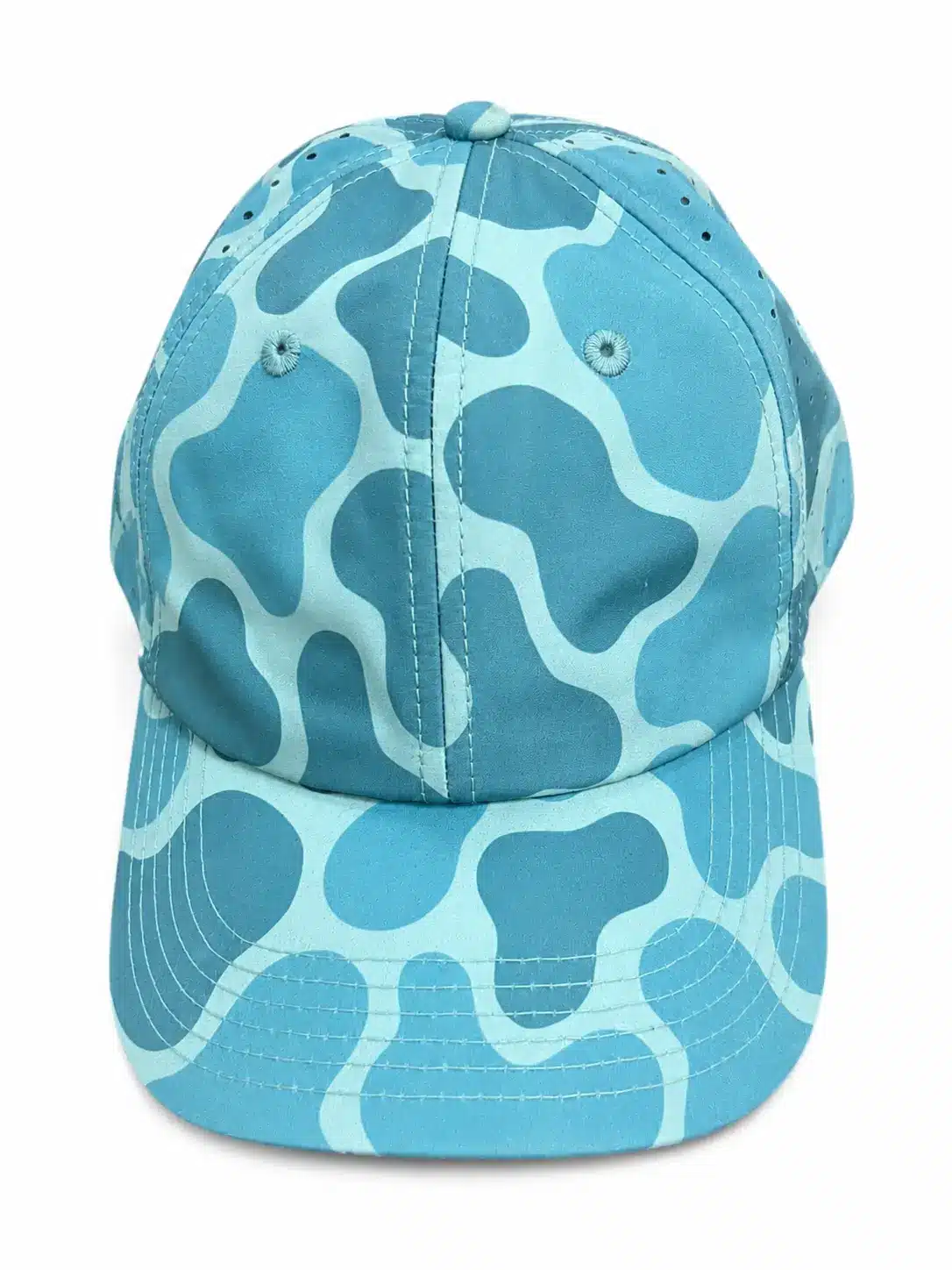
Printing & Heat Transfer
Can support detailed or lightweight branding on compatible fabric surfaces. Print coverage, adhesion, edge appearance, flexibility and heat compatibility should be tested on the selected material.
What to Compare
- • Reproducible detail
- • Surface texture
- • Thickness and flexibility
- • Edge finishing
- • Attachment method
- • Fabric and crown compatibility
- • Interior comfort
- • Intended durability
Patches and other branded components are developed only as part of a complete custom hat project. They are not offered as standalone products.
Plan Branding Positions as One Coordinated System
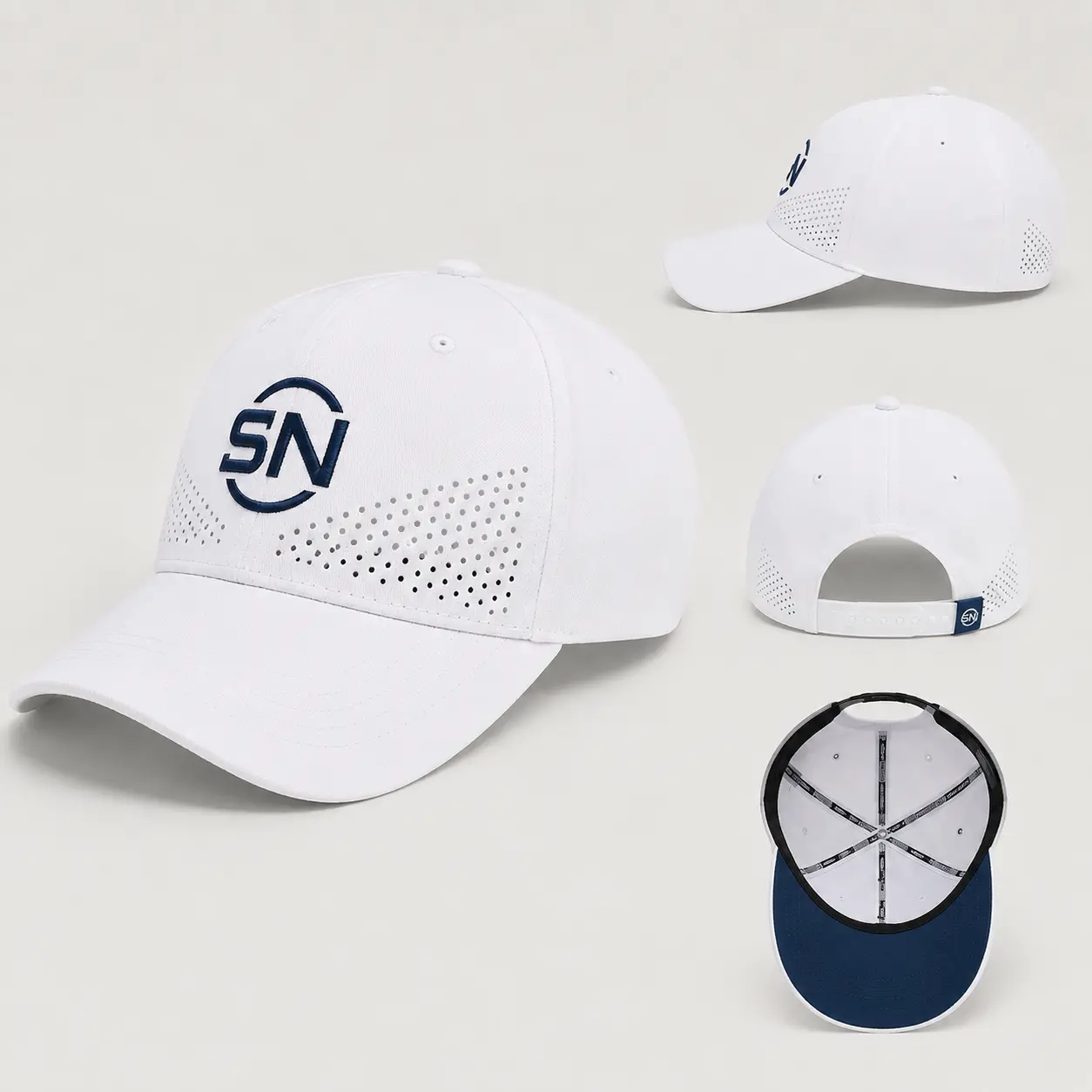
Branding can extend beyond the front of the hat. Primary and supporting elements should be coordinated across the exterior and interior according to the hat construction, available space and visual priority.
Exterior Positions
- • Front center or offset
- • Left or right side panel
- • Above or beside the back opening
- • Back center on a closed-back hat
- • Visor top or underside, where compatible
- • Closure strap or webbing
Interior Positions
- • Main brand label
- • Size label
- • Care and content label
- • Branded crown seam tape
- • Sweatband branding, where compatible
Placement Review
Review the usable area, panel seams, eyelets, distance from edges, logo scale and the relationship between primary and supporting branding. Final placement and production tolerances should be confirmed on the physical sample.
Not every branding position is compatible with every hat construction or decoration method. Position, size and application should be evaluated as part of the complete product specification.
Complete the Interior Labels and Packing Details
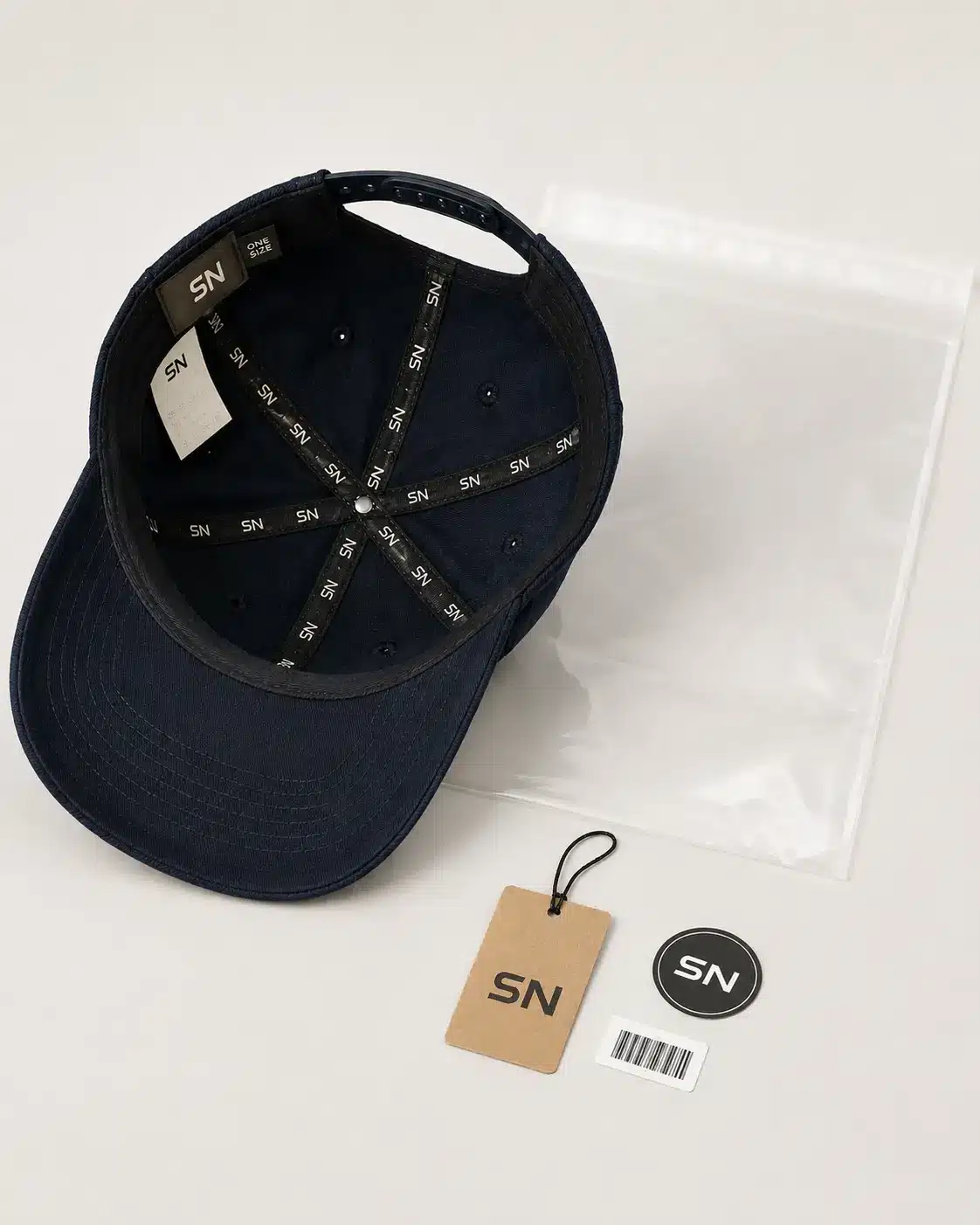
Interior labels and packing details support brand identity, required product information and order handling. The appropriate elements should be selected according to the product, destination market and sales program.
Brand and Size Labels
A woven or printed main label can carry the approved brand identity, while a separate or integrated size label identifies the finished size or size range. Dimensions, folding, attachment and readability should be confirmed.
Care and Content Labels
May include approved fiber content, care instructions, country of origin and other required product information. Label content and format depend on the destination market and sales program.
Branded Interior Finishes
Branding may be added to compatible crown seam tape or sweatbands when appropriate for the project. Repeat spacing, contrast, readability, comfort and construction compatibility should be reviewed during sampling.
Hangtags, Stickers and Packing
Depending on the program, the finished order may include hangtags, visor stickers, barcode labels, individual bags and carton marks. Content, placement, quantities and packing instructions should be confirmed before production.
Review the Complete Hat Before Approval
Artwork, reference images, material swatches and component samples can help define the product direction, but they cannot show how every element will work together. The complete physical sample should be reviewed before bulk production.
Shape and Fit
Review crown height, depth, support, visor proportions, circumference and the overall on-head appearance.
Material and Color
Review hand feel, texture, finish, color accuracy and any natural variation caused by the material or washing process.
Closure and Back Construction
Review adjustment range, operation, strap storage, back-opening shape, hardware finish and wearing comfort.
Exterior Decoration
Review logo size, position, colors, stitch or surface quality, attachment, edge finishing and any effect on the crown shape.
Interior Labels and Branding
Review label content, size, orientation, seam-tape repeat, sweatband branding, readability and interior comfort.
Revisions
Required changes should be documented clearly. A revised sample may be necessary when changes materially affect fit, construction, materials, washing, closure or decoration.
Project Specifications Affect MOQ, Cost and Lead Time
Custom hat projects do not have one universal price, MOQ or lead time. Materials, construction, decoration, quantity, private-label details and delivery requirements must be reviewed together before the project can be quoted accurately.
What Affects MOQ?
- • Selected material
- • Custom-dyed fabric
- • Specialized construction
- • Custom closures or components
- • Decoration method
- • Artwork complexity
- • Private-label requirements
- • Number of designs and colorways
What Affects Cost?
- • Hat construction
- • Material and surface finish
- • Order quantity
- • Number of product colors
- • Decoration method, size and locations
- • Washing or finishing processes
- • Custom tooling or molds
- • Interior branding and packaging
What Affects Lead Time?
- • Material and component availability
- • Artwork readiness
- • Sample complexity
- • Required revisions
- • Review and approval time
- • Production quantity
- • Packaging requirements
- • Shipping method and destination
Helpful for Initial Review
- • Preferred hat style or reference
- • Intended material and appearance
- • Logo artwork, if available
- • Decoration locations
- • Estimated quantity
- • Delivery destination
- • Target in-hand date
Standard MOQ starts at 100 pieces per design and colorway. Requirements may vary by hat construction, materials and decoration.
Custom Hat Development Questions
Do I need to choose every option before contacting you?
Can I send a physical hat as a reference?
Can you reproduce an exact hat fit?
Can I specify a Pantone color?
Can I combine more than one decoration method?
Can the inside of the hat carry custom branding?
Does every option work with every hat style?
What is the standard MOQ?
Will I approve a physical sample before bulk production?
Do you sell patches, labels or buckles separately?
Tell Us About Your Custom Hat Project
Share your idea, logo or reference image. We’ll review your project and help identify the next steps.