
A low hat quote is only useful when it describes the same product and service as the alternatives. If one price includes a physical sample, custom label and agreed packing while another omits them, the numbers are not directly comparable. The goal is not to avoid a lower price; it is to know what that price buys.
This is a comparison method, not a claim that higher-priced hats are better. It is separate from an MOQ guide: the question here is whether two offers cover the same approved construction, work and delivery assumptions.
Put the same specification in front of every supplier
Give each supplier the intended hat style, crown structure, fabric, decoration, closure, label, packaging, quantity by color, delivery destination and target date. If any part is undecided, mark it as an open question. Otherwise each supplier may price a different interpretation of your brief.
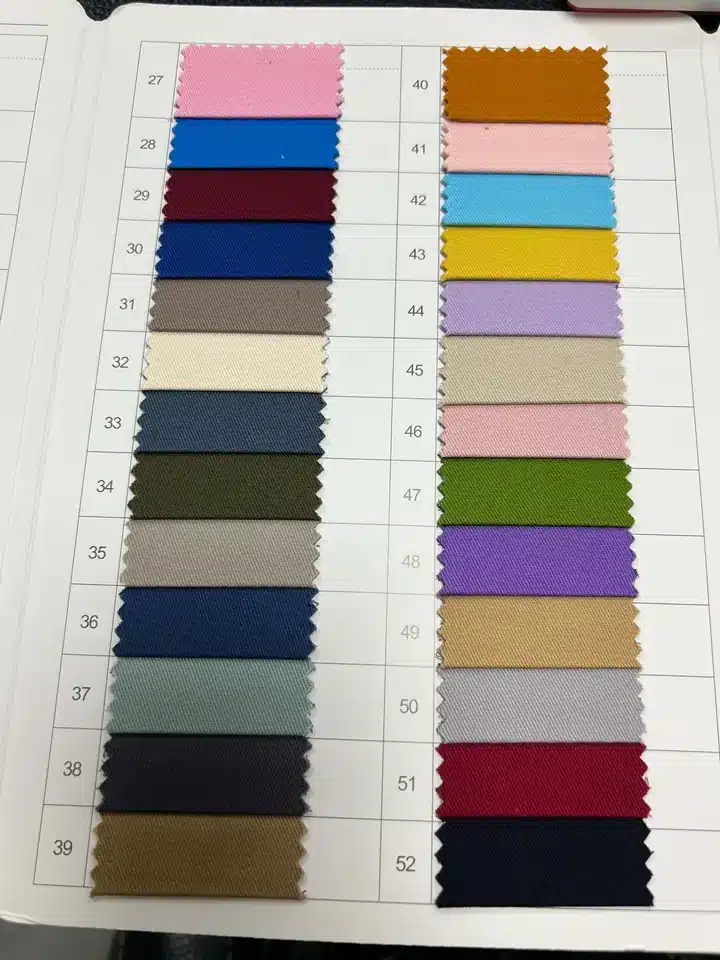
Attach a reference photo and, where possible, a physical sample or fabric reference. Distinguish “must match” items from preferences that can be proposed differently. Ask the supplier to list exclusions and substitutions in its response. Without that discipline, a lower number may simply describe a different cap.
| Quote item | Question to ask |
|---|---|
| Sample development | What is included, and what happens if the sample needs a revision? |
| Decoration | Is the quoted method, size, placement and number of positions specified? |
| Materials and components | Which fabric, closure, labels and trims are included? |
| Quantity | Is the price based on the total order or on each color and design? |
| Packing and delivery | What packing is included, and which freight or destination costs remain outside the quote? |
Separate product cost from project cost
A per-piece price does not show every cost of getting an approved product to its destination. Sampling, revisions, special components, packaging and freight may be quoted separately. Ask for an itemized commercial offer and the point at which a change to the approved specification changes the price.
For a fair comparison, put the one-time development items in one column, recurring per-piece items in another and destination-related items in a third. Note currency, payment terms and quote validity. If decoration setup is charged once but the unit price is lower, the total can change with quantity. Do not compare only the unit-price line while ignoring the rest of the offer.
Price also depends on the production route. A hat developed from a new specification can require more coordination than adding decoration to an existing blank. If full custom construction matters, compare quotes for that same construction; a stock-cap price is a different product, not a cheaper version of the same one.
Normalize the offers before making a choice
Make a simple side-by-side sheet with the buyer’s required specification at the left and each supplier’s answer beside it. Mark an item as included, excluded, alternative proposed or unanswered. Resolve the unanswered items before awarding the order. An alternative material can be valid, but it should be reviewed as an alternative rather than silently treated as equivalent.
If different quantities or color splits are proposed, ask for the same mix from each supplier. A quote for one color at a large quantity cannot be compared directly with another for several low-quantity colorways. Likewise, check whether the stated sample fee covers one version or several revisions.
Check the approval and delivery assumptions
Confirm who approves artwork, materials and the physical sample, and when production can start. Ask whether the stated timeline begins at inquiry, deposit, final artwork or sample approval. A delivery promise without an agreed starting point is hard to plan around.
Confirm the delivery term in plain language: where does the supplier’s responsibility end, what packing is included, and who is responsible for freight, import steps and local charges? These details vary by project and destination, so they belong in the written offer. Avoid assuming that a quoted date means arrival at your warehouse.
Finally, compare the suppliers’ responses to your actual questions. A useful quote should make uncertainties visible, describe alternatives when a detail is not workable, and give you a clear basis for a decision. The cheapest figure is not necessarily the best value, but a higher figure is not proof of better quality either.
Questions to ask before placing the order
What happens if the approved sample changes?
Ask which changes trigger a revised price or timeline, and who must approve them. This helps prevent the final offer from drifting away from the hat that was evaluated.
Does the quote cover a reorder on the same terms?
Not automatically. Material availability, quantity and freight can change. Keep the approved product reference, then request a fresh commercial confirmation for each reorder.
What is the fastest way to spot an incomplete custom hat quote?
Compare it with the project brief line by line. If the construction, material, decoration size and positions, labels, packing, quantity split, sampling and delivery basis are not identified, ask for clarification before treating the figure as comparable.
See how our sampling and production process works, or review what belongs in a full-custom OEM hat specification.
Frequently Asked Questions
Why can two custom hat quotes differ so much?
They may cover different constructions, materials, decoration sizes, sample work, labels, packing, quantity splits or delivery responsibilities. Normalize those items before comparing price.
Should the lowest quote be rejected?
No. A lower quote can be valid when it covers the required specification and commercial terms. The buyer needs to resolve exclusions and alternatives before treating offers as equivalent.
What should be attached to a quote request?
Provide the intended construction, materials, decoration, closure, labels, packing, quantities, destination and target timing, plus reference images or an available physical reference.