
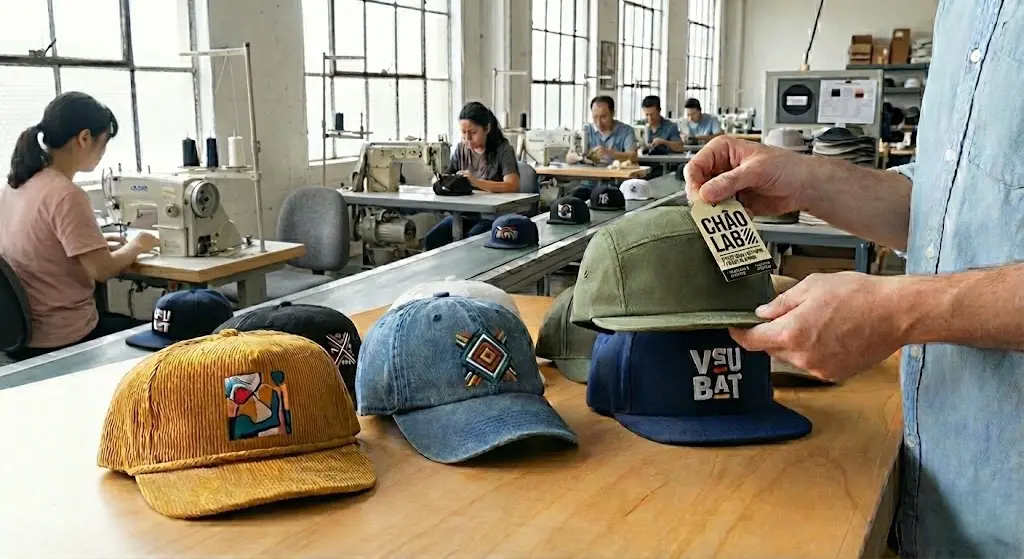
Custom inside labels for hats are a small component with several jobs: they identify the brand, carry product information, support size or care communication, and help the finished hat feel like a complete private-label product. Choosing one is not simply a matter of selecting a “premium” material. The right solution depends on the information required, available space, label placement, construction method, and the wearer’s comfort.
This guide explains the practical decisions a brand should make before approving inside labels for a full custom hat program. It does not replace market-specific compliance advice; label requirements should always be confirmed for the countries where the hats will be sold.
What an Inside Hat Label Needs to Do
Most private-label hat programs use the interior for more than one purpose. A brand label may show the logo or wordmark, while a separate information label may carry size, fiber content, country of origin, care instructions, or other details required by the destination market. Some designs combine selected information on one label, but this only works when the text remains readable at the approved size.
Before choosing a label material, separate the information into three groups:
- Brand information: logo, brand name, collection name, or website.
- Product information: size, style reference, color code, or internal SKU.
- Market information: fiber content, origin, care text, symbols, languages, or other details required for the intended sales market.
The buyer should provide the final approved wording and confirm applicable requirements with a qualified compliance adviser. A hat manufacturer can help arrange the label and check whether the artwork is producible, but should not invent legal wording for an unfamiliar market.
Common Label Options for Full Custom Hats
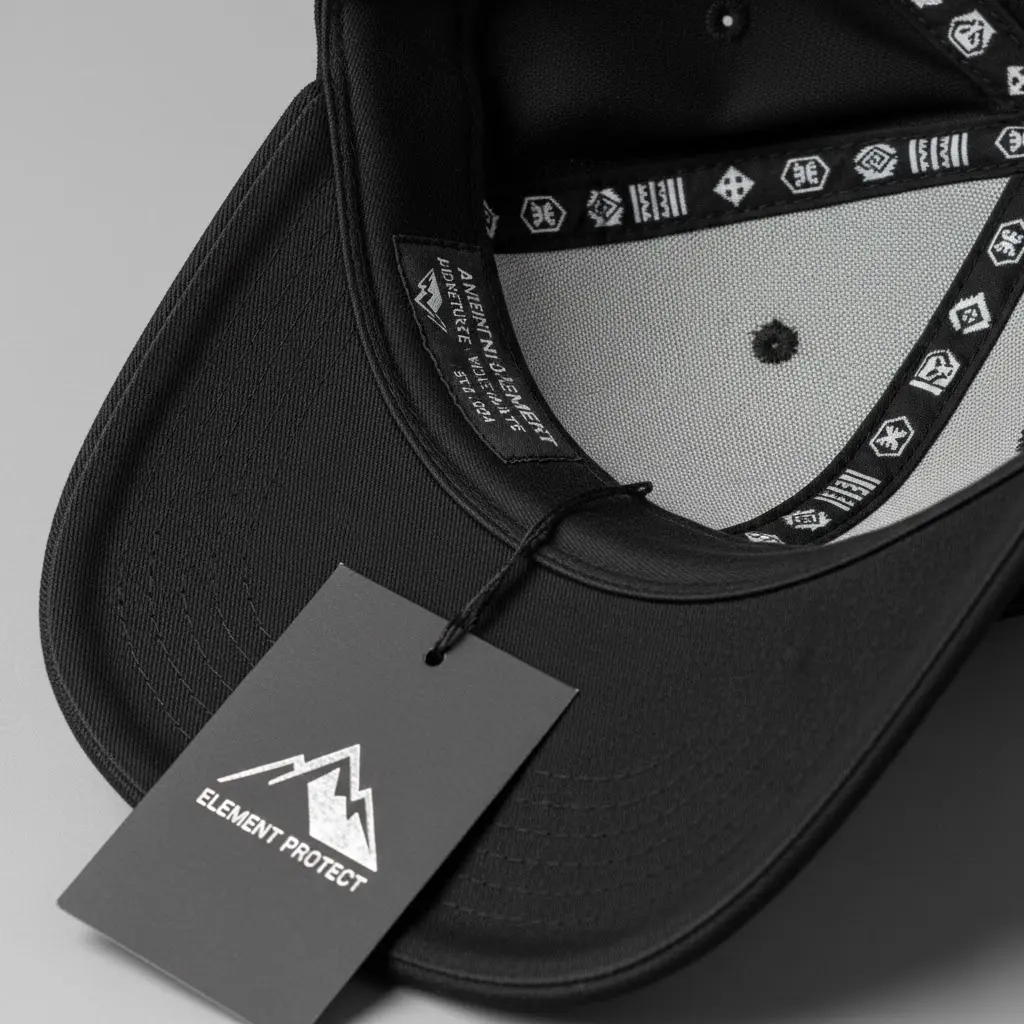
Woven brand labels
A woven label builds the design from threads rather than printing ink onto the surface. It is often selected for a compact logo, wordmark, or simple brand message. The result can feel integrated with the hat, particularly when the thread colors and background are coordinated with the sweatband and seam tape.
Woven construction is not automatically the best choice for every design. Very small text, thin lines, gradients, and complex artwork may need to be simplified. The finished sample—not an enlarged screen rendering—should be used to judge whether the logo remains clear at actual size.
Printed labels
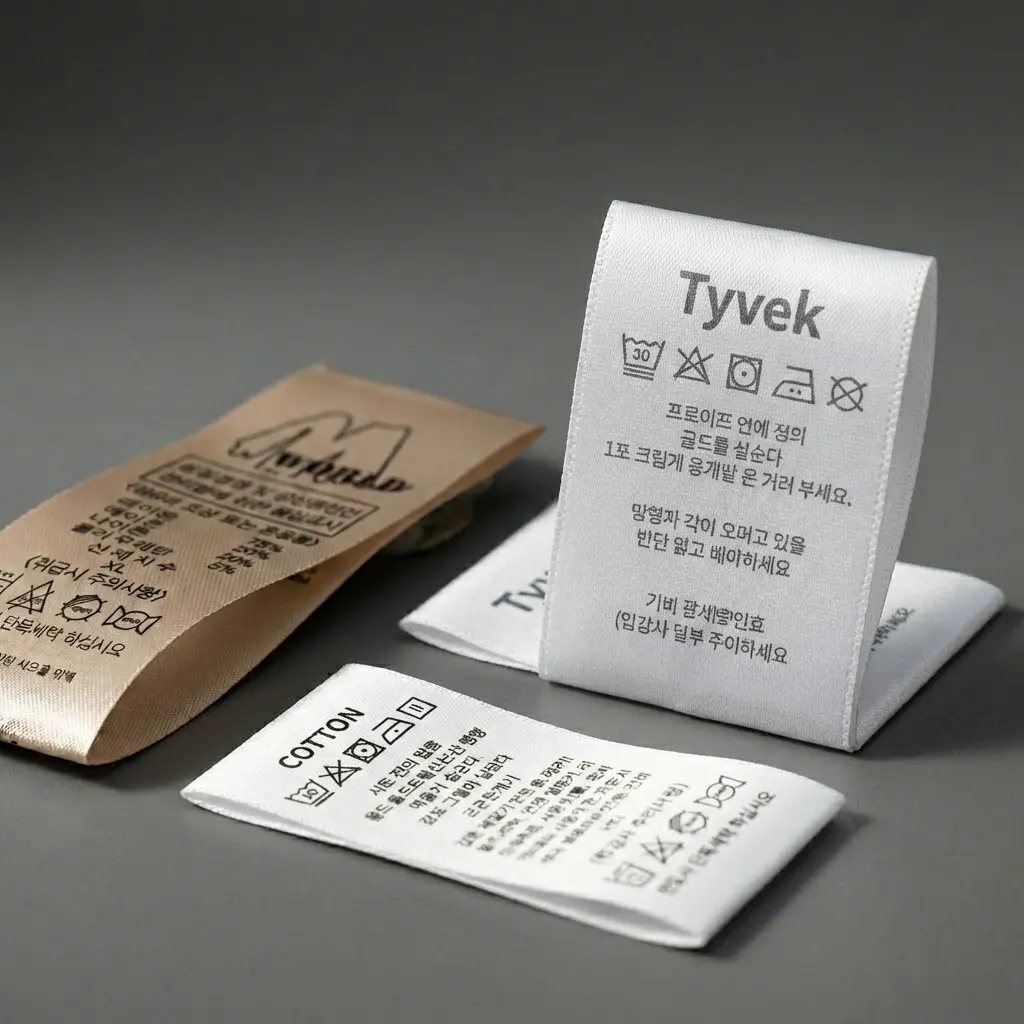
Printed satin, polyester, cotton, or another compatible tape can carry more text than a small woven brand label. This makes printed labels useful for care instructions, fiber information, multi-language copy, barcodes, or style references. Material choice affects appearance, thickness, print definition, and how the label behaves after it is sewn into the hat.
Printing is not a lower-quality substitute by definition. It solves a different problem. A private-label program may use a woven logo label for branding and a printed label for detailed product information.
Heat-transfer or directly printed information
A transfer or direct print can remove the free edge of a sewn label, but it must be compatible with the receiving material and the hat’s construction sequence. Sweatband texture, stretch, coating, heat sensitivity, and expected wear conditions all affect whether this method is practical. It should be tested on the actual sweatband material rather than approved from a generic sample.
Branded seam tape
Custom seam tape can repeat a logo, color, or short brand message across the crown interior. It creates a strong visual presentation when the hat is turned over, but it is normally a supporting branding element rather than a replacement for required product labels. Repeated artwork also needs to be planned around seams so important logo details are not consistently hidden by construction.
Placement and Construction Affect Comfort
There is no universal “itch-free” label standard for hats. Comfort comes from the complete combination of material, dimensions, fold, edge, sewing method, position, and the wearer’s contact with the label.
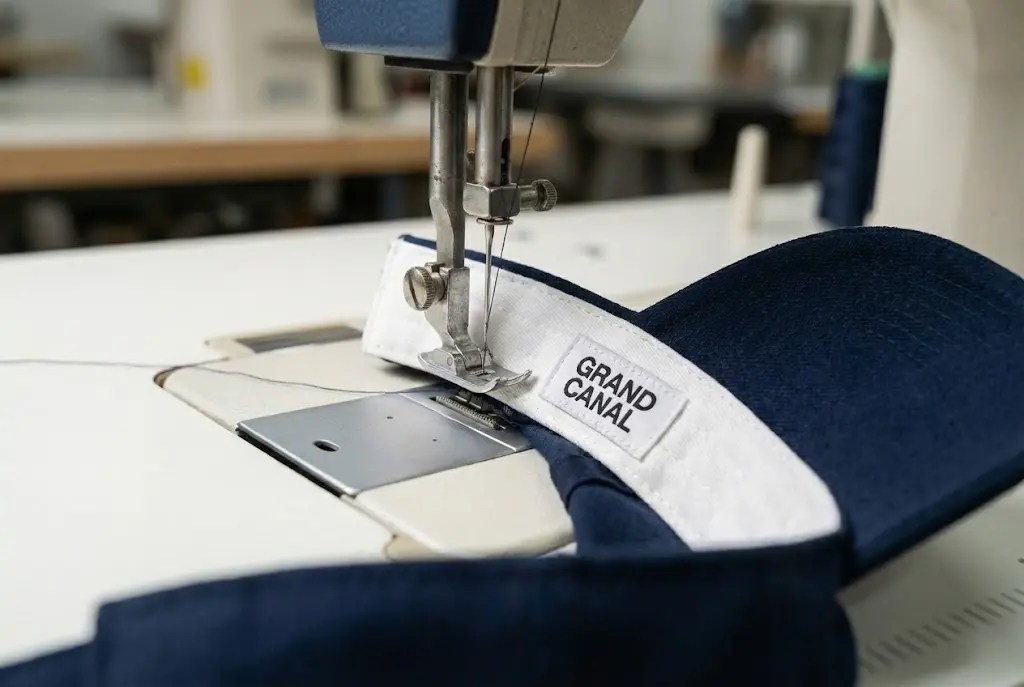
Common locations include behind the sweatband, near the back opening, along an interior seam, or inside the crown. The best location depends on the hat style and the amount of information. A bulky multi-layer label placed at a pressure point may be noticeable even when the label material itself feels soft.
Important construction choices include:
- Finished size: enough room for legible content without creating unnecessary bulk.
- Fold type: straight cut, end fold, center fold, or another construction suited to the placement.
- Edge finish: selected to control fraying and avoid a hard or exposed edge where it contacts skin.
- Stitching: secure attachment without distorting the sweatband or trapping an uncomfortable corner.
- Position: clear of high-pressure areas and compatible with closures, sweatband seams, and adjustment hardware.
Prepare Label Artwork for Production
A clear specification reduces unnecessary sampling changes. Provide vector artwork when possible, the intended finished dimensions, color references, exact wording, language versions, and the desired placement. If the label contains both branding and required information, identify which elements cannot be altered.
Do not judge legibility only from a PDF viewed at 200% or 300%. Print the layout at actual size, then compare it with the available space in the hat. The supplier may recommend making text larger, reducing a line, increasing contrast, or moving detailed information to a second label. These are production decisions, not changes to brand identity.
For a broader view of crown, visor, closure, decoration, and interior trim choices, see our hat customization options. Brands developing the complete hat rather than applying a logo to an existing blank can also review our full custom OEM hat capabilities.
What to Approve During Sampling
The label should be evaluated as part of the physical hat sample. An artwork approval confirms the layout, but it cannot show exactly how the sewn component will feel or sit in the finished product.
During sample review, check:
- logo proportions, spelling, text order, and language;
- finished label dimensions and fold direction;
- thread or print color under normal lighting;
- legibility of the smallest text at actual size;
- placement relative to the sweatband, closure, and internal seams;
- stitch security, exposed corners, and added bulk;
- consistency with the approved hat artwork and packaging information.
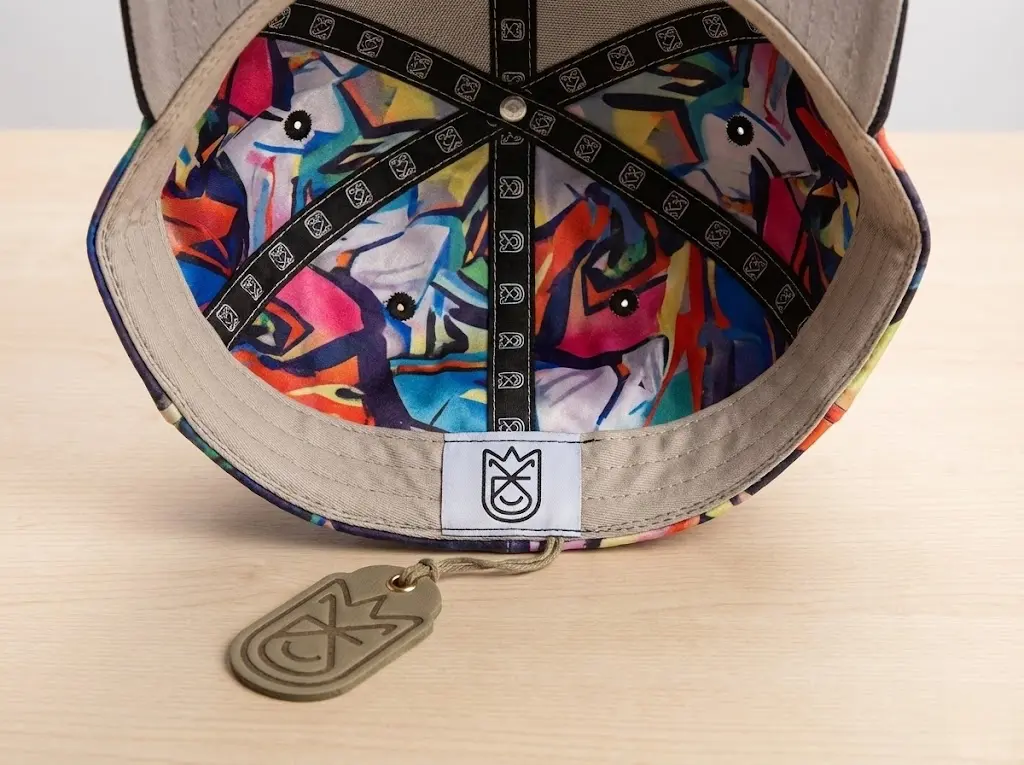
Record the approved label version in the tech pack and retain an approved reference sample. If the wording changes for another market, language, or production run, assign a new version rather than overwriting the old file. This helps prevent an outdated care label or origin line from returning during a reorder.
Questions to Settle Before Requesting a Quote
- Is the label for branding, product information, market information, or a combination?
- Which countries will receive the finished hats?
- What exact text, symbols, and languages must appear?
- Is woven, printed, transferred, or a combined label system more suitable?
- Where should each label be placed?
- What is the smallest acceptable logo and text size?
- Will different sizes, colors, or markets require separate label versions?
Answering these questions before sampling gives the factory a usable brief and makes the quotation easier to compare. Our custom hat development process explains how specifications, samples, approval, and bulk production fit together.
Frequently Asked Questions
Can one inside label carry both branding and care information?
Sometimes. It depends on the amount of information, required languages, available space, and minimum readable text size. When the combined layout becomes crowded, separate brand and information labels are usually clearer.
Are woven labels always better than printed labels?
No. Woven labels work well for many logos and wordmarks, while printed labels can handle dense text and detailed product information more efficiently. Many full custom hats use both.
Where should a hat label be placed?
Placement depends on the hat style, closure, sweatband construction, label size, and intended information. It should be easy to locate without creating an uncomfortable pressure point or interfering with another component.
Who is responsible for confirming label compliance?
The brand or importer should confirm the requirements for each target market with an appropriate compliance professional. The manufacturer can produce the approved content and advise whether the proposed construction is practical.
Match the Label to How the Hat Will Be Worn
The label has to work for the person wearing the finished hat, not only for a buyer viewing a flat artwork file. Review its placement on the actual style and intended use.
- Retail and lifestyle hats: Keep the brand mark legible at actual size, with a finished edge and color that feel intentional alongside the sweatband.
- Staff, event, or golf hats worn for long periods: Check whether the label fold, stitching, or corners add pressure near the back opening or sweatband. Move or resize the label if a wear trial reveals rubbing.
- Multi-market retail programs: When size, origin, fiber, care, and language information crowd the brand label, consider separate information and logo labels. The brand or importer must confirm the final wording for each destination market.
Wear the finished sample at a normal adjustment, then inspect contact points, readability, and the label after handling. Record the approved material, finished dimensions, position, fold direction, exact wording, and stitching in the tech pack so a reorder uses the same reference.
Plan the Interior as Part of the Hat
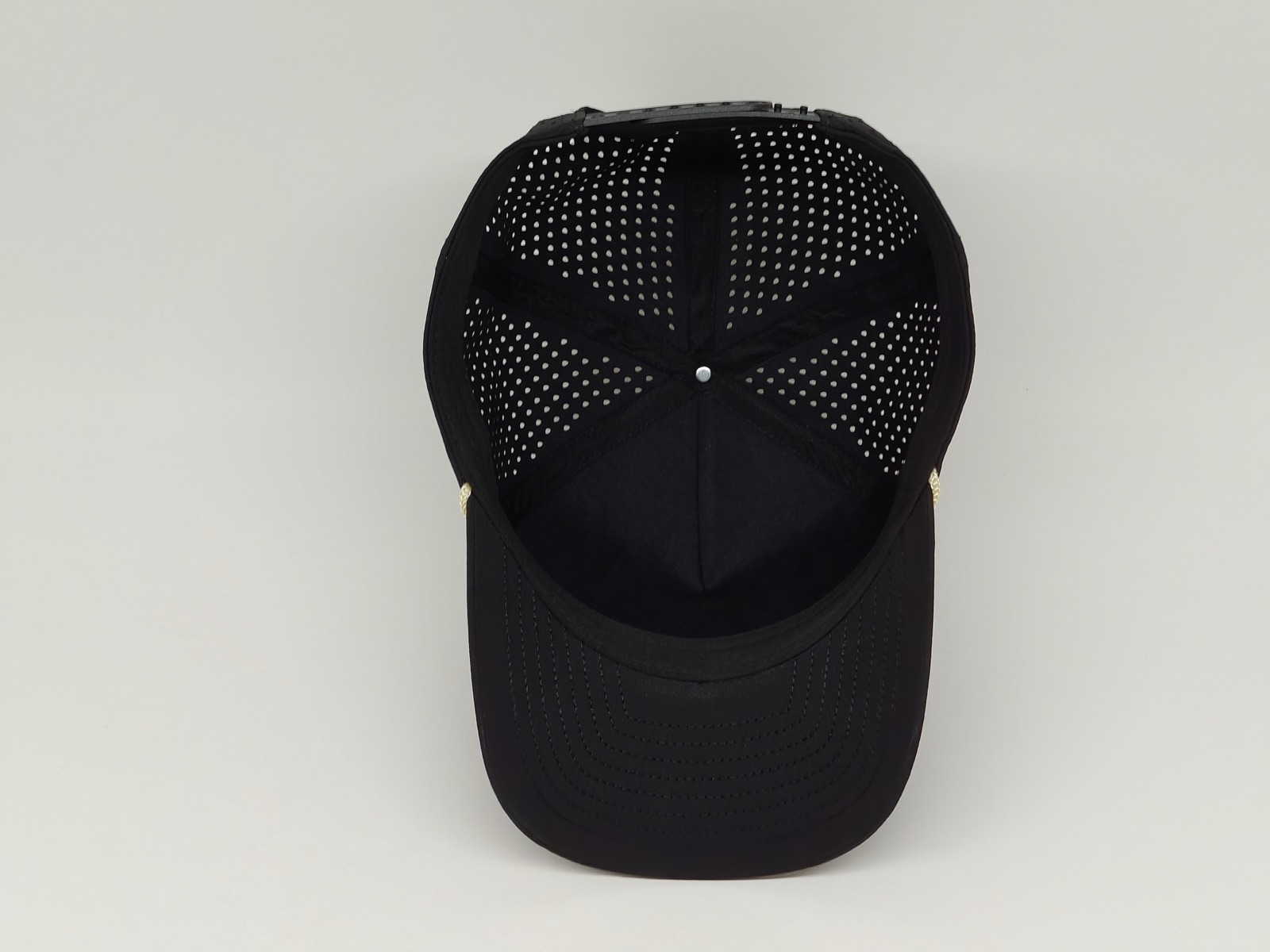
Effective custom inside labels for hats are planned with the product, not added as an afterthought. When label content, material, size, placement, and sewing are reviewed together, the interior supports both brand presentation and day-to-day product use.
If you are preparing a private-label hat specification, send us your artwork, target market, hat style, and required label information. We can review the construction options and include the proposed interior branding in the sampling plan.