

DDP shipping for custom hats can make an international order easier to budget, but only when the quotation clearly defines what is included. The term does not automatically guarantee a fixed delivery date, eliminate customs inspections, or remove every responsibility from the buyer.
For a brand ordering full custom hats, the practical question is simple: who arranges each part of the shipment, who pays each charge, and what happens when the destination or delivery conditions change? This guide explains the decisions to confirm before approving a DDP quotation.
What Does DDP Mean for a Custom Hat Order?
DDP means Delivered Duty Paid. Under a DDP quotation, the seller normally arranges transportation to the named destination and accounts for import clearance, duties, and the agreed delivery service. The named destination matters. Delivery to a commercial warehouse is not necessarily the same service as delivery to a residence, fulfillment center, event venue, or location that needs a liftgate appointment.
The commercial agreement should state the destination address and the included services in writing. A three-letter shipping term is not a substitute for a complete quotation.
What a DDP Quote Should Show
Before comparing prices, ask each supplier to use the same quantity, packaging assumptions, destination, and delivery requirements.
| Quote item | What to confirm | Why it matters |
|---|---|---|
| Named destination | Full postal code and delivery type | Freight and final-mile costs depend on the exact location |
| Transport mode | Courier, air freight, rail, ocean, or a combined route | Changes cost, transit range, and tracking detail |
| Import charges | Which duties, taxes, and clearance fees are included | Prevents two suppliers from using different definitions of “landed” |
| Final delivery | Commercial dock, liftgate, appointment, or residential service | Special services can create additional charges |
| Carton assumptions | Carton count, dimensions, weight, and packing method | Hats are often charged by dimensional rather than actual weight |
| Delivery window | Estimated range and starting point | Production lead time and transport time must be separated |
| Exceptions | Address changes, storage, redelivery, remote areas, or buyer-caused delays | Clarifies which costs remain outside the quote |
DDP, FOB, and EXW: Which Model Fits the Buyer?
No shipping term is best for every order. The right choice depends on the buyer’s importing experience, freight volume, internal logistics resources, and need for cost visibility.
| Shipping model | Seller typically handles | Buyer typically handles | Often suits |
|---|---|---|---|
| EXW | Makes goods available at the agreed origin | Pickup, export, main freight, import, and final delivery | Experienced importers with their own forwarder |
| FOB | Delivers goods through the agreed export point | Main freight, import clearance, duties, and destination delivery | Buyers consolidating several suppliers or controlling ocean freight |
| DDP | Coordinates the agreed door-to-door route and import charges | Receiving access and any specifically excluded services | Buyers wanting one coordinated landed-cost quotation |
Ask for the delivery term and named place on the commercial documents. A supplier saying “door to door” without defining duties, taxes, and final-mile conditions leaves too much room for misunderstanding.
Who Is Responsible for Customs Information?
Even when a seller coordinates DDP shipping, the product still needs accurate information. Hat construction, fiber composition, decoration, country of origin, quantity, and value can affect documentation and tariff treatment.
The buyer should provide accurate company and receiving details and respond promptly if the carrier requests confirmation. The supplier should prepare commercial documents that match the approved order. Neither side should describe products inaccurately or reduce declared values to obtain a lower charge.
Import rules and documentation requirements can change by destination. Confirm the shipment plan before production is complete, especially when a launch depends on a fixed event or retail date.
Why Hat Packaging Changes Freight Cost
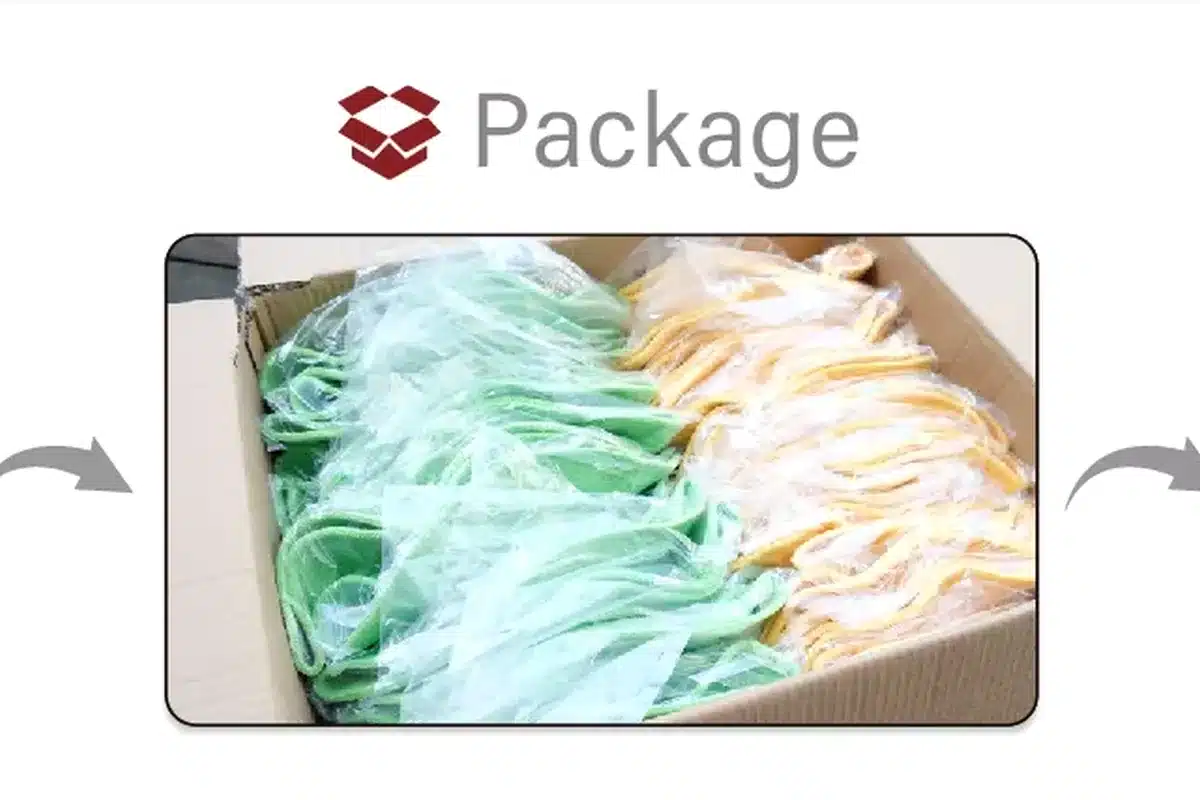
Finished hats are relatively light but occupy volume. Crown shape, brim construction, nesting method, individual packaging, and master-carton dimensions all influence the chargeable volume.
Packing too tightly can deform structured crowns or brims. Packing too loosely increases dimensional weight and allows products to move inside the carton. The goal is not the smallest possible box; it is a repeatable pack that protects the approved shape without shipping unnecessary air.
Before bulk packing, confirm:
- units per carton;
- whether hats are nested and how deeply;
- individual bag or tissue requirements;
- crown or brim support when needed;
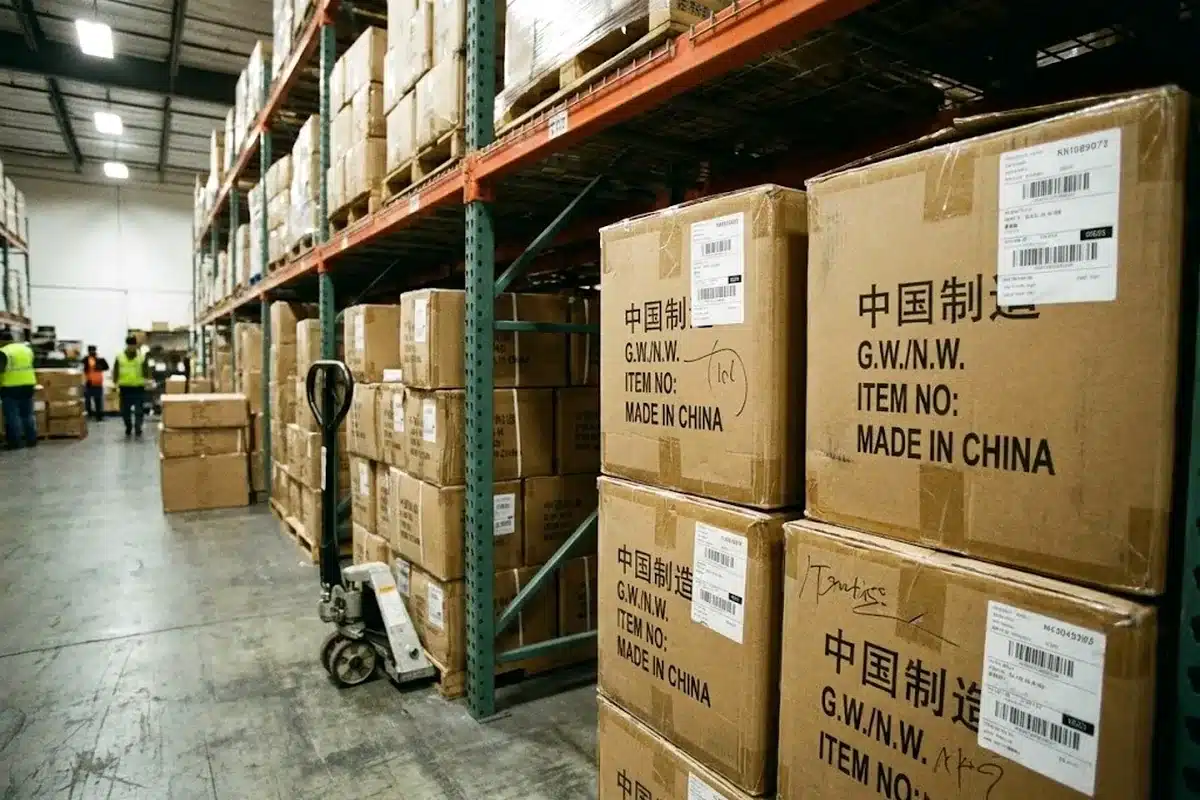
- master-carton dimensions and gross weight;
- carton markings and fulfillment labels;
- pallet or loose-carton delivery requirements.
How to Build a Realistic Delivery Timeline
A reliable schedule separates product development, production, export preparation, international transport, customs clearance, and final delivery. Combining everything into one optimistic number makes it difficult to identify where a delay occurred.
| Stage | Buyer checkpoint |
|---|---|
| Sample approval | Artwork, fit, materials, colors, and packaging are approved |
| Bulk production | Quantity and required completion date are documented |
| Packing | Final carton count, dimensions, and weights are available |
| Booking | Transport mode and estimated departure window are confirmed |
| Import clearance | Commercial documents match the physical shipment |
| Final mile | Receiving hours, contact person, dock, appointment, and access are confirmed |
Transit dates are estimates, not manufacturing specifications. Weather, carrier capacity, inspections, congestion, and destination appointments can affect arrival. Build time for receiving and inspection before a product launch rather than scheduling sales from the earliest estimated date.
Questions to Ask Before Approving DDP Shipping
- What exact destination and delivery service does the price cover?
- Which duties, taxes, brokerage, and destination charges are included?
- What transport mode and estimated transit range are being quoted?
- When does the transit estimate begin?
- Are residential, remote-area, liftgate, appointment, or redelivery charges included?
- What information or documents must the buyer provide?
- How will tracking and milestone updates be communicated?
- What happens if the delivery address changes after booking?
- How are loss or visible carton damage reported?
- When will final carton dimensions and weights be confirmed?
Receiving and Inspecting a Hat Shipment
Assign a receiving contact before the shipment arrives. Confirm the carton count against the delivery document and photograph visible damage before opening affected cartons. Do not discard damaged packaging until the carrier or shipping coordinator explains the claim procedure.
After receipt, compare representative hats with the approved sample and order details. Check quantity, color, crown shape, brim condition, decoration, labels, packing, and any size breakdown. Report shortages or damage promptly with carton numbers and clear photographs.
Our custom hat manufacturing process explains how sample approval, bulk production, quality checks, and packing connect before shipment.
Common DDP Mistakes to Avoid
Treating DDP as a delivery guarantee
DDP assigns cost and transport responsibilities; it does not remove weather, customs, carrier, or receiving risks. Use a realistic delivery range and maintain schedule buffer.
Comparing quotes with different packaging
A lower freight figure may use fewer cartons or tighter packing that changes the product shape. Compare the packing method as well as the price.
Leaving the destination vague
A city name is not enough. Postal code, business type, receiving hours, dock access, and appointment requirements can change the final-mile plan.
Assuming every charge is included
Storage, redelivery, address correction, remote-area service, and buyer-requested changes may fall outside the original price. The quotation should identify exceptions.
Using “identity hardware” instead of the actual product
Customs and logistics documents need clear product descriptions. Use terms such as custom hats, caps, patches, labels, or buckles rather than vague marketing language.
Frequently Asked Questions
Is DDP always cheaper than FOB?
No. DDP may be easier to budget because one party coordinates more of the route, while FOB can be more efficient for an experienced importer consolidating several shipments. Compare the total landed arrangement, not only the factory price.
Does DDP include every possible delivery charge?
Only the services stated in the quotation should be treated as included. Confirm destination access, appointments, liftgate service, remote-area charges, storage, and redelivery conditions.
Can DDP be used for samples and bulk orders?
Yes, but the transport method may differ. Samples commonly move by courier, while bulk orders may use air, ocean, or combined services depending on quantity, carton volume, budget, and timing.
When should shipping be quoted?
An early estimate is useful for budgeting, but the final quotation is more reliable after quantity, packing method, carton measurements, destination, and delivery requirements are confirmed.
What should a buyer provide for final delivery?
Provide the legal company or recipient name, complete address, postal code, telephone number, receiving hours, access restrictions, and any appointment or labeling requirements.
Plan Shipping Alongside Product Development
DDP shipping for custom hats works best when it is planned before bulk production finishes. Product construction affects packing, packing affects carton volume, and carton volume affects freight cost and delivery method.
If you are developing a full custom program, review our full custom OEM hats and custom hat options. You can also contact our team with the destination, target quantity, required date, and hat style so the product and shipping plan can be evaluated together.