
A brand color does not transfer automatically from a screen or style guide to a finished hat. Cotton twill, polyester, mesh, embroidery thread, patches and plastic closures reflect light differently. A useful color plan decides what must match closely, what can be complementary, and how the entire hat should look in the setting where it will be sold or worn.
This article focuses on planning a private-label hat palette and approving it as a product. For a deeper explanation of why the same navy can shift under different light, see our guide to color matching for custom hats.
Begin with the role of each color
Separate the palette into roles before choosing individual materials. The main body color carries most of the visual weight. A contrast mesh, visor or rope can define the silhouette. Decoration colors control logo readability, while closures, eyelets, top buttons and internal labels finish the product.
Not every part needs an exact visual match. A tonal retail cap may depend on close coordination between fabric and thread. A workwear or event cap may benefit from intentional contrast. When every component is described only as “brand blue,” the supplier must guess which differences are acceptable.
| Color role | Decision to make | Approval reference |
|---|---|---|
| Main crown | Core brand neutral, seasonal color or practical use color | Actual fabric swatch and completed sample |
| Contrast panel or mesh | Close match, tonal variation or deliberate contrast | Materials viewed beside each other |
| Logo or patch | Readability, texture and relationship to the crown | Actual decoration on the chosen fabric |
| Closure and trim | Blend with the body or act as a visible accent | Physical component sample |
| Interior branding | Coordinate with the outside or use a separate brand system | Label, taping and sweatband sample |
Build a focused assortment before adding more colors
A hat line does not need every available shade. Start with the buyer, the selling channel and the role of each style. A core color can support repeat sales, while one or two seasonal colors give the range a reason to change. Too many variants divide the order quantity, create more approvals and make reorders harder to manage.
Compare the proposed colors as a group. If two options look almost the same at normal viewing distance, they may compete for the same customer. If every style uses a different palette, the line may lose a recognizable brand language. A focused assortment is easier to photograph, present to buyers and reproduce.
Approve color on the actual materials
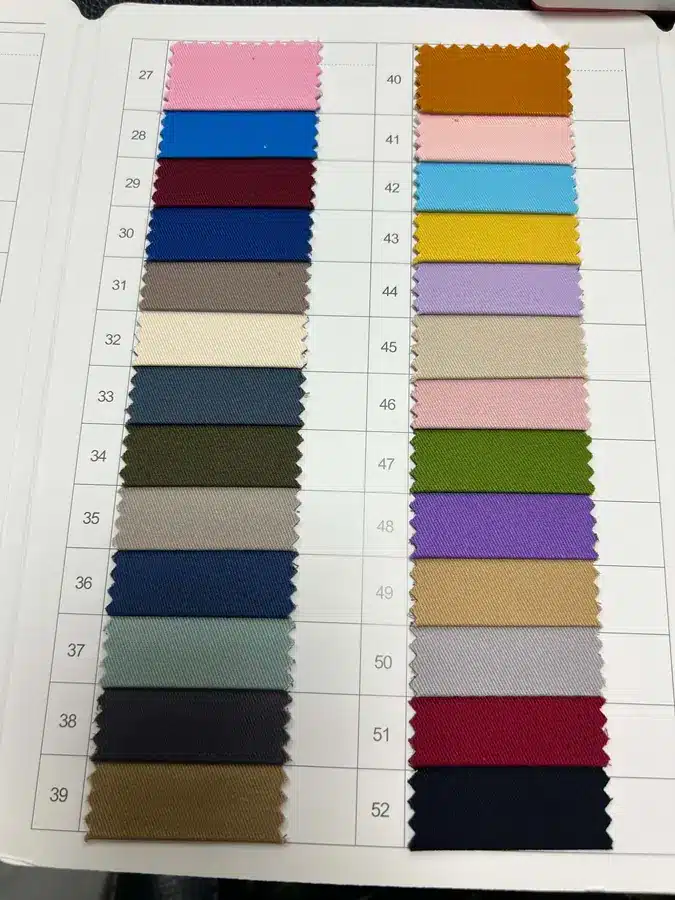
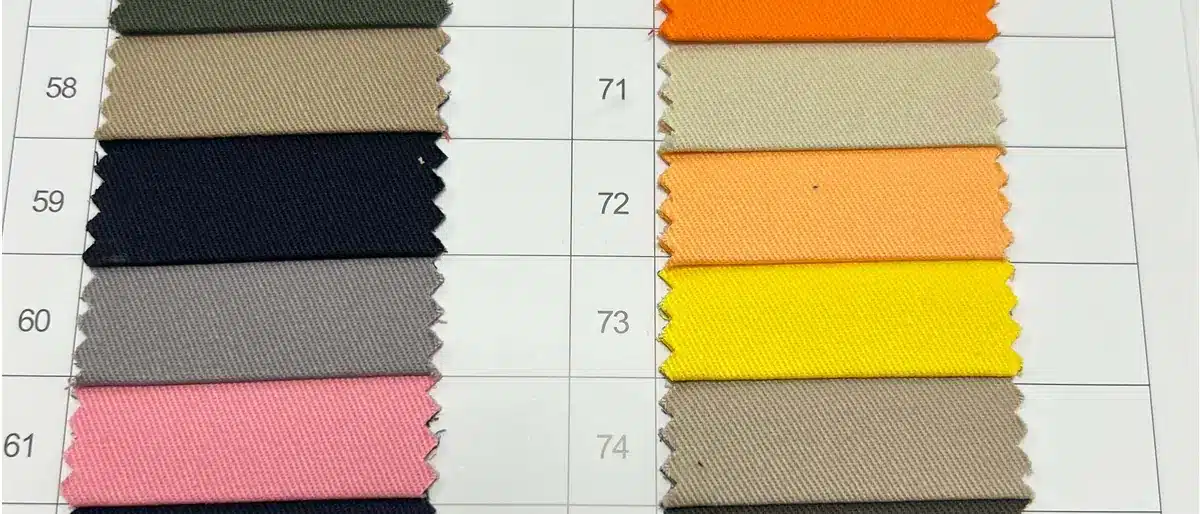
A digital color value or named shade communicates direction, but screens cannot show the exact surface and sheen of every hat material. Request available fabric options first. If a project requires a specially developed color, confirm what reference will be used, whether the material route supports it, and what quantity or timing conditions apply before promising the shade internally.
View the selected crown fabric beside the proposed mesh, thread, patch and closure. Then review the assembled sample in ordinary indoor light and daylight. The goal is not to make unlike materials behave as one surface. It is to decide whether their relationship looks intentional on the finished product.
Check contrast before approving decoration
Logo artwork that is clear on a white screen can disappear on textured or dark fabric. Fine outlines, small type and closely related colors deserve a physical test. Embroidery thread can also catch light differently from a woven patch or printed mark.
Judge the decoration at normal viewing distance, not only in a close-up photograph. Check the hat from the front and at an angle, because crown curvature and panel seams change how the mark reads. If the logo loses clarity, adjust the color relationship, simplify the artwork or use a more suitable decoration method.
Create a usable record for repeat orders
Record the supplier material reference, physical swatch, decoration colors, component references and approved sample version. Keep photographs as supporting evidence, not as the only color standard. If a fabric or trim later becomes unavailable, compare the proposed replacement with the original set and approve the change explicitly.
Even with good records, a new production lot should be reviewed against the approved direction. Avoid promising perfect visual identity across unrelated materials or under every light source. A better commitment is a documented approval process and clear communication when an input changes.
Common questions about custom hat colors
Can a manufacturer match a Pantone reference exactly on every component?
A Pantone reference can guide development, but fabric, thread, mesh, plastic and leather-like materials do not display color in the same way. Approve each visible material relationship on physical samples.
Should the closure match the crown?
Only when the design calls for it and a suitable component is available. A tonal closure can look quiet and coordinated; a contrasting closure can be an intentional design detail. The choice belongs in the specification.
How many colors should a first hat collection include?
There is no universal number. Start with enough options to serve distinct customers or use cases without creating near-duplicates or dividing the order into quantities that no longer fit the production route.
Review the available hat customization options when coordinating fabrics, panels, decoration and labels. For a complete product developed around a brand palette, see full-custom OEM hats.