
Full-Custom Hat Styles for Brands
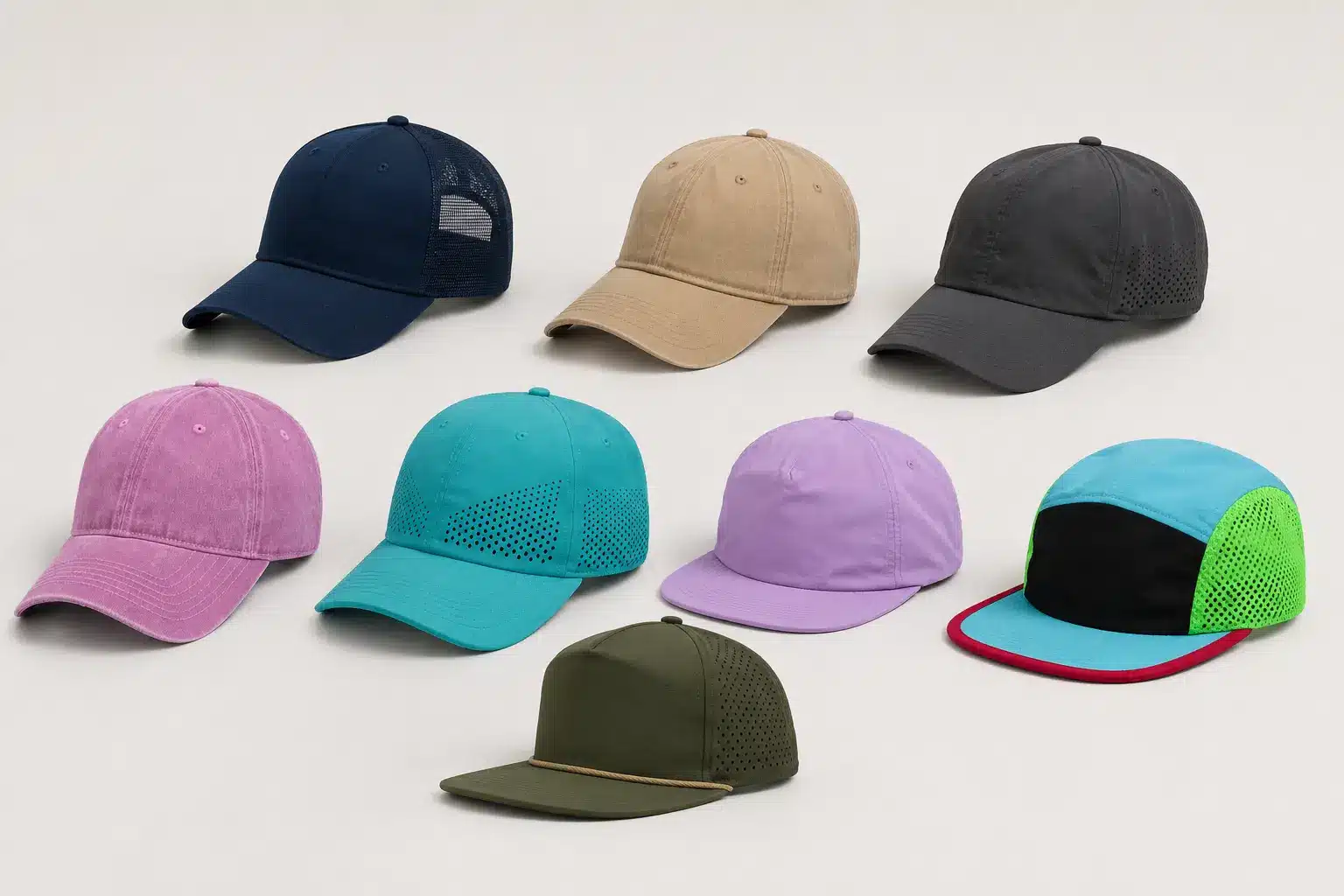
Compare the styles below to choose a starting shape for your project. We can then define the crown, visor, fabric, closure and branding around the fit and appearance you need.
Choose a Starting Style for Your Custom Hat
These familiar style names provide a starting point, not a fixed specification. Compare the overall profile, construction and intended use, then define the materials, fit, closure and branding details for the complete hat.
Trucker Hats
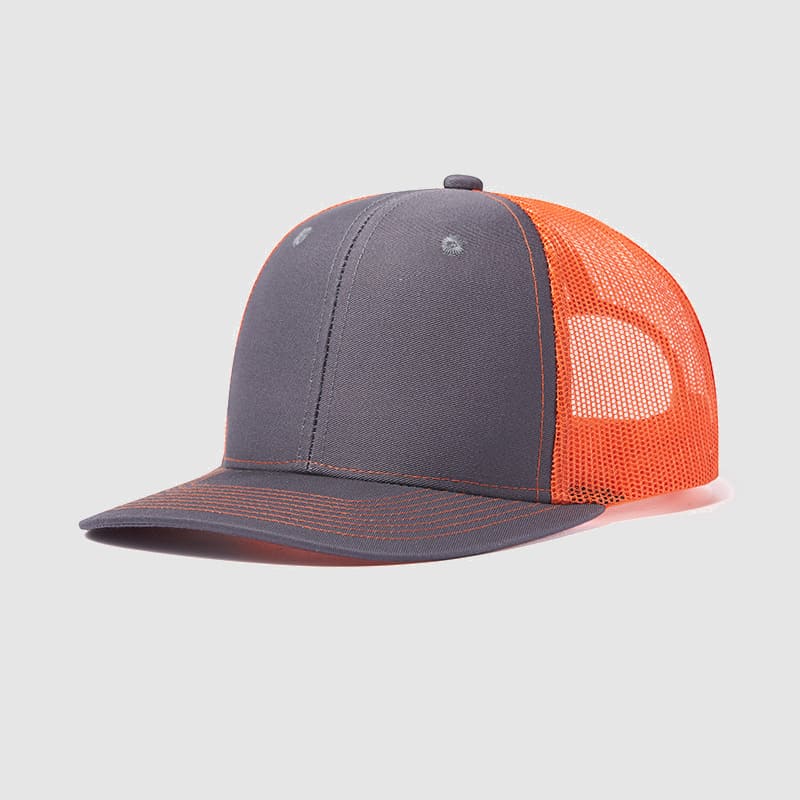
Trucker hats combine a defined front crown with mesh side and back panels. Crown height, front-panel structure and mesh character create the main differences between trucker styles.
Outdoor brands, workwear, events, promotional programs and casual merchandise.
Crown profile, front-panel construction, mesh type, visor shape and closure.
Baseball Caps
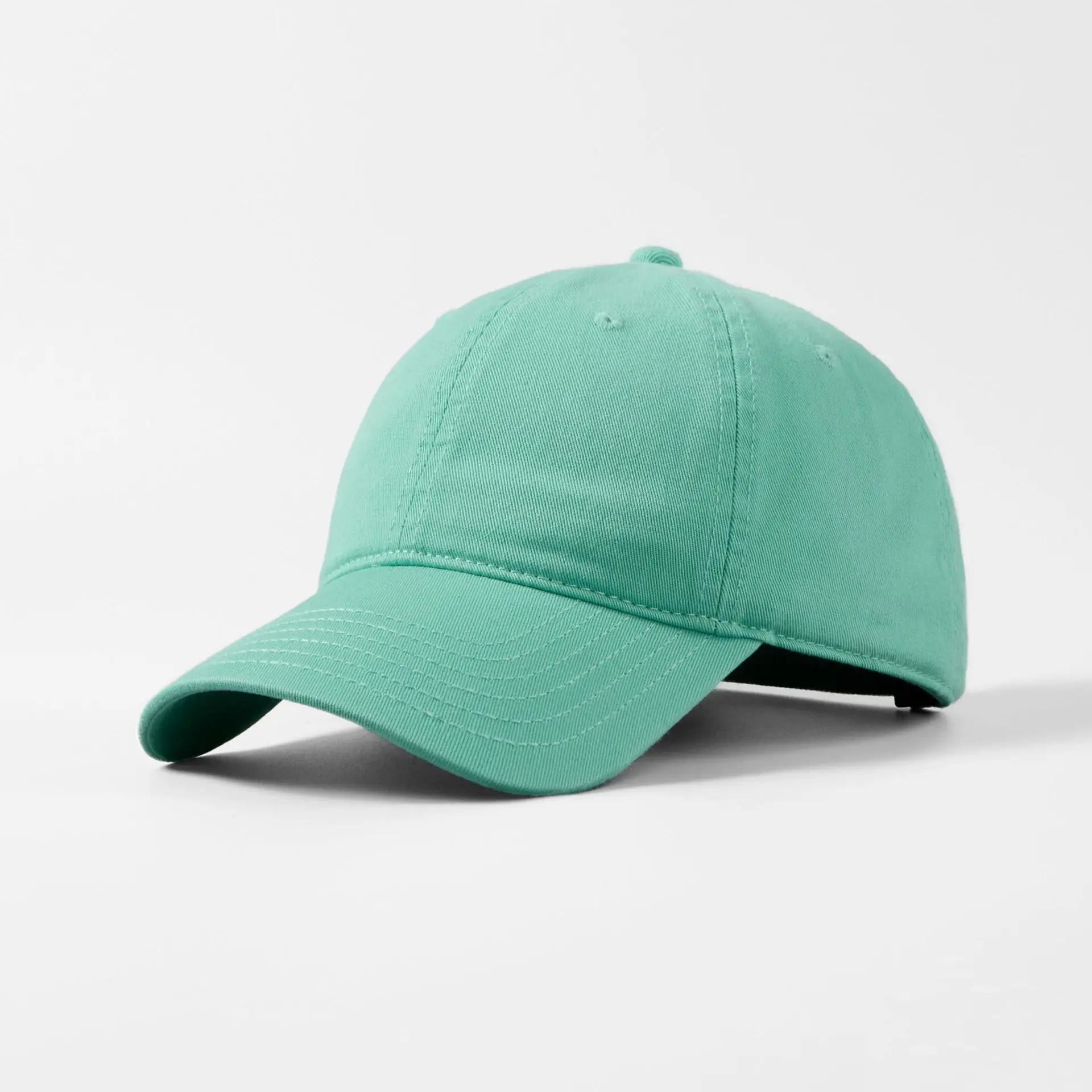
Baseball caps provide a versatile six-panel starting point that can be developed with different crown heights, levels of support and visor profiles.
Brand merchandise, uniforms, teams, retail programs and everyday headwear.
Crown height, structured or unstructured construction, visor shape, fit and closure.
Dad Hats
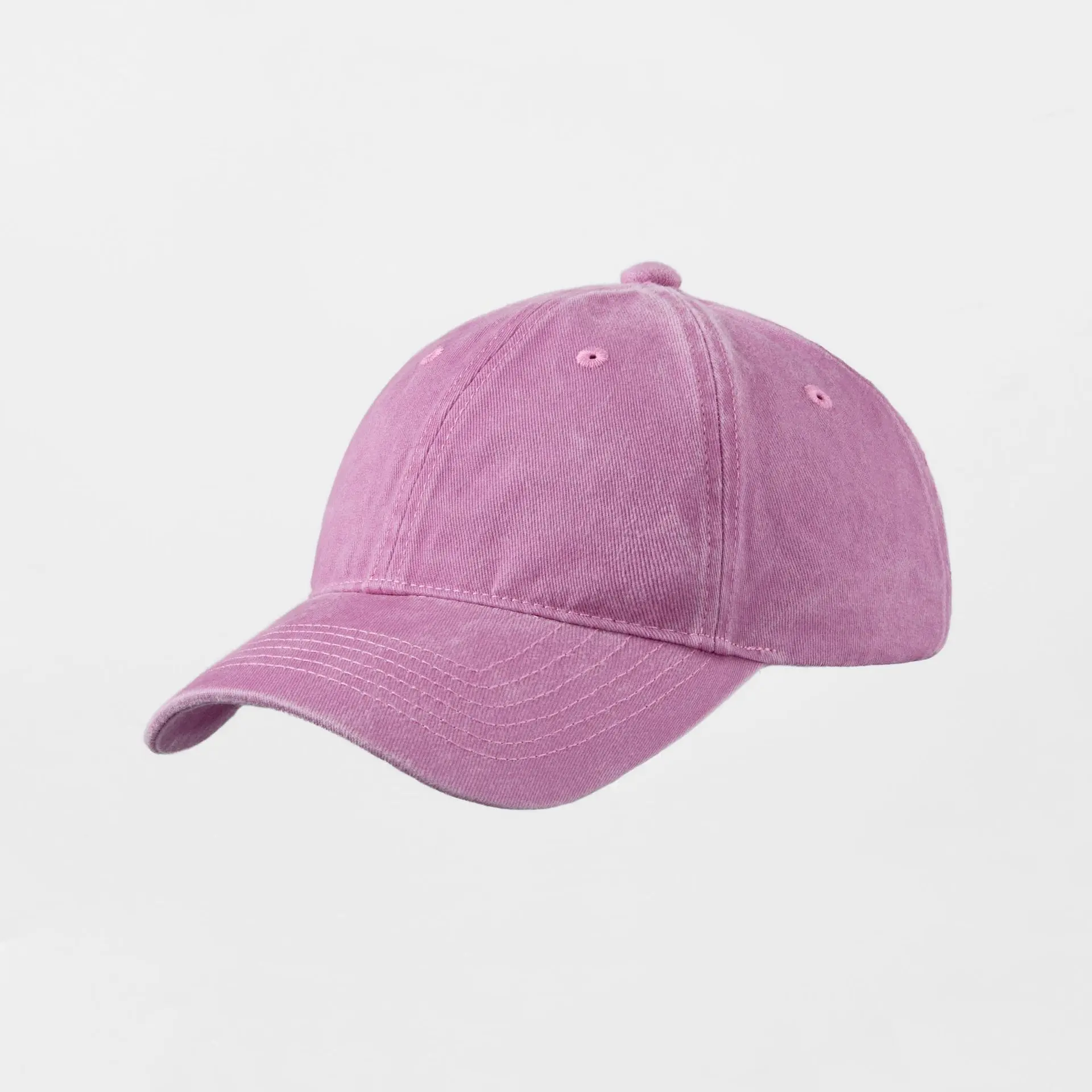
Dad hats are a relaxed baseball-cap direction with a softer, lower-profile crown and a curved visor. Fabric character and crown softness are central to the finished appearance.
Lifestyle brands, casual merchandise, hospitality, clubs and retail collections.
Crown softness, fabric finish, visor curve, fit and strap closure.
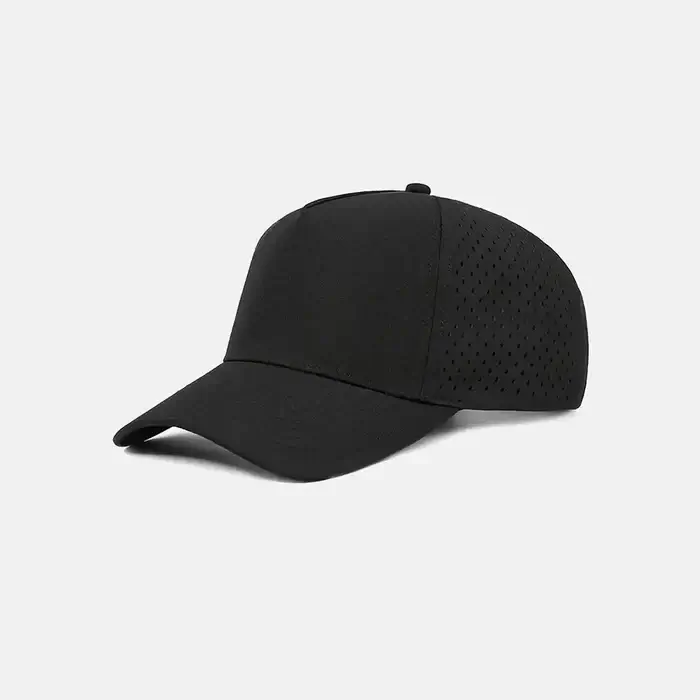
5-Panel Hats
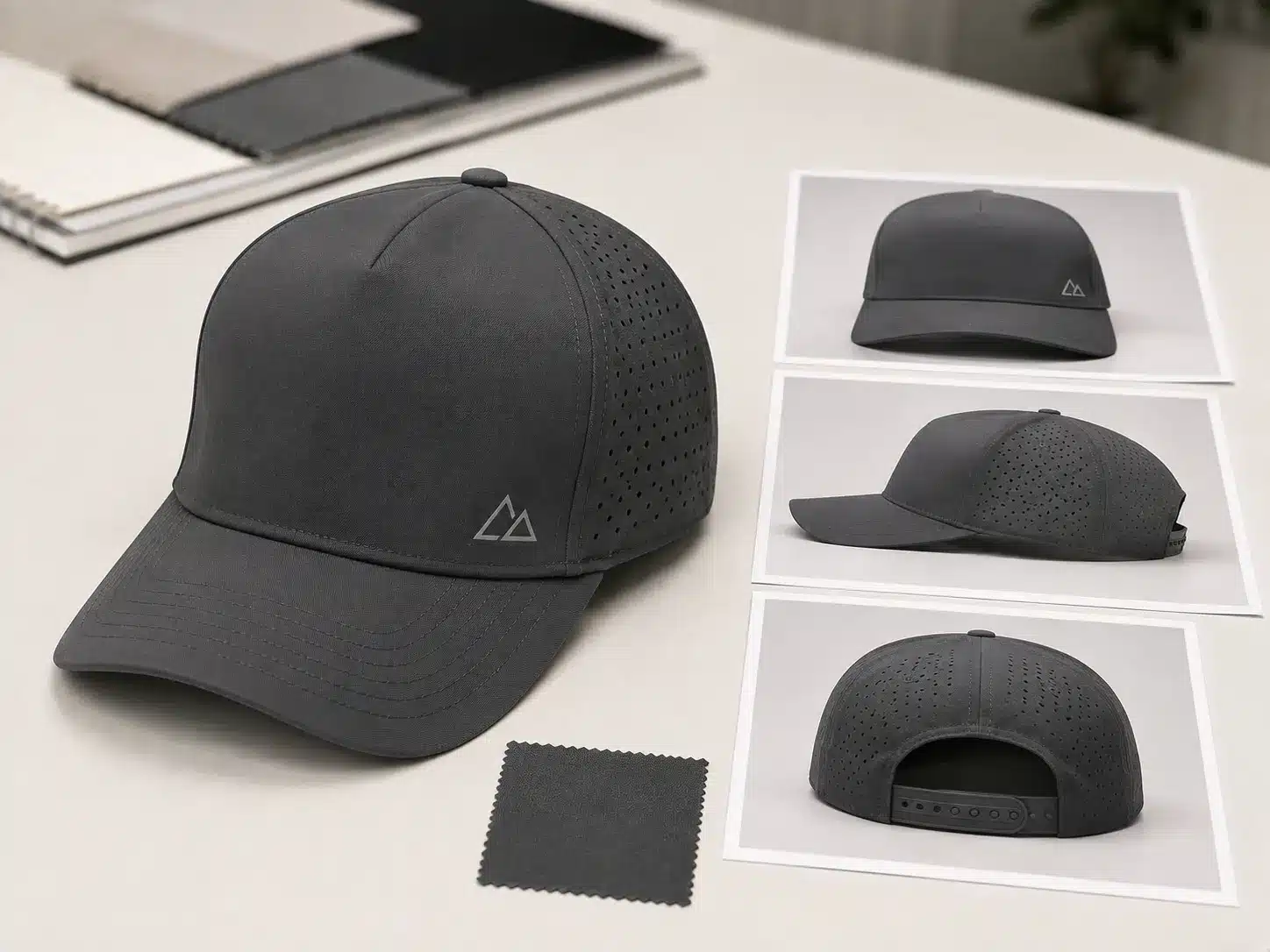
5-panel hats use a broad front section and distinctive side construction to create a clean, design-led profile. Panel proportion and crown depth strongly affect the finished shape.
Streetwear, outdoor brands, cycling, lifestyle collections and design-led merchandise.
Front-panel proportion, crown depth, visor direction, closure and artwork scale.
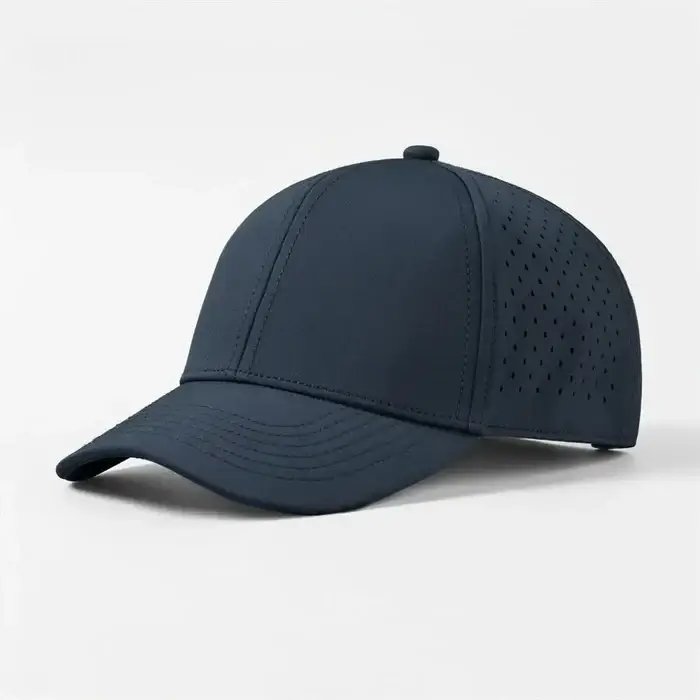
Performance Hats
Performance hats are developed around activity, climate, ventilation, weight and wearing comfort. The construction should follow the intended use rather than a generic sports appearance.
Running, golf, outdoor activities, active brands, teams and warm-weather programs.
Intended activity, material performance, ventilation, sweat management, fit and closure.
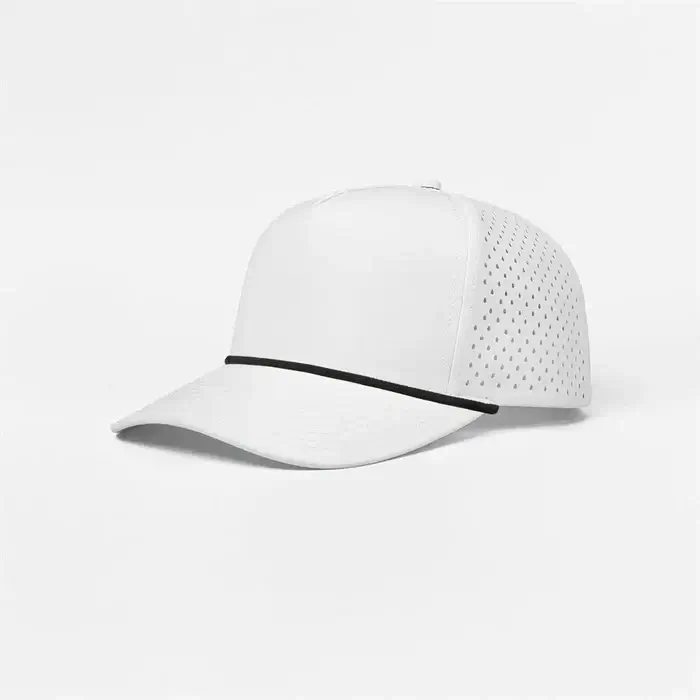
Rope Hats
Rope hats feature a cord detail across the front of the visor, usually combined with a defined crown and a clean front-branding area. The rope should be coordinated with the complete hat design.
Golf programs, resorts, clubs, hospitality, lifestyle brands and retro-inspired merchandise.
Crown profile, visor shape, rope size and color, front branding and overall proportion.
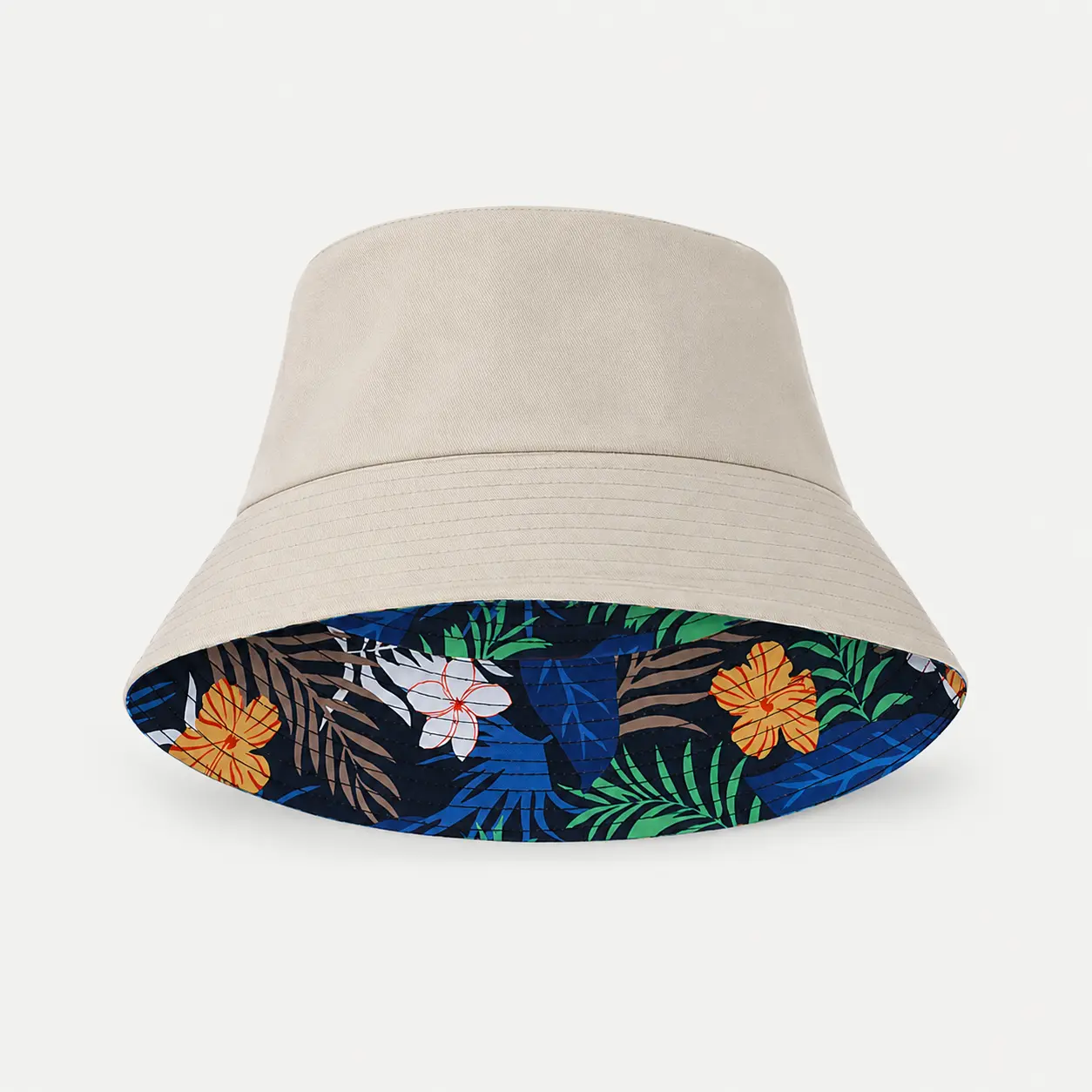
Bucket Hats
Bucket hats feature a full crown and a continuous downward brim. Crown depth, brim width, structure, fabric and fit determine whether the finished hat feels casual, promotional, outdoor-oriented or retail-ready.
Outdoor programs, festivals, hospitality, lifestyle brands, retail collections and seasonal promotional merchandise.
Crown depth, brim width and stiffness, fabric, sizing, ventilation, chin cord and branding placement.
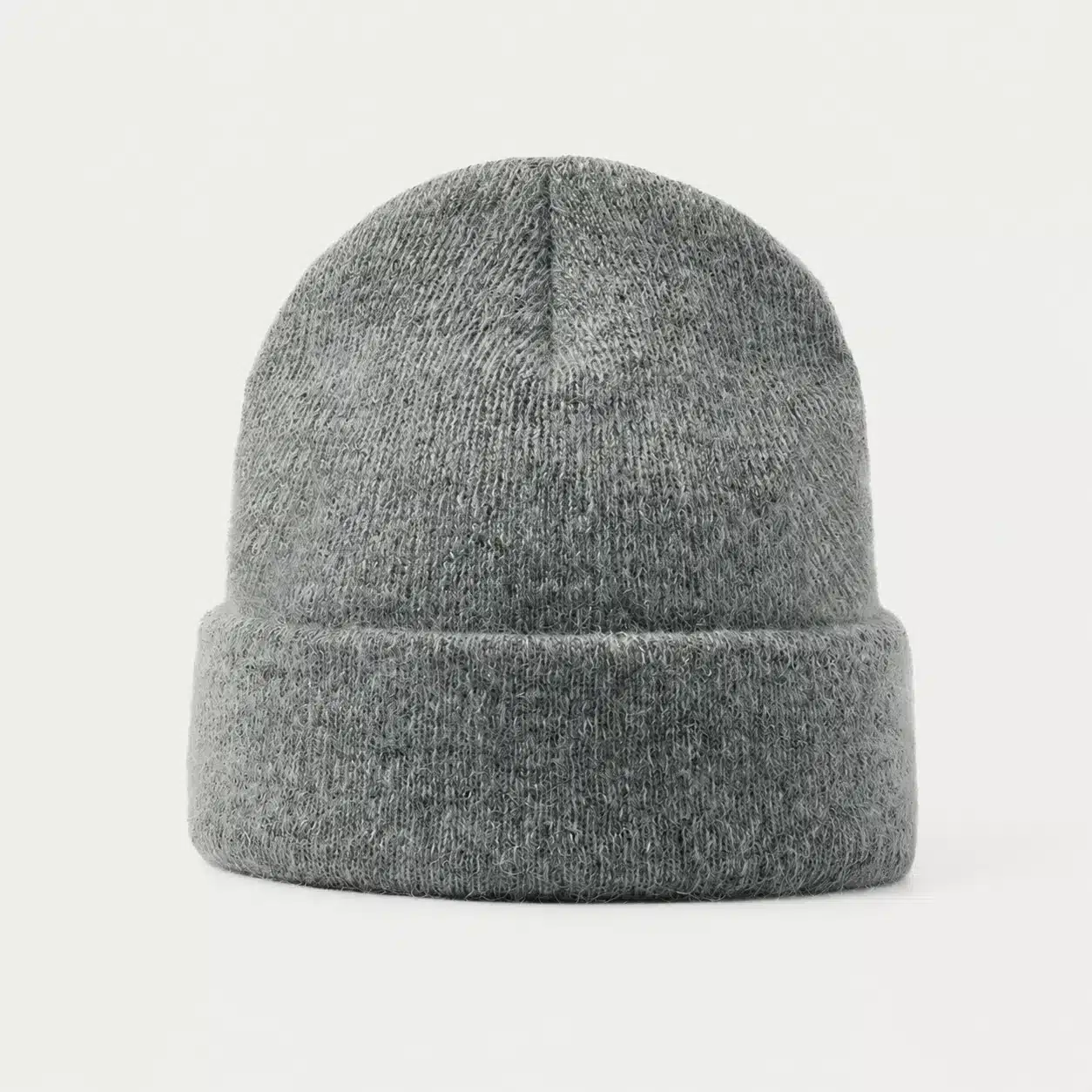
Beanies / Knit Hats
Beanies are developed through yarn, knit structure, body height and finishing details rather than traditional cut-and-sew cap construction. Cuffed, uncuffed and other knit directions can be reviewed according to the intended fit and use.
Outdoor brands, workwear, winter promotions, teams, retail collections and branded merchandise programs.
Yarn material and weight, knit structure, body height, cuff design, fit, color and branding method.
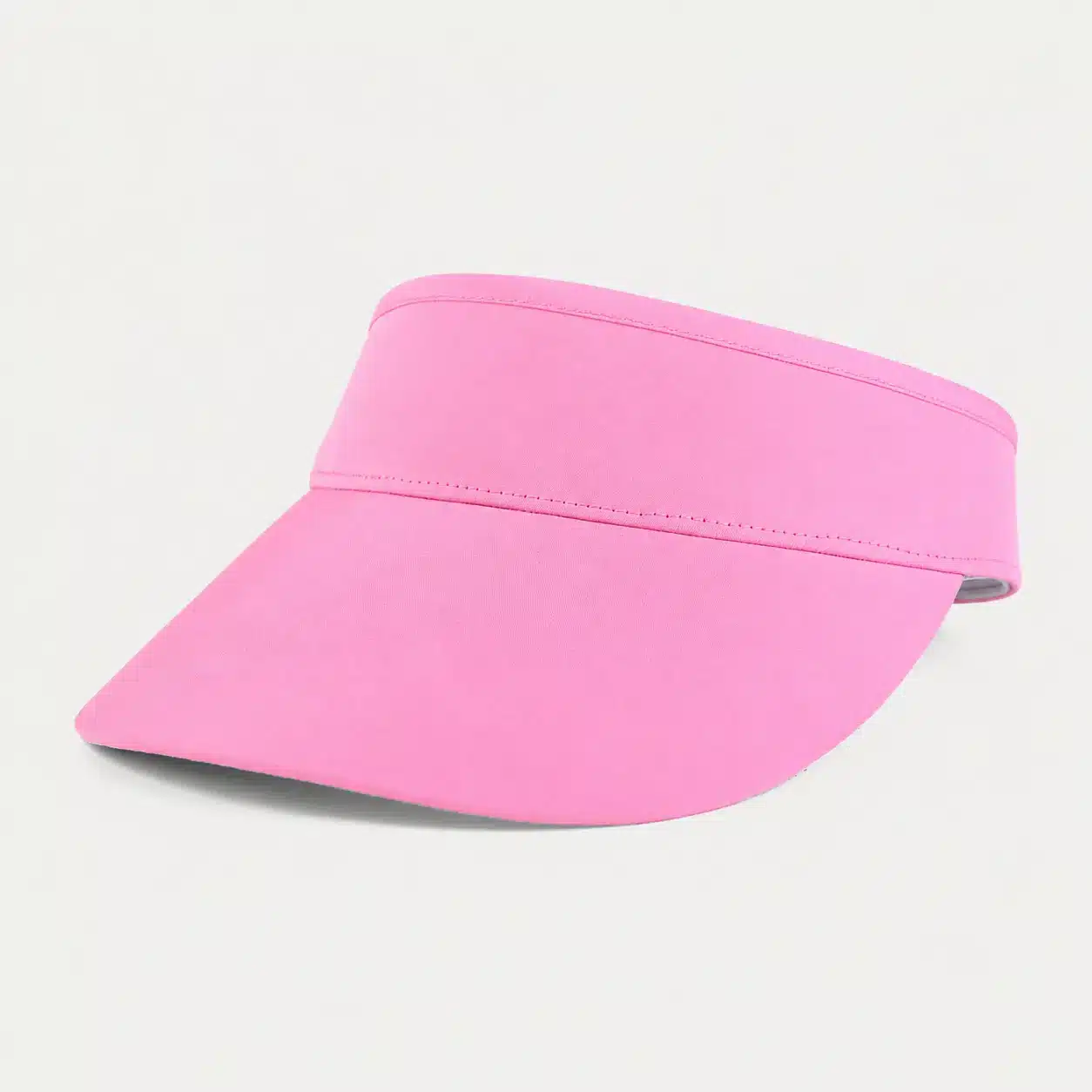
Sports Visors
Visors combine an open-top construction with a front band and visor. Band height, visor shape, material, fit and sweat management should be selected according to the intended activity and wearer.
Golf, tennis, fitness programs, outdoor events, hospitality, resorts and seasonal promotional merchandise.
Visor length and curve, band height, material, sweatband, fit, closure and branding placement.
Start With How the Hat Will Be Used
The intended wearer, setting and product purpose can provide a clearer starting point than the style name alone. Compare the priorities below to identify suitable hat directions for your program.
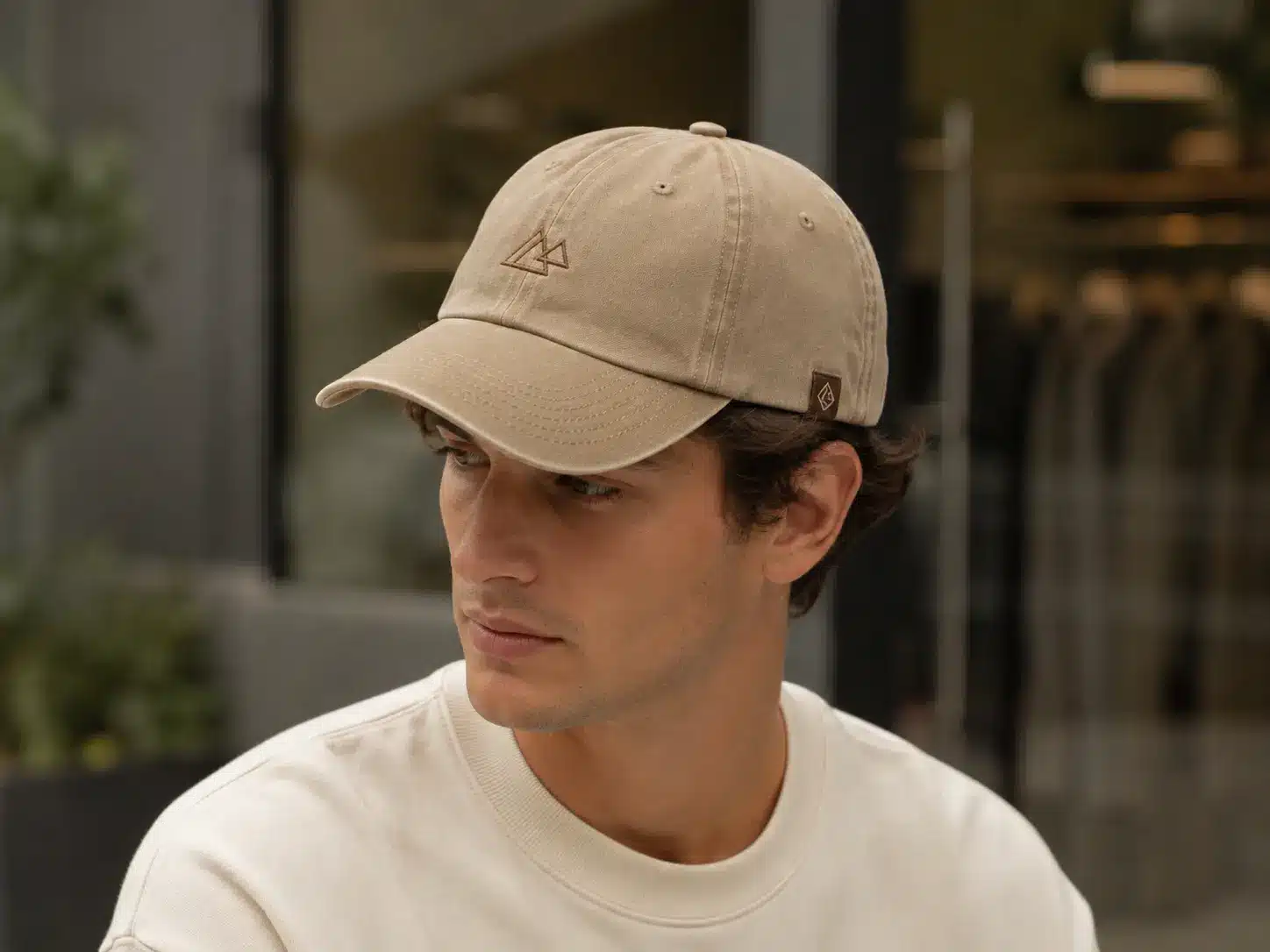
Retail & Lifestyle Collections
Start with the visual character of the collection. Crown profile, fabric finish, fit and branding should work together to create a recognizable product rather than simply carry a logo.
Dad hats, 5-panel hats, rope hats and selected baseball-cap profiles.
Product identity, fit, fabric character, finishing and retail presentation.

Promotional, Corporate & Uniform Programs
The hat should support the intended image, wearing conditions and range of users. Familiar profiles, practical adjustment and consistent logo presentation are often important.
Baseball caps, trucker hats and selected performance hats.
Broad fit range, practical closures, repeatable branding, comfort and intended wearing conditions.
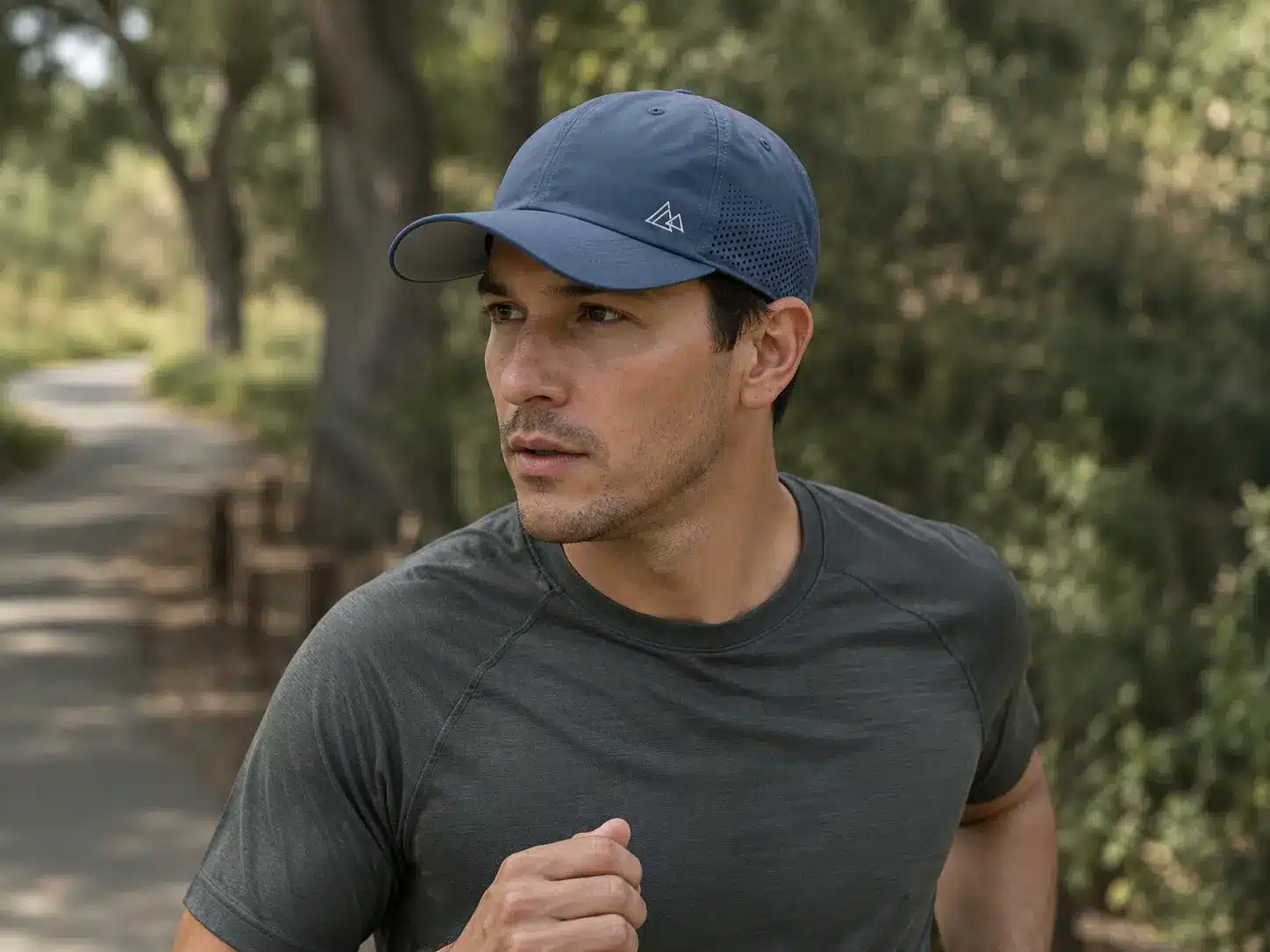
Outdoor, Golf & Active Programs
Activity, climate, ventilation, coverage and wearing time should guide the product direction. A lightweight active cap and a structured golf rope hat may serve very different needs within this category.
Performance hats, rope hats, trucker hats and outdoor-oriented 5-panel hats.
Activity, climate, weight, ventilation, sweat management, stability and comfort.
Not sure which direction fits? Start with how the hat will be used and share the closest visual reference. Suitable features can be combined without relying on a single category name.
A Style Name Is Only the Starting Point
Two hats with the same general style name can look and fit very differently. Crown profile, internal support, panel proportions and visor shape work together to define the finished hat.
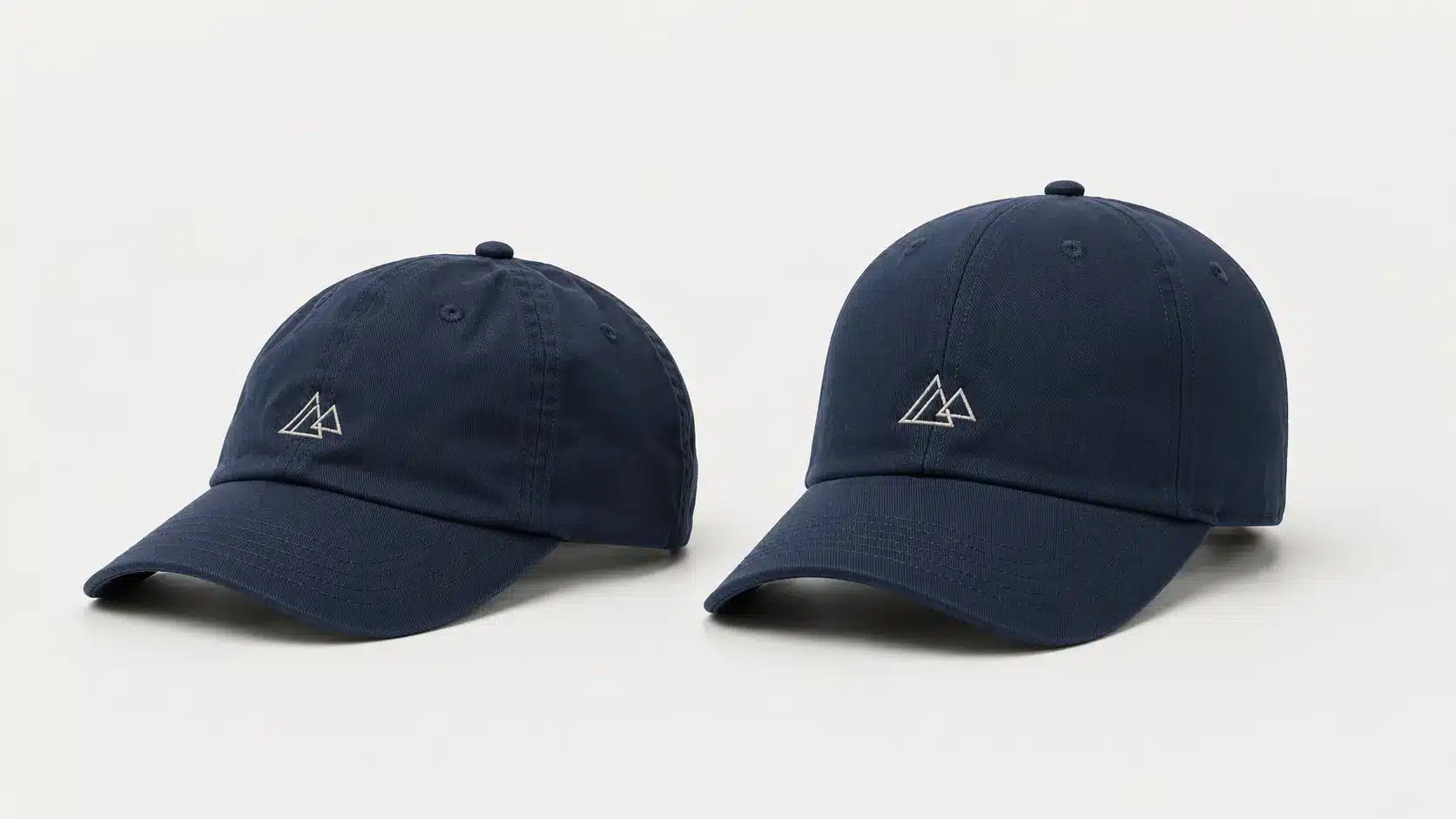
Crown Profile and Structure
Crown height, depth, panel shape and internal support determine whether the hat appears low and relaxed, balanced and classic, or taller and more defined.
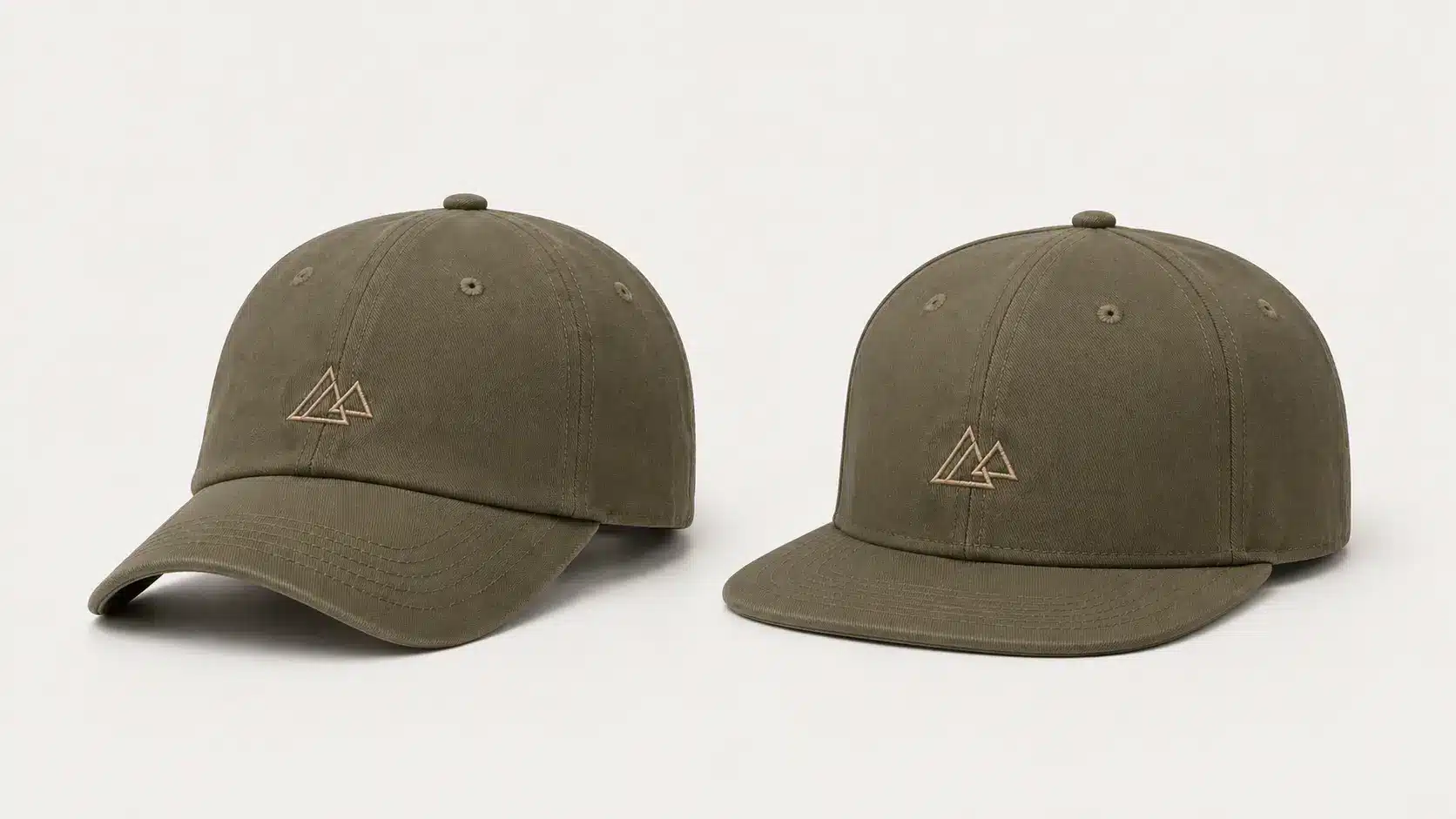
Visor Shape and Overall Proportion
Visor length, width and curvature should be balanced with the crown. These proportions affect how the hat appears from the front, side and while worn.
Use a Reference to Show the Intended Shape
If profile or fit is important, share a physical hat or clear front, side and back photographs. Tell us which features matter most, such as crown height, softness, visor shape or wearing depth.
A reference establishes the development direction. Materials, components and construction compatibility still need to be reviewed, and the finished shape and fit should be confirmed on the physical sample.
What to Specify for Bucket Hats and Visors
Bucket hats and visors are listed above, but their fit and construction need different checks from a cap. Use these details to describe the shape you want before sampling.
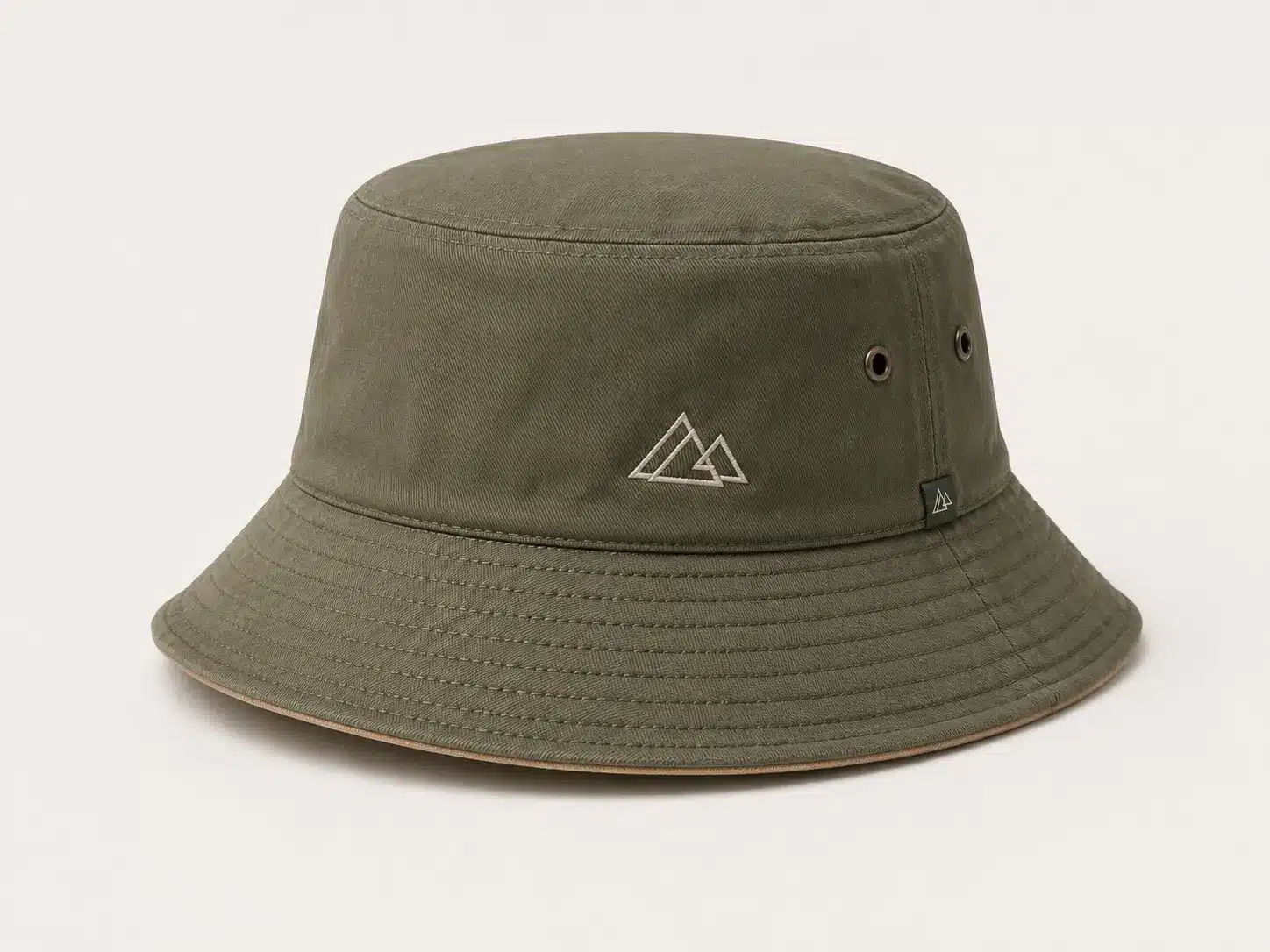
Bucket Hats
For a bucket hat, confirm crown depth, brim width and stiffness, size range, ventilation and whether a chin cord is needed. Check how the chosen fabric holds the intended shape.
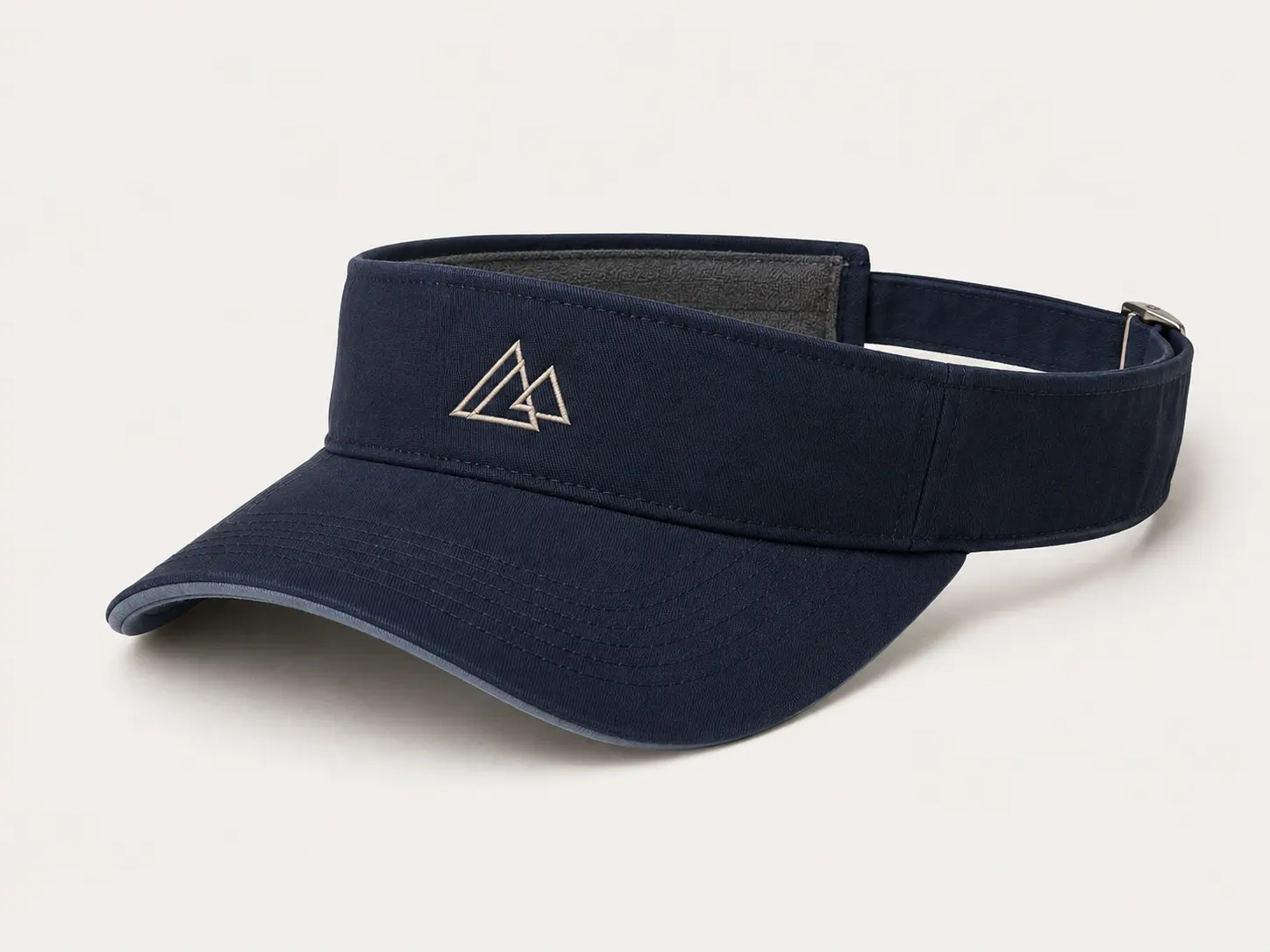
Visors
For a visor, confirm band height, sweatband feel, visor length and curve, closure adjustment and logo position. An open-top design still needs a stable fit.
Other Constructions
If your reference combines features from different hat types, tell us which details matter most. We can review the panel layout, materials and decoration together before quoting.
The physical sample is the final reference for fit and shape. If you have a sample, tell us what should stay and what should change.
Start Your Custom Hat Project
Tell us the style, intended use, approximate quantity and destination. Describe the construction or branding details that matter most; we’ll review the information and advise on the next step.