
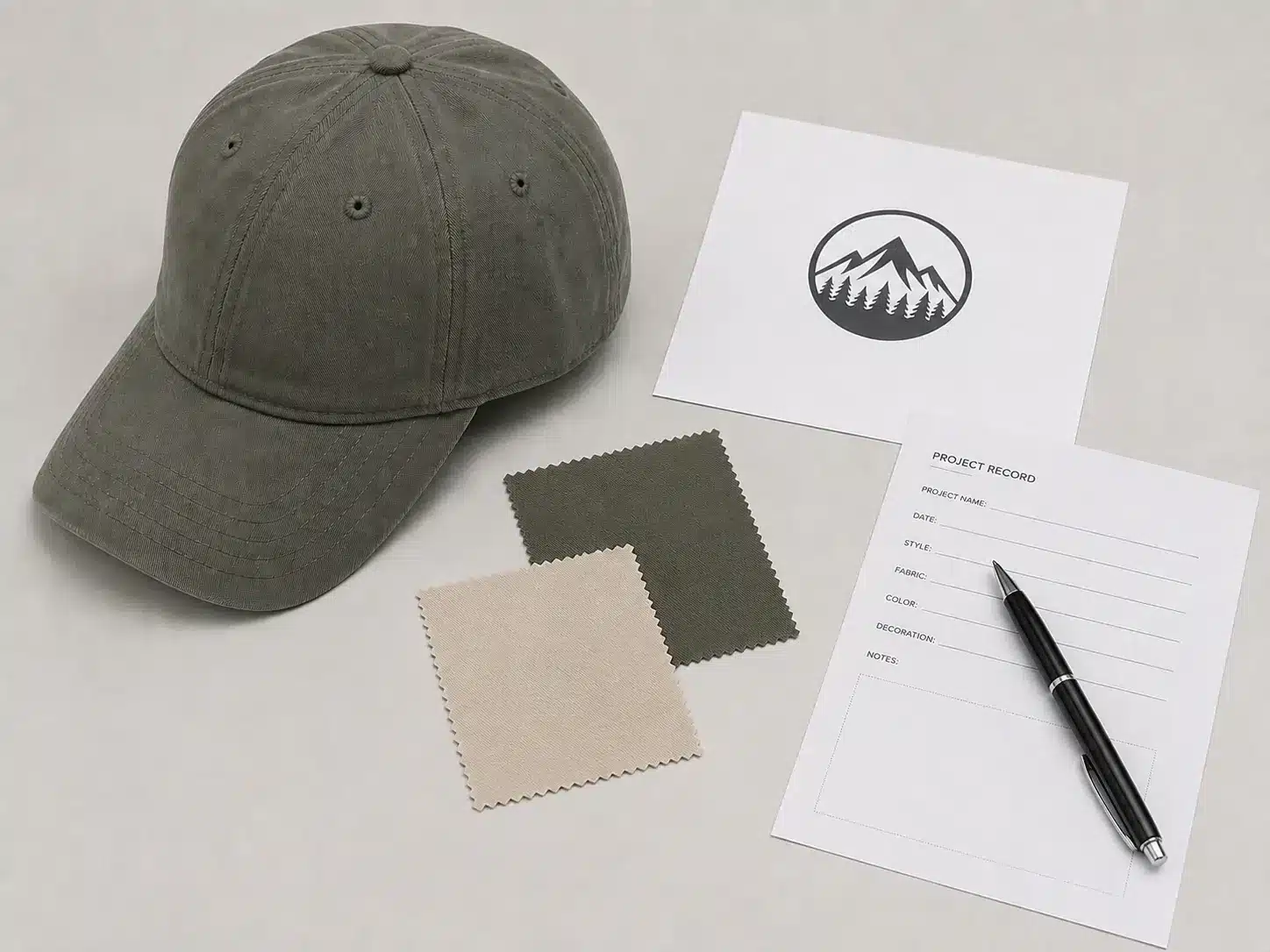
On September 12, 2026, Mets vs Yankees, Phillies vs Braves, and Reds vs Brewers were all among the active baseball searches in the United States. That does not mean every searcher is ready to buy a hat. It does show how quickly baseball attention can concentrate around several games at once—and why sports merchandise teams need a product plan before that attention arrives.
For licensed merchandise companies, youth leagues, tournament organizers, baseball training programs, equipment distributors, and promotional products distributors, the practical question is not who won. It is whether the next event, rivalry series, registration period, or merchandise drop has enough lead time for a well-developed cap rather than a rushed logo application.
Why several baseball matchups can trend at the same time
Baseball demand is event-driven. Games happen on a shared schedule, while rivalries, divisional races, broadcast coverage, ticket activity, social conversation, and live search behavior can raise attention across several markets on the same day. A matchup query may come from someone checking a schedule, looking for a broadcast, following a player, or shopping for merchandise.
That distinction matters. Search spikes are a signal of concentrated attention, not a purchase forecast. A buyer should combine trend data with the size of the addressable audience, the intended sales channel, licensing rights, previous merchandise performance, and the time available to develop the product.
Which B2B programs can turn baseball interest into a cap project?
- Licensed retail collections: officially approved team, league, event, or player merchandise sold through authorized channels.
- Youth league and club programs: player caps, coach caps, supporter merchandise, registration packs, and fundraising products.
- Local tournaments: event-branded caps for participants, staff, sponsors, and spectators.
- Training organizations: uniform caps, academy merchandise, seasonal camps, and team travel programs.
- Promotional campaigns: baseball-themed products for brands that have secured the required campaign, sponsor, or property permissions.
- Private-label baseball collections: original artwork and brand-owned identities inspired by baseball culture without using protected team marks.
These projects do not all need the same cap. The wearer, retail price, sales channel, decoration, expected use, and launch date should determine the specification.
Structured or unstructured six-panel cap?
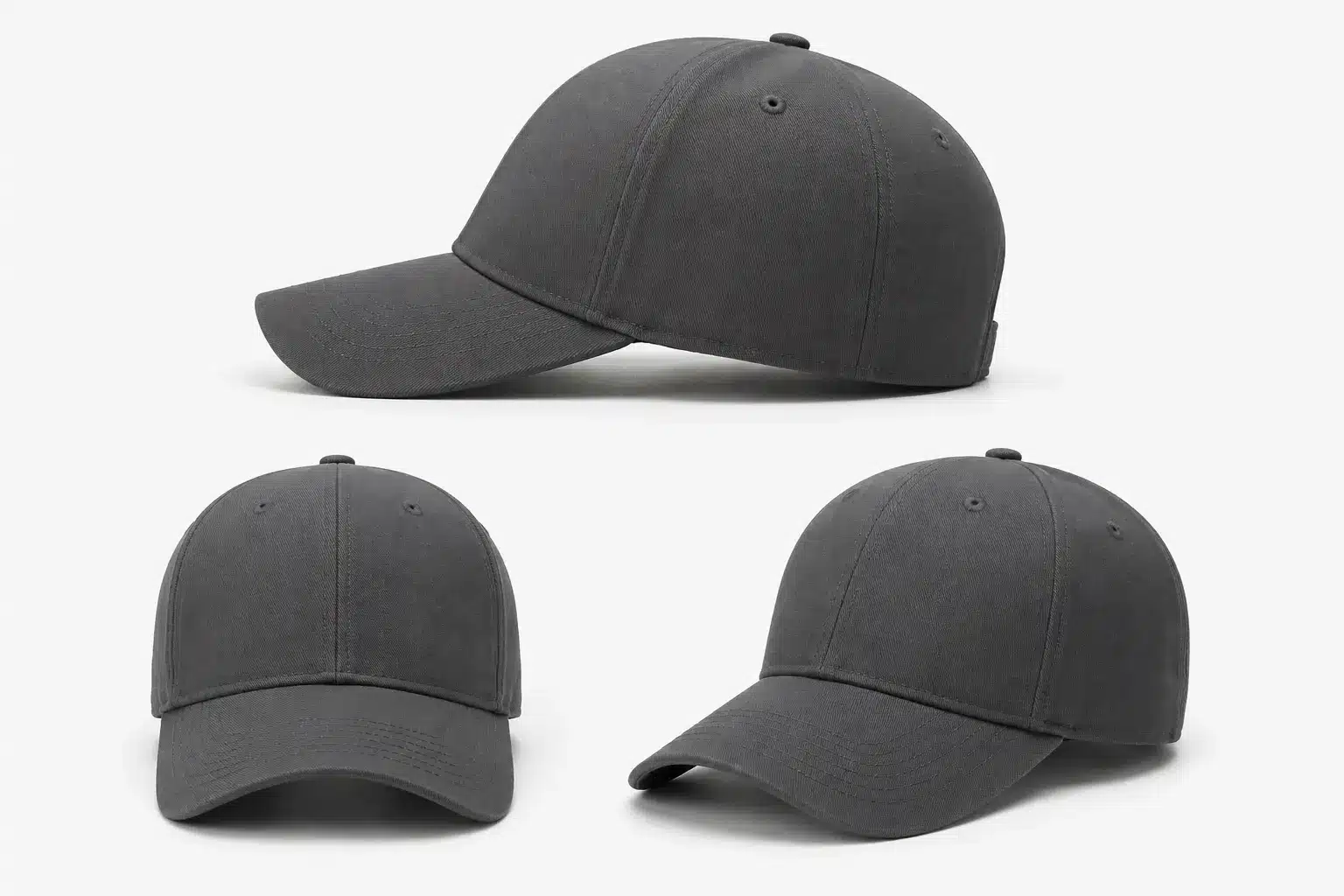
Choose a structured crown for a defined team look
A structured six-panel cap uses support behind the front panels to hold a more consistent shape. It suits retail merchandise, uniforms, bold front logos, and programs that need a stronger on-shelf presentation. The support can also create a stable embroidery area, but the artwork, crown curve, backing, stitch direction, and machine settings still need to be tested together.
Choose an unstructured crown for a relaxed product
An unstructured cap has a softer front and follows the wearer’s head more closely. It can fit lifestyle collections, training staff, volunteers, supporter merchandise, and brands that want a broken-in appearance. Unstructured does not mean lower quality. Panel shape, seam control, fabric behavior, sweatband construction, and sample fit still determine whether the cap looks intentional.
If the program needs more than one audience, a consistent color and graphic system can connect separate structured and unstructured styles without forcing one cap to serve every use.
Flat visor or curved visor?
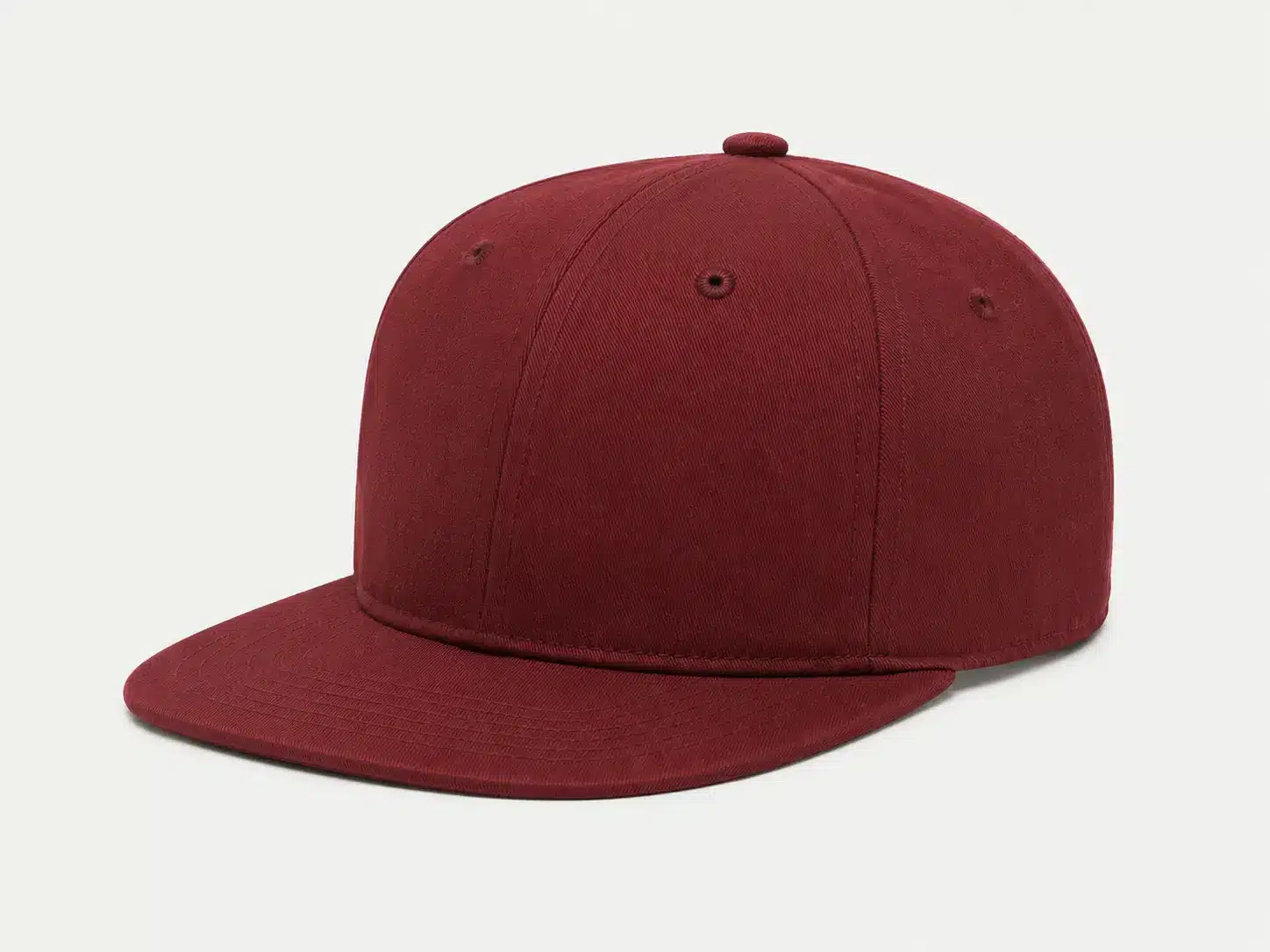
A flat visor often supports a bolder streetwear, collector, or limited-edition position. It works well when the cap is intended to feel like a designed retail product rather than only part of a uniform. Crown height and front-panel proportions should be considered at the same time so the cap does not become visually top-heavy.
A curved visor gives a more traditional baseball and general-wear appearance. It is often easier to place across player, coach, staff, and supporter programs. The curve should still be defined during development: a gentle pre-curve and a deeper curve do not create the same fit or visual balance.
Neither option is automatically more authentic or premium. The right choice is the one that matches the customer, the collection story, and the rest of the cap specification. See our Custom Baseball Caps page for the construction choices that can be developed together.
Embroidery, 3D embroidery, or a patch?
Flat embroidery
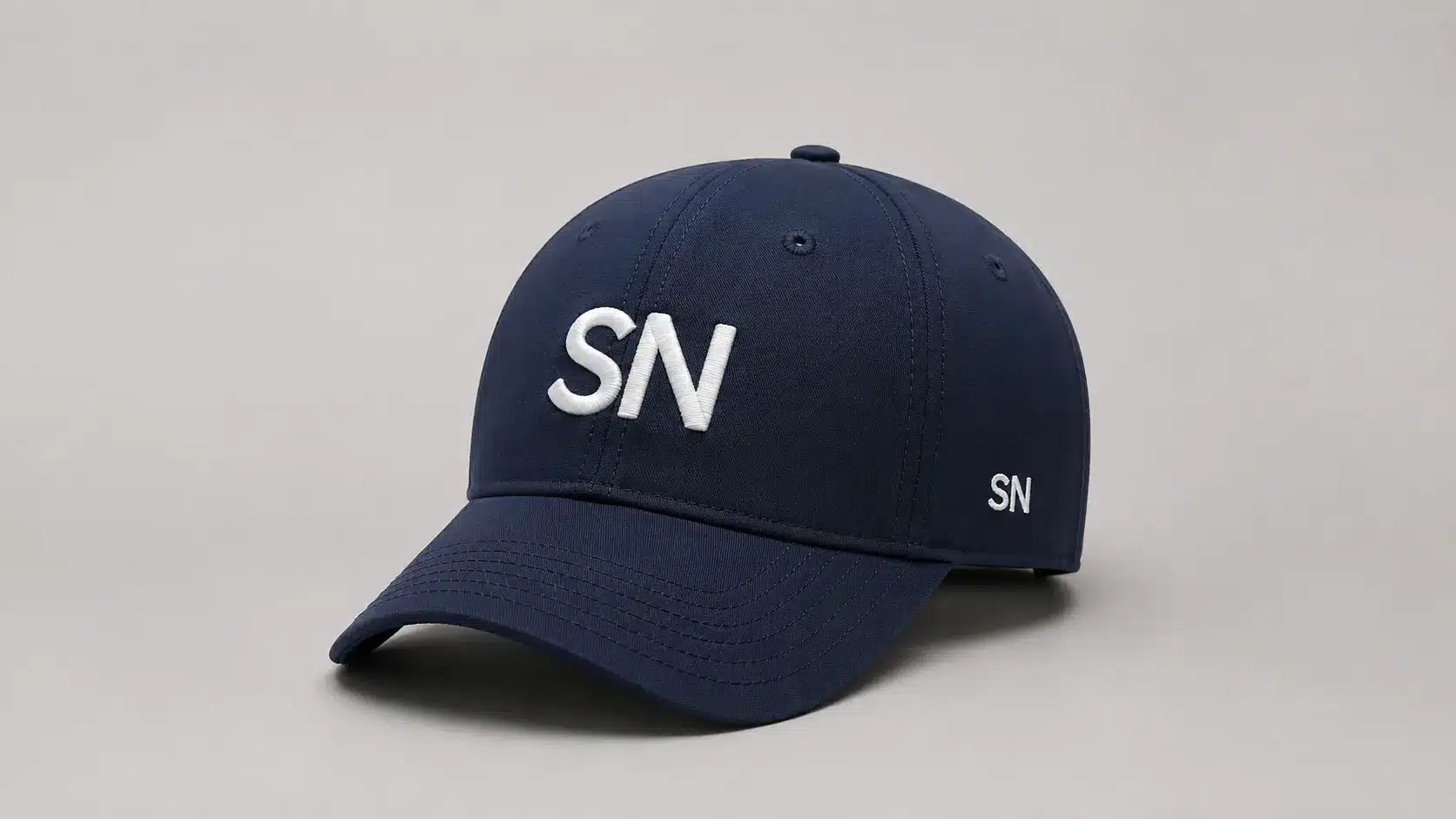
Flat embroidery is the most versatile starting point for many custom baseball team hats. It can handle lettering, outlines, and multicolor artwork when the details remain appropriate for the finished size. Fine gaps, small text, and narrow lines may need artwork adjustments before sampling.
3D puff embroidery
3D puff adds height and a strong retail presence to bold letters and simple shapes. It is less suitable for tiny details, very narrow elements, or artwork that depends on delicate internal spaces. A sample should confirm edge coverage, foam containment, and how the raised design follows the crown.
Patches
Woven, embroidered, chenille, PVC, silicone, and other patch types create different levels of detail, texture, and dimensional contrast. Patch size, shape, edge finish, stiffness, and placement must suit the cap’s front-panel curve. A patch that looks balanced on a flat proof may feel oversized or lift at the edge on the finished crown. Our Customization Options page outlines the main decoration routes.
Who confirms team logo authorization?
MLB, club, player, league, tournament, sponsor, and other protected marks should only be used within documented rights. The buyer or authorized rights holder should confirm who owns the artwork, where it may be sold, the approved product category, the territory, the sales period, and any required review process.
A baseball cap manufacturer should check that the approval path is clear, but should not assume that artwork supplied by a customer is automatically authorized. Local leagues and youth organizations should apply the same discipline to league identities, sponsor marks, and third-party graphics. When rights are uncertain, pause production and have the relevant owner or qualified adviser confirm them.
Plan backward from the event date
Event-led baseball merchandise has a fixed selling window. Instead of asking for one universal lead time, build the calendar backward:
- Set the in-hand date. This should be earlier than the public launch or first event date.
- Add a delivery buffer. Allow time for receiving, counting, distribution, photography, and unexpected transport delays.
- Confirm the shipping method and transit plan. Destination, carton volume, customs arrangements, and urgency affect the route.
- Reserve bulk-production time. Construction, decoration, quantity, material availability, and factory loading all matter.
- Allow for sample review and correction. A sample is useful only if the team has time to inspect fit, shape, color, decoration, labels, and packaging.
- Lock artwork and the product specification. Logo authorization, cap measurements, materials, color references, decoration size, placement, closure, labels, quantities, and packaging should be clear before sampling.
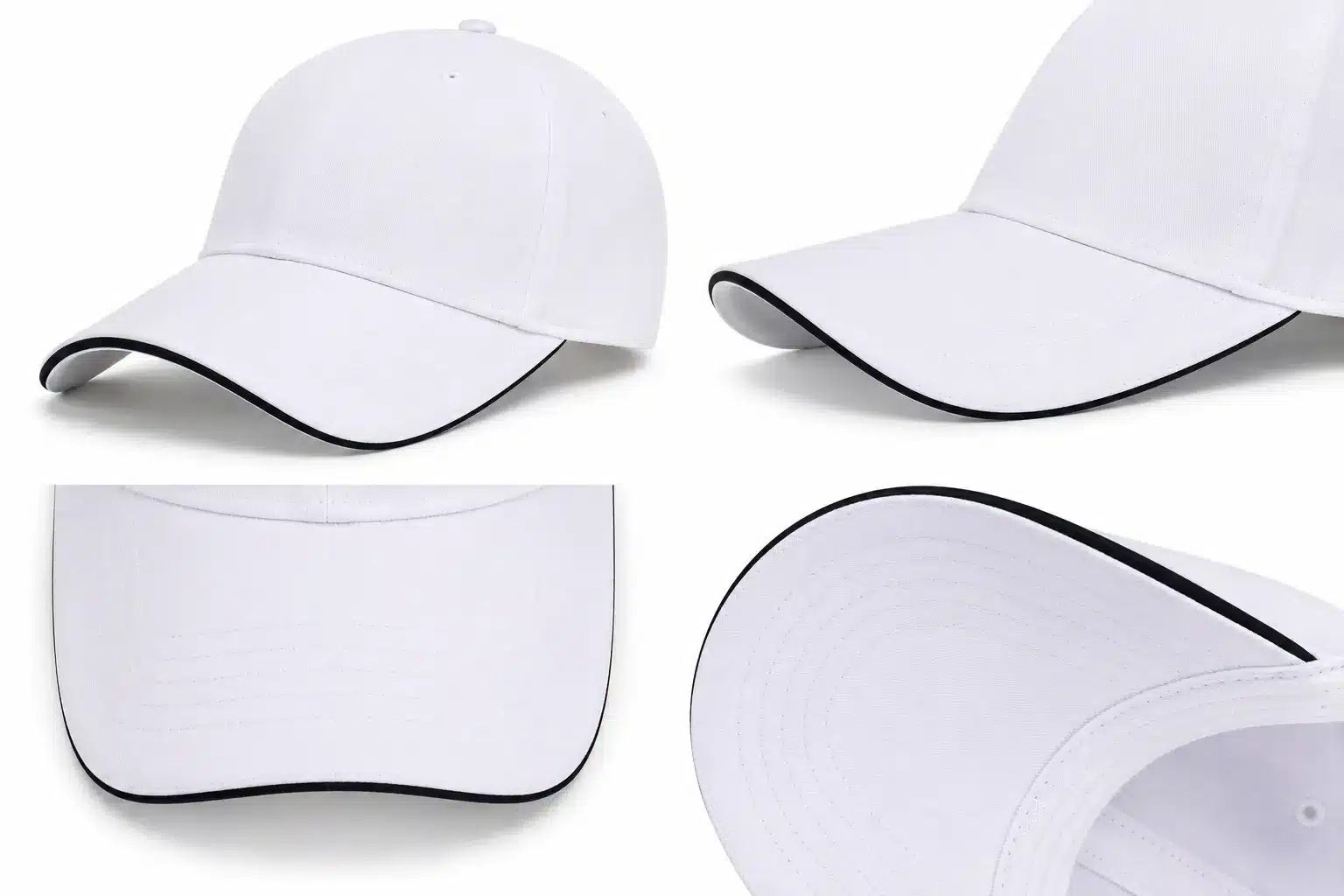
Actual timing changes from project to project. A repeat style using approved materials is different from a new private label baseball cap with custom fabric, multiple decorations, interior branding, and special packaging. Fast approvals help, but skipping development decisions simply transfers risk into bulk production. Our How It Works page explains the development and production sequence.
The useful lesson from New Era’s MLB collections
New Era’s MLB assortment provides a useful product-planning lesson: a sports headwear range is not built by placing different team logos on one identical cap. Its official collections separate occasions such as Spring Training, Clubhouse, on-field use, special events, and heritage themes, then vary silhouette, fit, material, color blocking, graphics, and decoration to support each story.
Smaller licensed programs can apply the same principle at an appropriate scale. Start with clear use cases—for example, a structured retail cap, a relaxed staff cap, and a limited event style—then control the shared colors and graphic language across the range. This produces a more coherent collection than changing only the front logo.
SN International is not affiliated with MLB, its clubs, or New Era. Brand and league names are discussed only as market examples.
Turn attention into a product brief, not a rushed order
The September search surge around Mets vs Yankees, Phillies vs Braves, and Reds vs Brewers is useful because it shows how several baseball audiences can become active at once. The commercial opportunity, however, belongs to organizations that already understand their rights, audience, channel, product position, and calendar.
If you are planning licensed merchandise, an original baseball-inspired private-label collection, a youth league program, or event headwear, prepare the brief before the selling window opens. Share the intended wearer, quantity, launch date, artwork status, preferred cap structure, visor direction, decoration, and delivery destination so the sample can answer the right questions.
Frequently Asked Questions
Can a business use an MLB team logo on custom caps?
Only with the required authorization. The buyer must confirm rights to league, team, player and event marks before production.
Which baseball-cap decisions should be approved first?
Confirm the crown profile and structure, visor shape, closure and primary material before refining decoration. Those choices control fit and the available branding area.
How should an event date affect the production plan?
Work backward through artwork approval, physical sampling, revisions, bulk production, inspection and shipping. Do not base the schedule only on the manufacturing days.