
Search interest around Missouri vs Kansas and Boston College Football rises because college football is bigger than a single game. Rivalries reconnect alumni, fill campus calendars, activate local sponsors, and give retailers a reason to refresh school merchandise. For headwear buyers, that attention is useful only when it becomes a planned product program rather than a rushed logo order.
This guide is for licensed merchandise companies, campus-store suppliers, school-spirit distributors, alumni and booster-club vendors, and promotional-products teams planning custom headwear around the college football calendar. It does not cover game predictions or results. It focuses on the decisions that determine whether a hat works for its audience, sales channel, brand rules, and delivery date.
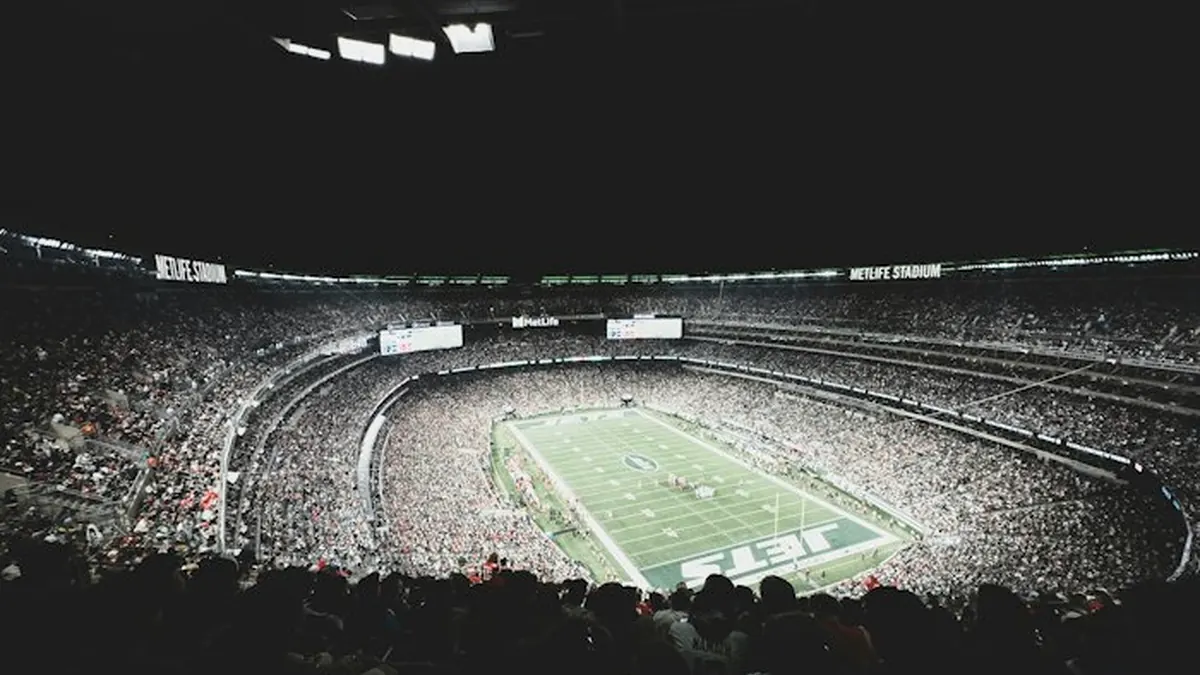
Why college football searches surge together
Several college football topics can trend at the same time for different reasons. A rivalry such as Missouri vs Kansas brings regional history and divided households into the same conversation. Boston College Football can draw attention through its own schedule, conference storylines, alumni network, and campus events. Television coverage, ticket searches, social clips, rankings, and local reporting then amplify that demand.
The search spike is a signal of attention, not proof that buyers suddenly need thousands of hats. A procurement team should use the moment to ask a more practical question: which groups need headwear, and what job must each product do?
Build separate hat programs for separate buyers
A single school identity may appear across retail, fundraising, staff uniforms, alumni events, and sponsor promotions. Those programs should share an approved visual system, but they do not need the same hat.
| Program | Primary wearer | Useful product direction | Buying priority |
|---|---|---|---|
| Campus-store retail | Students, alumni, fans | Structured caps, relaxed caps, rope hats, seasonal colorways | Assortment, fit range, retail presentation |
| Licensed athletic merchandise | Supporters and collectors | Recognizable silhouettes with approved marks and trims | Licensing approval and brand consistency |
| Alumni and homecoming events | Graduates and families | Comfortable adjustable caps with event-specific details | Broad fit and clear event dating |
| Booster-club fundraising | Parents, donors, local supporters | Accessible core styles plus one higher-value option | Margin, reorder logic, usable size mix |
| Staff and volunteer use | Event crews, coaches, coordinators | Durable, easy-to-identify caps | Function, visibility, repeatability |
| Sponsor promotions | Guests and community participants | Co-branded adjustable styles | Artwork hierarchy and distribution quantity |
Separating these use cases prevents a common mistake: forcing one cap specification to serve every audience. A campus store may need a coordinated range. An alumni event may need one inclusive adjustable fit. A sponsor giveaway may prioritize recognizable color and clean co-branding.
Choose the silhouette before choosing the decoration
The crown, visor, closure, and fabric create the product position before a logo is applied. Buyers can review the core options in our custom baseball caps and custom trucker hats pages before building a school-specific assortment.
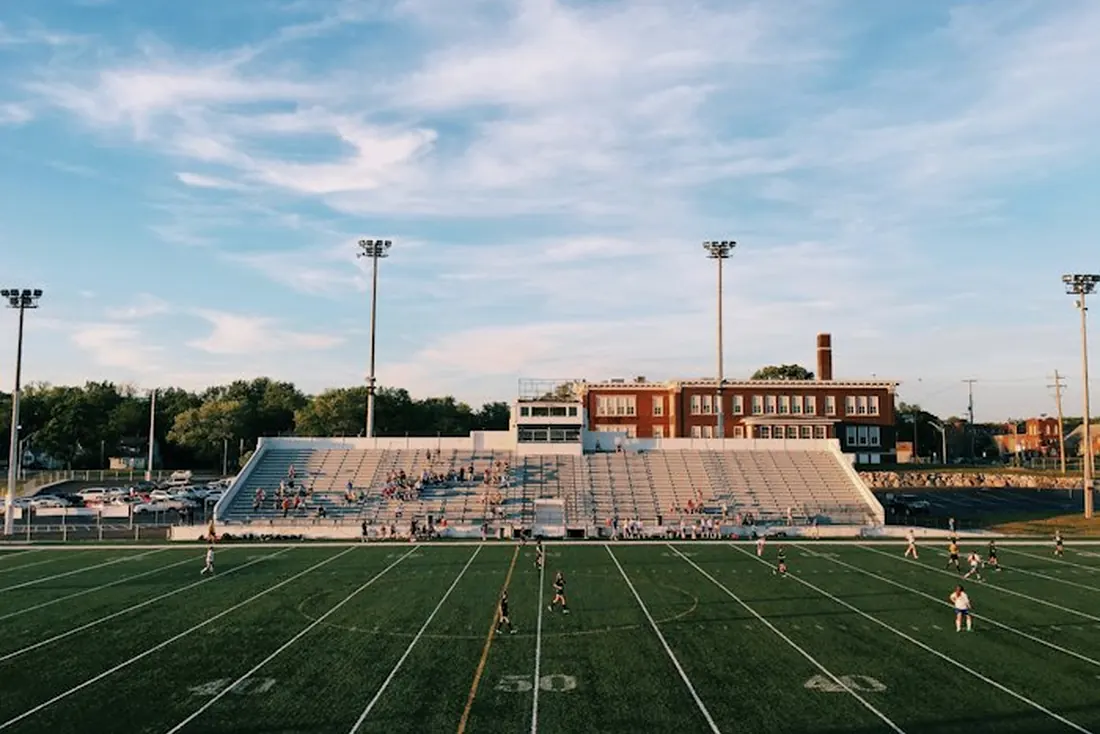
Structured six-panel caps
A structured six-panel cap gives the front logo a firm presentation and usually reads as a traditional team or staff product. It works well when the mark needs a stable front surface. The crown height and front-panel seam still need to be checked against the artwork; a wide or highly detailed logo may need to be resized or simplified.
Unstructured and vintage-inspired caps
An unstructured cap has a softer profile and can suit alumni, campus lifestyle, or heritage collections. Washed fabrics and muted colors can support a vintage direction, but the final shade and hand feel should be approved on a physical sample. A soft crown also changes how large embroidery sits on the front.
Trucker hats
Trucker hats can work for tailgates, outdoor events, local sponsors, and school-spirit programs. Foam-front, twill-front, and performance-mesh constructions do not look or feel the same. Specify the intended crown structure, mesh color, closure, and front decoration rather than requesting a generic trucker cap.
Rope hats
A rope detail across the visor gives a cap a clear retro-sport or golf-influenced identity. It can be a useful seasonal style for campus retail, but it should be treated as one part of the range, not the automatic choice for every college program. The rope thickness, visor shape, crown profile, and front mark must work as one design.
Performance caps
Lightweight synthetic fabrics, ventilation, and moisture-managing sweatbands are useful for staff, warm-weather events, and active programs. Decoration needs to match the fabric. A dense or oversized embroidery area can pull on a light front panel, so a flatter stitch plan, patch, or heat-applied option may produce a cleaner result.
Plan a collection, not a row of identical logos
New Era’s college headwear assortment offers a useful range-planning lesson. The collection does not depend on one cap shape with different school marks. It uses fitted and adjustable silhouettes, structured and relaxed crowns, trucker constructions, different visor profiles, current colorways, and heritage treatments. The commercial idea is assortment architecture: each style has a distinct reason to exist.
A smaller collegiate program can apply the same principle without copying New Era products:
- Core style: a recognizable school-color cap that can stay in the range.
- Lifestyle style: a relaxed or washed cap for everyday campus and alumni wear.
- Event style: a dated or limited design for homecoming, a rivalry weekend, or a fundraiser.
- Performance style: a lighter cap for staff, training, or outdoor activity.
- Statement style: a rope hat, trucker, or premium decoration that adds visual variety.
The result feels like a product line rather than a logo-placement exercise. It also gives buyers clearer reasons to test quantities by channel.
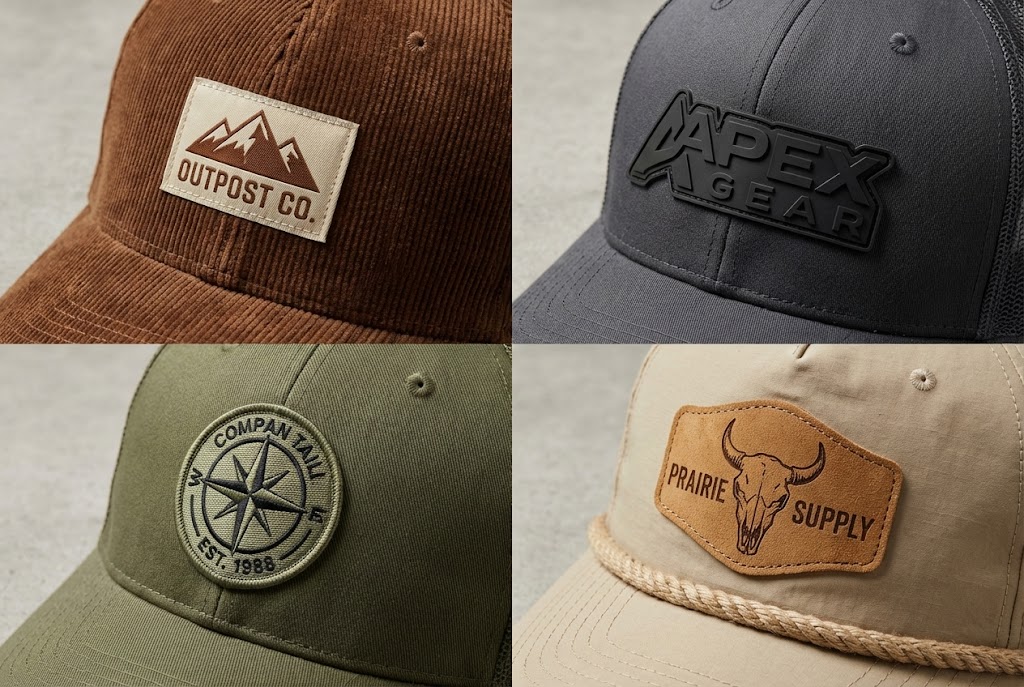
Use color to organize the program
College merchandise often starts with official school colors, but a useful range may need more than one color treatment. Buyers can organize colorways into three levels:
- Official core colors for the most recognizable retail and event products.
- Neutral combinations such as black, navy, stone, or gray where the approved mark carries the identity.
- Heritage or seasonal palettes only when the rights holder approves the treatment and it fits the collection story.
Approve color using physical fabric, thread, patch, and trim samples when the match matters. Screen color is not a reliable substitute for material approval, especially when embroidery thread, twill, mesh, rope, and closure components come from different material families.
Match decoration to the artwork and cap
Flat embroidery remains a practical choice for school names, letters, and many athletic marks. 3D embroidery works best for bold shapes with enough stroke width; it is not a universal upgrade for small text or fine details. Woven patches can hold finer artwork, while embroidered patches add texture. PVC and leather-style patches create different product positions and may suit outdoor, sponsor, or lifestyle programs.
Our customization options page shows how crown construction, visor details, closures, decoration, labels, sweatbands, taping, and packaging can be developed together. The decoration should be tested on the intended cap, not approved as an isolated artwork file.
Licensing must be resolved before production
School names, logos, mascots, conference marks, event identities, and other collegiate assets may be protected. Licensed collegiate merchandise requires authorization from the relevant rights holder and may involve an approved licensing or label process. A school department’s informal approval is not necessarily the same as merchandise licensing approval.
The buyer or licensee should confirm:
- which marks may be used and in which versions;
- approved colors, clear space, placement, and product categories;
- whether co-branding or sponsor marks are permitted;
- which artwork proofs and physical samples require approval;
- whether names, numbers, signatures, or athlete-related elements create additional rights questions;
- which labels, holograms, packaging, or reporting steps apply to the program.
A manufacturer can follow the approved artwork and product specification, but should not assume that supplied artwork is licensed. Keep the approval record with the final sample and production file.
Work backward from the event date
Do not start with a generic production promise. Build the schedule from the in-hands date, shipping destination, approval requirements, and product complexity. A practical sequence is:
- Define the program: audience, channel, target price, quantity by style, and event date.
- Confirm rights: approved marks, color rules, product permissions, labels, and approval contacts.
- Develop the specification: crown, visor, closure, fabric, decoration, interior branding, packaging, and size or fit requirements.
- Review artwork and materials: check logo scale, seam interaction, thread or patch colors, and component compatibility.
- Approve a physical sample: assess fit, silhouette, color, decoration, comfort, and construction as one product.
- Plan bulk production and inspection: lock the approved reference, define checks, and leave time for freight and receiving.
Programs with several styles, custom-dyed materials, special trims, or multiple licensing reviews need more development time than a straightforward cap. Our full custom OEM hats page explains how a fully developed program can coordinate exterior design, interior branding, components, packaging, and production.
What to include in a collegiate headwear brief
A useful request does more than attach a logo. Include the target wearer, selling or distribution channel, event date, desired in-hands date, approved artwork files, color references, estimated quantity by style, target fit, preferred crown and visor, decoration direction, interior branding, packaging, destination, and approval contact.
If the range is still open, identify one core cap and one differentiated style first. Sampling two purposeful directions provides better information than developing many near-identical hats at once.
Planning a licensed college, alumni, booster, or school-spirit headwear program? Send us the approved artwork, audience, quantity, target date, and preferred silhouettes. We can review the construction and decoration options before sampling.
This article discusses general collegiate headwear planning. SN International is not affiliated with Missouri, Kansas, Boston College, New Era, the NCAA, or their respective rights holders. All trademarks belong to their owners. Buyers are responsible for confirming the rights required for their projects.
Frequently Asked Questions
Can a supplier reproduce a college logo from an online image?
The buyer should provide authorized production artwork and confirm the right to use school, team, conference and event marks. An online image is not approval.
Should alumni, staff and retail hats use one design?
They can share a visual system, but each group may need a different product role, fit, price position or decoration. Define the use before selecting the hat.
What makes a college headwear program easier to reorder?
Keep one approved specification for each SKU, including construction, colors, artwork, labels, packing and the physical sample used for approval.