
New York Fashion Week puts collections in front of buyers, editors, creators, and customers at the same time. For an apparel brand, that concentrated attention can make a cap look like an easy extension of the season. The difficult part is turning a styling idea into a product that fits the collection, can be approved on time, and still makes sense after the show ends.
The CFDA’s official September 2026 schedule ran from September 10 through September 15 and included 70 runway shows and designer presentations. That scale helps explain the short surge in New York Fashion Week searches. It does not prove demand for any one hat style. A brand still needs to decide whether headwear belongs in the runway story, the retail assortment, the event uniform, or the gift package.
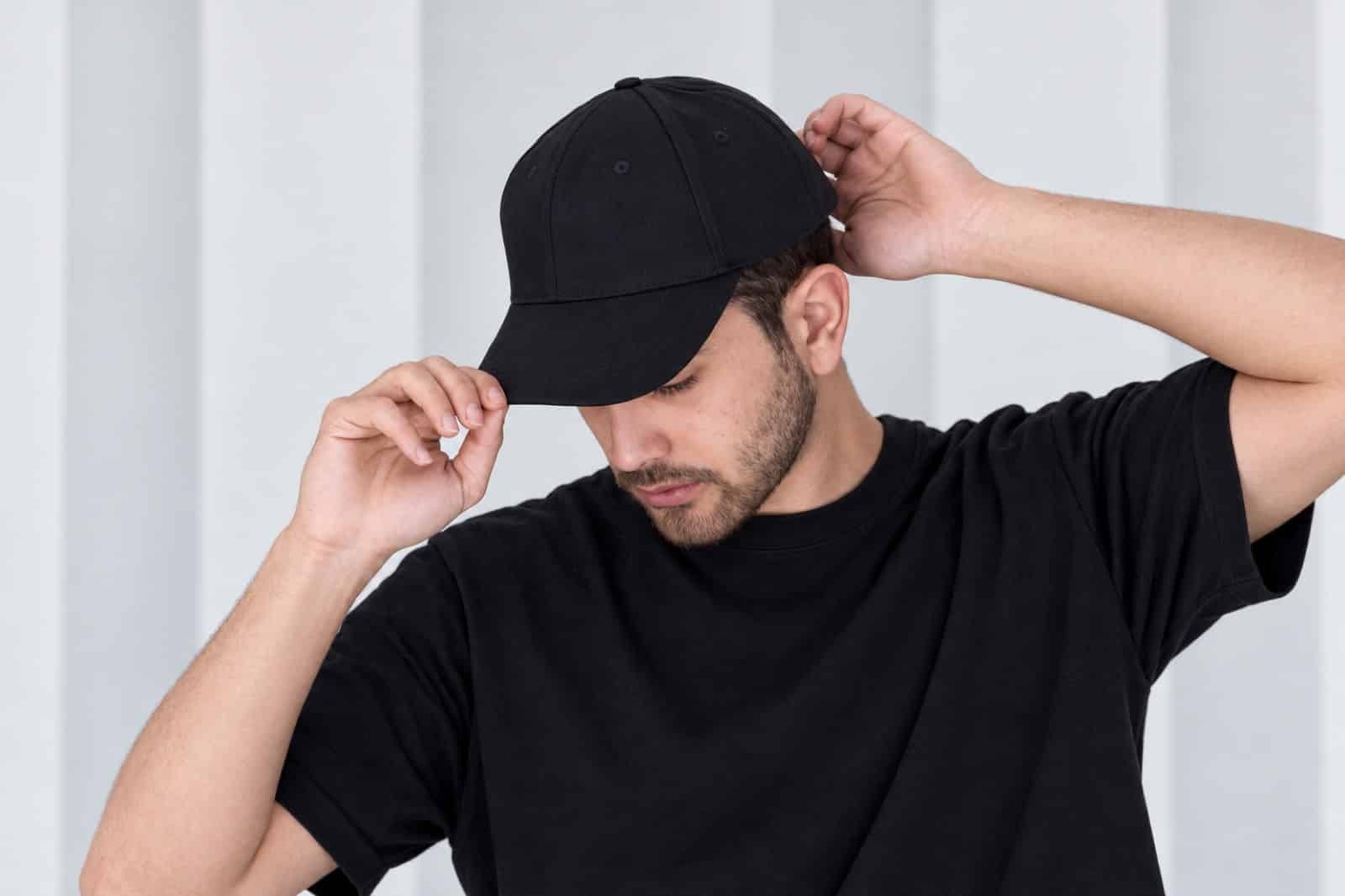
Why Fashion Week Creates a Useful Headwear Test
Fashion week compresses several commercial questions into one public moment. The styling team wants a coherent runway or presentation look. The sales team needs products that buyers can understand. Marketing needs photographs and social assets. Operations needs an assortment that can be sampled, ordered, delivered, and replenished.
A cap can connect those needs because it is visible, wearable, and easier to add to an outfit than another full garment. It can also fail for the same reason. If the crown, visor, wash, or decoration feels disconnected from the collection, the cap reads as promotional merchandise rather than fashion product.
The durable opportunity is not the phrase “New York Fashion Week.” That query is dominated by schedules, designers, celebrity coverage, and runway news. The lasting commercial themes are fashion brand hats, private label caps, and headwear capsule collection. This guide uses the event as context while answering the product decisions behind those searches.
Give the Cap One Clear Job
A fashion brand may need several kinds of headwear around one launch. Combining them without a hierarchy creates conflicting specifications. Start by assigning the cap to one program.
| Program role | Primary wearer | Design priority | Inventory implication |
|---|---|---|---|
| Runway or lookbook styling | Models and creative team | Silhouette and visual impact from the camera angle | Small set of controlled samples |
| Retail capsule | Customers | Wearability, fit, finishing, and price position | Sizes or closures, color allocation, packaging, and replenishment |
| Event staff | Production, guest, or sales teams | Recognition, comfort, and consistent appearance | Fit range, distribution, and replacement pieces |
| Press or buyer gift | Editors, buyers, creators, and partners | Presentation and connection to the collection story | Recipient list, individual packing, and delivery deadline |
A runway sample may be intentionally exaggerated and may never become a retail product. A retail cap needs a specification that works across the ordered quantity. An event-staff cap must remain comfortable during a long working day. A gift cap needs packaging and delivery information that a runway stylist never sees.
Build a Capsule, Not a Pile of Variations
A capsule does not need many cap shapes. It needs a reason for each one. One core silhouette can carry the main color story, while a second style covers a different wearing occasion. More styles add more patterns, samples, trims, purchase-order lines, inspection references, and leftover inventory.
For many fashion labels, a two-style plan is enough:
- a relaxed six-panel cap for the broadest everyday use; and
- a five-panel or structured cap when the collection needs a sharper, more graphic profile.
The custom baseball cap page covers classic six-panel directions, while custom five-panel hats are useful when the front panel, shallow crown, or streetwear proportion is part of the design.
Choose the Silhouette Before the Decoration
Decoration cannot correct the wrong crown. A low, unstructured crown gives a soft profile and may suit washed fabrics, quiet embroidery, and casual styling. A structured crown presents a cleaner front surface and more visible height. A five-panel construction changes the front seam layout and can suit patches, prints, or a more directional shape.
Review the cap from the side as carefully as from the front. Crown depth, visor length, visor curve, and the point where the crown meets the visor determine the overall expression. A digital logo mockup does not show these proportions.
| Design direction | Useful construction route | Check during sampling |
|---|---|---|
| Relaxed, washed, everyday | Unstructured six-panel with curved visor | Crown collapse, wash variation, and logo legibility |
| Clean, graphic, streetwear | Structured six-panel or five-panel | Front-panel shape, visor proportion, and decoration alignment |
| Texture-led seasonal piece | Simple crown in corduroy, canvas, or another tactile fabric | Nap direction, seam bulk, color, and stitch definition |
| Lightweight warm-weather style | Light woven fabric with reduced decoration weight | Opacity, structure, sweatband choice, and shape recovery |
Translate Collection Materials into Hat Materials
The cap does not have to use the same fabric as a jacket or trouser to belong to the collection. The material must also work with the crown structure, seam construction, visor, sweatband, and decoration. A heavy garment fabric may create bulky seams. A soft fashion fabric may need support. A specialty finish may vary across panels after cutting and washing.
A safer approach is to translate the collection through color, surface, and hand feel. Cotton twill can carry a familiar casual finish. Canvas produces a firmer surface. Corduroy adds a visible rib. Washed cotton introduces variation and a worn-in character. Performance fabrics create a cleaner, lighter direction but may require different decoration and heat settings.
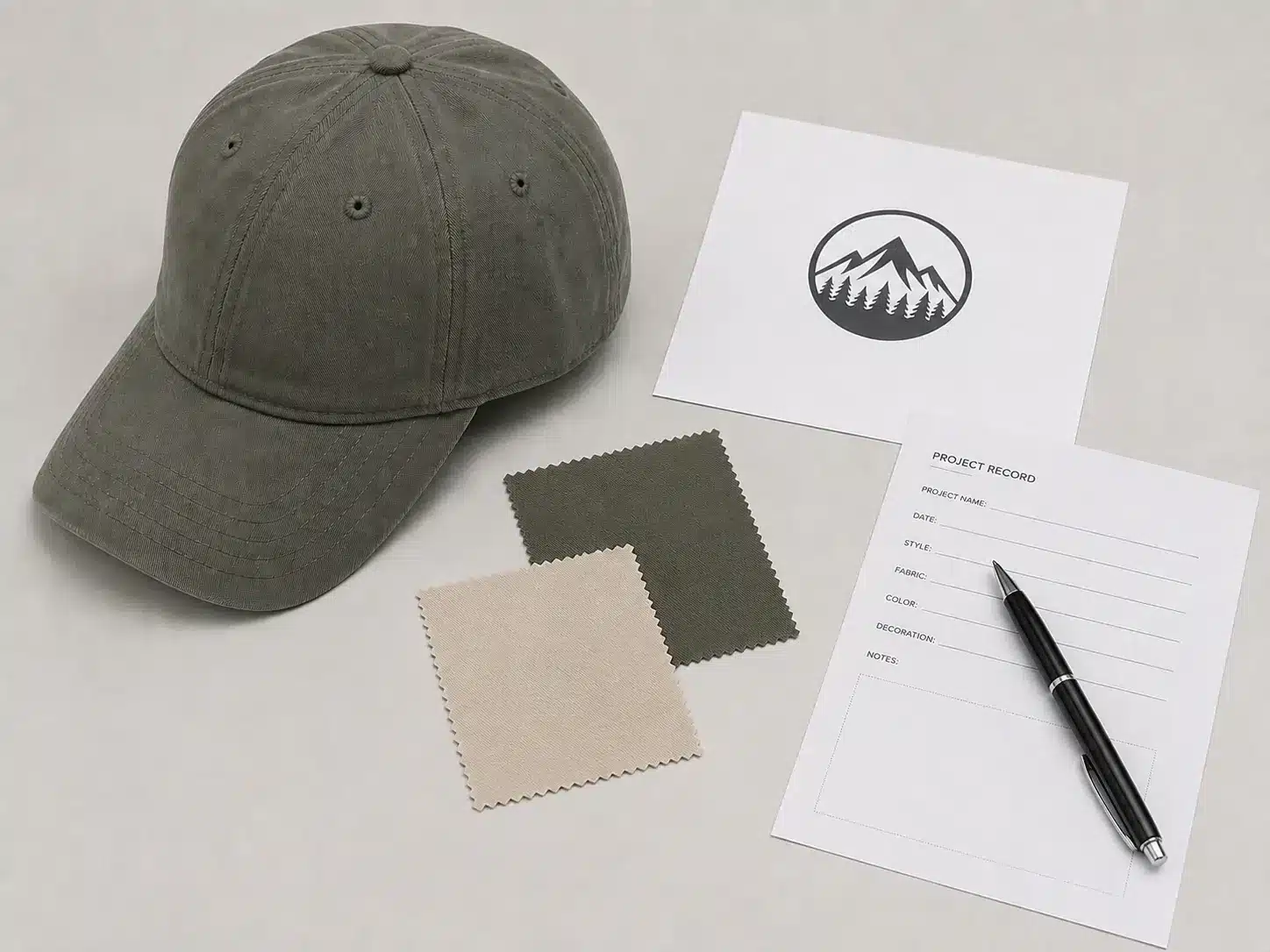
Send the supplier a physical reference or an agreed color standard when color is central to the collection. Then approve the fabric, thread, patch, closure, and label together. A close color match on one material can look different on another because texture and light reflection change the result.
Use Decoration to Support the Fashion Position
Large front embroidery is not the default answer. A fashion-brand cap may need a small tonal mark, an off-center placement, a woven label, a fabric applique, or a patch that carries material from the wider collection.
Flat embroidery works for clean lines and controlled detail. Three-dimensional embroidery needs enough stroke width and a stable surface. Woven patches can hold finer artwork. Printed patches can reproduce tonal changes. Applique introduces another material but also adds edge, stitch, and fraying decisions. The customization options page shows how decoration can be coordinated with closures, interior labels, taping, and other components.
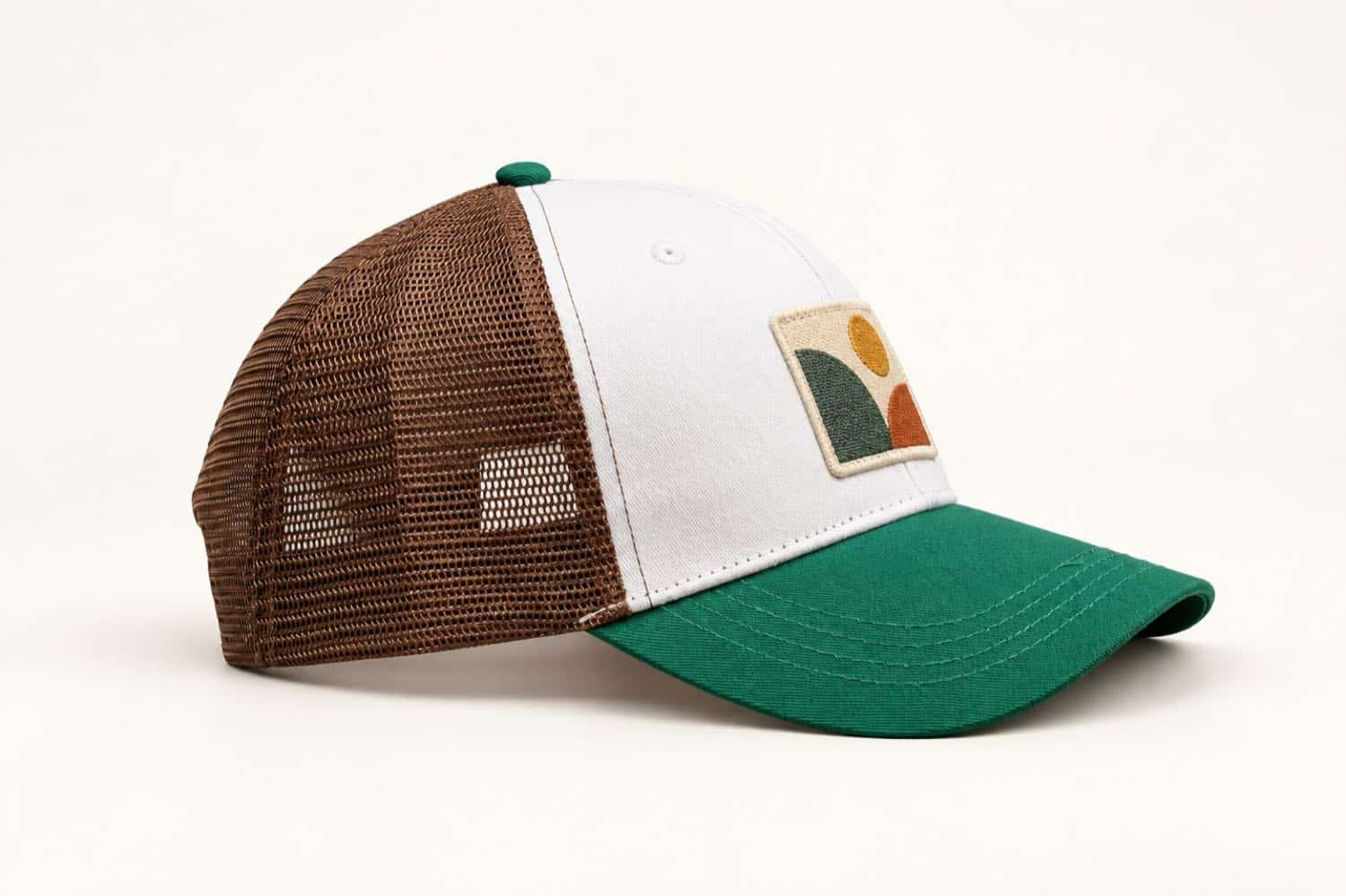
Ask for the decoration at actual size before approving it. A design that looks balanced on a laptop may become too dense, too small, or too close to a panel seam on the finished crown. The sample should also be photographed with the clothes it will accompany.
Decide Which Details Belong Inside the Cap
Private label headwear extends beyond the front artwork. The interior can include woven labels, printed information, branded taping, a custom sweatband treatment, and care or origin details. The rear closure, metal hardware, visor underside, and top button can also carry the collection palette.
Use these details selectively. A short capsule can become expensive and slow when every component is unique. Identify one or two details that customers will notice, then keep the remaining construction consistent. This makes the product easier to approve and reorder.
Separate Inspiration from Intellectual Property
Fashion-week coverage is full of designer names, runway images, logos, prints, and recognizable styling. Public visibility does not make those assets available for another brand’s merchandise. A manufacturer should receive artwork that the buyer owns or is authorized to use.
The brief should state who controls the wordmark, symbol, artwork, collaboration name, photographs, and packaging copy. If another designer, artist, institution, or event is involved, confirm the product categories, territories, channels, approval route, and selling period in writing. Do not ask the factory to infer permission from a mood board.
Work Backward from the Launch, Not the Show Date
The relevant deadline depends on the product’s job. A styling sample must arrive before fittings and photography. A press gift must be packed before the recipient event. A retail capsule needs time for receiving, product photography, e-commerce setup, allocation, and store delivery.
- Freeze the role and assortment. Confirm which styles are samples, staff pieces, gifts, or retail SKUs.
- Approve the silhouette. Review crown, visor, fit, and closure before spending time on minor trims.
- Confirm materials and color. Use physical references where appearance is critical.
- Test decoration on the chosen fabric. Do not approve embroidery or patches as isolated samples.
- Review the complete cap. Check exterior, interior, labels, packaging, and wear with the collection.
- Consolidate feedback. One decision owner should release a single revision list.
- Protect receiving time. Build the schedule around the date the product must be usable, not merely shipped.
The custom hat development process explains how product definition, sampling, approval, production, and quality checks connect.
A Practical Brief for a Fashion Brand Cap
A useful brief includes the wearer, sales channel, intended launch, silhouette reference, crown structure, visor shape, closure, fabric, physical color reference, decoration file and size, interior labels, packaging, quantity by SKU, and final approver. It should also list the elements that remain open so the sample team does not treat an unfinished choice as approved.
For apparel brands, streetwear labels, boutiques, showrooms, and collaboration agencies, full custom OEM hat development can coordinate these decisions as one product. Start with the cap’s job inside the collection. The right construction follows from that decision.
Frequently Asked Questions
How many cap styles should a fashion capsule include?
Use only the styles that have distinct roles in the collection. One strong silhouette with controlled colorways may be clearer than several similar caps competing with one another.
Should a fashion cap copy a runway reference exactly?
No. References can communicate proportion or mood, but the final product must use original or authorized design elements and a specification that can be produced consistently.
What should a brand approve before announcing the capsule?
Approve the physical sample, artwork and labels, packaging, quantities, production schedule and delivery plan. Build the public launch date around confirmed production information.