
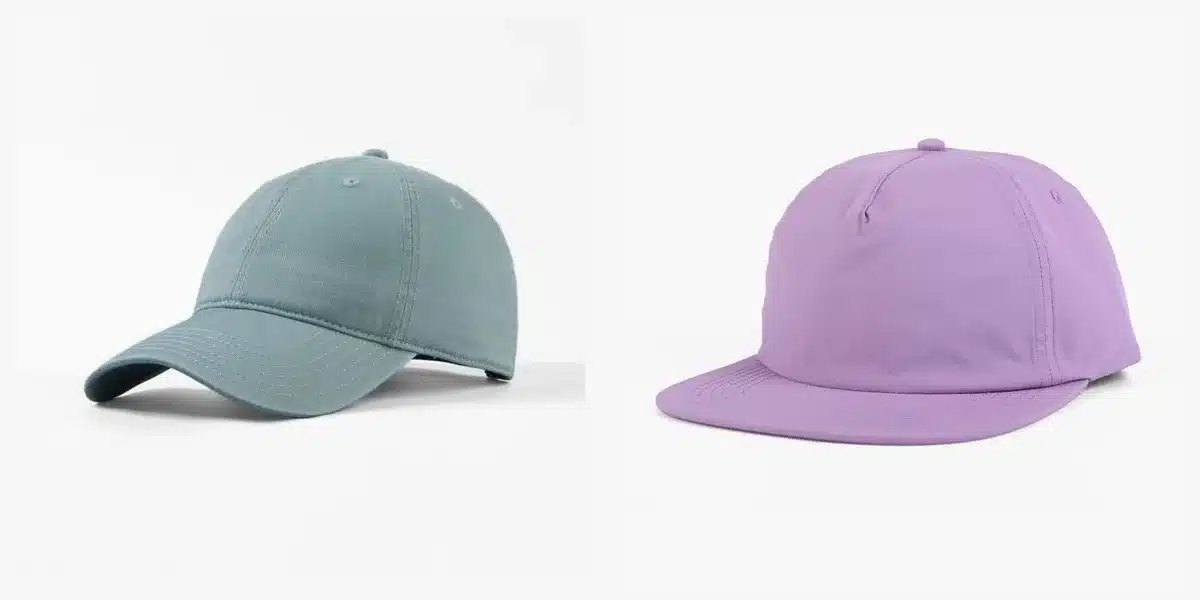
Choose custom hat samples by the decision they must support. Ask for a reference sample when the client is choosing fit or shape, a decoration sample when it needs to judge a logo on a compatible surface, and a project-specific pre-production sample when a full-custom design is ready for approval before bulk production. A reference cap cannot prove that the final product will use the same fabric or fit; a logo test cannot approve the whole hat. Record what each sample shows and what remains open.
Give each sample one job
The term sample can refer to three different things. Ask the supplier what each physical piece was made to demonstrate. The names may vary between suppliers; the agreed purpose matters more than the label.
| Sample | Ask the supplier for it when | Decision it supports | Does not establish |
|---|---|---|---|
| Reference sample: an existing hat or component used to explain a direction | The client has not chosen a crown profile, fit, visor, material feel, or closure | Which physical features to keep or change in the product brief | Availability of the same materials, permission to copy another brand’s design, or a final project specification |
| Decoration sample: a stitch-out, printed piece, patch, or decorated cap | The likely hat or surface is known, but logo method, size, or placement is still in question | Which artwork treatment to test on the selected hat | How the complete hat will fit, or how that decoration will behave on a different fabric or crown |
| Pre-production sample: a project-specific physical hat made for review before bulk production | The full-custom specification and artwork are defined enough to review the complete product | Whether to approve that reviewed version for bulk production or request another revision | Approval of a substituted component, an untested size or color, or anything missing from the written specification |
Request the sample that answers the current question; do not order a project-specific production sample while the client is still choosing between basic silhouettes. Ask each supplier what it can provide, what the sample includes, and its terms for the project. If a physical sample is unavailable, mark the attributes it would have tested as unverified. In SN’s sampling process, the approved physical sample and confirmed specifications become the working references for bulk production.
Build the comparison around the client’s program
Start with four questions: Who will wear the hat? Where will it be used or sold? What must the branding communicate? Which requirements cannot change? These answers reduce a wall of options to a few meaningful comparisons.
For a retail client, compare the on-head silhouette, fabric hand feel, interior finish, and shelf presentation. For a uniform program, focus on fit range, comfort during the intended wear period, and repeatable branding. For an event, consider the range of wearers, visibility of the mark, and how the hats will be distributed. These are comparison priorities, not promises that one construction will work for every buyer.
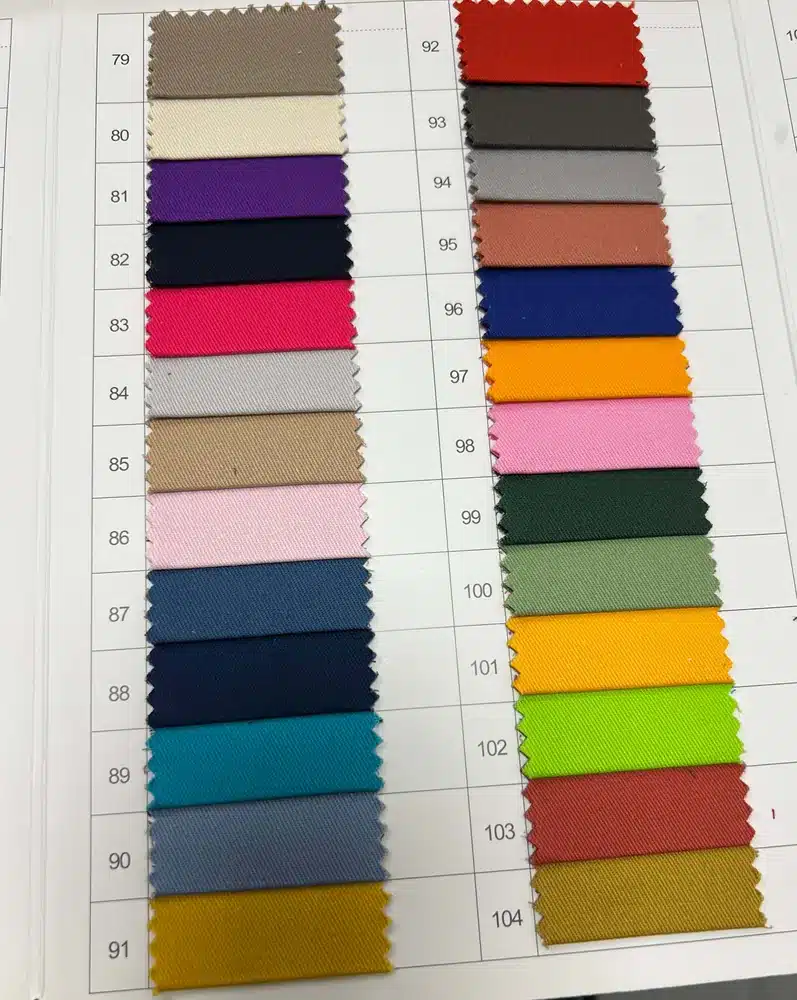
Choose reference samples that differ in a feature the client can actually decide on. Ask intended wearers to try them on. Record crown depth, visor proportion, closure adjustment, forehead feel, and whether the logo area looks balanced at normal viewing distance. A photograph can preserve the comparison, but it cannot replace the wear test.
Practical example (hypothetical). If a client is deciding between a casual retail cap and a performance style, start with two reference hats that have noticeably different crown shapes and materials. The client can compare fit, appearance, and fabric feel before choosing a decoration direction. If the logo method is also undecided, add a relevant embroidery or patch sample. A project-specific pre-production sample comes later, once the preferred construction and key specifications are clear.
When decoration is the unresolved decision, show the technique on a compatible material and construction. Compare an embroidered mark with a patch or print only if each is feasible for the proposed hat. Look at legibility, placement, surface distortion, edge finish, and how the inside feels. SN’s customization guide describes these checks; the actual method still needs to be confirmed on the selected project sample.
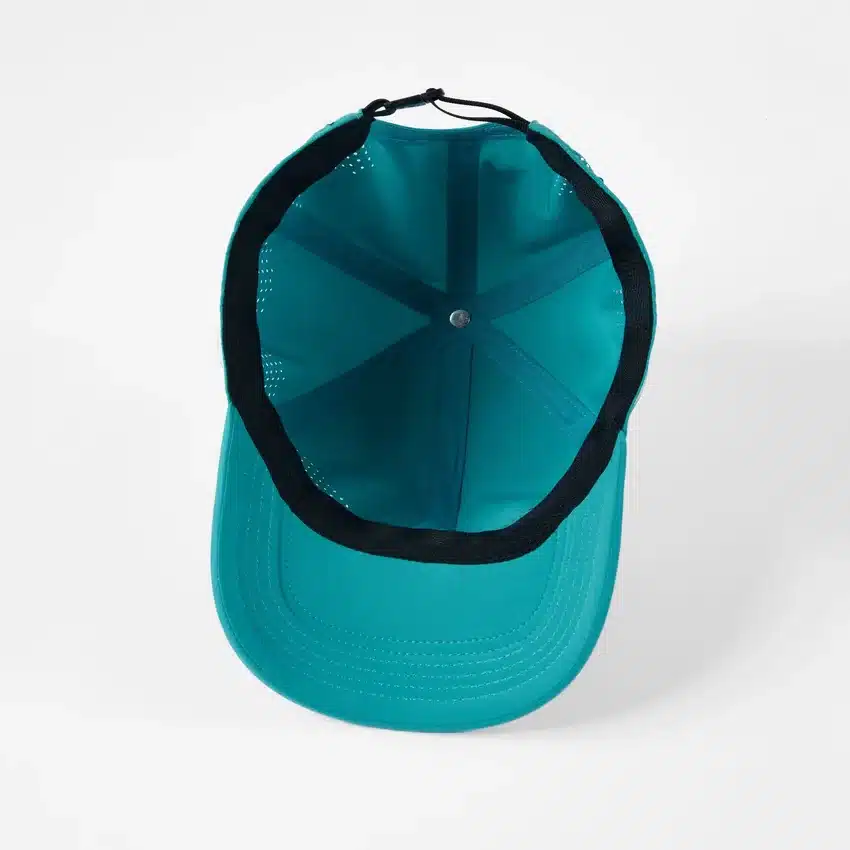
Show the difference between decorating stock and developing a full-custom hat
Choose the sample path that matches the production route. A stock cap plus logo begins with an existing hat: its crown, fabric, visor, closure, and available colors are largely set. A sample of the exact stock style helps the client judge the base product. For logo approval, test the decoration on that style when feasible; a stitch-out on a separate fabric proves less. Confirm current stock and decoration feasibility before treating a sample as the order reference.
Full Custom OEM starts with a product specification. A reference cap can communicate a desired shape or hand feel, but the buyer may also specify materials, panel structure, closure, decoration, labels, and packaging. A project-specific physical sample then shows how those choices work together. A full-custom route is useful when the hat itself needs to change, not merely its logo. SN explains both routes here.
Do not tell a client that a display sample proves the final price, minimum order, or delivery date. Those depend on the actual specification, quantity breakdown, material availability, artwork, and destination. Get project-specific terms in writing.
Use a sample record the client and supplier can both act on
Give each sample a simple identifier and record the decision while it is still in front of the client. A useful meeting record includes:
- Client and program: intended wearer, use or sales channel, destination, and target in-hand date.
- Sample identity: supplier or owner, style code or version, photographs, and whether it is a reference, decoration test, or project-specific sample.
- What the client liked: crown profile, fit, visor, fabric, closure, artwork method, or interior detail. Name the feature rather than writing “like this hat.”
- What must change: dimensions or visual references for the proposed change, including any logo placement or color reference.
- What remains unproven: final fabric and color, decoration on the chosen construction, fit range, label content, packaging, or any substituted component.
- Commercial inputs: estimated quantity by style and color, required decoration locations, artwork files, and timing constraints.
- Decision and owner: keep, revise, or reject; who will supply missing information; which sample or document must be approved next.
The record prevents a common handoff error: approval of one feature being mistaken for approval of the entire hat. Send one consolidated decision record to everyone preparing the quote or next sample.
Move from the client meeting to an approvable product
After the meeting, separate selected, to be tested, and not requested details. Confirm the proposed stock style or full-custom direction, then ask the supplier to identify feasibility questions before sampling. For a full-custom project, eventual approval should cover the complete physical hat and written specification—not just the logo. If a revision changes fit, materials, construction, or decoration, update the specification and decide whether another sample is needed.
Take the meeting record to the supplier responsible for the chosen route. For a stock cap plus logo, ask the blank or decorating supplier to confirm the exact style and color, current availability, and whether it can show the decoration on that cap. For Full Custom OEM, bring the reference, artwork, intended use, quantity by style and color, destination, and target date into a feasibility discussion. If the route is still open, compare each supplier’s sample scope and terms before committing.
Frequently asked questions
What if the client cannot try on samples in person?
Arrange for intended wearers to test a representative physical cap when possible, even if the review is remote. Ask for specific feedback on crown depth, forehead feel, visor proportion, and closure adjustment. Photos or a video call can document appearance, but neither verifies fit or comfort. Keep those points open until someone has worn the sample.
Who pays for samples and shipping, and must samples be returned?
There is no single rule across suppliers or projects. Before ordering, ask for written terms covering sample charges, shipping, possible tooling costs, whether any amount is credited against a production order, and whether the sample must be returned. Do not tell the client these costs are included until the supplier confirms them for that project.
How should a distributor handle conflicting feedback from several client stakeholders?
Agree on one person authorized to consolidate comments and approve the next step. Record which points are requirements and which are preferences, then send the supplier one versioned decision record. If comments conflict, resolve them with the client before asking the supplier to revise or approve a sample.
Once your client has chosen a direction, keep the selected references, artwork decisions, and open questions together. This gives the supplier a clearer starting point for reviewing the proposed hat.
If that direction calls for a newly specified hat rather than a logo on a stock cap, SN’s Full Custom OEM service is the relevant route. Share the reference hats, any available artwork, and open questions through the project contact page to discuss what a project-specific sample should confirm.