
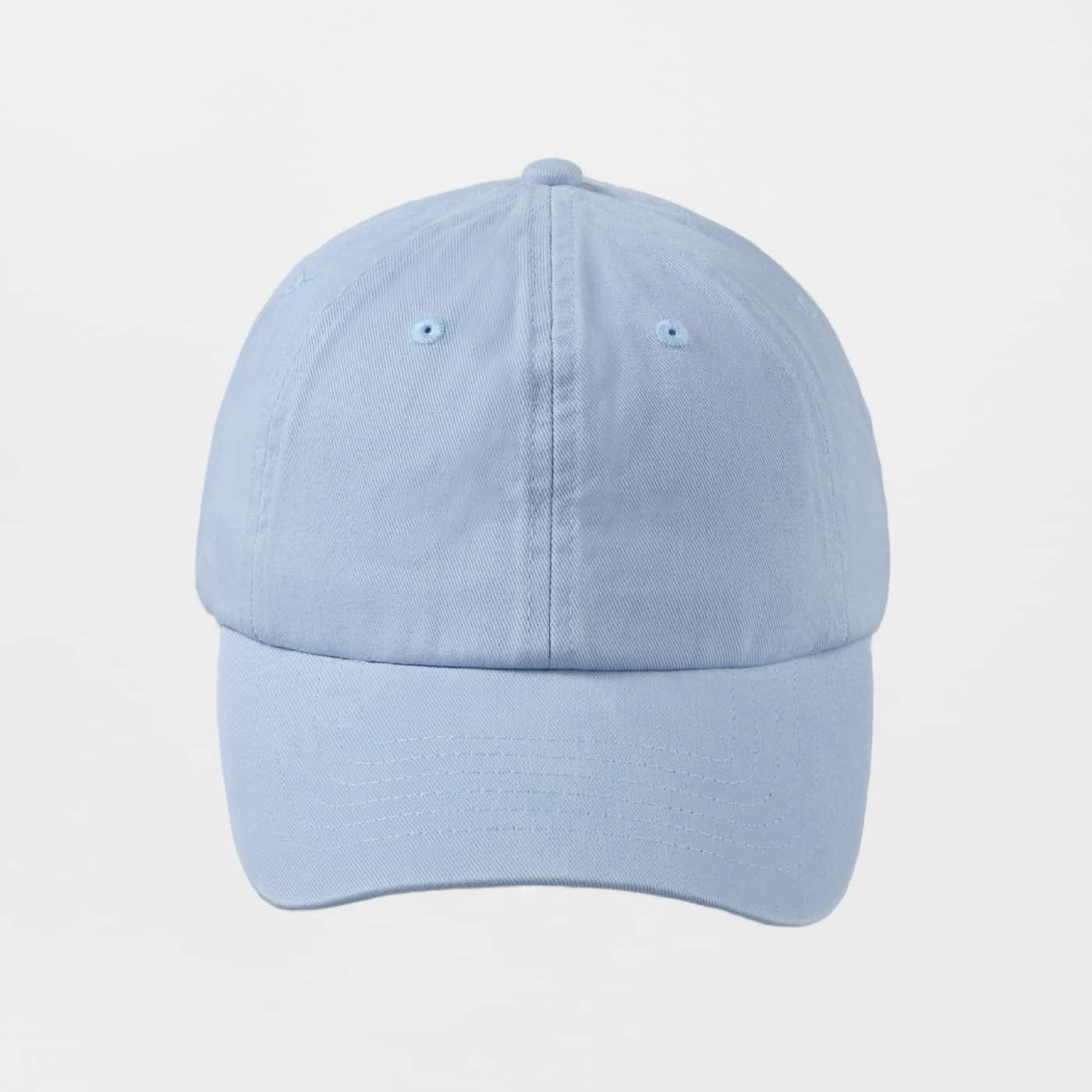
“We want a hat like this” is often the fastest way to begin a custom project. A physical cap makes crown height, visor shape and fabric feel easier to discuss than a list of style names. But it is not a production specification. Two people can look at the same cap and mean different things: one likes the fit, another the color, and a third the way the front panel holds a logo.
The useful question is which features should stay, which should change, and how will you approve the difference?
Start by naming what the reference is for
Do not send one photograph with “match this” and expect every detail to be understood. Mark the reference by feature:
| Feature | Tell the supplier what you mean |
|---|---|
| Crown | Preferred depth, shape, front support and panel layout |
| Visor | Length, width, curve, stitching and how it sits on the forehead |
| Fit | Head-size range, closure and whether the crown feels tight or loose |
| Fabric | Visible weave, hand feel and whether the finished cap holds its shape |
| Interior | Sweatband contact, seam finish and label position |
| Branding | Your own artwork, scale, attachment method and position |
If you can ship the reference hat, photograph its front, side, back and inside first. Add a ruler in the measurement shots. These photos preserve what you were pointing to if the sample later travels between a buyer, designer and production team. A single front-view image cannot show the closure, internal construction or crown depth.
Separate inspiration from a copy request
A reference may include another company’s logo, distinctive artwork or protected design. Treat those elements as not part of your new specification unless you own the rights or have permission. Ask for your own identity and a documented set of design changes. The safest brief describes the functional or aesthetic feature you want—“a shallow, unstructured crown with a gently curved visor”—rather than asking for an exact branded duplicate.
Even when a reference is unbranded, matching its appearance from photos alone can disappoint. Fabric weight, backing, seam allowance and visor insert affect how a finished hat looks and feels. Use the physical sample to compare, then approve the new sample on its own merits.
Turn likes and dislikes into testable sample notes
Write two short lists before sampling. The first says what must remain: perhaps the low crown and soft front. The second records what should improve: the back strap rubs, the visor is too long, or the embroidery feels heavy on the forehead. Include the intended wearer and use, because a promotional giveaway, a retail cap and a work uniform do not share the same success test.
For a wearer-focused brief, ask someone in the target size range to put the reference on. Does the sweatband sit comfortably? Is the closure easy to adjust? Does the crown collapse in the way you want? Those observations are more useful than “looks premium.” They also help avoid paying for decoration that makes the cap less pleasant to wear.
Our customization guide explains the decisions behind fabric, structure and decoration. Use it to turn a broad reference into a specific set of choices, not to add features simply because they are available.
Give each sample a clear approval job
The first sample should answer the biggest uncertainties. If fit is the main risk, agree on crown dimensions, visor geometry and closure before spending time on final labels or packaging. If the silhouette is settled but the logo is uncertain, focus the next round on decoration size, position, backing and how the finished front panel feels.
Record revisions against the same reference points. “Make the crown lower” is ambiguous; “reduce the front crown depth from the approved sample by the amount marked on the photo” gives both parties something to verify. Keep the current sample and the previous version until the change is accepted. An approved mockup is helpful for artwork, but it does not replace trying on and inspecting the physical hat.
Before bulk production, confirm the approved sample or marked photos, measurements, fabric and color references, artwork files, decoration placement, closure, interior labels and packing. Our sample-to-production process shows where these approvals fit in the wider project.
Send a quote request that can actually be evaluated
Include the reference photographs or physical sample, a list of keep/change decisions, intended wearer, your artwork, and quantity for each style and color. For regular custom hats, SN’s usual starting minimum is 100 pieces per style, per color; special constructions or components may require a different minimum. Confirm the applicable quantity against your complete specification rather than adding two colors together to reach 100.
Also provide the delivery destination and target in-hands date. A date is an input to planning, not a production promise. The exact schedule depends on sample approvals, components, production and shipping.
The result should not be “a copy of the reference.” It should be a hat whose fit, appearance and details are deliberate enough that your customers or team members choose to keep wearing it.
Send us your reference hat brief with the photos, changes you want and your quantity split. We can review what needs a physical sample before the specification is finalized.
Frequently Asked Questions
Can a photo replace a physical reference hat?
A photo can start the conversation, but it cannot verify fabric hand feel, sweatband contact, crown support or fit. If those are central to your decision, use a physical sample.
Do we need exact measurements before the first inquiry?
No. Identify the features that matter and share any measurements you have. Measurements become essential at sample approval, when both sides need an unambiguous production reference.
Can we use another brand’s hat as inspiration?
You can use it to explain general fit or construction preferences. Supply your own artwork and avoid requesting reproduction of third-party logos or distinctive protected elements without permission.