
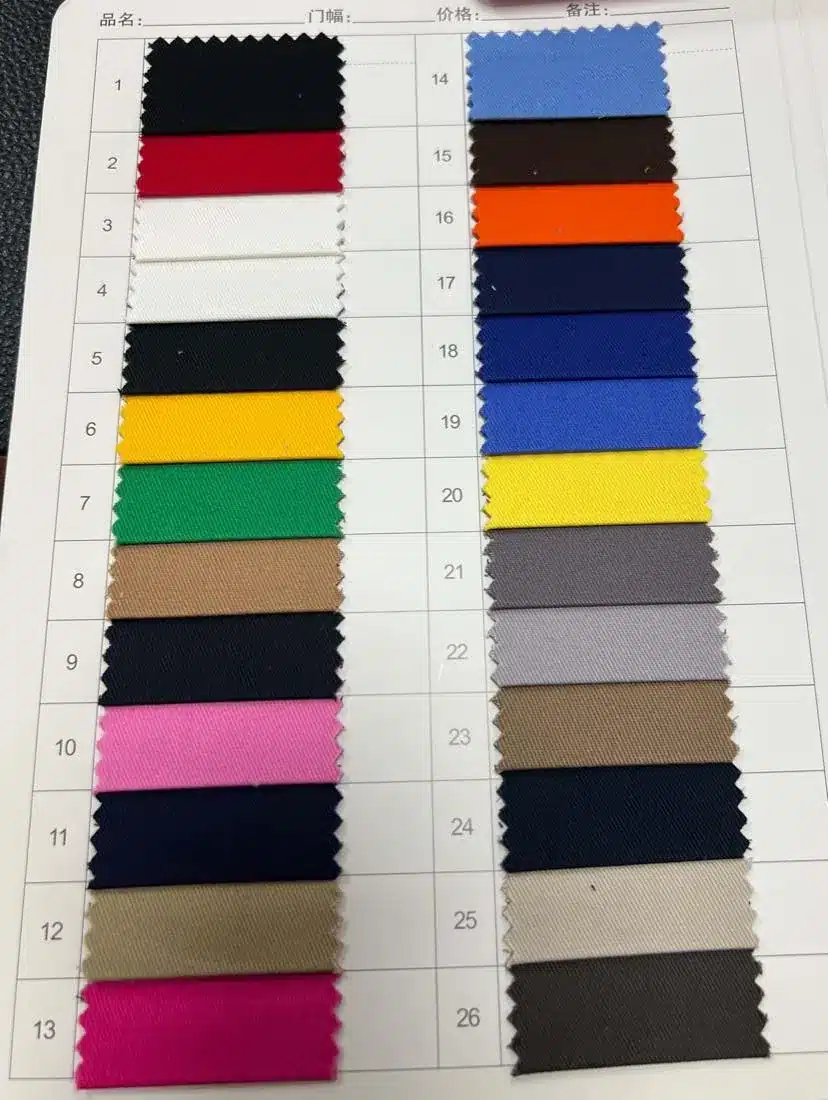
A brand can have a clear cap design and a modest first production run, yet still face a material decision before sampling begins. Imagine a vintage-inspired cap specified in a particular overseas waxed cotton. The hat order may be workable; the exact fabric may not be available in the required color, quantity, or purchasing window. The useful question is not simply “Can you make 150 hats?” It is “What must be bought to make those hats as specified?”
For buyers, separating those two questions early protects the design brief. It also makes a quote more meaningful: a price based on an available substitute is not the same offer as one based on the named imported fabric.
Hat MOQ and fabric MOQ are separate decisions
A hat manufacturer’s minimum order quantity refers to finished hats under an agreed style and color specification. A fabric supplier may set its own minimum order, sell only in particular cut lengths, or offer a stock color but require a larger commitment for a custom shade. Neither minimum automatically tells you how much fabric the hat project will consume.
Before quoting a specialty material, the production team needs to estimate usable fabric consumption from the actual pattern, fabric width and cutting layout, then allow for sampling and cutting waste. If the supplier’s purchasable quantity exceeds that requirement, someone must pay for and own the remaining fabric. That stock might support a reorder, but only if storage, color consistency and ownership have been agreed. It should not quietly disappear into a per-hat price.
There is no universal “specialty fabric MOQ.” One mill may sell short stock lengths while a bespoke color or finish has a different minimum and lead time. For example, Halley Stevensons distinguishes stock-supported fabrics from bespoke manufacturing, while British Millerain lists cut-length purchasing through its factory shop. Those published options illustrate why the exact article, color and purchasing route must be checked—not assumed from the material name.
What changes when the specified fabric comes from overseas?
Importing a named fabric adds a second supply chain to the hat order. Ask for current stock, the exact fabric code and finish, available colors, the smallest purchasable quantity, shipping terms and a delivery estimate before treating the material as confirmed. A swatch may be available even when production yardage is not.
The landed material cost can include international freight, import charges and handling, depending on the route and agreed terms. Samples and bulk fabric may also travel separately. These are project-specific costs, not a fixed surcharge that applies to every imported fabric. For a small initial run, the buyer should see which costs are consumed by this order and which relate to leftover fabric or future production.
Reorders deserve the same attention. A color available today may be sold out later or produced in a different dye lot. If consistency across launches matters, ask whether the supplier can reserve material, whether the same finish remains available, and who holds any spare yardage. A promising first sample is not, by itself, a repeat-supply plan.
Waxed cotton and washed cotton may share a mood, not a specification
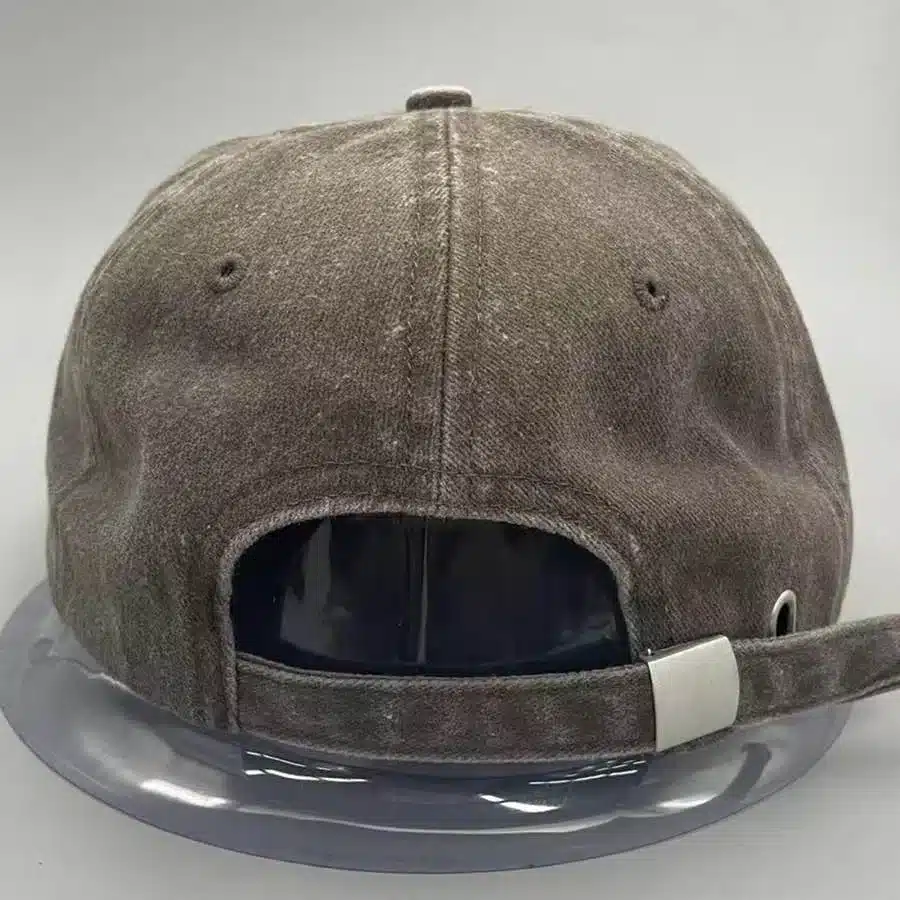
Both materials can appear in vintage-looking headwear. That is where the shortcut ends. “Waxed cotton” describes a family of cotton fabrics with particular wax-based finishes; handle, markings and care can vary by product. “Washed cotton” describes cotton treated or washed to achieve a particular look or feel. Neither phrase identifies one universal weight, hand feel or performance level.
| What to assess | Specified waxed cotton | Washed-cotton option |
|---|---|---|
| Visual goal | Surface character associated with the selected wax finish | Vintage appearance may come from washing or fading |
| Hand feel and structure | Check the exact fabric and finish on a sewn sample | Check the base cloth, wash and finished cap |
| Care or weather claim | Use the supplier’s instructions and evidence for that article | Do not infer the same care or water resistance |
| Substitution decision | Keep when the material itself defines the product | Consider only if the brand approves the changed specification |
Care alone shows why names are not interchangeable. Halley Stevensons’ traditional waxed-cotton care guidance advises against machine washing, but the same supplier describes a specific Wash Wax finish as machine washable at 30°C. A manufacturer should therefore confirm the exact finish and care sheet, rather than making a blanket claim about all waxed cotton. Any water-resistance claim for the finished hat needs evidence for the selected fabric and construction.
When should a brand keep the original fabric?
Keep the named fabric when its origin, handle, aging behavior, finish or documented properties are integral to the product promise. A retail brand may have selected it to support a specific collection identity or intended selling price. Substituting a visually similar cotton could make the sample easier to produce while changing the product the brand meant to sell.
In that case, build the development plan around the real purchasing terms. Confirm the supplier’s current offer, approve a physical swatch, decide how excess material will be handled and leave room for a sewn prototype. An initial order can still be small, but the brand should knowingly accept the material commitment behind it. The full-custom hat development brief is the right place to state such non-negotiable material requirements clearly.
When is an alternative worth sampling?
If the design objective is mainly the worn-in appearance, an available washed cotton or another specified fabric may be worth testing. That is a design choice, not a silent procurement substitution. The buyer should approve the change in writing after comparing color, hand feel, crown shape, decoration results and finished-cap appearance under the intended conditions of wear.
Photos help narrow candidates, but they cannot establish how the fabric handles on a curved crown or how it behaves with embroidery, seams and a sweatband. Ask to see swatches and a finished prototype when the material is central to the look. Our customization options page shows the other construction choices that should be reviewed alongside the fabric, rather than after it.
Six questions to settle before approving a quote
- Is the named fabric essential, or is the desired appearance the actual requirement?
- What exact fabric code, finish and color have been specified—and are they currently available?
- What is the supplier’s purchasable minimum for this stock item or bespoke version?
- Who pays for, owns and stores any material left after cutting?
- What happens to the schedule if sourcing, customs clearance or sample approval takes longer than expected?
- Is this a one-time launch, or must a future reorder match the first run?
These answers lead to three defensible paths. Keep the specified fabric and price the full sourcing commitment. Develop a clearly labeled alternative sample if the brand has flexibility. Or pause development until the required material becomes viable. None is automatically the “cheap” or “premium” choice; the right path is the one that preserves the product promise at a cost and risk the brand understands.
If you are evaluating a custom cap with a named specialty fabric, send the fabric reference or swatch, target quantity, color, intended retail or program use, and required delivery window. SN can review the material alongside the hat construction, then explain what still needs supplier confirmation before a final production quote. See how the project moves from specification to sample and production, or share your brief with us.