
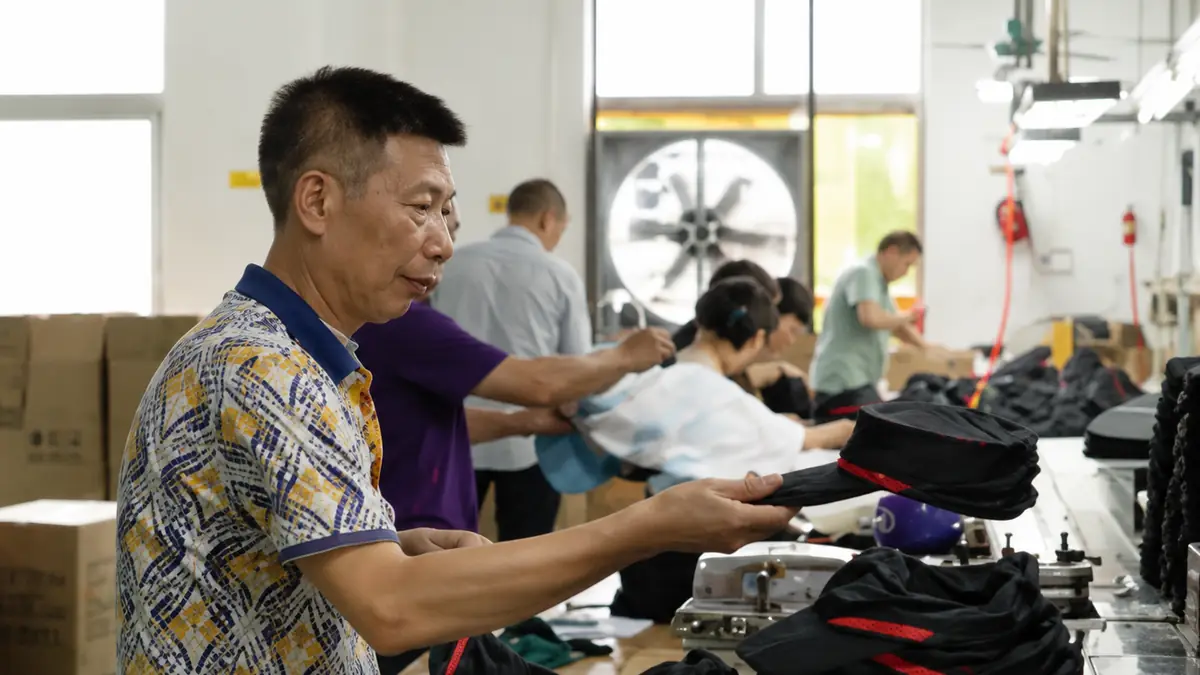
Most custom hat delays do not begin on the production floor. They begin before production—with an incomplete specification, undecided materials, artwork that has not been prepared for the selected decoration, or feedback that arrives in several rounds.
For a regular full-custom project, a physical sample may take about one week after the construction, materials and artwork are confirmed. Bulk production for a regular quantity commonly takes about 30 days after the final sample and order details are approved. These are planning references, not universal guarantees. Holidays, special materials, revisions, packaging and freight can all extend the schedule.
This guide explains what happens during each stage, when the clock actually starts and what a buyer can do to keep a custom hat program moving.
Custom Hat Production Timeline at a Glance
| Stage | Typical planning reference | What must be confirmed |
|---|---|---|
| Project definition | Varies by project readiness | Hat style, construction, material, color, decoration, quantity and delivery destination |
| Physical sample | About one week for a regular project | Workable specifications, available materials and production-ready artwork |
| Buyer review and revisions | Depends on feedback speed and changes | One consolidated list of comments and any revised artwork or color references |
| Bulk production | About 30 days for regular quantities | Approved sample, final artwork, order breakdown, packaging and commercial terms |
| Inspection and packing | Planned with the order | Inspection criteria, packing method, labels, carton marks and shipping documents |
| Freight and customs | Quoted separately | Shipping method, destination, import arrangement and required in-hand date |
Important: sampling and bulk production time should not be combined with freight time. “Ready to ship” and “delivered to your warehouse” are different milestones.
Full-Custom Hats Take Longer Than Stock Hats With a Logo
A stock-decoration order starts with an existing blank hat. The crown, visor, closure, color and fit already exist, so the main production task is applying embroidery, a patch or another decoration.
A full-custom OEM project starts earlier. The product itself must be defined: crown profile, panel structure, visor shape, fabric, mesh, closure, sweatband, labels, decoration and packaging. Materials may need to be sourced, components tested together and a physical sample made before the buyer can approve the product.
This difference matters when comparing lead times. A short decoration schedule for available stock cannot be used as the production promise for a newly developed hat. Buyers who need control over construction, branding and private-label details should plan around the complete full custom OEM hat development process.
When Does the Sample Clock Actually Start?
“We sent our logo on Monday” does not always mean sampling started on Monday. A factory can only begin an accurate physical sample after enough product decisions are workable.
The starting information normally includes:
- the intended hat style and reference shape;
- crown profile, panel count and structured or unstructured construction;
- visor shape and curvature;
- fabric, mesh and approximate color direction;
- closure, sweatband and interior requirements;
- decoration method, placement, dimensions and production-ready artwork;
- quantity, color and size breakdown;
- private-label and packaging requirements.
If one of these decisions changes the construction, material purchase or decoration setup, the supplier may need to update the specification before sampling begins. A photo of a reference hat is helpful, but it does not replace the missing measurements and component decisions.
A custom hat tech pack keeps these construction, material, artwork and approval details in one working reference before sampling begins.
A Realistic Stage-by-Stage Custom Hat Timeline
1. Product Specification and Feasibility Review
The first stage turns a brief, sketch or reference hat into a product that can be sampled. The supplier reviews whether the requested materials, construction and decoration can work together. If a detail is not practical, this is the right time to propose an alternative—not after bulk production has started.
Simple, complete projects move through this stage quickly. Projects with custom fabric, uncommon closures, several decorations or unclear reference measurements need more discussion. The fastest way to shorten this stage is to submit decisions together instead of sending one requirement at a time.
2. Physical Sample Development
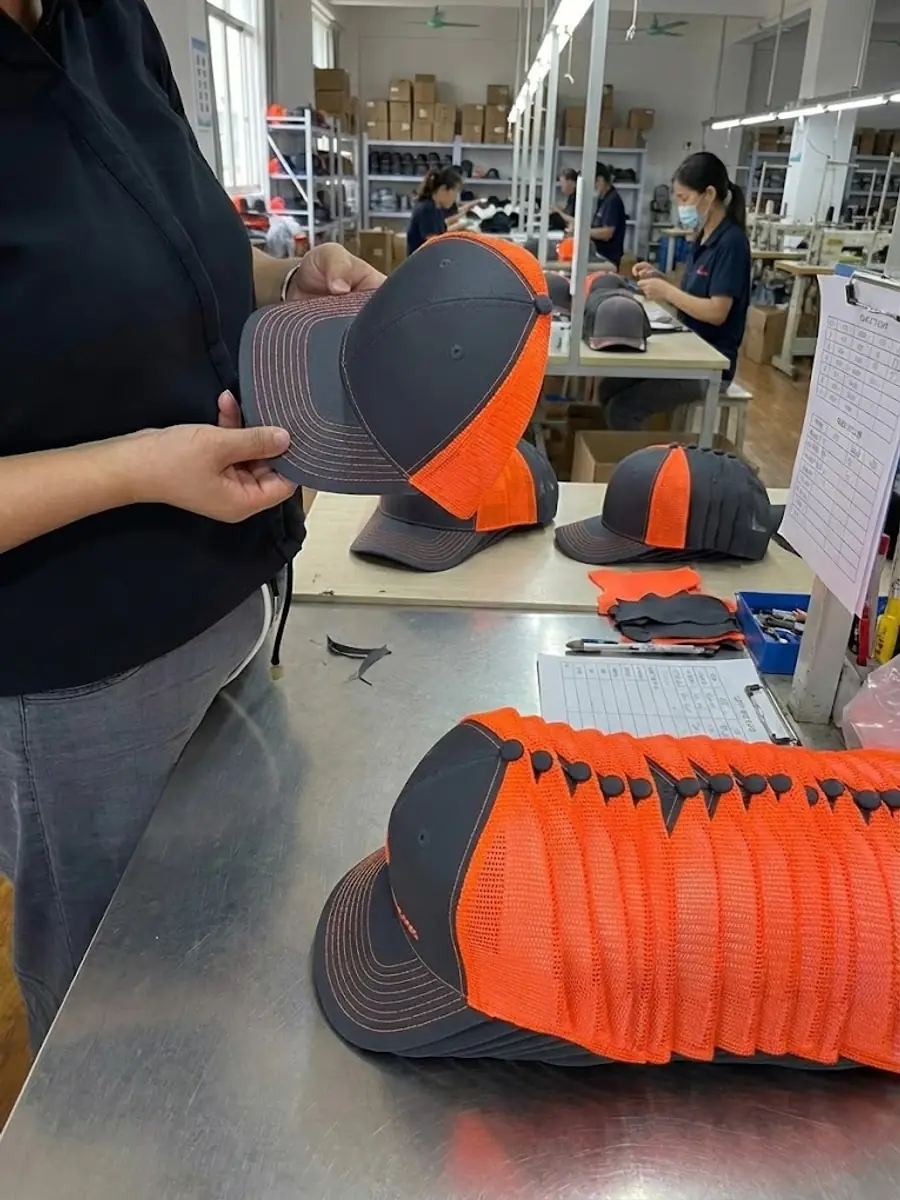
Once the working specification is confirmed, a regular physical sample may take about one week. That timing can change if the project needs a special material, a newly made component, complex embroidery, a custom mold or several coordinated labels.
The sample is not merely a miniature production run. Its purpose is to test the decisions that will control the order: profile, fit, visor, material behavior, decoration scale, color relationship and interior construction.
3. Buyer Review and Revision
This stage is often missing from headline lead-time claims, yet it can decide the launch date. The buyer should review the sample against the agreed specification and return one consolidated set of comments.
A change to logo size is usually different from a change to crown height, fabric or closure. Structural and material changes may require a revised sample. If several stakeholders approve the product, appoint one person to combine their feedback before it is sent to the supplier.
Our custom hat prototyping guide explains what to inspect and how to make sample feedback more actionable.
4. Final Approval and Order Release
Bulk production should begin from a controlled approval reference. Before the order is released, confirm the physical sample or agreed revision, artwork, colors, quantity breakdown, labels, packaging, carton marks, delivery destination and commercial terms.
A message saying “the hat looks good” is not enough when other order details remain open. The production schedule should be counted from the point at which the factory has the final approvals and required order conditions—not from the first inquiry date.
5. Material Preparation, Cutting, Sewing and Decoration
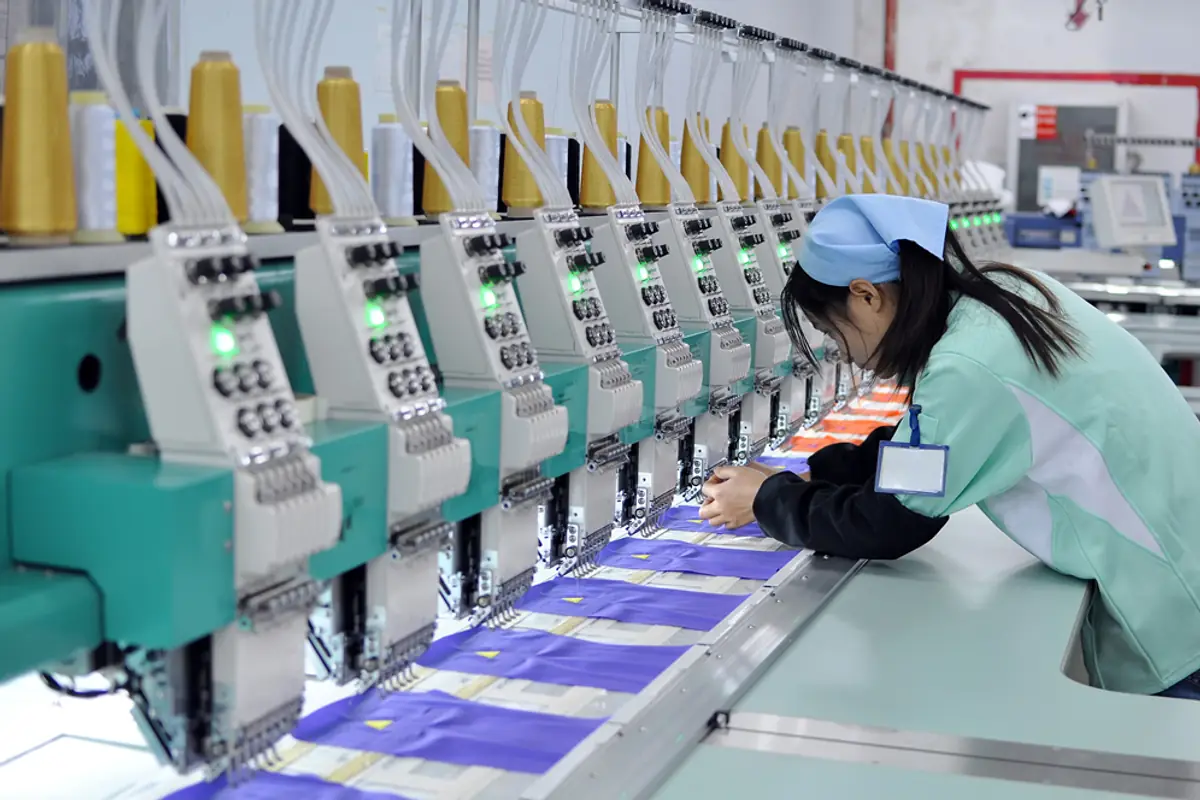
Bulk production is a sequence, not a single activity. Fabric and components are prepared, panels are cut, decoration is applied at the appropriate stage, hats are assembled and shaped, and finishing details are completed.
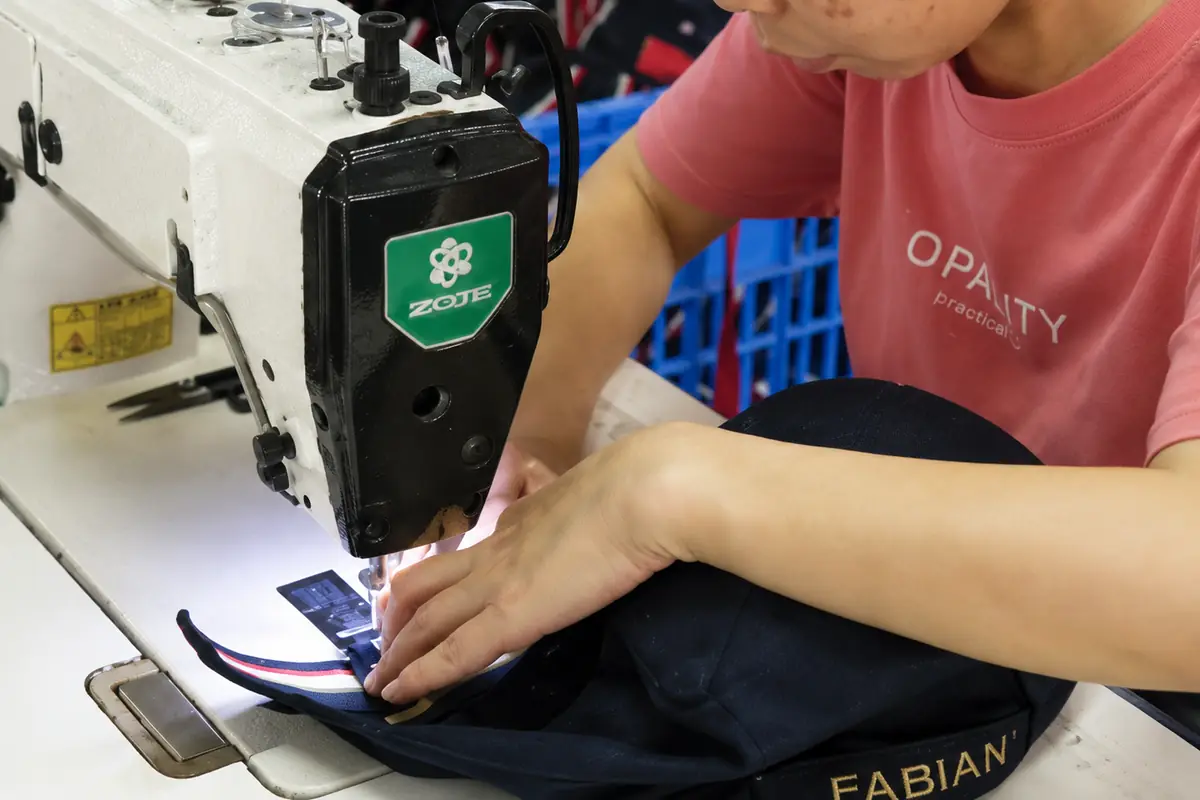
For a regular quantity and available construction, bulk production commonly takes about 30 days after final approval. A larger order, multiple colorways or specialized components may require a longer production window. Some details also have minimum purchase quantities that affect scheduling as well as price.
6. Inspection, Packing and Shipment Release
Finished hats need time for thread trimming, cleaning, shaping, inspection, individual packing and carton preparation. The inspection criteria should reflect the approved specification and sample, including measurements, appearance, decoration placement, colorway and packing details.
Shipping begins only after the order is released. Air, express, sea and DDP arrangements have different transit times, costs and responsibilities. Customs clearance and local delivery should also be included when calculating the required in-hand date. See the complete custom hat development and production process for the handoff between project stages.
What Usually Extends Custom Hat Lead Time?
Incomplete or Changing Specifications
Changing the fabric, crown, closure or decoration after sampling can restart sourcing or technical work. Confirm the product direction before requesting a physical sample.
Special Materials and Exact Color Requirements
Available stock colors can move faster than newly dyed fabric or uncommon components. Pantone references communicate a target, but the material, dye method and minimum purchase requirement still need to be checked.
Multiple Feedback Rounds
Scattered comments create ambiguity and add administrative time. Consolidated feedback makes it easier to identify what is approved, what must change and whether another physical sample is necessary.
Late Quantity, Label or Packaging Changes
Color and size breakdowns affect material allocation. Labels, hangtags, polybags and carton marks also need production files and approval. Treat them as part of the product, not as last-minute additions.
Public Holidays and Peak Production Periods
The usual one-week sampling and 30-day bulk references do not include holidays. Factory closures, supplier closures and peak-season capacity can affect both material delivery and production. Confirm the calendar before promising an event or retail launch date.
Freight and Customs
A completed order is not yet an in-hand order. The destination, shipping method, customs arrangement and final delivery address must be included in the plan.
How to Plan Backward From Your Required In-Hand Date
Start with the date the hats must be physically available—not the day you hope they leave the factory. Then work backward through:
- local delivery and customs clearance;
- international freight;
- inspection, packing and shipment release;
- bulk production;
- final sample and order approval;
- sample review and possible revision;
- physical sampling;
- specification and artwork preparation.
Add a practical buffer for approvals, material availability and logistics. Event programs should not use the event date itself as the delivery target. The hats should arrive early enough for receiving checks, distribution and any unexpected transport issue.
Buyer Checklist for a Faster, More Predictable Project
- State the required in-hand date and delivery country at the beginning.
- Confirm whether the project is full custom or decoration on an available style.
- Provide the quantity and color or size breakdown.
- Send vector artwork and define decoration dimensions and placement.
- Identify special materials, trims, labels and packaging before sampling.
- Nominate one person to consolidate sample feedback.
- Approve the sample and production specification in writing.
- Confirm the shipping method instead of treating freight as part of factory lead time.
Frequently Asked Questions
How long does a custom hat sample take?
A regular physical sample may take about one week after workable specifications, materials and artwork are confirmed. Special fabrics, components, molds or complex decoration can extend the schedule.
How long does bulk custom hat production take?
For a regular quantity, bulk production commonly takes about 30 days after the final sample, artwork, quantity breakdown and order details are approved. The confirmed schedule for the actual project should take priority over a general estimate.
Does the 30-day production time include shipping?
No. Production, inspection, packing, international freight, customs clearance and local delivery are separate stages. Transit time depends on the shipping method and destination.
Can a custom hat order be rushed?
Sometimes, but only after checking material availability, production capacity, decoration requirements and the delivery route. Reducing approval delays is often safer than compressing physical production.
Do sample revisions restart the timeline?
Minor artwork or placement adjustments may be handled quickly. A new material, crown shape, visor construction or closure may require updated sourcing and another physical sample, so the effect depends on the change.
When should we start a seasonal or event hat project?
Work backward from the required in-hand date and include specification, sampling, buyer review, possible revision, bulk production, inspection, freight, customs and a receiving buffer. Start earlier when the project uses custom-dyed materials, several colorways or specialized packaging.
Build the Schedule Around the Actual Hat
A dependable custom hat production timeline is based on the approved product—not a generic promise. Construction, material, decoration, quantity, buyer approvals and delivery method all affect the schedule.
Planning a full-custom hat project? Share your target style, quantity, artwork and delivery date so we can evaluate the development requirements.