
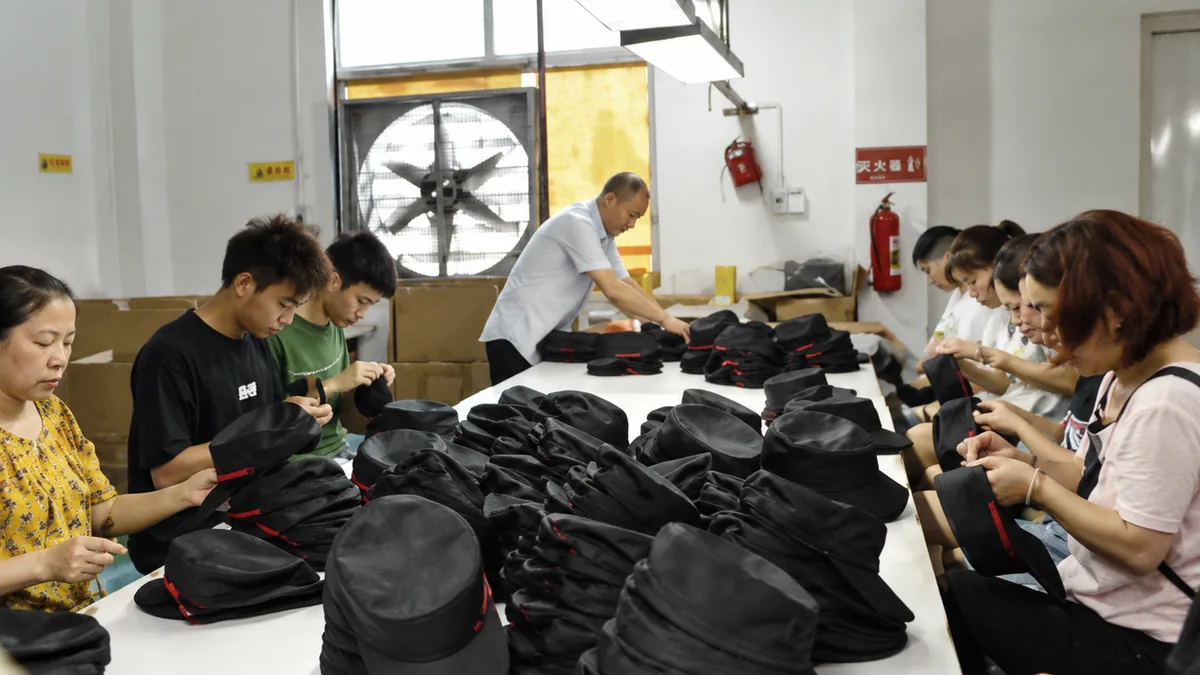
A hat tech pack is the working product record that turns a design direction into a sample a factory can actually build. It does not need to be visually elaborate, but it must remove avoidable ambiguity about the hat’s construction, measurements, materials, colors, decoration and branded components.
For a full-custom project, a logo file and a reference photo are not enough. The supplier still needs to know which details are fixed, which are open to recommendation and what the buyer will use to approve the sample. This guide explains what brands should include before sampling—and what can wait until the project is commercially confirmed.
Quick answer: A useful hat tech pack should identify the product version, intended use, hat construction, critical measurements, material and color references, decoration size and placement, labels, packaging, quantity assumptions and the approval process. It should also separate confirmed requirements from items the supplier must evaluate.
What a Hat Tech Pack Is—and What It Is Not
A tech pack is a controlled specification for one product. It gives the buyer, product developer, sample room and production team a shared reference. When a change is approved, the file should be updated so everyone works from the same version.
It is different from three other documents commonly used in custom headwear development:
| Document | Main purpose | Typical information |
|---|---|---|
| RFQ or project brief | Establish commercial scope | Estimated quantity, delivery destination, target date, quantity breakdown and quotation requirements |
| Artwork file | Define visual artwork | Logo geometry, colors, type and graphic elements |
| Hat tech pack | Define the product to be sampled | Construction, measurements, materials, decoration, labels and packaging |
| Approved physical sample | Confirm how the approved specification works in a real hat | Fit, hand feel, crown behavior, visor construction, decoration and component interaction |
These references support each other. A physical reference hat can communicate profile and fit, but it does not explain which details to copy or change. A mockup can show placement, but it cannot confirm fabric behavior or crown shape. A tech pack should connect those references instead of pretending one file answers every question.
Begin With Product Direction and Construction
Before listing dimensions, state what the finished hat needs to do. A retail lifestyle cap, a lightweight performance cap and a staff uniform hat may use similar silhouettes but require different materials, fit decisions and decoration.
Start the construction page with:
- Intended use and target wearer
- Hat type, such as six-panel baseball cap, five-panel cap, trucker hat, bucket hat or visor
- Crown profile: low, mid or high, supported by a reference rather than the label alone
- Structured or unstructured construction
- Panel count and panel shape
- Visor shape, length and intended curve
- Closure type and adjustability
- Size range or target head circumference
Style names are not universal specifications. Two suppliers may use “mid profile” for noticeably different shapes. A reference photo, physical hat or approved measurement set makes the direction clearer.

Record Critical Measurements—and the Measuring Method
A measurement without a defined start and end point can create more confusion than no measurement at all. The tech pack should show how each critical point is measured, preferably with arrows on a flat sketch or a clear reference photo.
Depending on the hat style, useful points of measurement may include:
- Front crown height from the visor seam
- Side and back crown height
- Front panel width at a stated position
- Visor length from the crown seam to the center edge
- Visor width at its widest point
- Head opening or finished circumference
- Sweatband width
- Closure length, opening width and adjustment range
- Decoration width, height and distance from a measurable seam or edge
Do not copy a generic tolerance table into every project. A realistic tolerance depends on the material, construction, measuring method and importance of the dimension. Identify the measurements that affect fit, appearance or component compatibility, then agree on how they will be evaluated.
Specify Materials, Colors and Components as a System
The shell fabric is only one part of a hat. A practical materials page should cover the components that influence feel, shape, appearance and production feasibility.
For each material or component, include the confirmed reference and any acceptable alternative:
- Shell fabric composition, construction and finish
- Mesh type and color for trucker hats
- Front-panel support or buckram requirement
- Visor insert and top/bottom visor fabric
- Sweatband material and width
- Eyelets, button and stitching thread
- Closure material, color and hardware finish
- Internal seam tape, labels and other branded components
If a specific fabric code has been approved, record it. If the desired material is still being sourced, describe the required hand feel, weight direction, finish and use case without presenting an unverified number as a fixed standard.
Pantone references are useful color targets, but the same target can appear different on cotton twill, polyester mesh, embroidery thread and metal hardware. The tech pack should identify the intended color for each component, while the physical sample or material approval confirms how those colors work together.

Make Decoration Instructions Executable
“Logo on front” is not a production instruction. The decoration page should tell the sample team what to make and how the buyer will judge it.
Include:
- The correct artwork version
- Decoration method: flat embroidery, raised embroidery, woven patch, embroidered patch, print or another confirmed process
- Finished artwork width and height
- Placement measured from a stable seam or edge
- Thread, patch or print color references
- Patch shape, edge finish and attachment method when applicable
- Special instructions for side, back or visor decoration
Vector artwork is preferred for many decoration workflows because it can be resized cleanly, but the factory should still evaluate fine lines, small text, stitch density, patch borders and available decoration area. A supplied vector file does not automatically mean the design will reproduce well on a curved or flexible crown.
For more detail on preparing usable logo files and placement information, see the artwork guide for custom hat development. To compare embroidery, patches, printing and other options, review our customization options.
Include Private-Label and Packaging Details That Matter
A private-label program may require more than a front logo. List each brand component separately so it can be costed, sampled and approved.
- Main woven or printed label
- Size label
- Care and country-of-origin label
- Branded seam tape
- Hangtag and attachment method
- Barcode or retail sticker
- Individual polybag or other protective packaging
- Carton marking and packing breakdown
Do not add components simply because they appear on a template. A promotional program may need simpler packaging than a retail collection. The tech pack should reflect the actual route to market and the buyer’s labeling responsibilities.
Separate Product Specifications From Commercial Assumptions
Sampling decisions are affected by quantity, color breakdown and delivery requirements, even though those details do not describe the physical hat. Keep them in the project brief or RFQ and reference the document version from the tech pack.
Before sampling, the supplier should know:
- Estimated order quantity and number of colorways
- Size breakdown if more than one finished size is required
- Delivery country or destination
- Target launch or required delivery window
- Whether custom materials, colors or components are essential
- Whether a physical reference hat will be supplied
This information helps identify requirements that may be possible only at a different quantity, need additional sourcing time or require a practical alternative. A tech pack should make constraints visible before the first sample, not hide them behind an idealized drawing.
Define the Sample and Approval Process
The first sample is a test of the specification, not proof that every decision was correct. The tech pack should state what the sample is meant to confirm and how comments will be recorded.
A useful review covers:
- Overall profile and fit
- Crown symmetry and panel behavior
- Visor shape and construction
- Material hand feel and color relationship
- Closure function and size range
- Decoration size, position and appearance
- Interior details and label placement
- Packaging or retail presentation when included in scope
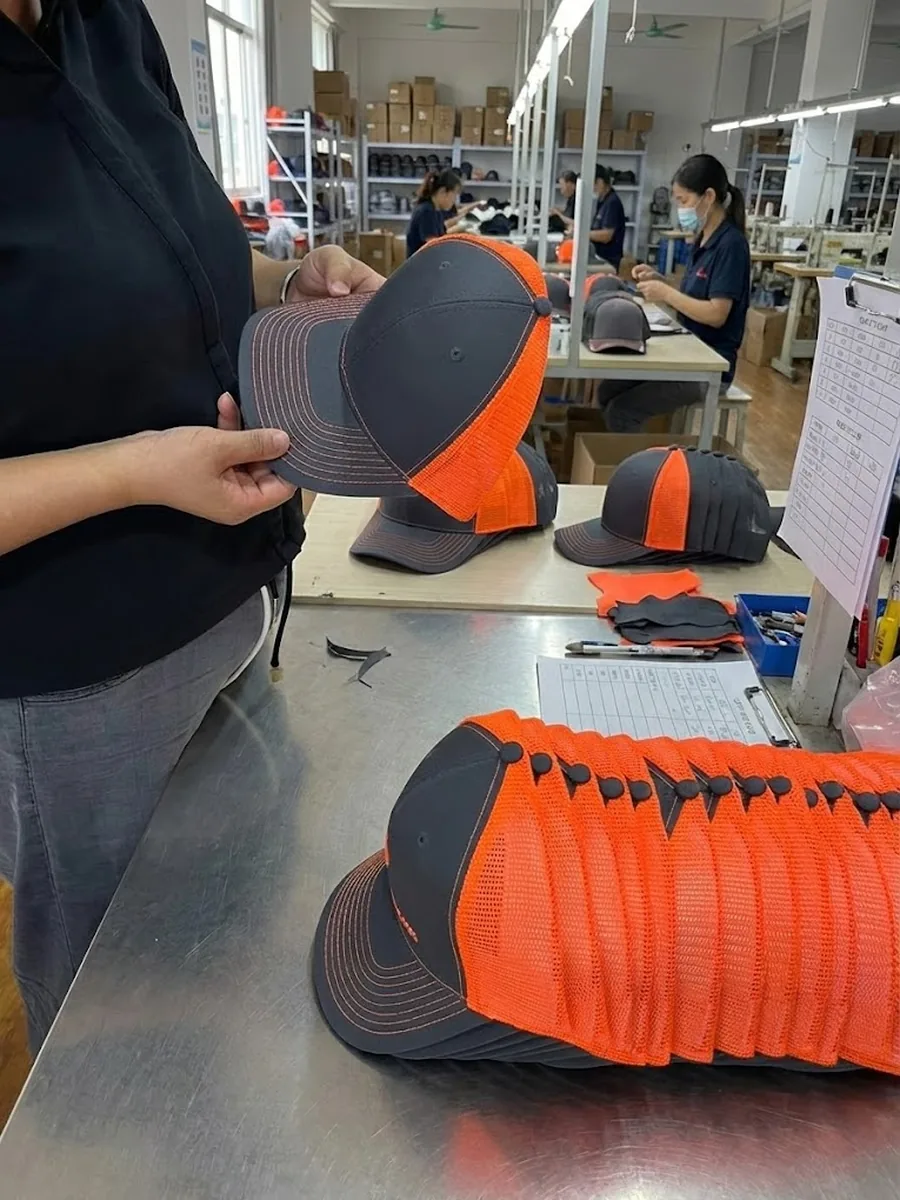
Comments should refer to a specific sample and tech-pack version. Replace vague notes such as “make it better” with an observable change: adjust the crown height, move the artwork by a stated distance, reduce the patch width or compare a second material option. When a revision is accepted, update the working specification instead of keeping critical approvals only in an email thread.
Our custom hat prototyping guide explains how a physical sample is used to evaluate construction, materials, decoration and fit.
Common Tech Pack Gaps That Slow Sampling
Mixed versions
The artwork file, measurement sheet and email comments refer to different revisions. Put a version number and date on the main file and archive superseded references.
Reference photos without instructions
A photo may show the desired direction but does not say which details are important. Mark the features to retain and the features to change.
Decoration size without placement
A correct logo size can still look wrong if its vertical or horizontal position is undefined. Measure placement from a repeatable construction point.
Unverified material descriptions
Terms such as “premium,” “heavy” or “performance” are not specifications. Use an approved swatch, supplier reference or observable performance requirement.
Packaging added after sample approval
Late additions can change cost, labeling work and packing plans. Include known retail requirements early, even if artwork is still pending.
Every detail marked as fixed
A new product often needs supplier input. Clearly label must-have requirements, preferred directions and areas where the supplier should recommend a workable option.
Hat Tech Pack Checklist Before Sampling
Before releasing the first sample, confirm that the working file answers these questions:
- Is the product name, style number, version and date clear?
- Is the intended use and target wearer understood?
- Are the crown, panels, structure, visor, closure and size defined?
- Are critical measurements shown with measuring points?
- Are shell fabrics, mesh, sweatband, closure and other components identified?
- Does each component have a color reference or an approval method?
- Is each decoration method, size and placement defined?
- Are main labels, size labels, care labels and packaging included where required?
- Are estimated quantity, color breakdown, destination and timing assumptions available?
- Is the sample approval process and current decision owner clear?
A shorter, well-controlled tech pack is more useful than a long document filled with copied specifications. Include what the project needs, identify open decisions and update the file as the product develops.
Once the working specification is clear, use our custom hat production timeline to plan sampling, approvals, bulk production and shipping around the required in-hand date.
Frequently Asked Questions
Do I need a tech pack for a stock hat with a simple logo?
Usually not a full product-development tech pack. If the hat already exists and only the decoration changes, a clear artwork file, decoration specification, placement reference, quantity and approval process may be enough. A full tech pack becomes more important when the hat’s construction, fit, materials or branded components are being developed.
Can a reference hat replace a tech pack?
No. A reference hat is useful for communicating profile, fit or construction, but the project still needs written instructions explaining what should remain the same and what should change. The final product must also be evaluated against available materials, components and production methods.
Should every measurement have a tolerance?
Not necessarily. Prioritize measurements that affect fit, appearance or component compatibility. The tolerance and measuring method should be agreed for the specific construction and material rather than copied from a generic template.
Can a digital mockup approve bulk production?
A digital mockup can approve visual direction, but it cannot confirm fit, material feel, crown behavior, visor construction, closure function or the appearance of decoration on the finished hat. Those decisions normally require a physical sample.
What artwork format should be included?
Editable vector artwork is preferred for many embroidery, patch and print workflows, together with a visual reference showing the intended colors and placement. The supplier should confirm whether the artwork is suitable for the selected decoration method and available area.
When should the tech pack be frozen?
The working specification should be updated throughout sampling. Before bulk production, the approved version should match the final physical sample and record the confirmed construction, materials, colors, decoration, labels, quantity breakdown and packing requirements. Any later change should be documented and reviewed for its effect on cost, timing and production.
Ready to Plan a Full-Custom Hat Project?
Planning a full-custom hat project? Share your target style, quantity, artwork and delivery date so we can evaluate the development requirements.