
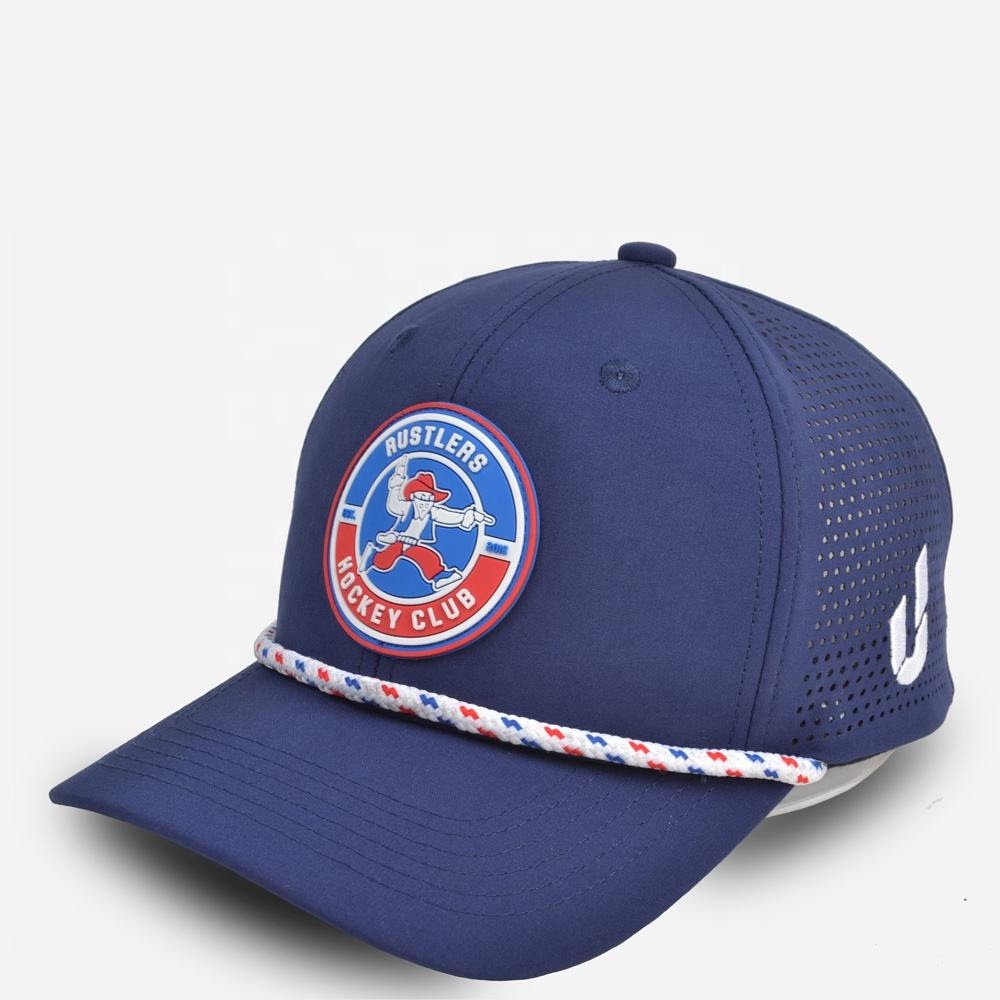
A club can put the same crest on a pro-shop cap and a tournament cap, but the two orders solve different problems. The shop needs a product people choose and may buy again. The event needs a hat that fits a mixed group, carries the right identities, and arrives before a fixed date. Start with those buying conditions before choosing a silhouette or a decoration method.
The distinction does not require two unrelated designs. A shared club identity can hold a collection together while the fit, color assortment, logo layout, labels, and order plan change by use.
Put the two briefs side by side
| Decision | Pro-shop retail | Tournament or sponsor program |
|---|---|---|
| Primary wearer | A customer choosing a hat from a display | Players, staff, guests or sponsors receiving a hat |
| Buying test | Would someone select and wear this at its intended price? | Will the approved hat fit the audience and arrive for the event? |
| Assortment | A small, coordinated range of silhouettes and colors | Fewer versions may simplify distribution and approvals |
| Branding | Club identity visible without overwhelming the product | Event and sponsor hierarchy must be legible and agreed |
| Fit | Evaluate fit across the planned retail styles | Favor an adjustable fit unless the audience’s sizes are known |
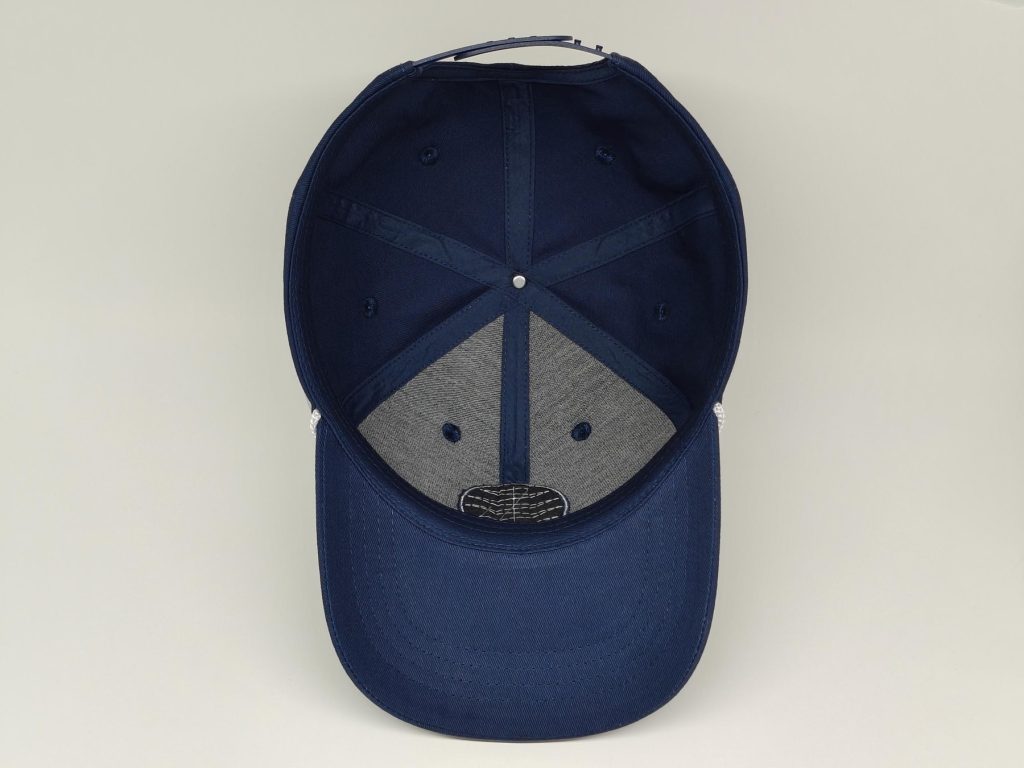
| Interior | Check size label, sweatband feel, care information and presentation | Check comfort and any event-specific label or packing need |
| Repeat order | Retain approved specs and color references for replenishment | Record the event version so dated artwork is not reused by mistake |
This table is a planning aid, not a formula for every club. A limited-edition tournament hat sold in the shop may need both retail presentation and a date-specific artwork plan.
Build a pro-shop range around repeat wear
Begin with one or two shapes that suit the club’s customers. A rope cap may work as a lifestyle piece; a lighter woven cap with visible openings may suit active rounds. Neither construction proves a performance claim by itself. Compare the actual sample’s crown depth, visor curve, finished weight, closure and sweatband against the wearer you expect to serve.
Limit the opening color range to combinations the shop can display and replenish coherently. Record each style-and-color version separately. If the crest appears in several thread colors or patch treatments, approve each visible version rather than assuming the first sample covers them all.
Retail details deserve a physical check. The size label should be readable, interior branding should not rub against the head, and the hangtag should explain the product without obscuring it. Photograph the approved sample from the front, side, back and inside; these become useful references for a later reorder.
For more construction options, see our custom golf hats page. The question here is not which style exists, but which small range earns shelf space and repeat use.
Make tournament hats easy to approve and distribute
An event order has a hard deadline and several decision-makers. Put the club crest, event name and sponsor marks into a written artwork hierarchy before sampling. Decide what belongs on the front, what can move to a side or rear position, and whether any mark must be omitted to keep the hat wearable after the event. The approved design should remain legible on the actual crown, not only on a flat mockup.
For a mixed audience, test an adjustable closure and the fit range on physical samples. Confirm who will receive hats, whether staff need a separate version, and how the units will be counted and packed for distribution. A single “total hats” number hides the allocations that matter on event day.
Work backward from the required in-hands date. Artwork approval, sampling, revisions, bulk production, inspection and shipping all occupy time. A sample that is approved late can put the event date at risk even if the sewing itself is on schedule. Our production timeline guide shows how to map these stages without treating a generic lead-time estimate as a promise.
Keep the quantities and approvals distinct
Prepare one line for every style and color, with its quantity, decoration version, intended wearer and destination. For SN International’s regular custom hat constructions, the standard starting quantity is 100 pieces per style, per color; unusual construction or components may require more. Confirm the applicable minimum against the complete specification. A 50-piece navy run and a 50-piece green run should not be assumed to meet a 100-piece minimum.
The approval record should include the physical sample or marked photos, color references, crown and visor measurements, logo size and placement, closure, interior details, packing instructions and final artwork version. For tournament work, add the event date and the person responsible for approving each sponsor mark. For retail work, add the reorder reference and the range plan.
A buyer brief that prevents the wrong hat
Before requesting a quote, send:
- The intended channel: pro shop, tournament, staff program or a combination.
- The wearer and expected use, including whether the hat should work off the course.
- Reference photos or a sample, plus the fit and silhouette you want to preserve.
- Quantity by style, color and artwork version, not only a grand total.
- Crest, event and sponsor files with a proposed logo hierarchy.
- Any interior label, hangtag, packing and delivery requirements.
- The required in-hands date and destination.
If you are planning both channels, ask for two clearly separated specifications. That lets the club share visual identity without forcing the retail product to carry every event message or forcing a one-day giveaway into a costly retail assortment.
Send us your golf hat brief with the intended use, reference images, quantity split and target date. We can review the sample and production questions before you commit to a final range.
Buyer questions
Can the same hat serve a tournament and the pro shop?
Yes, if the fit, branding and presentation work in both settings. Keep date-specific or sponsor-heavy artwork off the core retail version unless it is intentionally a limited edition.
Should a tournament hat use a performance fabric?
Choose fabric from the wearer’s conditions and the approved sample. A fiber name or a perforated panel does not by itself prove moisture management, quick drying or UV protection. Request the relevant material documentation or test evidence before making those claims.
What should a club keep for reorders?
Retain the approved sample, measurements, fabric and color references, artwork files, decoration placement, labels and packing specification. Reconfirm availability and any changed components before placing the next order.