
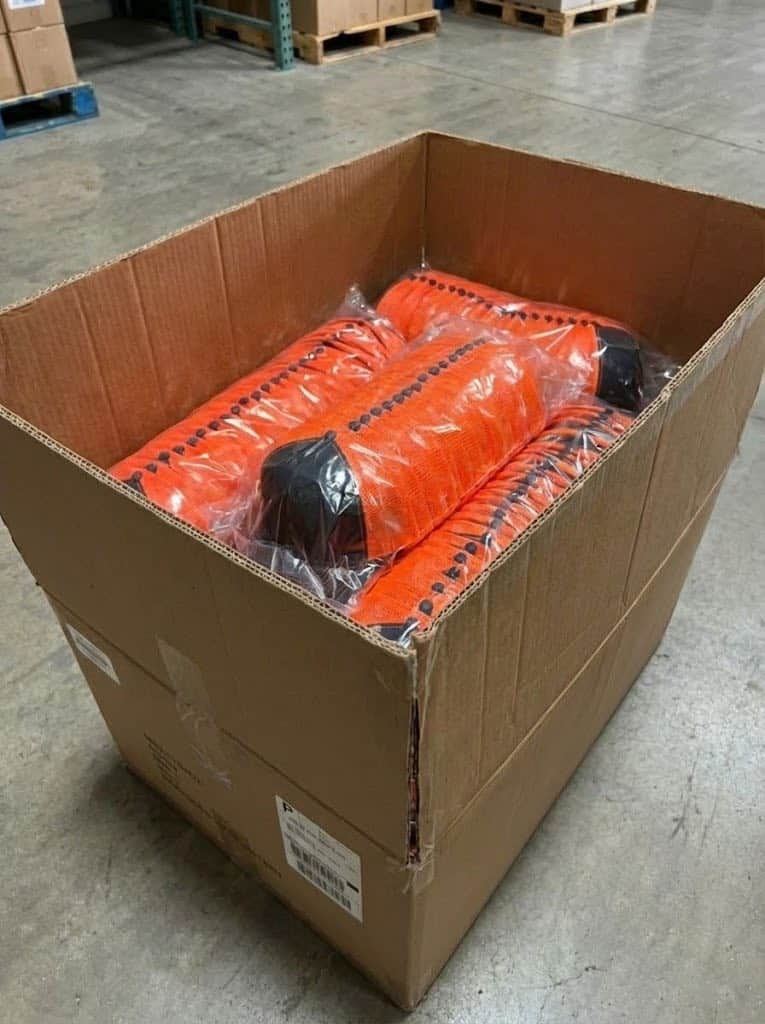
A cap can leave inspection looking right and arrive with a flattened front or bent visor. That does not necessarily mean the sewing was wrong. The pack-out, carton size, fill and handling between factory and warehouse also affect how the product presents when a buyer opens the box.
There is no single packing formula for every hat. A structured baseball cap, soft bucket hat and retail-ready fitted cap should not automatically share the same bagging or nesting method. Buyers should approve a practical packing specification with the finished hat, not leave it as an afterthought on the shipping day.
Start with what must retain its shape
Look at the approved sample from the front, side and top. Identify the parts that cannot be pressed out of shape: a supported front panel, curved or flat visor, raised embroidery, patch edge or interior component. A soft, unstructured crown may tolerate a different nesting arrangement from a rigid front crown, but do not assume it can be compressed indefinitely.
For a structured cap, ask the supplier to show the proposed stack or nested group and whether a support insert, tissue or other separator is needed. For a bucket hat, inspect the brim after it has been folded or packed as proposed. For a special decoration, check whether another hat or the carton wall presses directly on it. These are sample-and-pack tests, not universal claims about one material.
If the crown is folded for compact shipment, make that a deliberate product decision. A cap designed to be packable may recover acceptably; a firm retail silhouette may not. Approve the unpacked appearance after the trial pack has sat in the proposed configuration, and record what was actually tested.
The table below compares the three hat types on what must keep its shape and what the trial pack must prove.
| Hat type | What must keep its shape | Confirm in the trial pack |
|---|---|---|
| Structured baseball cap | Supported front panel and visor curve. | The stack or nested group, plus any support insert, tissue, or separator. |
| Soft bucket hat | Brim shape and crown. | The brim after folding or packing as proposed, and the unpacked appearance after the trial pack has sat. |
| Retail-ready fitted cap | Firm retail silhouette and decoration surface. | Size identification on the hat, pack, and carton, and no pressure on the decoration. |
Choose the individual presentation before calculating carton quantity
The buyer’s receiving and selling process changes the pack-out. A distributor may need grouped colors with clear carton marks. A retailer may need each hat in an individual bag with a barcode or hangtag. An event buyer may need cartons divided by location or delivery group.
Ask these questions before the final packing instruction is released:
- Is each hat bagged, or are several nested in a protective group?
- Where do hangtags, visor stickers and labels sit so they do not crease the fabric or snag another hat?
- Are fitted sizes identified on the hat, individual pack and carton where relevant?
- Are colorways and delivery destinations separated or deliberately assorted?
- Does the receiving team need an easy way to count and identify each SKU without opening every bag?
An attractive individual package can still be the wrong choice if it adds pressure to the visor or makes size identification difficult. Test appearance and receiving convenience together. Our customization page covers the available label and packing decisions that should be confirmed with the product specification.
Set carton fill by the finished hat, not by a guessed target count
“How many caps fit in a carton?” is the wrong first question. A carton packed too tightly can distort crowns and visors; a poorly filled carton can allow movement and damage. General carrier guidance from UPS and FedEx likewise emphasizes suitable box size, cushioning or void fill, and secure sealing. It does not prescribe a universal cap count.
Have the supplier prepare a trial carton using the actual finished hat and proposed individual packaging. Record the carton dimensions, units per carton, arrangement and total weight for that approved pack-out. Inspect the top, bottom and side pressure points, then unpack several hats and compare them with the approved sample. If a carton will be stacked during transport, discuss the carton strength and stacking arrangement with the shipping provider rather than assuming the outer box alone protects the shape.
Bulk quantity, shipping mode and cost may change when the packing method changes. The lowest freight volume is not necessarily the lowest-cost outcome if hats need reshaping, sorting or replacement after arrival.
Make assortment and carton marks part of the same instruction
A visually perfect hat is still a receiving problem if cartons have unclear contents. Confirm the unit count and the style, color and size mix per carton. Decide whether cartons should contain one SKU or a clearly documented assortment. Include any destination or event-group information the receiver needs, without placing private customer information on a public product photo.
For fitted hats, a size run deserves extra attention: the packing list and carton labels should agree with the approved allocation. For multiple colors or delivery groups, do not rely on a handwritten note added after packing. Approve the carton-mark format as part of the order documents and verify it against the finished shipment count.
SN’s usual starting minimum for regular custom hats is 100 pieces per style, per color. That minimum is not the number of hats that must go into one carton. Carton pack, assortments and any size split need to be confirmed for the specific project.
Review an opened trial carton before bulk shipment
A useful approval record is simple: photos of the closed carton and marks, one opened carton showing the arrangement, and several hats after unpacking. Check the crown and visor profile, decoration surface, cleanliness, bag or tag placement, and count against the packing list. If shape or presentation is not acceptable, adjust the packing method and check again before the full order is packed.
This does not guarantee that every carton will arrive untouched; carriers, transit conditions and handling still matter. It does establish what the supplier and buyer meant by “packed correctly.” The manufacturing process guide explains how packing fits into the wider sample-to-shipment workflow.
Send a packing brief with your hat brief
When requesting a quote, include the hat style, reference images, intended decoration, quantity by style and color, any size split, retail or event presentation needs, destination and required receiving arrangement. Say whether the hats will go straight to stores, a distributor warehouse or individual event sites. Ask for the proposed pack-out and carton details before you approve the production order.
If you have an existing package you like, send photos of both the closed and opened box. We can review it against the proposed hat construction and discuss a suitable sample and pack-out with you. Start your custom hat project with the product and receiving requirements together.
Frequently Asked Questions
Should every cap be individually bagged?
No. The right choice depends on product protection, presentation, labeling and how the buyer will receive or sell the order. Approve the method using the finished sample.
Can structured caps be nested to save space?
They may be nested in a suitable arrangement, but the front support, visor and decoration should be checked after a trial pack. Do not approve nesting solely from a theoretical carton count.
Is a larger carton always safer?
No. Excess void can let products move unless the pack-out controls it. An overfilled carton can create pressure damage. Choose and test the box and fill together.