
A small brand does not need a large assortment to launch a credible custom hat program. It needs a clear customer, a product with a defined role and an approval process that protects the first order from unnecessary complexity. The most common planning mistake is adding styles, colors and decoration options before the core product has been tested.
Give the First Hat One Clear Job
Decide whether the hat is primarily a retail product, event item, uniform, membership piece or promotional gift. That role affects the silhouette, material, branding, packing and price position. A fashion-led retail cap may prioritize shape and hand feel, while a staff cap may need repeatable fit, easy care and clear branding.
Write a one-sentence product direction before requesting samples. For example: “A mid-profile cotton cap for a lifestyle brand’s first retail drop, with understated front embroidery and private labeling.” This is more useful than a mood board containing several unrelated hat types.
Start With One Hero SKU
A hero SKU is the style that best represents the brand and has the strongest chance of being reordered. Keep the first development focused: one crown construction, one visor direction, one closure and one primary decoration method. Additional colorways can share that construction if the materials and trims remain practical.
This does not mean every small brand should order the same cap or quantity. Minimums depend on construction, custom-dyed materials, components, labels and packaging. Ask which details create separate minimums before dividing a first order across too many variations. Our custom hat MOQ guide explains how product decisions affect order planning.
Build a Controlled Color Plan
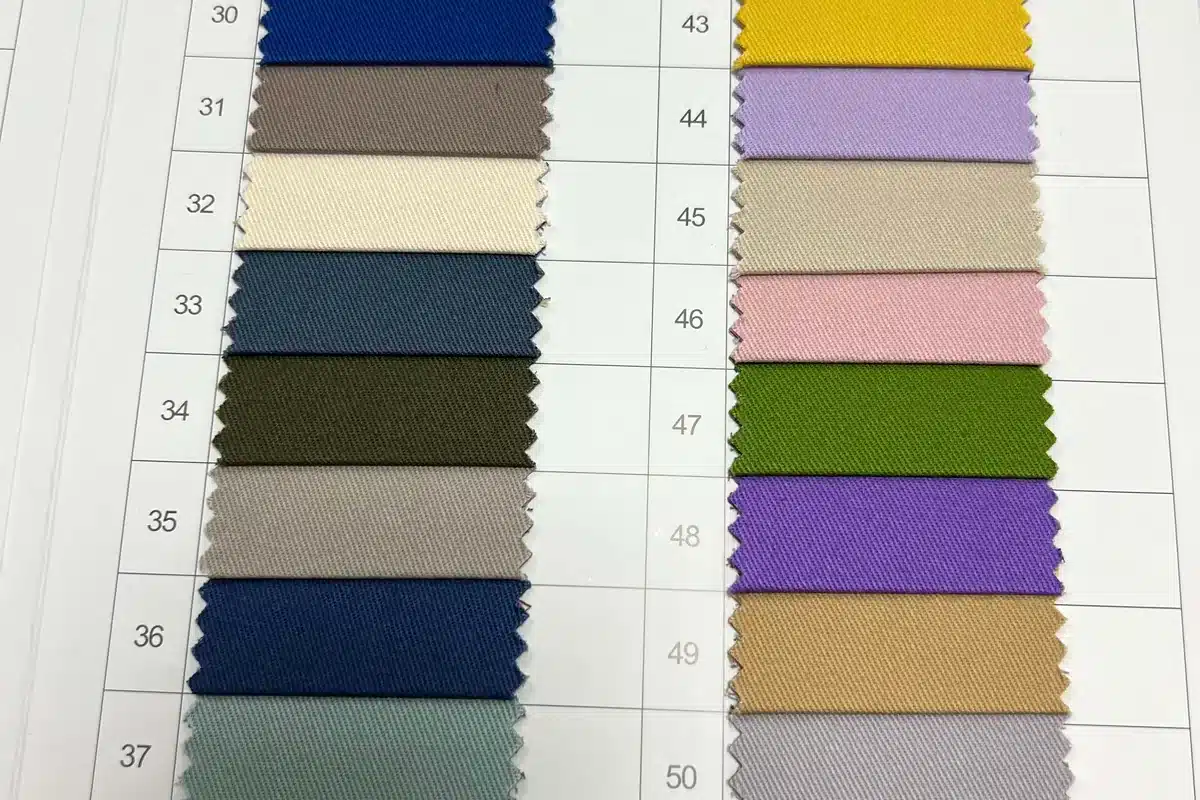
Choose colors from the brand system and intended customer rather than treating every available swatch as a launch option. A practical first range might use one dependable core color and one accent direction. Confirm whether the fabric is stock-colored, garment-washed, piece-dyed or custom-dyed, because those routes affect availability and repeatability.
Review physical fabric or product samples under ordinary light. Screen colors are useful for communication, but they do not fully represent texture, wash variation or how thread and labels will look beside the fabric.
Keep Decoration Proportional to the Product
More decoration does not automatically create more value. Select one primary branding area and use secondary details only when they support the brand story. Fine lettering may require flat embroidery or a woven patch; a bold mark may support raised embroidery; a workwear direction may suit a leather patch. The decoration must fit the crown material and profile.
Private labels, inside taping and packaging can make a program feel complete, but each detail should have a reason. Confirm the commercial effect of added components before including them in the first sample.

Use Approval Gates Before Committing to Bulk
Separate decisions into clear stages. First approve the product direction and working specification. Then review available materials and artwork. Approve a physical sample before bulk production. Record any accepted change in the specification so the purchase order, approved sample and production instructions agree.
A sample should be reviewed for:
- crown profile, depth and fit;
- visor shape and proportion;
- fabric color, hand feel and behavior;
- decoration size, position and clarity;
- closure function and finishing;
- labels, packing and presentation.
Do not approve only from close-up photographs. Wear the sample, view it from normal distance and compare it with the intended price and customer.
Plan the Reorder Before the Launch
Keep the approved sample, material references, artwork version and component details together. Decide which colors are permanent and which are limited. If the first order performs well, this record allows a repeat order to begin from an established reference instead of rebuilding the product from memory.
Track sell-through by SKU rather than only total hat sales. The result may show that one color, fit or decoration should become the core program while another should not be repeated. This evidence is more valuable than expanding the assortment immediately.
Before the public launch, also check the non-product details that affect the buyer experience: product photography, size and fit explanation, care guidance, packaging, fulfillment and the date inventory will actually be available. Marketing should describe the approved hat rather than features that appeared only in an early concept. Keeping product and launch information aligned reduces preventable customer questions.
Explore custom hat styles, review full-custom OEM development, and see how the sampling process works.
Frequently Asked Questions
How many hat styles should a small brand launch first?
There is no fixed number, but one clearly defined hero style is usually easier to sample, position and evaluate than several unrelated styles. Add variations only when each has a distinct customer or use.
Does a low starting quantity guarantee low risk?
No. A smaller order can still be poorly specified or divided into too many weak SKUs. Risk is reduced through clear product direction, realistic commercial planning and a properly approved sample.
When should a brand add more colorways?
Add them when the core construction is approved and each color has a role in the range. After launch, SKU-level sell-through should guide reorders and expansion.
Planning your first focused custom hat program? Send the intended customer, style direction and commercial requirements through our project inquiry form.