
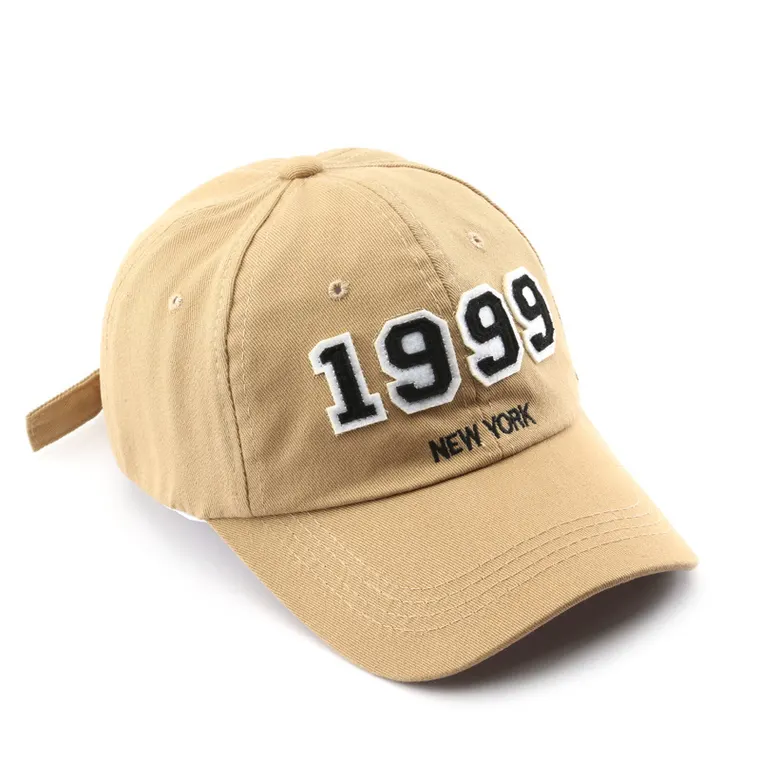
A promotional hat feels retail-ready when it is specified for the person who will wear it, not only for the logo that will appear on it. Fit, crown shape, fabric hand feel, contact points, decoration scale and finish need to work together on a physical sample. None of these choices guarantees that recipients will keep wearing the hat. They do give a buyer a practical way to make and check that decision before bulk production.
Start with the wearer and the job of the hat
“Premium” is not a useful specification on its own. A cap for staff who wear it through a shift, a one-day event giveaway and a club shop product face different demands. Write down who receives the hat, where they will use it, what they normally choose to wear and whether they should still want it after the event.
| Program | What the wearer needs | What to confirm on the sample |
|---|---|---|
| Staff or team | A comfortable, repeatable fit and an appearance that works with the uniform | Crown depth, closure range, sweatband contact and how the logo looks during a full shift |
| Event or sponsor | A shape and color people would also wear away from the event | Broad fit, logo/date scale, packing presentation and delivery timing |
| Club, brand or retail gift | A product that stands on its own beside other merchandise | Silhouette, fabric feel, interior finish, labels, color consistency and reorder reference |
This is the difference between buying a blank surface for a message and developing a piece of headwear. It also helps avoid paying for details that do not improve the wearer’s experience.
Specify the fit before adding decoration
Ask for a sample of the intended silhouette, not just a size label. The same nominal size can feel different with a deeper crown, a firmer front panel or a different closure. Check where the front edge sits, whether the crown presses on the top of the head, how the visor frames the face and how much adjustment remains when the hat fits.
For a mixed group, try the sample on more than one wearer. Record the comments rather than approving the fit from a flat photograph. If the hat is for outdoor activity, inspect the physical panel construction and finished weight, but do not turn visible perforations into an unverified ventilation or quick-dry claim.
Choose fabric by hand feel and intended use
A familiar cotton twill can support a classic everyday cap; corduroy can add visible texture; a lightweight woven can suit a different brief. Fiber names alone do not establish comfort, durability or moisture management. Compare the exact fabric swatch and finished sample for weight, surface feel, structure, color and compatibility with the chosen decoration.
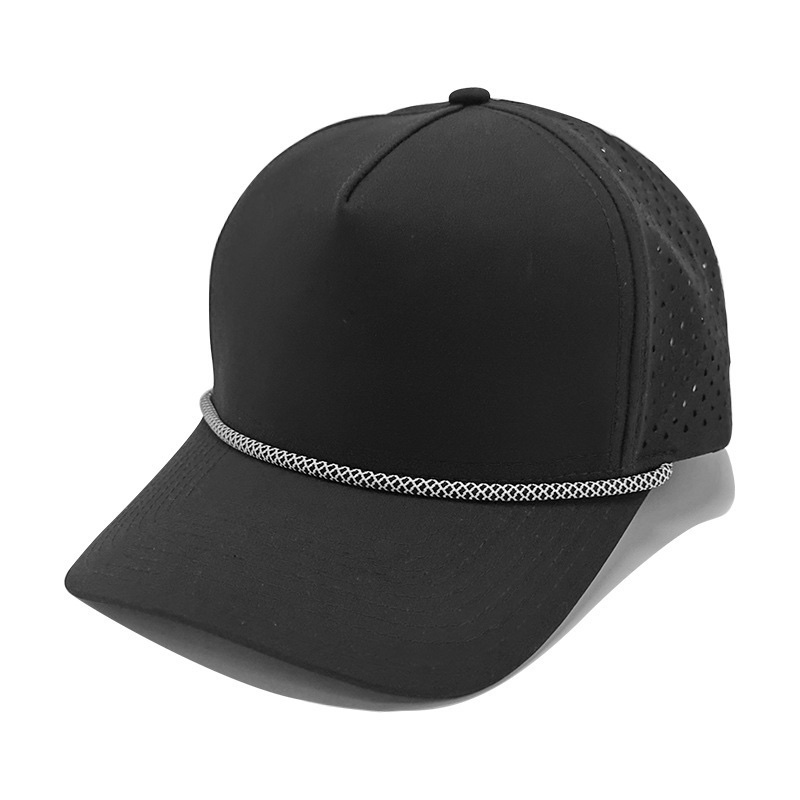
Look closely at the parts that touch the wearer: the sweatband, rear closure and internal seams. A beautiful front panel will not compensate for a rough band or an awkward adjustment point. If the project needs a specific performance claim, request material documentation or a relevant test for the selected component before putting that claim into sales copy.
Keep branding in proportion to the hat
More logo coverage does not automatically create a better promotional product. A small crest, restrained embroidery, a woven patch or a side detail can make the brand recognizable without making the cap feel like a walking advertisement. The right choice depends on crown support, artwork complexity, fabric and intended wearer.
Review decoration at actual size on the finished hat. Check whether stitching pulls the panel, a patch edge catches, the added weight changes the way the front sits or a large logo dominates the silhouette. Our customization guide explains how to pair decoration methods with hat construction; the separate decoration cost guide addresses when a more expensive treatment is worth its cost.
Judge the inside and the handover, too
For a retail or member program, inspect the inside as carefully as the outside: sweatband attachment, seam finish, label placement and any custom taping. Decide whether a hangtag, individual bag or other packaging genuinely suits the selling environment. These details should support the product, not be added simply because they are available.
For an event, presentation also includes how the hat is handed out and whether it arrives in wearable condition. A crushed crown or inconsistent visor curve can undermine an otherwise good design. Confirm packing method and carton handling with the supplier as part of the brief.
Approve one physical reference sample
Before bulk production, use a single signed-off sample as the reference for shape, fit, fabric, color, decoration and finish. Photograph the front, side, back and inside, and record any agreed changes in writing. A useful approval review covers:
- Fit: crown depth, circumference or adjustment range, visor curve and contact comfort on intended wearers.
- Fabric and construction: actual hand feel, panel support, seams, sweatband and closure.
- Branding: artwork size and placement, stitch or patch finish, color and any effect on the crown.
- Presentation: labels, hangtags, folding or packing and how the hat arrives after transit.
- Repeatability: the approved reference, tolerances where applicable, and which details must remain consistent on a reorder.
If you are planning several silhouettes or colorways rather than one hat, the hat merchandise line guide covers assortment decisions. This checklist stays focused on whether an individual hat is ready to approve.
What to send with a sourcing inquiry
A clear request should state the end wearer, use environment, preferred silhouette, target fabric feel, branding references, quantity, delivery window and selling or distribution channel. Attach photos of the look you want, but identify which details are essential and which are inspiration. Ask the manufacturer to flag construction conflicts at the sample stage.
SN International develops full-custom OEM and private-label hats from a defined brief. If you want a promotional cap people may choose to wear beyond the original event, send us the wearer, use case and reference images; we can discuss the right sample checks before you commit to bulk.
Frequently asked questions
Does retail-ready mean adding expensive materials?
No. It means the fit, material, decoration and finish make sense for the intended wearer and channel. A simpler cap that fits well can be a better choice than a heavily decorated cap with an uncomfortable crown.
Should an event hat include the event date?
Only if that detail suits the program. If the aim is repeat wear after the event, consider whether the date needs to be prominent, discreet or on a removable hangtag instead.
Can we claim a hat is moisture-wicking or UV-protective because it looks sporty?
No. Confirm the exact material or finished product and the evidence for each claim before using it in marketing. Visual features such as holes or a lightweight-looking fabric do not prove a quantified benefit.