

Vintage washed caps can look effortless on a product page, but the finish takes more than a request for “a faded blue.” A buyer needs to agree on the shade, the amount and location of fading, the softness of the crown, and what happens to the decoration after treatment. This guide focuses on those decisions for a full-custom hat program, not on a universal wash formula.
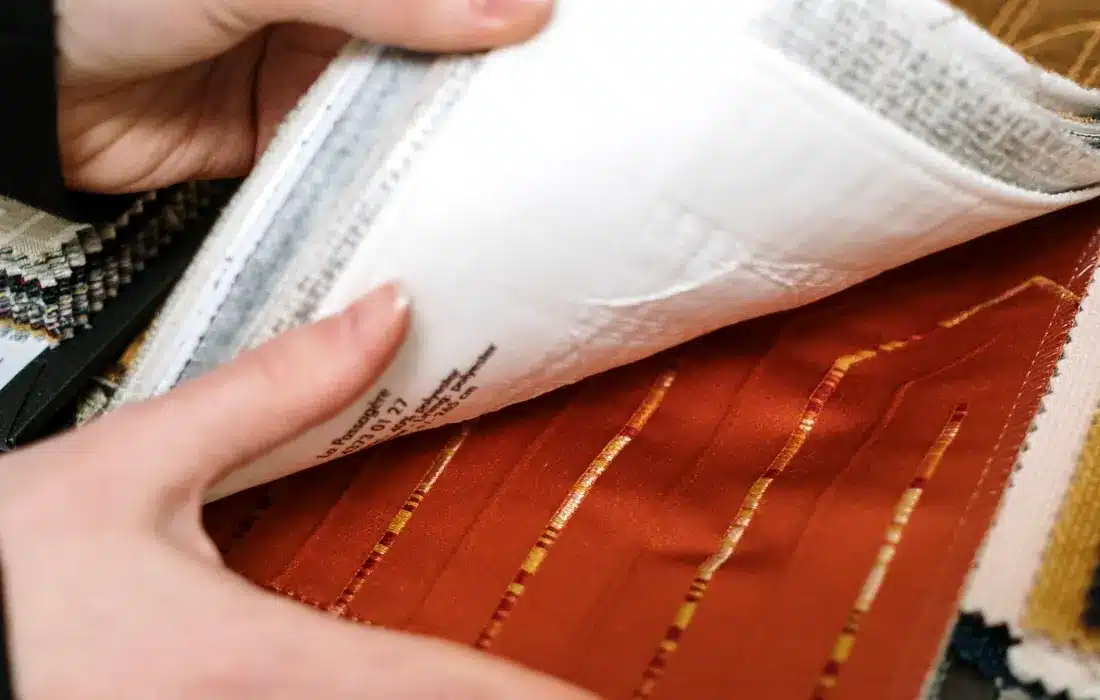
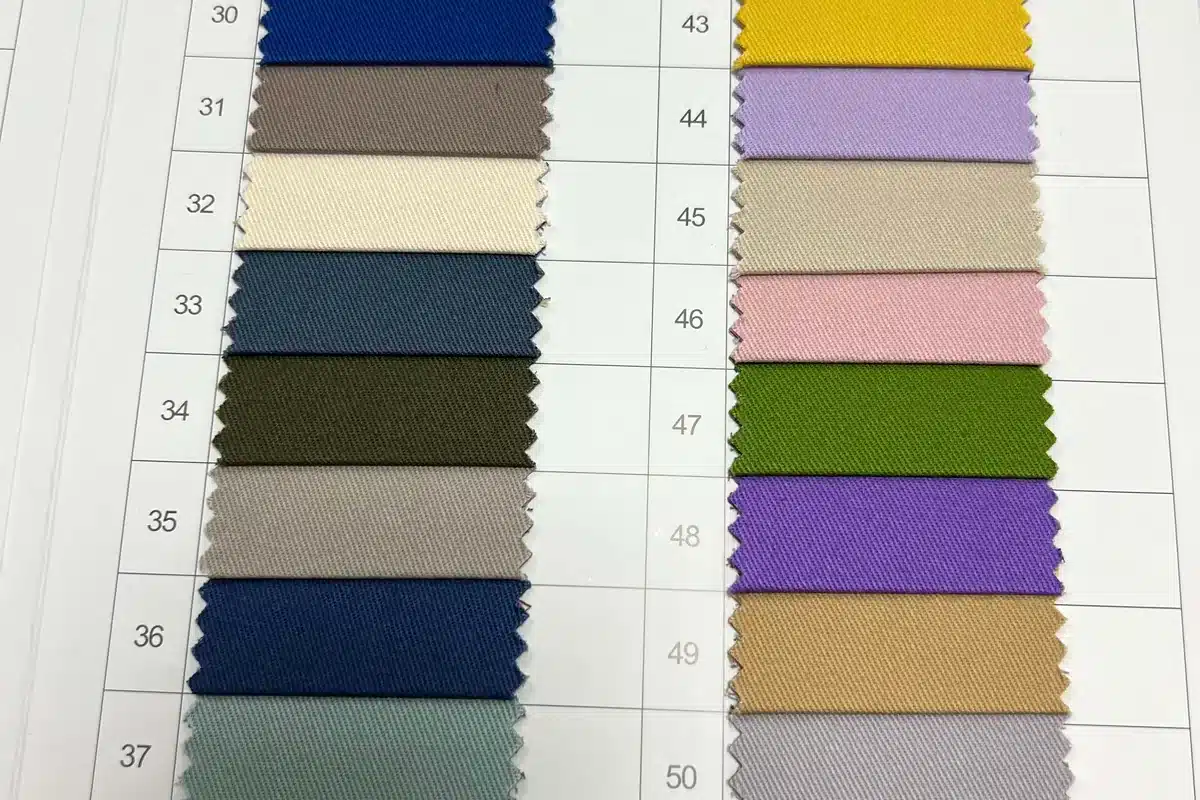
Images are illustrative stock photographs, not photos of an SN facility or an approved cap sample.
Start with the cap you want to sell
A relaxed six-panel cotton cap with a curved visor and fabric strap may suit a soft, worn-in finish. A firm front panel, foam construction, coated fabric, or elaborate trim can behave differently. Decide on the silhouette, fabric, decoration, and target color together. Do not approve a faded fabric swatch and assume the finished cap will look the same.
For a useful brief, provide reference photos and describe which parts should appear lighter: the panel faces, seams, visor edge, or the entire cap. Also say what should stay consistent. Some buyers want visible variation between units; others need a narrower visual range for retail replenishment. “Vintage” alone does not settle that question.
Fabric wash, garment wash, and surface finishing are not interchangeable
“Garment washed” generally describes a treatment applied after an item has been made. A fabric can also be treated before cutting. An enzyme treatment, where suitable, is one possible way to alter the surface of some cotton fabrics; it is not a separate promise of a particular color or feel. Brushing or peaching changes the fabric surface by a different method. The practical choice depends on the fabric, dye, cap construction, decoration, and the finish available through the production partner.
Ask the supplier to explain the proposed sequence for your specific cap. If a wash happens after assembly, check whether embroidery, patches, labels, closures, sweatbands, and visor components are compatible with it. If the fabric is washed before cutting, ask how the finished seams and panels will achieve the intended appearance. Neither route is automatically better.
What to approve on the first physical sample
A photo can communicate direction, but a physical sample shows the effect on fit and hand feel. Compare the sample against a reference under ordinary daylight and the lighting in which the product will be sold. Record the approved sample and the acceptable range of variation before bulk production.
| Decision | What the buyer should check |
|---|---|
| Color and fade | Overall shade; lighter seams or edges; whether the fade looks intentional rather than patchy. |
| Hand feel | Softness and surface texture after treatment, including whether the crown still feels appropriate for the brand. |
| Shape and fit | Crown height, opening, visor curve, and whether the cap sits the same way as the approved construction sample. |
| Decoration | Logo legibility, embroidery puckering, patch edges, thread color, and placement after treatment. |
| Trims and interior | Closure operation, label appearance, sweatband feel, and any unwanted color transfer. |
Measure the approved sample in the same condition in which bulk caps will be checked. One “perfect” sample is less useful than a documented target plus an agreed acceptable range. Our development and approval process explains how a physical sample becomes the reference for production.
Plan the decoration around the finish
A bright, high-contrast embroidered logo can fight a quiet vintage look; tonal embroidery, a modest woven patch, or a small side mark may sit more naturally. That is a design choice, not a rule. Test the actual decoration on the chosen cap and consider when it is applied relative to the wash. The sequence may affect thread color, patch material, edge finish, and adhesion.
Do not assume all trims can be washed together. A leather patch, a printed label, and a metal closure may each need a different review. The customization options page is a starting point for comparing crown, visor, closure, and decoration choices; the final combination still needs a sample.
Bulk production: approve a range, not an impossible identical fade
A washed look can vary with fabric lot, dye, construction, treatment, and drying. Exact visual identity between every cap is a poor promise for a deliberately irregular finish. A better purchase specification defines which differences are acceptable and which are defects. For example: is a lighter seam desirable, while a sharply uneven front panel is not?
Before approving bulk, ask to see a production-representative sample and agree how finished caps will be compared with it. Keep a record of the approved shade, measurements, logo position, and trim details. If a repeat order uses a new fabric or dye lot, review a new sample rather than relying only on the earlier photo. For the underlying material decision, see our cotton twill versus polyester comparison.
Questions to send with your brief
- What cap shape and fabric should remain after the treatment?
- Which parts should look faded, and how much variation is acceptable?
- Will the fabric or the assembled cap be treated, and when will the logo and trims be added?
- What physical sample will be used to judge color, size, and decoration in bulk?
- Which details need to be re-approved if the material or production lot changes?
If you have a reference cap or a target look, send it with your artwork and intended use. We can discuss a full-custom construction and sampling plan for the finish you want without assuming that one wash recipe fits every hat. Share your project brief.
Frequently Asked Questions
Will every washed cap look exactly the same?
No. Washing creates controlled variation in shade and surface character. Approve an acceptable appearance range on physical samples instead of expecting every cap to match one photograph exactly.
Should embroidery be approved before or after the wash?
Approve the process in the same sequence planned for production. Washing after decoration can change thread, backing and fabric differently from decorating an already washed cap.
What should be kept for a washed-cap reorder?
Keep the approved cap, fabric and color references, wash direction, decoration file and photographs under ordinary light. The supplier should reconfirm current material and wash availability before a new run.