
“We need 300 hats” is a useful budget signal, but it is not yet a production plan. The factory needs to know how many of those hats share a crown, fabric color, size route, logo and packing instruction. The buyer needs to know which combinations will sell or be distributed. Put both views in the same order matrix before requesting a quote.
This guide is about allocating a proposed order. For the factors that create a production minimum, read our custom hat MOQ guide.
Define what counts as a separate version
Start with the product, not a spreadsheet code. A sellable version may be defined by its style, color, size, closure, logo treatment and destination. Some differences change the production setup; others only change how finished hats are labeled or packed. Ask the supplier to confirm which differences require separate runs.
Give every proposed version a plain-language name. “Navy rope cap / adjustable / cream crest” is easier to approve than “SKU 03” alone. Keep the SKU code as a reference, not a substitute for the specification.
Build a quantity matrix before asking for a price
The following numbers are a hypothetical planning example, not a customer order or a sales forecast.
| Proposed SKU | Style and construction | Color | Size route | Artwork | Planned units | Check before quote |
|---|---|---|---|---|---|---|
| RC-NVY-A | Rope cap, adjustable | Navy | One adjustable fit | Club crest A | 120 | Confirm sample and rope color |
| RC-GRN-A | Rope cap, adjustable | Forest green | One adjustable fit | Club crest A | 100 | Approve green fabric and thread contrast |
| BC-BLK-SM | Baseball cap, fitted | Black | Small/medium | Club crest B | 40 | Confirm size split and applicable minimum |
| BC-BLK-LX | Baseball cap, fitted | Black | Large/extra-large | Club crest B | 40 | Confirm size split and applicable minimum |
The two rope-cap colors are separate color lines: navy at 120 pieces and forest green at 100 pieces each meet the standard starting quantity individually. The fitted-cap size lines total 80 in one style and color, which is below SN International’s standard 100 pieces per style, per color starting quantity for regular custom constructions. Do not treat the 300-unit combined total as proof that every line can be produced. A fitted size split also needs supplier confirmation; we do not assume a universal per-size rule.
One practical revision would be to increase the black style/color run to an eligible quantity, simplify the first release, or discuss a different specification. Which route makes sense depends on demand evidence, fit needs and the written quote.
Allocate colors using evidence you actually have
For a retail launch, use previous sales, preorders, customer requests or a limited pilot when available. If none exist, say so in the planning document and treat the first assortment as a test. Do not call an invented 60/30/10 color split “industry standard.”
For an event or staff program, start from a recipient count and distribution list. Separate staff, participants, sponsors and reserve units if they need different artwork or packing. Record how many hats go to each destination. The same total can require different cartons, labels or shipping dates.
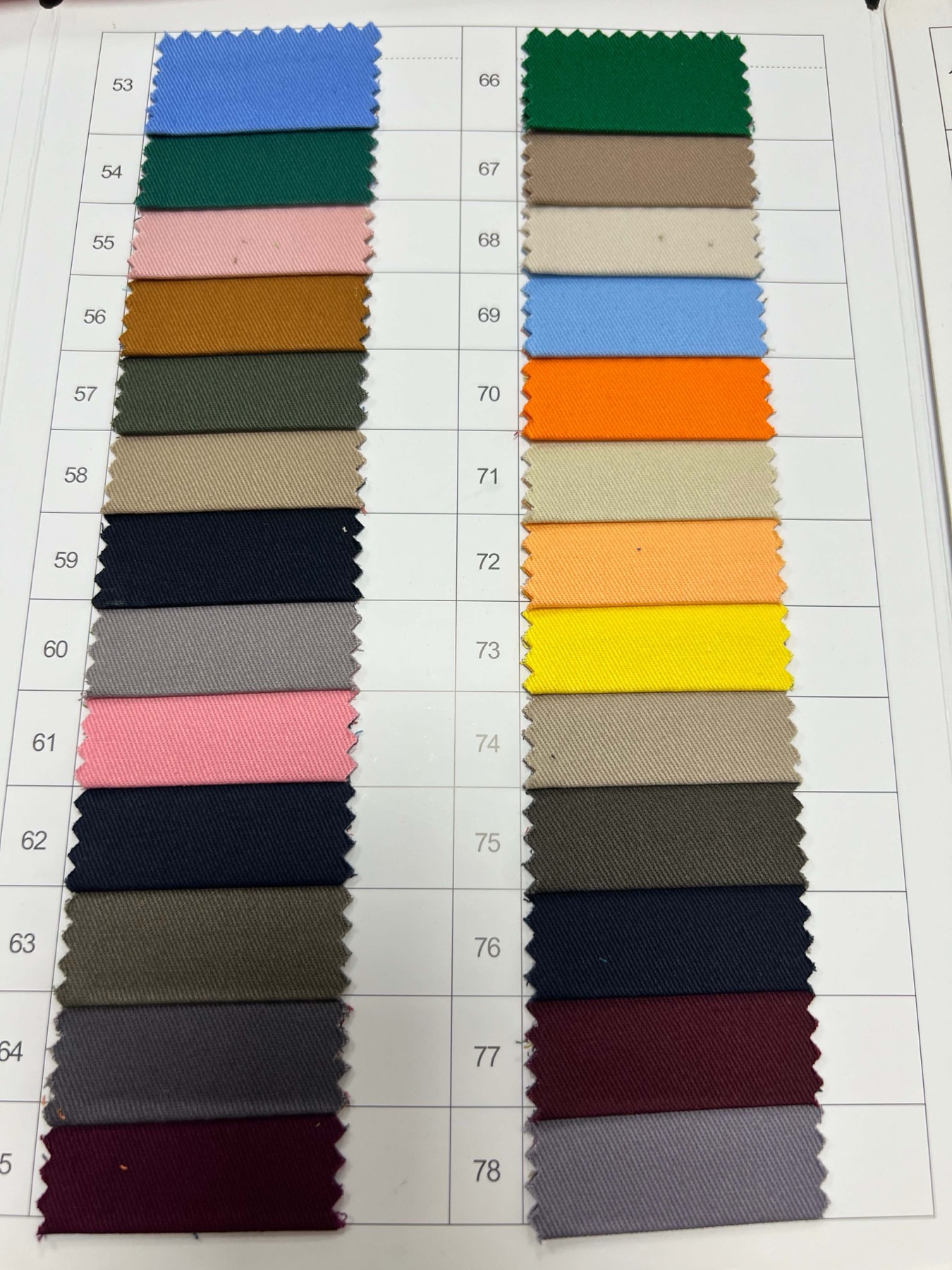
Keep the color palette manageable. Adding a color creates another approval and may create another material purchase. A swatch or screen image is not a finished-hat approval. Review the selected fabric, thread and trim together on a physical sample or agreed color standard.
Treat size planning as a fit decision
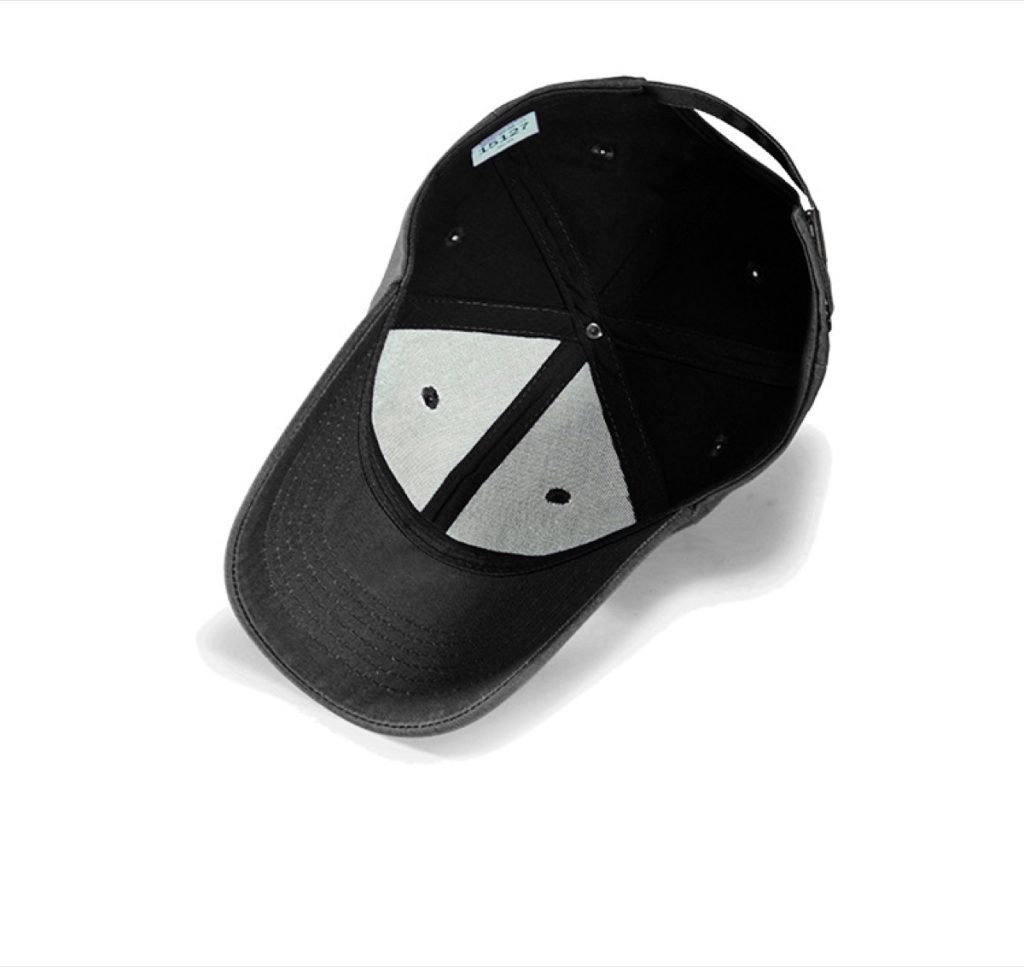
Adjustable hats reduce the number of labeled size versions, but “one size fits all” should not replace a fit check. Test the closure’s usable range, crown depth and visor feel on the intended wearer group.
Fitted or stretch-fit hats need an explicit size system and quantity by size. State the measurement unit and the labeling convention. Then confirm the size split, sample sizes and minimums for the actual construction. Do not apply a baseball-cap size ratio to a bucket hat or a youth program without evidence.
Our bucket-hat measurement guide explains why crown depth, brim width and head circumference must be recorded together when planning sized bucket hats.
Separate production lines from shipping lines
One factory run can be packed for several recipients, while two artwork versions may need separate approvals even if they share fabric. Add columns for destination, carton mark, individual label, packaging and delivery date to the order matrix. This prevents an apparently simple order from becoming an unplanned sorting job after production.
Keep a revision number on the matrix. A changed color, logo or quantity after sample approval should create a new version for written confirmation. Preserve the approved sample or marked photos with the final matrix.
What to send for a useful quotation
Send the style reference, construction and fit notes, fabric and color references, size system, artwork for each version, quantity by style and color, packing split, destination and required in-hands date. Mark undecided fields as open questions. A supplier can then quote the workable version and explain which choices reset a minimum or require another sample.
For regular custom constructions, SN International’s standard starting MOQ is 100 pieces per style, per color. Special fabrics, custom-dyed colors, components or unusual construction may require a higher quantity. A 7-panel hat normally starts at 500 pieces per style, per color. The complete brief determines the applicable minimum. See our full-custom OEM hat program for the development scope.
Send your order matrix with your inquiry. We can review the style/color lines, size route and open specification decisions before sampling or bulk production is scheduled.
Frequently Asked Questions
Can two colors add up to one MOQ?
Do not assume so. Our standard starting quantity for regular custom hats is 100 pieces per style, per color. A proposed exception must be reviewed against the full specification and confirmed in writing.
Is every size a separate minimum?
Size handling depends on the construction and production route. Provide the quantity by size and ask the supplier to confirm the applicable rule. The standard style/color minimum is not a promise that every size split is feasible.
Should a first range have as many colors as possible?
Only if demand and the project budget support them. Each color adds an approval and an inventory decision. Start with the versions you can justify, then use actual sales or wearer feedback to guide a reorder.