
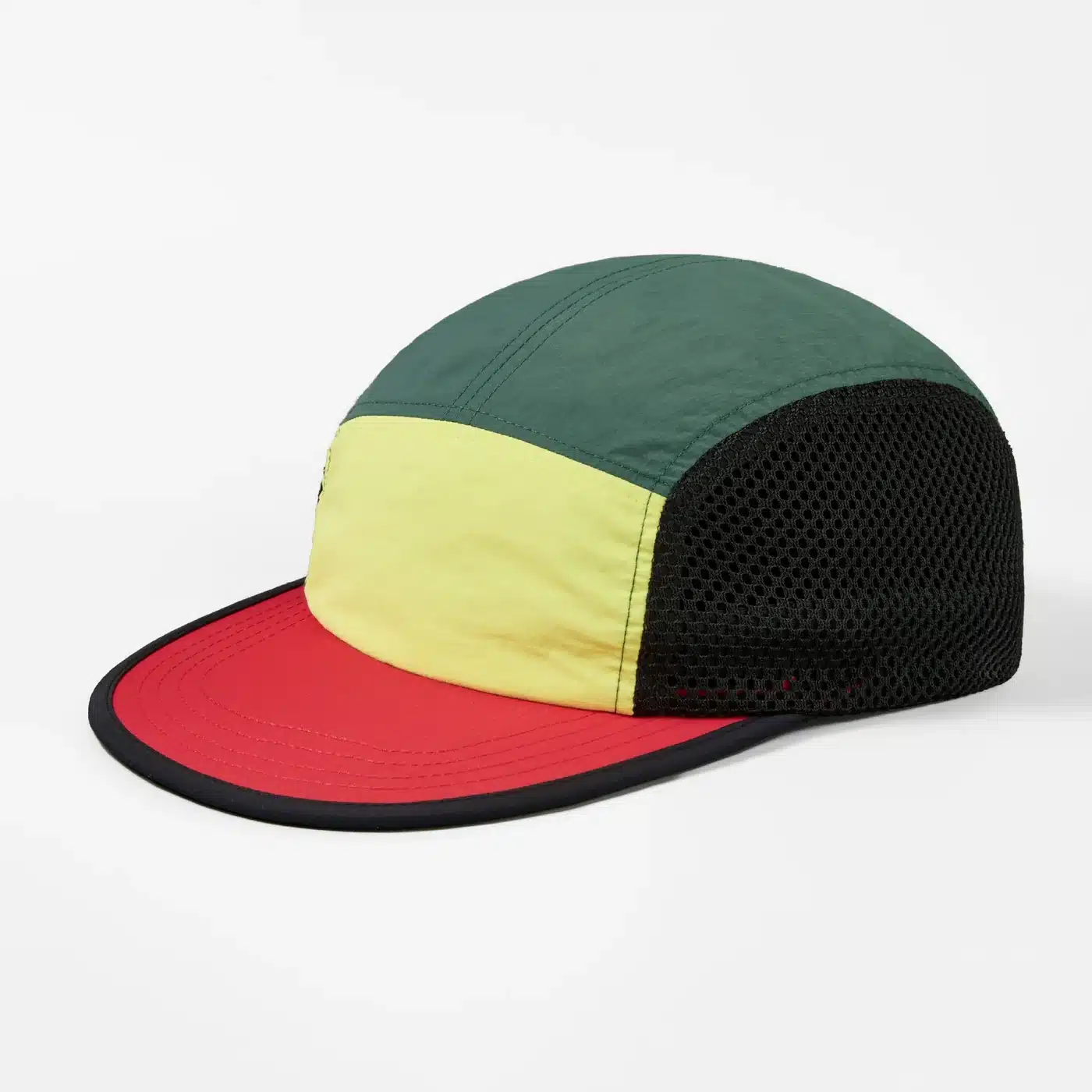
How many hats should you order for a marathon? Start with the event’s hat promises and sales commitments, not its registration total. Count participants entitled to a giveaway hat, then forecast merchandise units separately from preorders and the sales channels you actually plan to use. Add staff, volunteer and sponsor allocations, and decide where a limited contingency belongs. Finally, turn those quantities into orders by hat style and color. A 5,000-person race could need fewer than 5,000 hats, more than 5,000, or exactly that number; attendance alone cannot tell you which.
The useful output is a quantity plan that identifies who receives each hat, how many are already committed, what is still an estimate, and which SKU must be manufactured. It also gives your team a way to revise the forecast as registration and merchandise orders change.
Separate guaranteed recipients from optional sales
Start with the registration offer. Does every entrant receive a cap, only a specific race tier, or only people who selected a hat during checkout? Use the number of eligible orders or entitlements, rather than total sign-ups or an assumed pickup rate. If the hat is promised with registration, a no-show does not automatically eliminate that obligation; check the event’s fulfillment policy before reducing the order.
Keep paid merchandise in another column. A participant may buy an additional retail cap even if a giveaway cap is included. In that case, two physical hats are required. Conversely, if the registration system records the same cap as both a benefit and a paid add-on, reconcile the records before counting it twice. The unit of planning is hats to fulfill, not unique people.
This distinction also affects the product brief. A giveaway cap and a retail cap may need different constructions, decoration or packaging. The custom running event hats page outlines the available event-headwear directions; this guide focuses on how many units to assign to each program.
Estimate merchandise demand by channel
Treat completed preorders as committed units, subject to your cancellation and refund rules. Track them by style and color, not just total revenue. For future sales, use evidence from the same event or a comparable channel if you have it: prior event hat sales, current checkout orders, store orders or a confirmed wholesale commitment. Record the period and the selling conditions alongside the number; last year’s festival-store sales may not be a sound stand-in for this year’s online-only program.
If no comparable sales history exists, create a low/base/high scenario for uncommitted retail demand and label each scenario as a planning assumption. Do not convert participant count into a supposed industry-standard hat purchase rate. Keep a decision date for revising the scenario when actual preorders arrive. Also separate the channels: registration checkout, online presale, expo store, race-day booth and post-event store may have different order cutoffs and delivery needs.
For a retail program, ask the merchandise lead:
- Which hats are already paid for, and which are only forecast?
- Can the same SKU be sold in multiple channels without double-counting shared stock?
- When must stock reach each sales location?
- What happens to unsold inventory, and who owns it?
The answers determine whether the initial purchase should include speculative stock at all. A smaller, evidence-based retail assortment may be more useful than several colors that each have too little demand to manufacture efficiently.
Add staff, volunteers, sponsors and a deliberate buffer
Make a separate allocation list for operations staff, volunteers, pacers, sponsors, media and VIPs. Ask each team owner for a count and a handoff location. If one person appears on two lists but is meant to receive only one cap, assign one owner and remove the duplicate. If the roles require two distinct hats, retain both units and document why.
A contingency is not a universal percentage. Choose a number for identifiable risks: size or color swaps where relevant, late-added crew, damaged units, or distribution uncertainty. Assign each buffer unit to a particular style and color. A blanket “extra 5%” across every SKU can leave you with the wrong hats while still creating leftover stock.
Build one procurement worksheet
Use one row per audience, sales channel or allocation, then map those rows to specific styles and colors. Keep confirmed quantities separate from estimates. This compact structure can be copied into a spreadsheet:
On a phone, swipe across the worksheet to see every planning field.
| Program | Source and cutoff | Confirmed units | Forecast units | Buffer units | Hat style / color | Needed-at-location date | Owner |
|---|---|---|---|---|---|---|---|
| Participant giveaway | Eligible registration tiers | ||||||
| Retail merchandise | Paid preorders + sales scenario | ||||||
| Staff / volunteers / sponsors | Approved allocation lists |
Order quantity by SKU = confirmed units + approved forecast units + assigned buffer units. If two worksheet rows draw from the same shared inventory, use a single stock pool or an allocation rule; do not add the same unit twice. Reconcile the worksheet against the registration export, presale report and allocation approvals before the purchase order is placed.
Illustrative example: a 5,000-registrant race
The following figures are hypothetical. They are not SN customer data, a market benchmark or a suggested purchase ratio. Assume that 2,400 registrations include a giveaway cap; 600 retail caps are already preordered; the organizer elects to plan for 150 additional retail sales; 230 separate hats are allocated to staff, volunteers and sponsors; and 70 buffer hats are assigned to identified SKUs.
| Program | Illustrative basis | Hats |
|---|---|---|
| Participant giveaway | 2,400 eligible registrations | 2,400 |
| Retail merchandise | 600 paid preorders + 150 organizer-estimated future sales | 750 |
| Staff, volunteers and sponsors | Approved role allocations with overlaps removed | 230 |
| Assigned contingency | 60 giveaway + 10 retail hats | 70 |
| Total planned purchase | 2,400 + 750 + 230 + 70 | 3,450 |
The 5,000 registrations are context, not a multiplier. In this example, the organizer would need to defend the 150-unit retail estimate with its own channel evidence or reduce it before approving the purchase. If the event changes which registration tiers receive hats, recalculate the giveaway line rather than adjusting the total by intuition.
Translate the total into style-and-color orders
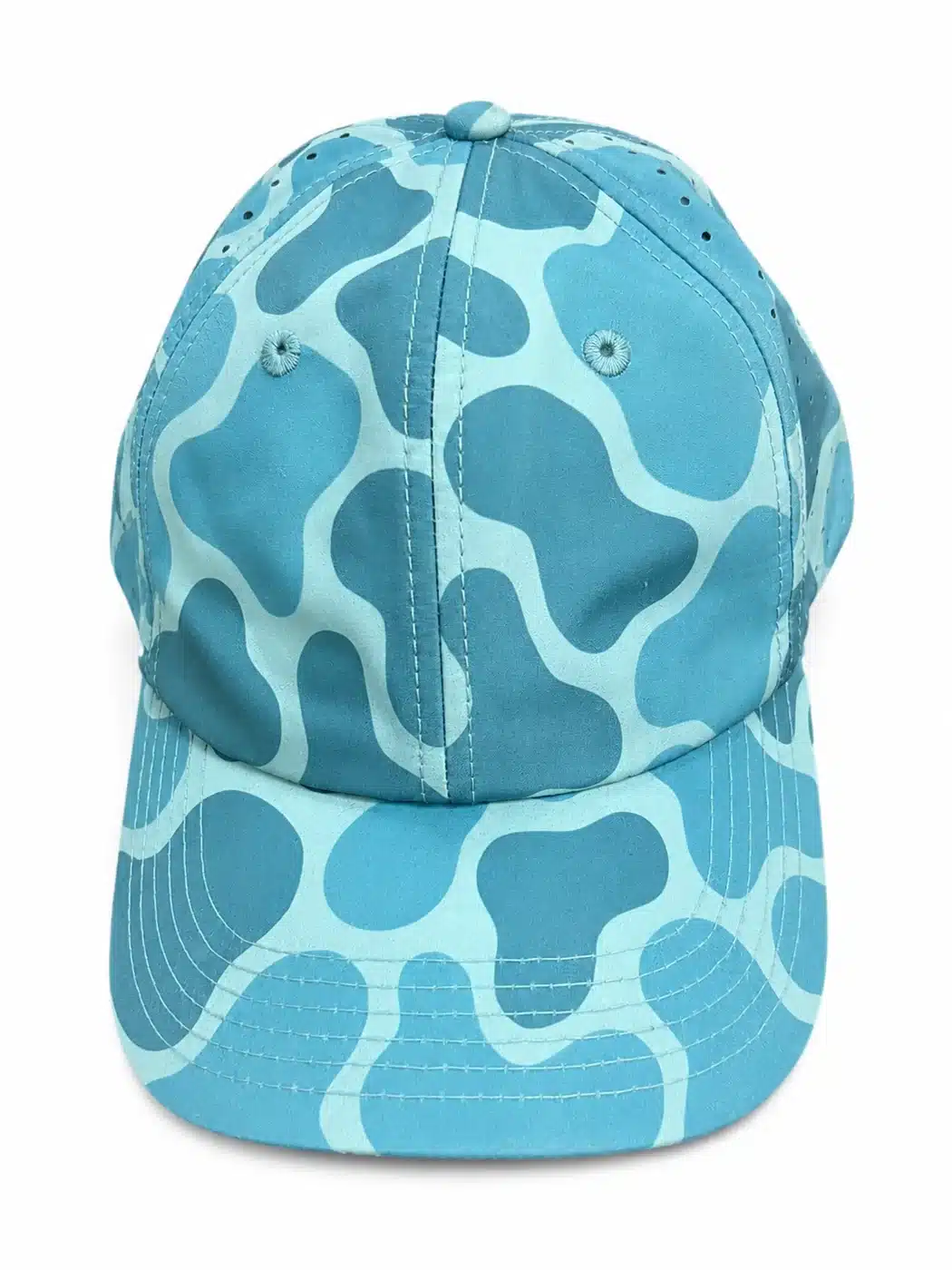
A single total of 3,450 hats is not yet a production order. Split the illustrative quantities into the actual product SKUs:
| Program and SKU | Planned units | What the number includes |
|---|---|---|
| Giveaway cap — blue | 1,540 | 1,500 entitlements + 40 buffer |
| Giveaway cap — green | 920 | 900 entitlements + 20 buffer |
| Retail cap — black | 460 | 450 forecast/committed units + 10 buffer |
| Retail cap — white | 300 | 300 forecast/committed units |
| Crew cap — orange | 230 | Staff, volunteer and sponsor allocations |
| Total | 3,450 | Same units as the program worksheet |
These color splits are hypothetical too. For SN’s regular full-custom hat constructions, the current starting minimum is 100 pieces per style and color; different colors cannot be combined merely to reach that threshold. Certain special constructions, fabrics or components can require a higher minimum, so confirm the specification before locking a SKU. The MOQ planning guide explains the manufacturing side in more detail. The minimum is a feasibility check, not a reason to inflate an uncertain sales forecast. If a low-volume color does not justify its own run, revisit the assortment or discuss a distinct stock-cap-plus-logo route rather than presenting it as full-custom production.
Work backward from when each group needs the hats
“Race date” is not one delivery deadline. Giveaway caps may need to reach packet-packing staff before pickup opens; merchandise stock may need to reach the expo or fulfillment partner earlier still. Crew hats may have to arrive before volunteer orientation. Put the needed-at-location date next to each program in the worksheet, then account for receiving, counting, sorting and any onward distribution.
Confirm the product direction, quantities by SKU, artwork and packaging requirements before sample approval. Allow for revisions, bulk production and transit without treating an indicative production period as a guaranteed event deadline. The custom hat production timeline explains the general stages; your project schedule should be confirmed against the final specification, destination and shipping plan.
Frequently Asked Questions
What if registration remains open after the hat order must be approved?
Set a registration-data cutoff for the initial order. Estimate any later eligible registrations separately, using the event’s own registration pace and the remaining sales window if available. Decide how late entrants will be fulfilled if the estimate is exceeded; do not assume a small repeat run will be available before race day.
Can leftover retail stock cover a giveaway shortfall?
Only if the product and branding match the promised giveaway, the retail units are not already committed to buyers, and the event approves the stock transfer. Record the movement between inventory pools so the same cap is not allocated to both programs.
Should sponsor hats be ordered as a separate SKU?
Not necessarily. If sponsors receive the exact same hat as another group, they can be part of that SKU’s allocation. Different artwork, construction or color makes a separate SKU, even if the sponsor group is small; check its manufacturing minimum before approval.
Turn the forecast into a workable hat brief
Before requesting a quote, keep one version of the quantity worksheet with the intended wearer, style, color, decoration, packaging and required arrival date for each line. Mark which figures are confirmed and which are still estimates. That lets the manufacturer review the proposed SKUs while your team continues to refine retail demand.
If you are developing full-custom race hats, share the worksheet, reference hats and artwork with SN Custom Headwear. We can review the construction and quantity plan with you, identify the open specifications and discuss the next sampling and production decisions—without asking you to pretend that every sales forecast is already final.