
PVC patch hats suit brands that want a dimensional logo, a clean technical appearance, and a decoration that does not absorb moisture like thread-based embroidery. They can work particularly well on performance caps, trucker hats, outdoor headwear, and uniform programs. However, PVC is not automatically the best choice for every logo or every hat.
The result depends on the patch design, crown structure, placement, attachment method, color approval, and how the finished hat will be used. A rigid or oversized patch can fight the curve of the crown. Very fine artwork may lose clarity when converted into molded levels. A finish that looks right on a tactical cap may feel out of place on a soft lifestyle style.
This guide explains the decisions a brand should make before approving PVC patch hats for sampling and bulk production.
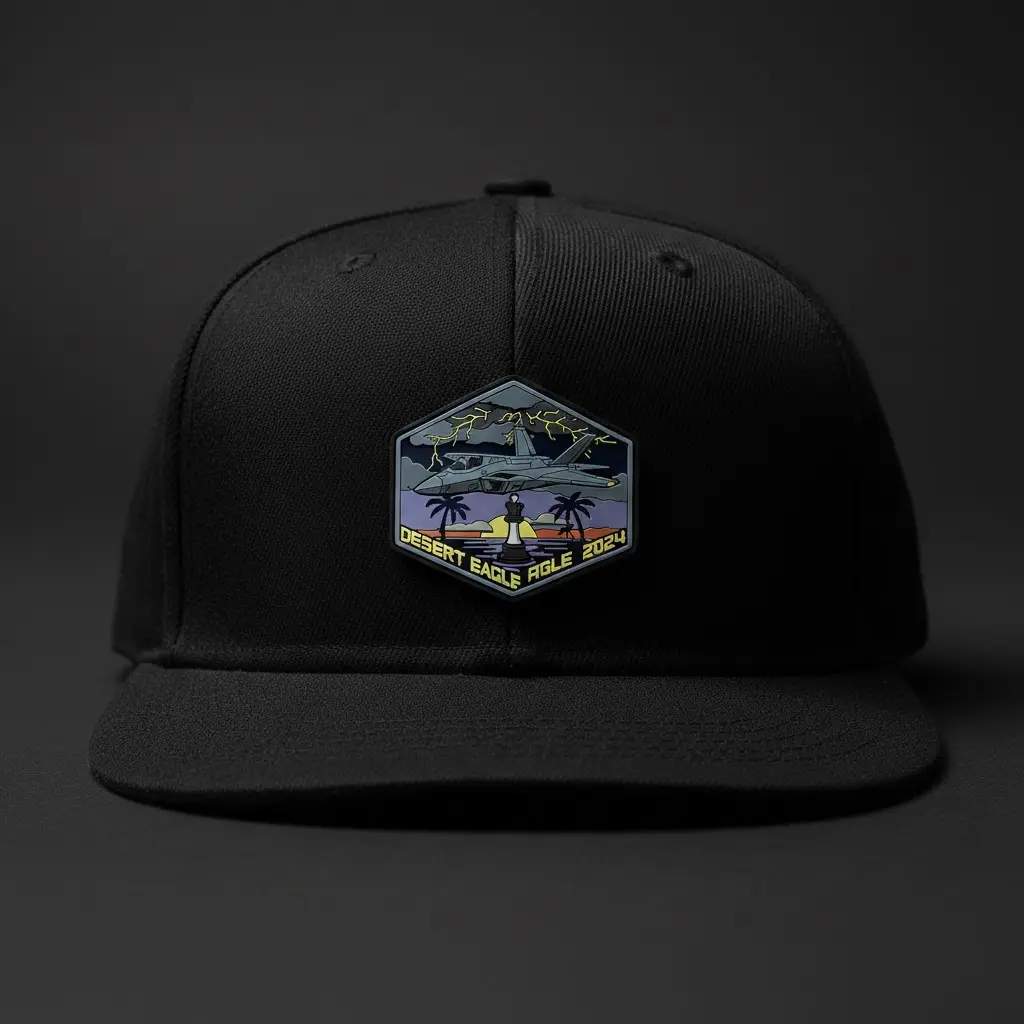
When PVC Patch Hats Make Sense
PVC is a molded decoration rather than a stitched image. Separate color areas and raised levels can be built into the patch, producing a controlled, engineered look. The surface is generally easier to wipe clean than an embroidered logo, and the material itself does not wick moisture in the same way as thread.
That makes PVC worth considering when a program calls for:
- a bold logo with defined color blocks;
- a two-dimensional or layered three-dimensional effect;
- a modern outdoor, sport, workwear, or technical aesthetic;
- a decoration that will be exposed to sweat, light rain, dust, or handling;
- consistent molded details across repeat production;
- a logo that should stand apart from the crown rather than blend into the fabric.
PVC may be less suitable when the desired look is soft, heritage-inspired, understated, or highly textile-driven. In those cases, direct embroidery, a woven patch, or a leather-style patch may support the product story better. The customization options page shows how decoration should be considered together with the hat structure and brand direction.
Start With the Hat, Not Just the Patch
A patch is only one part of the finished product. Its size, weight, flexibility, and edge construction must work with the crown underneath it.
A structured front usually gives a PVC patch a stable platform and helps the logo hold its intended orientation. A soft, unstructured crown can still use PVC, but the sample needs to show whether the patch pulls the fabric, creates a hard spot, or changes how the cap collapses when it is not being worn.
Performance fabrics introduce another consideration. Lightweight or stretch materials can react differently to sewing than heavier twill. A patch that works on a structured trucker front should not automatically be copied onto a thin running cap without testing the attachment and checking the crown from both the outside and inside.

For a new program, confirm the hat style, crown depth, panel seams, ventilation layout, and logo position before developing the mold. Our custom performance hats page outlines the wider construction choices that influence the finished decoration.
Translate the Logo Into Molded Levels
Artwork made for a website or printed label may not translate directly into PVC. Molded decoration relies on physical boundaries between colors and levels. Tiny gaps, extremely thin lettering, delicate outlines, and complex gradients can become difficult to read at hat scale.
The development conversation should cover:
- Overall shape: A compact silhouette is usually easier to position on a curved crown than a long, shallow design.
- Color separation: Each color area needs a clear boundary that can be represented in the mold.
- Letter size: Small text should be reviewed at actual production size, not only on a large monitor.
- Relief: Decide which elements sit at the base level and which should be raised.
- Edge treatment: The perimeter can be designed to support sewing, a recessed stitch path, or another approved attachment method.
- Surface finish: Matte, smoother, or textured surfaces change both the appearance and the way highlights show in product photography.
There is no universal minimum line width that fits every supplier, mold process, patch size, and artwork. Ask the development team to review the actual vector file and return a production drawing before tooling. Simplifying one small element is often better than producing a sample with unreadable detail.
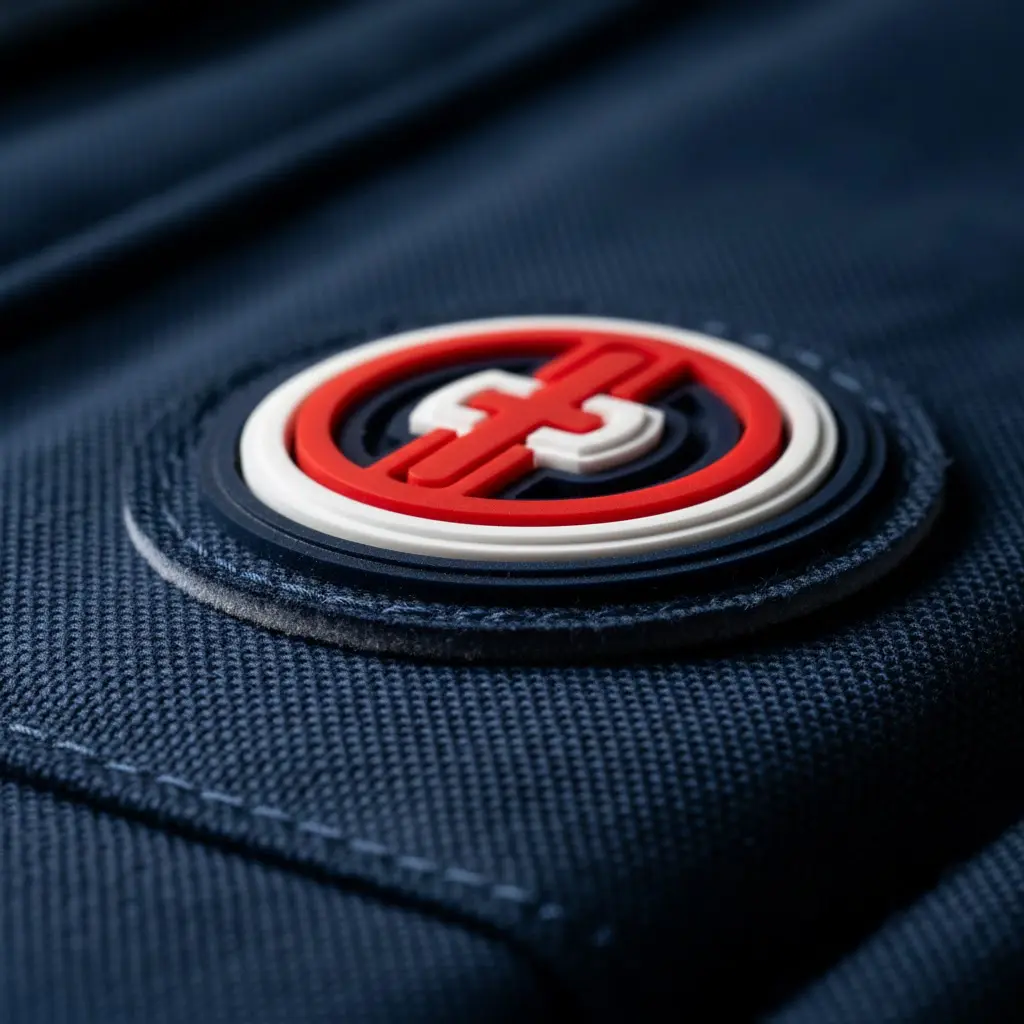
Choose Patch Size and Placement Together
Patch size cannot be approved separately from the chosen cap. The same artwork can look balanced on a tall trucker crown and oversized on a shallow performance cap. Panel seams, eyelets, laser-cut ventilation, rope details, and visor position all reduce the usable decoration area.
Front placement gives the largest visual impact, but side and rear placements can support secondary branding when the patch remains light and appropriately scaled. A rectangular patch also behaves differently from a circular or shield-shaped patch on a curved panel.
Use the physical hat sample to confirm:
- clearance from the visor seam and top crown seams;
- whether the patch sits flat without forcing the panel out of shape;
- logo visibility from the front and three-quarter view;
- whether the edge contacts an eyelet or ventilation opening;
- comfort and thread exposure on the inside of the crown.
The hat patch size guide provides a practical framework for evaluating proportions by hat style, position, and patch shape.
Select an Attachment Method for the Complete Build
Sewing around the perimeter is a common attachment method because the connection can be inspected visually. A molded stitch channel may help guide the seam and protect the thread, but the dimensions should be developed for the selected patch and sewing process rather than copied from a generic specification.
Some projects may use heat-applied or adhesive-assisted construction. Their suitability depends on the patch backing, crown fabric, coatings, pressing conditions, and expected care. A fabric advertised as water-resistant or treated may not respond to heat and adhesive in the same way as standard cotton twill.
Do not choose the attachment method from appearance alone. Ask for a completed hat sample made with the intended crown material. Check the edge after flexing the crown, examine the interior, and confirm that the process has not marked, distorted, or glazed the surrounding fabric.
PVC vs Embroidery, Woven and Leather-Style Patches
| Decoration | Visual character | Works well for | Points to check |
|---|---|---|---|
| PVC patch | Molded, dimensional, technical | Bold color blocks, outdoor and performance concepts | Flexibility, mold translation, edge and attachment |
| Direct embroidery | Integrated, textile, classic | Lettering, symbols and traditional branded caps | Stitch density, seams, crown support and distortion |
| Woven patch | Flat, detailed, fabric-based | Fine lines, smaller text and illustrative graphics | Edge finish, backing, color and attachment |
| Leather-style patch | Warm, tactile, heritage-oriented | Outdoor lifestyle, workwear and understated branding | Material variation, engraving contrast and care |
The table is a design starting point, not a durability ranking. Performance depends on the actual materials and construction. If the main decision is between thread-based options, see our comparison of woven and embroidered patches.
What to Review on the PVC Patch Hat Sample
A digital proof confirms layout, but it cannot show actual flexibility, surface appearance, crown interaction, or sewing quality. Review a physical sample under the conditions that matter to the program.
- Logo accuracy: Compare spelling, shape, color areas, relief and overall proportions with the approved drawing.
- Color: View the patch beside the crown fabric under more than one relevant lighting condition. Molded color and fabric color reflect light differently.
- Flexibility: Put the hat on a head form or wear it to see whether the patch follows the intended crown curve.
- Attachment: Check stitch position, edge security, surrounding fabric and the inside finish.
- Placement: Measure from stable hat reference points and photograph the front and angled views.
- Surface: Look for unwanted marks, inconsistent texture, trapped debris or poorly defined levels.
- Use-specific evaluation: Agree with the supplier on appropriate tests based on expected exposure and care instructions rather than assuming one test applies to every product.
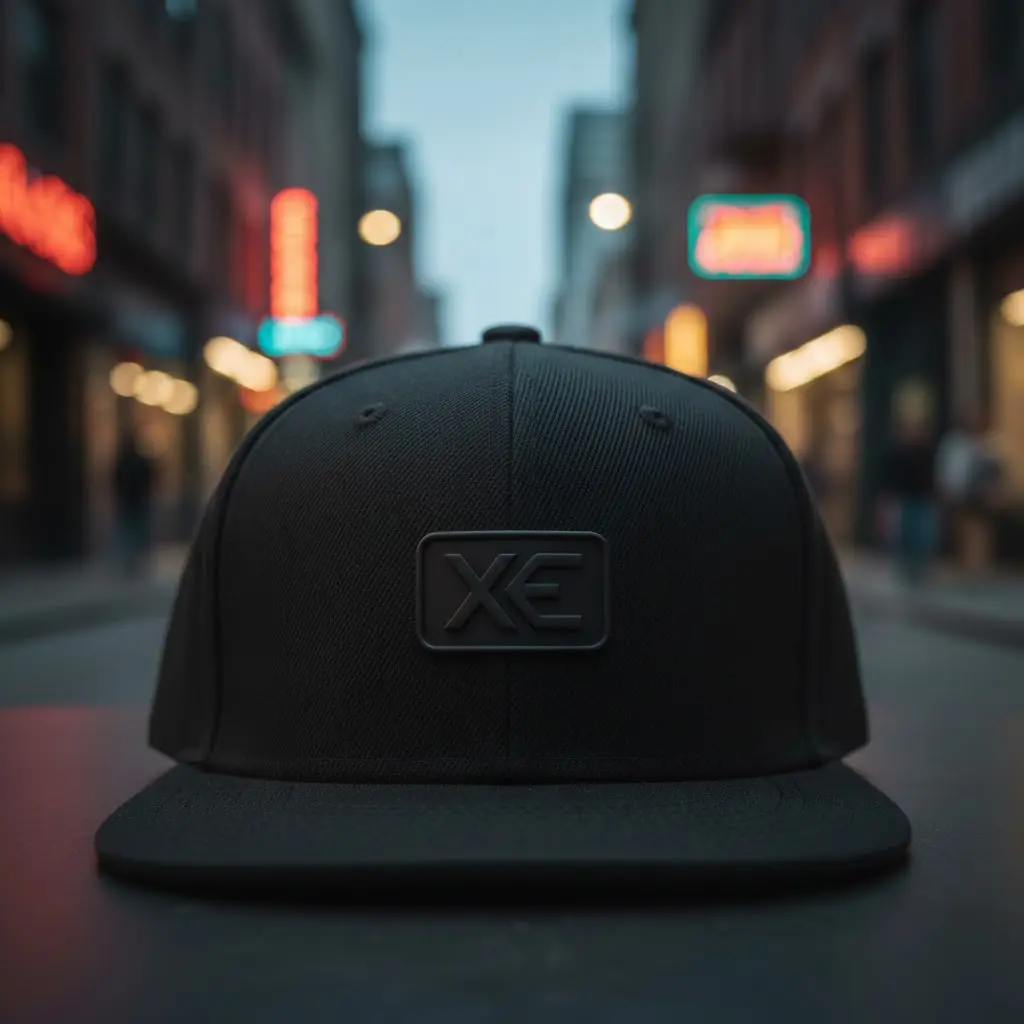
Record approved details in the specification sheet and retain the approved physical sample for bulk comparison. Our development and production process explains how approvals move from the initial brief into sampling and production.
Information to Include in Your RFQ
A useful request for quotation should describe the complete hat rather than asking only for a PVC patch price. Include:
- hat style, crown structure, panel count and intended fit;
- crown and visor materials, including any finish or coating;
- vector logo artwork and reference colors;
- proposed patch dimensions, shape, relief and surface finish;
- front, side or rear placement;
- preferred attachment method, if already decided;
- quantity by color and size or closure variation;
- expected use, market and relevant care expectations;
- packaging, labeling and delivery requirements.
This information allows the supplier to flag construction conflicts before tooling and helps buyers compare quotations on a like-for-like basis.
Frequently Asked Questions
Are PVC patches waterproof?
The molded PVC material is non-absorbent, but that does not make the entire hat waterproof. Water performance also depends on the crown fabric, seams, needle holes and attachment method. Define the intended exposure and evaluate the finished sample accordingly.
Can a PVC patch reproduce very small text?
It depends on the final patch size, lettering, mold process, color separation and relief. Small text that looks clear in enlarged artwork may not remain readable at hat scale. Ask for an actual-size production drawing and simplify the artwork when necessary.
Should a PVC patch be sewn or heat applied?
Perimeter sewing provides a visible mechanical attachment and is common on caps. Heat application may suit some combinations, but the patch backing, hat fabric and any coating must be compatible. Confirm the method on the intended material rather than treating either option as universal.
Do PVC patch hats require a mold?
Custom molded PVC artwork normally requires tooling. The supplier should confirm how tooling is charged, whether it can be reused for reorders, and what design changes would require a new mold.
What should be approved before bulk production?
Approve the hat construction, patch drawing, actual colors, finish, placement, attachment, inside appearance, labeling and packaging on a physical sample. Any later change to the crown fabric, patch dimensions or attachment may require another review.
Plan the Patch as Part of the Hat
The best PVC patch hats are developed as complete products. The patch must fit the logo, the crown and the way the customer will use the hat. When those decisions are made together, PVC can provide a distinctive technical finish without relying on exaggerated durability promises or one-size-fits-all specifications.
If you are developing a full custom program, send the hat style, artwork, target quantity and intended use through our project inquiry form. We can review the construction and decoration together before sampling.