
Scaling custom hat production is not simply a matter of asking a factory to make more units. As volume, SKU count or reorder frequency grows, small ambiguities in the sample and specification become larger operational problems. A scalable program uses one approved product reference, controlled changes, planned materials and repeatable inspection from the beginning.
Define What Must Stay Consistent
Textile products naturally contain some variation, so “make every piece identical” is not a useful production instruction. Instead, identify the characteristics that define the product: crown profile, fit, visor shape, main material, color direction, decoration size and placement, closure, labels and packing.
The physical sample shows the overall result. The written specification records the decisions behind it. Both are needed. Photographs alone can hide material hand feel, inside construction and dimensional differences; a technical document alone cannot communicate the full visual balance of the approved hat.
Stabilize the Product Before Increasing Complexity
A program is easier to scale when the core construction is proven before adding many colors, fabrics and decoration combinations. New SKUs can share a base pattern, but each variation should be reviewed for the changes it introduces. A different fabric may alter crown behavior. A new patch may change front-panel weight. A different closure can affect fit and sourcing.
Classify changes clearly:
- Cosmetic change: for example, a thread color update using the same approved decoration construction.
- Material change: a new fabric, mesh or component that needs compatibility review.
- Construction change: a revised profile, panel structure, visor or fit that requires new product approval.
- Commercial change: a new quantity, packing format or destination that affects planning.
When a change affects the product, create a revised approval reference instead of informally applying it during bulk production.

Plan Materials and Capacity Before the Production Window
Fabric, mesh, closures, thread, labels and packaging may come from different sources. Their availability and minimum purchase requirements can affect the order plan. Confirm which components are stock, which are project-specific and which may need replacement if a supplier lot changes.
Capacity should be discussed in relation to the actual style and delivery schedule. A simple repeat order and a multi-SKU launch may use the same number of units but require very different preparation. Work backward from delivery, allowing time for material confirmation, pre-production review, manufacturing, inspection, packing and transport.
Use an Approval Reference at Every Handoff
Production involves several handoffs: purchasing to cutting, cutting to sewing, sewing to decoration, decoration to finishing and packing. The approved specification should be available where relevant, with controlled artwork files and clear component references.
If the production team discovers that an approved detail is not workable, stop and document the proposed alternative. The buyer should understand the effect on appearance, function, price or timing before the change is accepted. Silent substitutions undermine repeatability even when the first shipment appears acceptable.
Build Inspection Around Product Risk
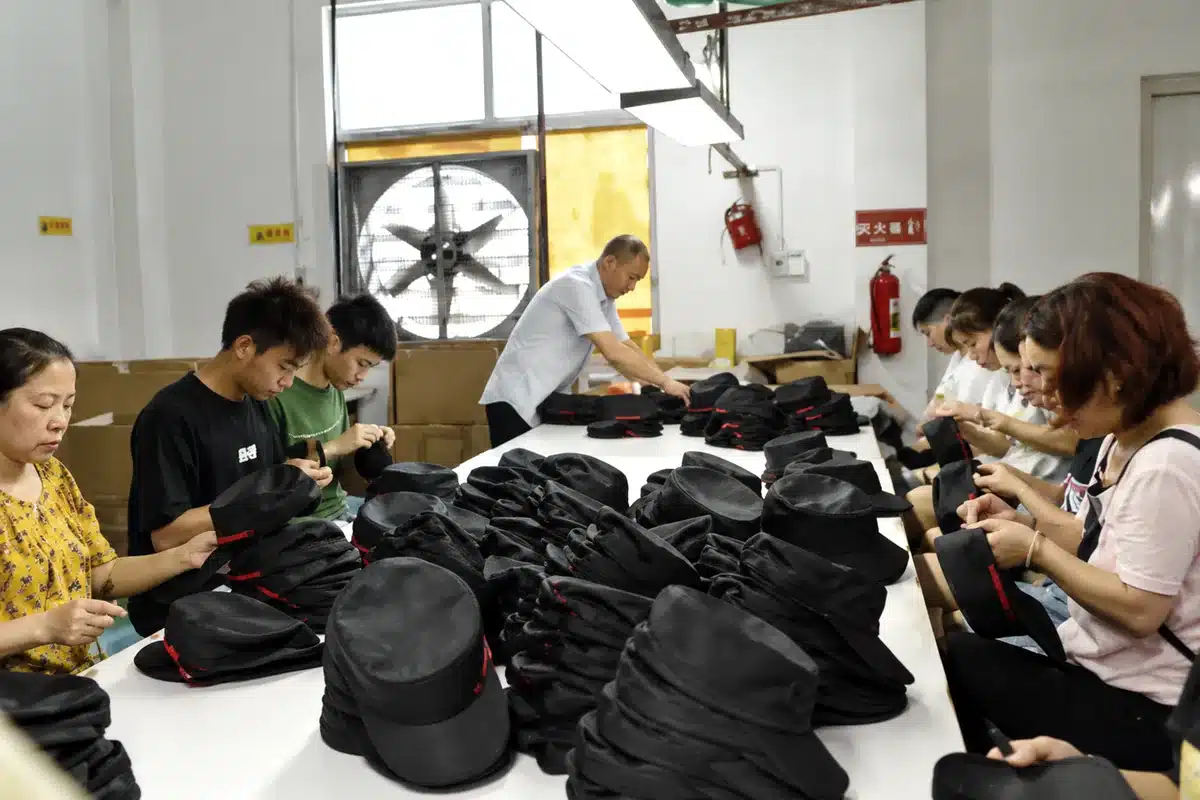
Inspection should focus on the characteristics most likely to affect use or customer perception. For a structured embroidered cap, crown shape, decoration placement and surface distortion may be important. For a performance style, seam quality, ventilation construction and closure function may deserve more attention.
Check representative pieces across the run, not only the first completed unit. Record recurring issues so the cause can be corrected. Final inspection should also confirm quantities, color separation, labels and packing before the goods are handed to the carrier.
Make Repeat Orders Easier Than the First Order
After shipment, retain the approved sample, final specification, artwork version, component references and approved changes. Record which materials were used and whether any supply substitution occurred. This file becomes the starting point for the next order.
A repeat order should still confirm material availability and commercial requirements. “Same as last time” is not enough if a fabric lot, trim supplier or destination has changed. A short pre-production reconfirmation protects the approved product without rebuilding the entire development process.
Scale the Management System With the Order
As the program grows, assign clear responsibility for approvals, version control, production updates and shipment documents. Buyers should know who can authorize a change. Suppliers should know which file and sample are current. This is the operational foundation that allows a successful hat to move from an initial run into a stable product line.
Use a simple SKU register to connect each sellable item with its approved construction, color, artwork and packing. This prevents teams from using a marketing name as if it were a complete manufacturing specification. When one element changes, update the affected SKU and approval status before production is released.
Review our full-custom OEM hat development, the custom hat manufacturing process, and guidance on maintaining consistency across repeat orders.
Frequently Asked Questions
When is a custom hat ready to scale?
It is ready when the construction is proven through a physical sample, the specification is complete, materials and components are available, and the production and inspection plan is understood.
Can a brand add several new SKUs during a repeat order?
Yes, but each variation should be classified and reviewed. A new color may be a limited change, while a new fabric, crown or closure can require a new sample and approval.
What records should be kept after production?
Keep the approved physical sample, final specification, artwork versions, material and component references, approved changes, inspection findings and packing requirements.
Preparing to scale a custom hat program? Share the current product, expected SKU plan and delivery requirements through our project inquiry form.