
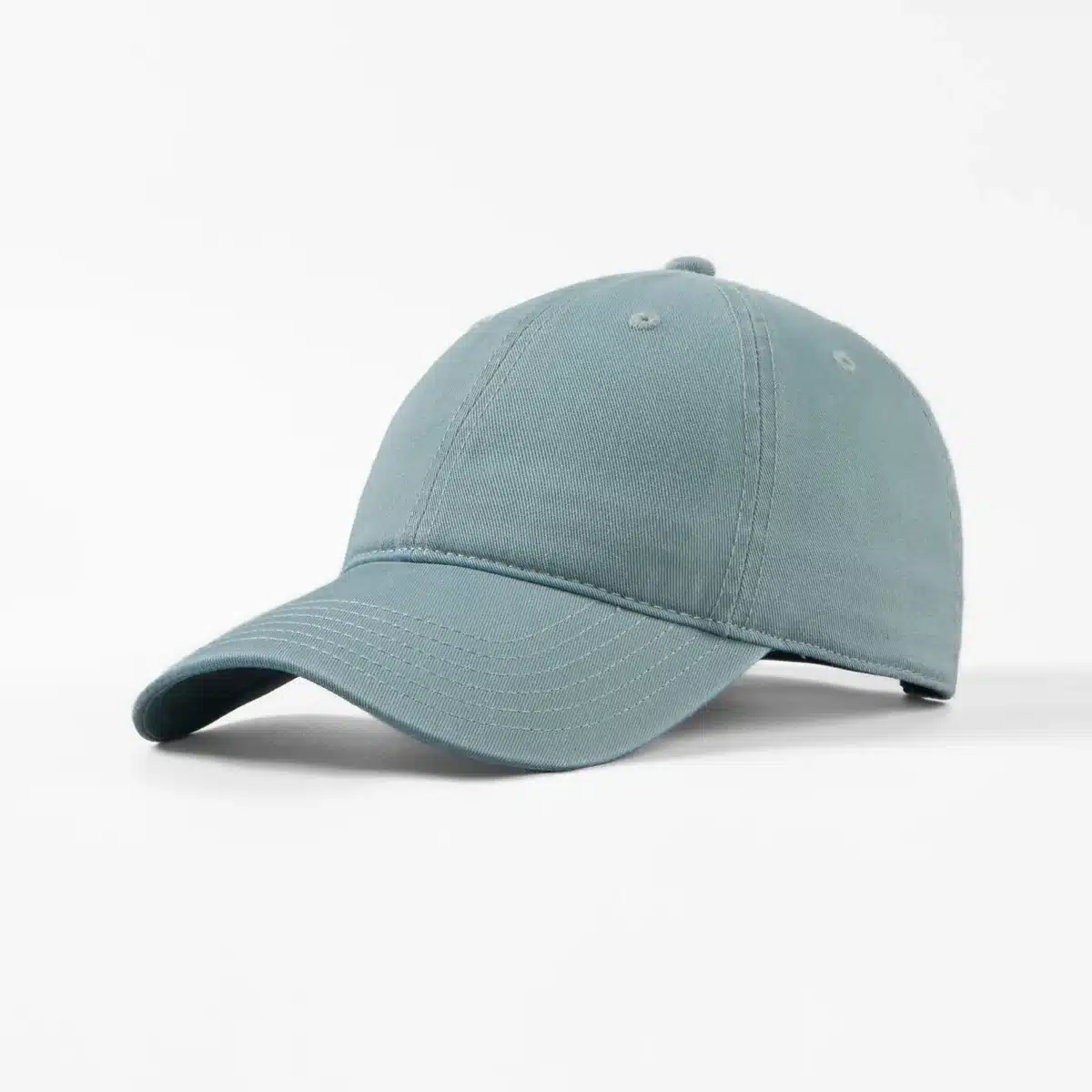
Changing custom hat manufacturers can change the fit even when the new cap looks close to the original. To reduce that risk, give the new supplier an approved physical hat and a written record of its critical dimensions, construction, materials, and branding. Agree on how each point will be checked, compare a new development sample directly with the original, and approve any changes in writing before bulk production. The goal is a defined, acceptable match—not a promise that two factories will produce identical hats.
This guide is for brands moving an established full-custom style, especially one customers already buy or wear repeatedly. It focuses on the transfer decision: what evidence to carry over, what the new supplier must remake, and when a trial sample is ready to become a production reference.
Why switching hat factories can change the finished product
A style name or a front-view photo cannot define a cap. Panel shapes determine how the crown curves around the head; reinforcement changes how the front stands; a sweatband and closure affect contact and adjustment. The visor has its own length, stiffness, and curve. A new supplier may interpret any missing detail differently.
Dimensions matter, but fit is not only a dimension. Two hats with a similar finished opening can sit differently because their crown depth, panel geometry, fabric stiffness, sweatband bulk, or closure position differ. Treat appearance, measurable size, and wearer feedback as three related checks. The Fashion Institute of Technology’s technical design program likewise links pattern development, construction, measurement, fabric properties, and fitting; it does not treat one measurement as a complete fit judgment.
Before asking for a quotation, decide which differences would be unacceptable to your customers. An established retail cap may depend on a familiar low crown and soft front; a uniform program may be more sensitive to a consistent adjustment range. That priority list tells the new supplier what to protect first.
Collect the current product evidence before contacting a new manufacturer
Keep one unworn or well-preserved approved hat as the physical reference. Record its style and version, the approval date if known, and which details were approved. Photograph the front, both sides, back, top, and inside under consistent light. Photos are useful for sharing and version control, but they cannot communicate hand feel or every measurement.
Add whatever product records you legitimately have: a measurement sheet with points of measure, construction notes, bill of materials or supplier codes, approved fabric and color swatches, artwork files, decoration size and placement, label files, and packaging instructions. Mark each item as confirmed, approximate, or unknown. The hat tech pack guide explains how those records can be organized for sampling.
Do not assume that the previous factory’s patterns, embroidery files, or other production files belong to you or must be handed over. Check your agreement and request the files you are entitled to use. If a pattern is unavailable, the new supplier can assess whether a new pattern can be developed from an authorized physical sample and your measurements. That is a development task, not an exact file transfer.
Define what must be measured, seen, and worn
For each control point, specify the measuring start and end points and whether the hat is laid flat, opened, or adjusted. Use the same method for the old reference and the new sample. Agree on any acceptable variation for this particular product rather than borrowing a generic tolerance table.
| Control point | Comparison to record |
|---|---|
| Crown and panels | Front, side, and back crown height; panel layout; front support; seam position; overall profile from several views. |
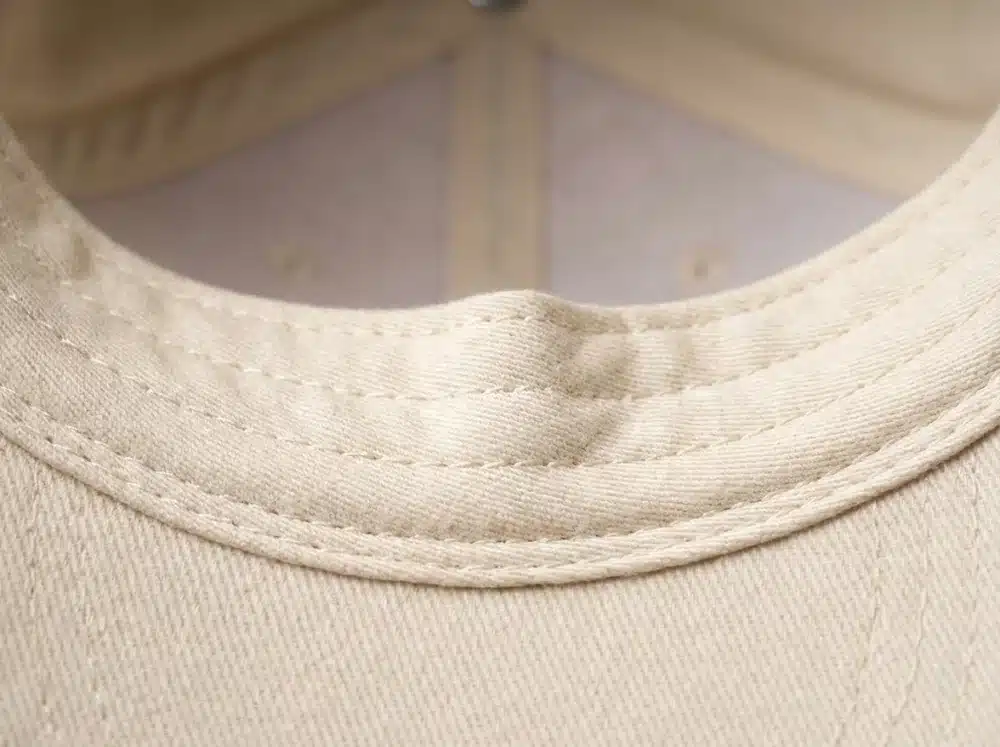
| Opening and fit | Finished opening or target circumference, crown depth, sweatband width and feel, closure type and usable adjustment range. |
| Visor | Length from crown seam to center edge, width, curve, stiffness, and top and underside finish. |
| Decoration | Finished logo size, position relative to seams, method, surface distortion, and color. |
| Inside and packing | Seam tape, labels, loose or bulky edges, fold or packing method, and any presentation detail that matters at sale. |
This is a starting list, not a universal cap specification. A fitted cap may need more attention to size grading, while an adjustable cap needs a careful closure-range check. Record the points that define your established SKU. A panel count alone does not fix crown shape or fit, as the panel construction guide explains.
Ask representative wearers to try the original and new sample under the same adjustment. Capture specific comments—where the band presses, whether the crown sits higher, whether the visor feels different—rather than a single “fits fine” vote. Keep this subjective assessment alongside the measurements; neither replaces the other.
Compare the old hat with a new development sample
Give the new manufacturer a written brief that separates non-negotiable features from acceptable alternatives. Then compare the first development sample side by side with the approved hat. Use the same camera angles and measuring method, and log each difference with a proposed correction, owner, and next sample version.
Start with silhouette and fit. If the crown is too deep or the visor curve is wrong, changing embroidery color will not solve the main problem. Next check fabric, support, sweatband, and closure. Finally compare decoration, labels, and packing. A sample is ready to advance only when the buyer knows which details it actually proves and which remain open. The custom hat prototyping guide covers the broader sample-review sequence.
Avoid comparing a heavily worn customer hat with a fresh sample as if both were in the same condition. Washing, wear, and storage may have changed the older hat. If an unworn approved piece is unavailable, identify that limitation in the review record and use any retained specifications or multiple reference pieces to reduce guesswork.
Confirm materials, decoration, and branded components separately
Matching a fiber description does not prove that the replacement fabric will have the same weight, surface, stiffness, or hand feel. Request a physical swatch or sample of the proposed production material and record the supplier reference when available. Compare it with the approved material under the same light and by touch; a matching composition label alone cannot establish a matching feel.
Apply the same discipline to front-panel support, visor insert, mesh, sweatband, closure hardware, thread, patch backing, and labels. For decoration, compare finished artwork dimensions, stitch or print appearance, placement, and how the method affects the crown. For branding, check the inside label, care or size information where applicable, and packing presentation against the approved reference.
If the old component cannot be sourced, record the proposed substitute and the difference it introduces. Approve it on a physical sample before treating it as equivalent. A color code, composition label, or digital mockup alone cannot settle that decision.
Set a transfer approval gate before bulk production
The brand and new supplier should agree on a specific approval package: the dated physical sample, current measurement sheet, material and component references, artwork version, decoration and label details, packing instructions, and a list of approved deviations from the old hat. Name who may approve changes. If a critical feature changes after sign-off, update the record and decide whether a revised sample is needed.
Before moving the full planned volume, consider a limited trial or an agreed early-production check that compares actual output with the new approved sample. Whether that is practical, how many pieces are reviewed, and which tolerances apply depend on the project and supplier agreement. Do not assume a universal trial size or a guaranteed degree of replication. The wider custom hat production process shows where specification, sample approval, production, and inspection fit together.
The decision to release bulk production should be explicit: the key fit and visual points have been compared, outstanding substitutions are resolved, and the production reference reflects what the buyer actually accepted. If the sample still fails on a defining feature, revise that feature and sample again before release.
Factory-transfer checklist for brand buyers
- Keep a physical approved hat and identify its version and condition.
- List the fit and appearance details customers recognize and rank them by importance.
- Gather authorized measurements, material codes or swatches, artwork, labels, and packing files; flag gaps.
- Confirm which old production files can legally and practically be shared.
- Agree on points of measure, methods, project-specific acceptance criteria, and who approves changes.
- Compare the old and new samples side by side, including a wearer check where fit matters.
- Record each difference, substitution, correction, and approved sample version.
- Release bulk production only against the current sample and written specification.
Frequently Asked Questions
What if we have no original tech pack?
Start with the best preserved authorized hat you have and build a new measurement and construction record from it. Mark what is inferred rather than treating it as an old approved specification. Expect development and sample review to carry more of the verification burden.
Should we transfer every color and size at once?
Not automatically. A fit approval for one size does not prove the grading of other sizes, and a material change in another colorway can affect the result. Review the variants that differ in pattern, fabric, support, or components before releasing them together.
Can the new factory guarantee an identical hat?
An absolute guarantee is not a useful approval criterion for sewn products. Define the characteristics that matter, agree on project-specific acceptance criteria, and compare samples and early production with that record. The buyer can then decide whether the new product is an acceptable continuation of the existing style.
A successful factory change leaves the brand with a clearer product record and a new approved reference, not just a new supplier name. If you are evaluating a transfer for a full-custom cap, share the current hat, the details that must stay familiar, and the records you are permitted to provide. SN Custom Headwear’s full-custom OEM team can review the proposed development scope with you before sampling decisions are made.