

For a Canadian buying program, start from the use, not the style catalog: a retail hat, an event hat, and a staff hat need different style, fabric, and decoration decisions even when they carry the same logo. Shortlist one style per use, plan quantities per style and color — 100 pieces per style and color for most standard constructions — approve a physical sample before bulk production, and confirm destination, shipping, and delivery responsibilities in the quotation, since international shipping and customs are separate from production time.
Who This Guide Is For
This guide is for Canadian brand and retail buyers, distributors and promotional products buyers, event and team buyers, and corporate buyers who are planning a full-custom hat program of 100 hats or more — hats for retail shelves, for events and festivals, for staff and team wear, and for distributor and corporate programs. It is written for programs of 100 hats or more. If you need one decorated hat, this is not the guide for that.
The programs in this guide are full-custom development: the hat itself is built to the program's specification. That is different from decorating an existing blank hat. The distinction matters because it decides what you control — the crown, the fabric, the decoration, the labels — and what you confirm on the sample. Our full range of custom hat styles shows the styles this guide plans around.
The Shortlist: Four Canadian Program Uses, and Which Styles Fit Each
Match the style to the use first. The four uses below are starting points — each shortlist is confirmed on a physical sample before bulk production.
Retail & Merch
A retail hat is bought off a shelf, so it is judged the way any product is judged: profile, fabric feel, closure finish, and the mark all count before the hat is even picked up. A 5-panel camper suits a design-led retail range, where one front panel carries the artwork, and a classic 6-panel baseball cap suits a line meant to stay on the shelf across seasons. A restrained or tone-on-tone mark suits a hat bought for repeated wear; a bold raised mark suits a hat bought to be noticed. Decide the style, the fabric, and the decoration as one combination, and judge the balance on the complete sample.
Events & Festivals
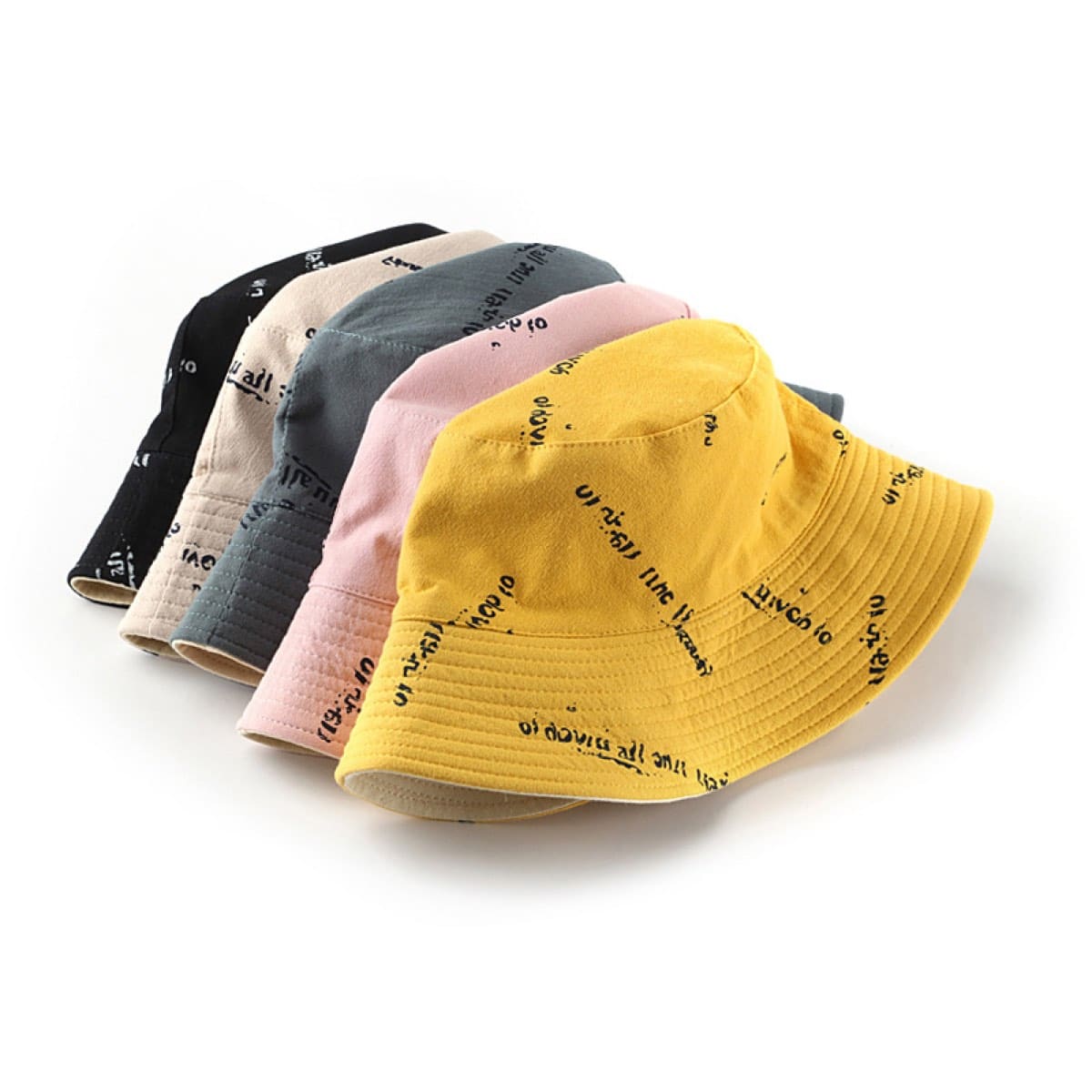
An event or festival hat is worn outdoors for hours, and its job is simple: the brand must read at a distance, in a crowd. A trucker hat suits the booth or the finish line, where one bold front treatment does the work, and a bucket hat suits patios and all-day summer programs, where the brim and the wearing situation decide the details. Keep the front treatment to one strong idea — two competing treatments on one front read as neither. Check ventilation, fit range, and the decoration's balance on the sample, and keep event quantities separate from retail quantities.
Staff & Team Wear
Staff and team hats are worn all day, day after day. Fit range, comfort, and how the closure adjusts matter more here than they do for a giveaway, and they can only be judged by wearing the sample. A 6-panel baseball cap suits indoor staff wear; a performance style suits long outdoor shifts, where a lightweight build and ventilation decide the details. Keep the branding restrained — one front treatment, readable at conversation distance — and plan staff quantities separately from retail and event quantities.
Distributor & Corporate Programs
A distributor or corporate hat carries the brand into someone else's market, so a clean, consistent finish matters more than a loud one. A classic 6-panel baseball cap suits distributor and corporate programs: a structured crown, a restrained mark, and a specification that can be repeated across orders. One construction can serve several programs, but the artwork, colors, and approvals stay separate for each — record each program's style and color combinations as its own SKUs, and approve each program's decoration on its own sample.
Compare the Six Styles
| Style | Where it fits in a Canadian program | Crown, fabric & fit decision | Decoration & mark decision | Quantity & reorder note |
|---|---|---|---|---|
| Trucker hat (mesh back) | Outdoor events and festivals; casual retail | Front material, crown support, mesh, and closure decided together; check ventilation and fit range on the sample | One bold front treatment that reads at a distance; confirm the method suits the front material on the sample | Plan per style and color; event counts stay separate from retail counts |
| Classic 6-panel baseball cap | Evergreen retail; staff wear; distributor programs | Structured crown and fit range decided before sampling; confirm comfort across head sizes on the sample | Embroidery or patch matched to artwork detail; restrained branding suits staff and distributor use | Plan per style and color; one specification can serve retail and staff only if both uses are recorded |
| 5-panel camper | Design-led retail and release drops | Low, unstructured profile; one front panel as the main artwork surface; confirm profile and fit on the sample | Patch or embroidery matched to the artwork; a smaller or tone-on-tone mark can suit repeated wear | Plan per style and color; keep the approved sample and spec as the reorder reference |
| Dad hat / unstructured cap | Everyday retail; staff and team wear | Soft crown and relaxed profile; confirm how the crown sits with the chosen decoration on the sample | Restrained, readable branding; confirm the mark suits the soft front on the sample | Plan per style and color; reorder from the approved spec, reviewing materials and sample need each time |
| Bucket hat | Festivals, patios, summer and seasonal programs | Brim, fabric, and packability decided by the wearing situation; confirm brim shape and fit on the sample | Embroidery, print/transfer, or patch matched to the artwork; confirm on the sample | Plan per style and color; seasonal fabric or artwork updates are reviewed as a new specification |
| Performance style | Staff on long outdoor shifts; active and outdoor events | Lightweight build and ventilation decided by the wearing situation; confirm comfort and adjustment range on the sample | Restrained, readable branding; one front treatment; confirm the method suits the fabric on the sample | Plan per style and color; keep the approved sample and spec as the reorder reference |
How Style, Decoration, and the Mark Connect
The artwork sets the decoration decision. A bold, simple logo and a detailed artwork need different treatments: the method must suit both the artwork and the front material it sits on, and the combination is judged on the physical sample — artwork, method, and profile together. The front material and the crown shape set what the decoration sits on: a structured front, an unstructured profile, and a mesh-back crown each present the mark differently, so the style, the fabric, and the decoration are decided as one combination, not separately.
The decoration options on our decoration and material options page include flat and 3D puff embroidery, woven and embroidered patches, chenille, leather and faux-leather patches, PVC, silicone, and TPU patches, and print and transfer. Which of these suit a given style and artwork is decided when the artwork, the front material, and the crown are reviewed together — and confirmed on the sample. Fabric options — cotton twill, washed cotton, canvas, corduroy, polyester, nylon, and mesh — are decided the same way: which fabric suits a style is a sample-confirmation decision, not a catalog default. Closure options — snapback, fabric strap with a metal closure, hook-and-loop, webbing with a clip, elastic cord with a stopper, and fitted — are decided with the fit range and checked on the sample.
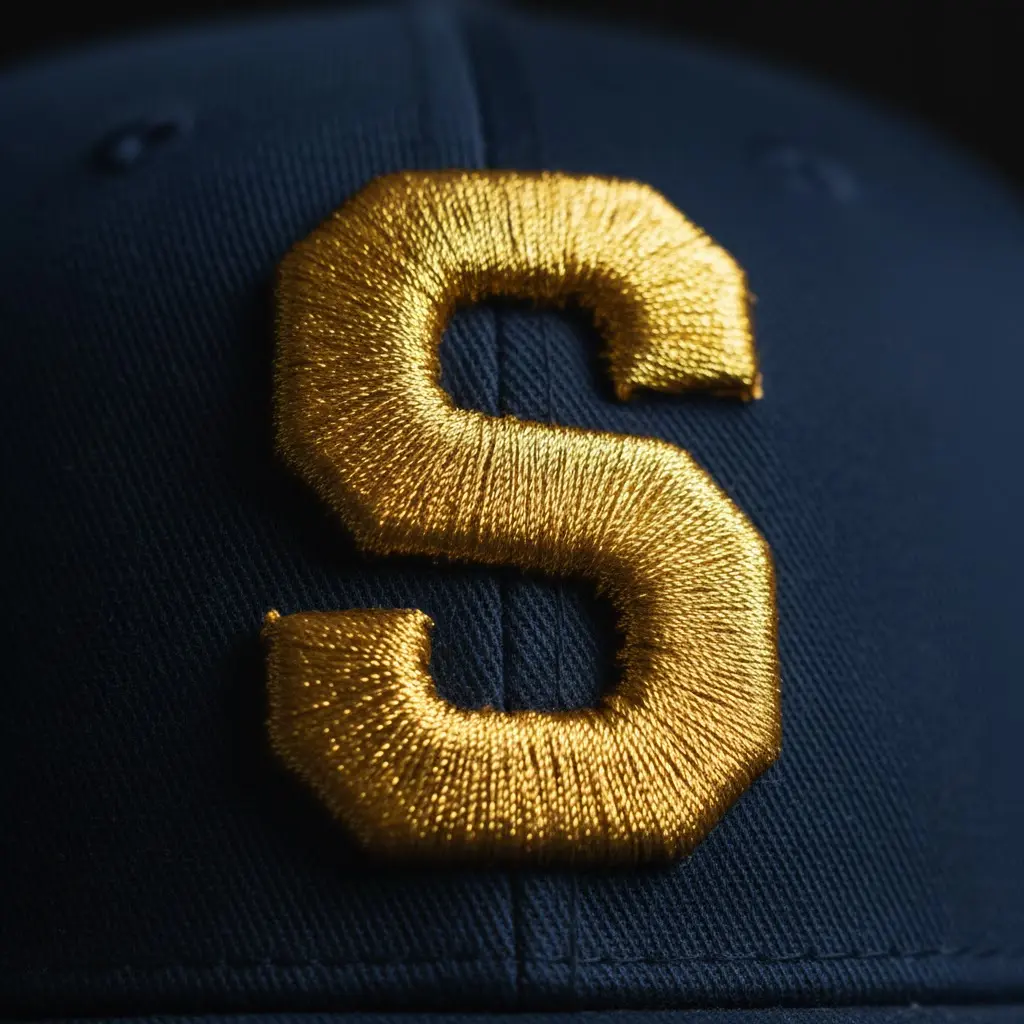
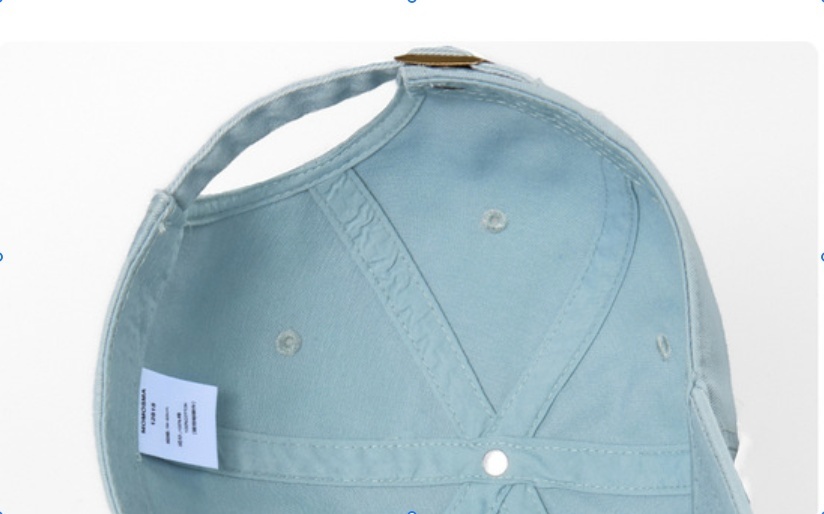
Keep the front treatment to one strong idea. If the program needs a second detail, put it on the side or the back, and check the balance on the sample. Judge the complete hat inside and out — the front, the fit, the closure — and confirm the private-label details before sample approval.
Plan Quantities by Style and Color
Quantities are planned per style and color. The starting MOQ per style and color is 100 pieces for most standard constructions, so each style-color combination is its own block, and multi-style and multi-color programs add up block by block — never as one undifferentiated total. Different uses are planned separately too: retail, event, distributor, and staff quantities are counted on their own, even when they share artwork — and quantity, color, and SKU planning keeps each style-color block recorded as its own SKU.
The applicable minimum is confirmed after the full specification is reviewed — special materials, custom colors, and certain constructions may require higher minimums, and some 7-panel designs may start at 500 pieces per style and color. Seasonal colorways and custom-dyed fabrics are confirmed separately; the standard minimum is not assumed to apply to them.
Coordinate the Destination in the Brief
State the destination and the delivery requirements in the brief, before the quotation is requested. The quotation should clarify what portion covers production, what portion covers transport, and which party is responsible at each stage — that clarification is part of the quotation, not an assumption the buyer makes. Put the required arrival date in the brief as well, so the project schedule is reviewed before it is confirmed.
Confirm any required product information for the destination market before sample approval: label content and format depend on the destination market and sales program. For the delivery side, our guide on DDP shipping mistakes to avoid covers the mistakes that most often cost a hat program time and money — read it before the quotation is finalized, and confirm the delivery details for this order in the quotation itself.
Sampling and Reorder Discipline
Approve a physical sample of the complete hat before bulk production. For a regular project, sampling takes about one week after the specification, artwork, and sample payment are confirmed, and bulk production takes about 30 days after physical sample approval, final specification confirmation, and required payment — our production timeline lays out the full sequence. International shipping and customs time are separate from production time, so the sample and the bulk schedule are counted in production time only. Special materials, revisions, larger quantities, or complex packing may extend the schedule.
Keep the approved sample and the written specification as the reorder reference. Materials, components, quantities, timing, and any need for a new sample are reviewed for each new order — identical materials across orders are not assumed. A seasonal color or artwork update is reviewed as a new specification, with its own sample confirmation where needed, even when the base style stays the same.
What to Send to Start a Program
To start a program review, send the uses the hats are for, the quantities by style and color, the artwork or reference, the destination, and the required arrival date. A logo or reference photo is enough to begin a review; an accurate quotation requires the full specification — style, quantities per style and color, decoration, destination, and the other key requirements.
Start from our full-custom OEM hat program page, which covers the program in full. We reply within 1 business day. SN International is a U.S. company with China-based production coordination, working with B2B buyers in developed markets worldwide.
The Decision, in One Line
That order keeps the decisions in the sequence they depend on: the use decides the style, the style and artwork decide the decoration, the quantities follow per style and color, and the sample decides whether bulk production goes ahead — with the destination confirmed in the brief before any of it starts. Send the program details listed above and request a quote to start a review.
Frequently Asked Questions
Can one hat style serve retail, events, and staff wear in a Canadian program?
Sometimes the silhouette is shared, but the specification usually should not be. A specification written for a retail shelf is built to be judged as a product; a staff specification is built for all-day wear. Compare presentation, wear, labeling, and reorder needs per use first, and record each use as its own style-color SKU.
How do quantities work when a program uses several styles or colors?
The starting minimum applies per style and color — 100 pieces for most standard constructions — so each style-color combination is its own block, and every style in the program carries its own minimum. The applicable minimum is confirmed after the full specification is reviewed; special materials, custom colors, and certain constructions may require higher minimums.
What destination details should a Canadian buyer confirm before ordering?
State the destination and the delivery requirements in the brief, and ask for the quotation to clarify what portion covers production, what portion covers transport, and which party is responsible at each stage. Confirm any required product information for the destination market before sample approval. Transit time, duty, and tax figures are confirmed per order — this article states none of them.
Do hats for the Canadian market need different labels or product information?
Confirm any required product information for the destination market before sample approval — label content and format depend on the destination market and sales program. No Canadian labeling rule is stated here; the details for this order are confirmed before the sample is approved.