
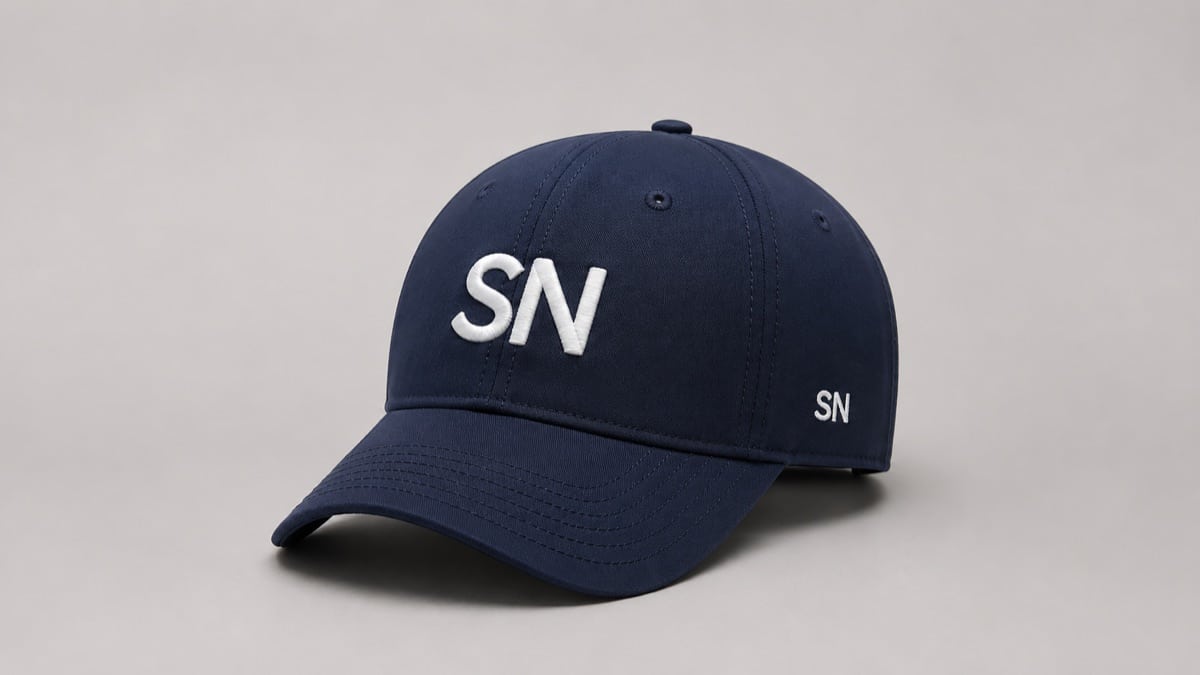
A team can have one logo and three hat buyers: players who need a dependable fit, staff who want an easy uniform piece, and supporters who buy it as merchandise. Treating all three as one order can leave a club with a product that looks coordinated on paper but is not equally useful to wearers. Start with the wearer groups: players need a fit that stays consistent across a season; staff need a color that works with uniforms; fans care about everyday styling and a logo they would wear away from the venue. Then decide whether one construction serves them all. Every style starts at 100 hats per style and color — plan in blocks of 100. Samples take about one week after specifications, artwork and the sample payment are confirmed; bulk takes about 30 days after the sample is approved. Never order bulk before the sample is approved.
This guide keeps the original question — how to write one brief for three wearer groups — and adds the parts the first version left out: a three-group comparison, a brief checklist, a sample approval list and a handoff set. The cap constructions themselves are compared in our baseball cap options.
Player, Staff and Fan Compared
One logo does not mean one set of requirements. The table compares the three groups on the points that decide the brief.
| Decision | Player | Staff | Fan |
|---|---|---|---|
| What matters most | A dependable fit that stays consistent across a season | An easy uniform piece in a color that works with the rest of the kit | Everyday styling and a logo they would wear away from the venue |
| Fit priority | Crown depth, visor profile and closure tested on the players who will wear it | A comfortable, repeatable fit for a working day | An adjustable fit that suits most buyers without a size chart |
| Construction | Structured or soft crown decided by the team, not by the catalog photo | The same construction as the player version, or a simpler one if the brief says so | A softer crown or different closure is acceptable when the brief names it as intentional |
| Decoration | Team mark in the approved position, at the approved size | Team mark plus any uniform or sponsor element the brief assigns to staff | Main logo front and center; extra marks only when the brief asks for them |
| Quantities | Built from actual roster counts, not from a round number | Same rule — count the people, then plan in blocks of 100 per style and color | Built from expected merchandise demand, with its own SKU |
| Sample check | Worn by players at practice, not only on a table | Worn with the uniform, checking color and closure together | Worn by supporters, checking everyday styling and logo readability |
If one construction can serve all three groups, the brief should say so explicitly. If it cannot, the brief should name the differences as intentional — not leave them to be discovered at delivery.
Separate Use from Appearance
Ask when each group will wear the hat. Players and coaches may want the visor and closure to stay consistent across a season; staff may need a color that works with uniforms; fans may care more about everyday styling. These are design considerations, not claims about athletic performance — a cap that looks right in a team photograph still needs a physical fit check.
Write the use case into the brief for each group, in one line each: where the hat is worn, how often, and with what. That stops a supplier from substituting a softer crown for the player version or a stiffer one for the fan version.
Make the Fit Decision Before the Roster Count
Compare structured and softer crowns, visor profiles, and adjustable versus fitted size plans. If a fitted version is requested, build a size breakdown from actual orders and approve size-set samples. For an adjustable cap, test the closure range on intended wearers instead of assuming “one size” covers everyone.
How closures and fit work together is covered in our closure and fit guide.
Record the fit decisions in the brief before sampling:
- Crown: structured or soft, decided per wearer group
- Visor: profile and curve, checked on the worn sample
- Closure: adjustable or fitted, with the adjustment range tested on intended wearers
- Size plan: size-set samples for fitted versions; closure-range tests for adjustable versions
- Version differences: every difference between player, staff and fan versions written down, not remembered
How to write the brief itself is covered in our tech pack guide. The wear-test method is covered in our running hat wear-test guide; the fit questions are the same even when the sport is different.
Decide Who Controls Each Logo
Team marks, league marks and sponsor graphics may have different owners. Confirm permission to reproduce each before sampling and identify which version belongs on which hat. A sponsor added late can change stitch density, print area and cost; it should not be treated as a harmless last-minute text change.
Put the logo rules in the brief, per version: which marks go on each hat, and who approved each one. If a sponsor mark belongs only on the staff version, the brief should say so — otherwise it will appear on every hat in the order. A late change to any mark restarts the sample approval for that version.
Plan Distribution and Reorders from the First Brief
List quantities by wearer group, color, size and delivery destination. If hats will be handed out individually, decide whether each needs a label or bag; if sent to several locations, mark cartons by allocation. Preserve one approved sample and a written specification for the next season.
The brief checklist, in one place:
- Groups: player, staff and fan counts, counted separately
- Styles and colors: each version named as its own SKU, planned in blocks of 100 per style and color
- Sizes: size breakdown for fitted versions; closure-range test for adjustable versions
- Artwork: final files and placement references, with permissions confirmed
- Packing: individual bag or label per hat where needed; cartons marked by allocation and destination
- Reference: one approved sample per version, kept with the written specification
Our MOQ guide explains how the 100-unit minimum works per style and color. The full custom range, for programs that need a construction the catalog does not offer, is on our full custom OEM hats page.
Use One Identity Without Forcing One Product
The team mark can connect several versions, but the buyer should decide which differences are intentional. For example, an adjustable fan cap may share the main color and front logo with a player cap while using a softer crown. If two versions exist, give each a separate SKU and sample reference — and do not let a supplier treat an unapproved blank substitute as equivalent because the logo and color look close in a photograph.
A shared identity is a design decision, not a purchasing shortcut: the color and front logo can match while the crown, closure and size plan differ, as long as the brief names each difference.
Approve the Sample: the Handoff Set
Before bulk approval, assemble a small handoff set: a photo of each finished version, front and side measurements, artwork files, color references and the quantity allocation sheet — and have the person receiving the shipment review it, before the order is produced.
On the sample, check these points before approval:
- Each version worn: players at practice, staff with the uniform, fans in everyday wear
- Version differences: every intentional difference visible on the sample, and no difference that the brief did not name
- Logo placement: each mark in its approved position, at its approved size, on the version it belongs to
- Carton labels: the allocation sheet matching the cartons, so the player hats do not go to the fan shop
- Reference kept: the approved sample and the written spec filed together
The Buying Decision
If the program serves players, staff and fans, decide in this order: wearer groups first, then fit, then logos, then distribution — and approve one sample per version before the bulk order. The purpose is not to put a team mark on the maximum number of hats; it is to make a cap each group is willing to wear.
Send us your group counts, artwork and delivery plan through Request a Quote — we reply within one business day. If you have a reference hat that fits your players well, send it or its measurements with your inquiry so the development conversation starts with evidence.
Frequently Asked Questions
Can one cap serve players and fans?
Sometimes — but only when the brief says so explicitly, after the fit has been tested on both groups. When one construction cannot cover both, develop two versions with separate SKUs and sample references, sharing the color and the front logo.
How do I handle sponsor logos on team hats?
Confirm permission to reproduce each mark before sampling, and write into the brief which version carries which mark. A sponsor added late can change stitch density, print area and cost, so it restarts the sample approval for that version.
What if the roster size changes after I order?
Plan quantities from actual counts, not from a round number, and keep each version as its own SKU in blocks of 100 per style and color. A change in one group changes only that group’s SKU; reorders follow the same rule.