
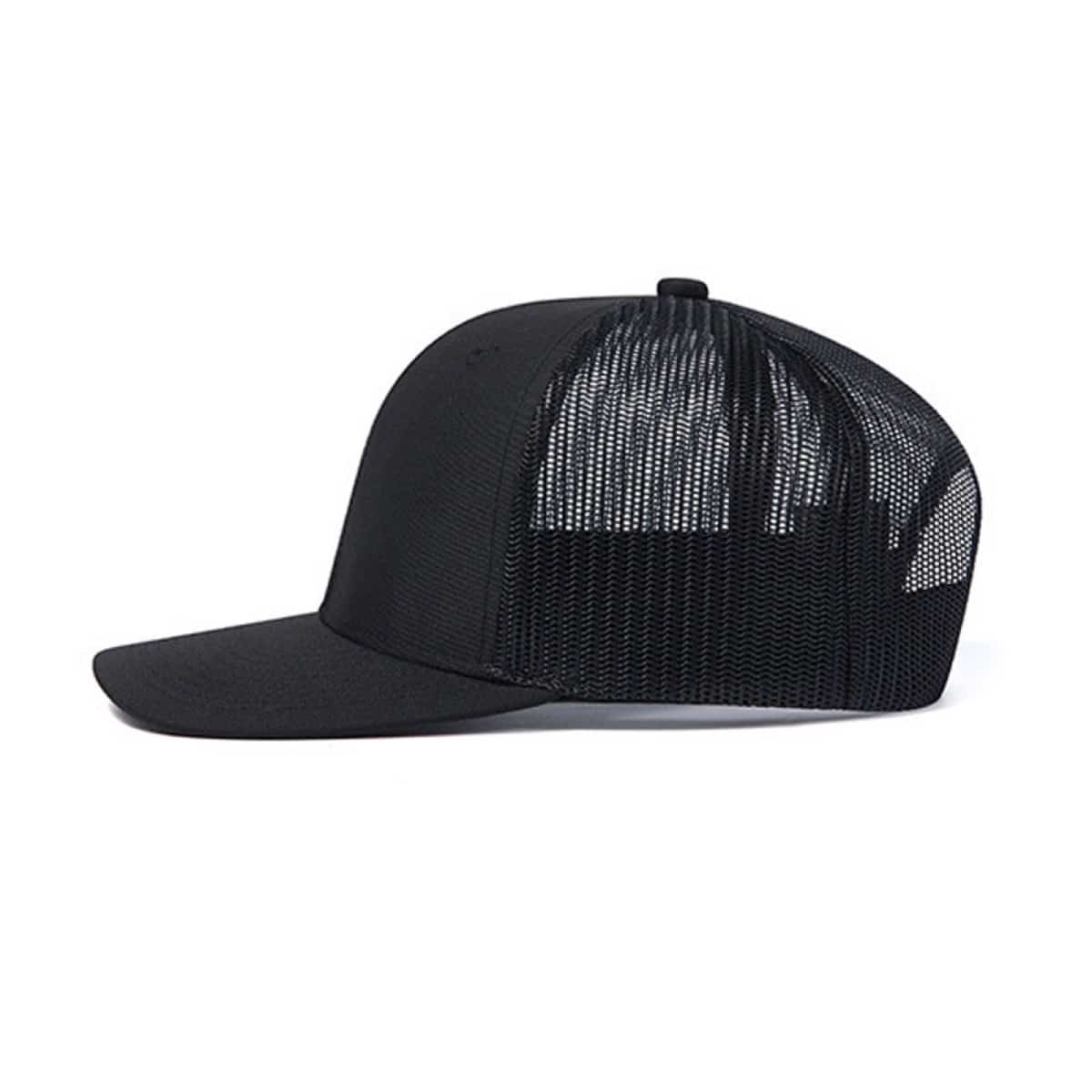
To buy wholesale trucker hats you can reorder, write the specification down, approve one physical sample against it, and keep both on file. Name the front panel, mesh, visor, closure, decoration, labels, and packing in writing — with color references, size records, and photographs of the approved sample — before bulk production starts. The written specification and the approved sample together become the reference every reorder is checked against. Never order bulk before the sample is approved.
This guide is for distributors and brand buyers planning a trucker hat program they expect to reorder. The method is the same whatever the use: decide the route, write the specification, approve the sample against it, and keep the reference.
Settle the Route Before Writing the Spec
In the wider market, one route starts from an existing blank hat that a buyer decorates with a logo. That route controls decoration only: the hat already exists, so a reorder depends on that style staying available and unchanged. This guide covers the other route — full-custom development, where the hat is built to the buyer’s written specification and every detail is decided before sampling and recorded so a reorder can be checked against the same reference. How full-custom development differs from decorating an existing hat matters because the route decides what the specification must lock.
A detail missing from the written specification will not be checked, so the specification comes before the sample, and the sample before bulk.
What a Repeatable Spec Records
A style name such as “classic trucker” locks nothing. A repeatable specification is a written list the sample is judged against and the reorder is built from. Record each item before sampling.
- Front panel: material, shape, number of panels (five-panel, six-panel, or other project-specific construction), structured or unstructured direction, and front support (buckram, foam, or other support).
- Mesh: type, hole size, stretch, recovery, hand feel, and color, selected for the construction and ventilation requirements; how the mesh joins the front panels.
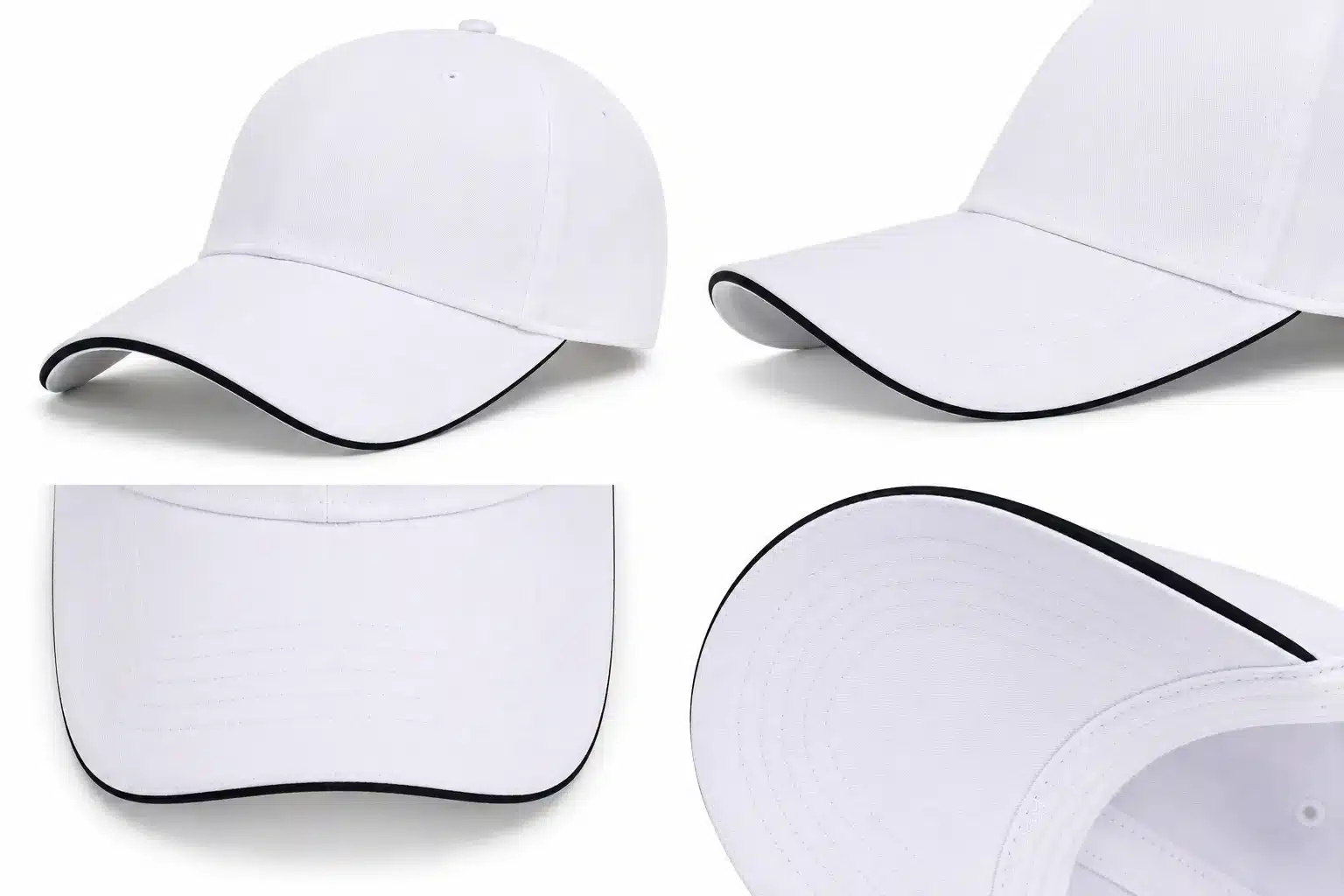
- Visor: profile, curve, edge shape, stitching, and underside treatment.
- Crown finishing: top button and seam finishes.
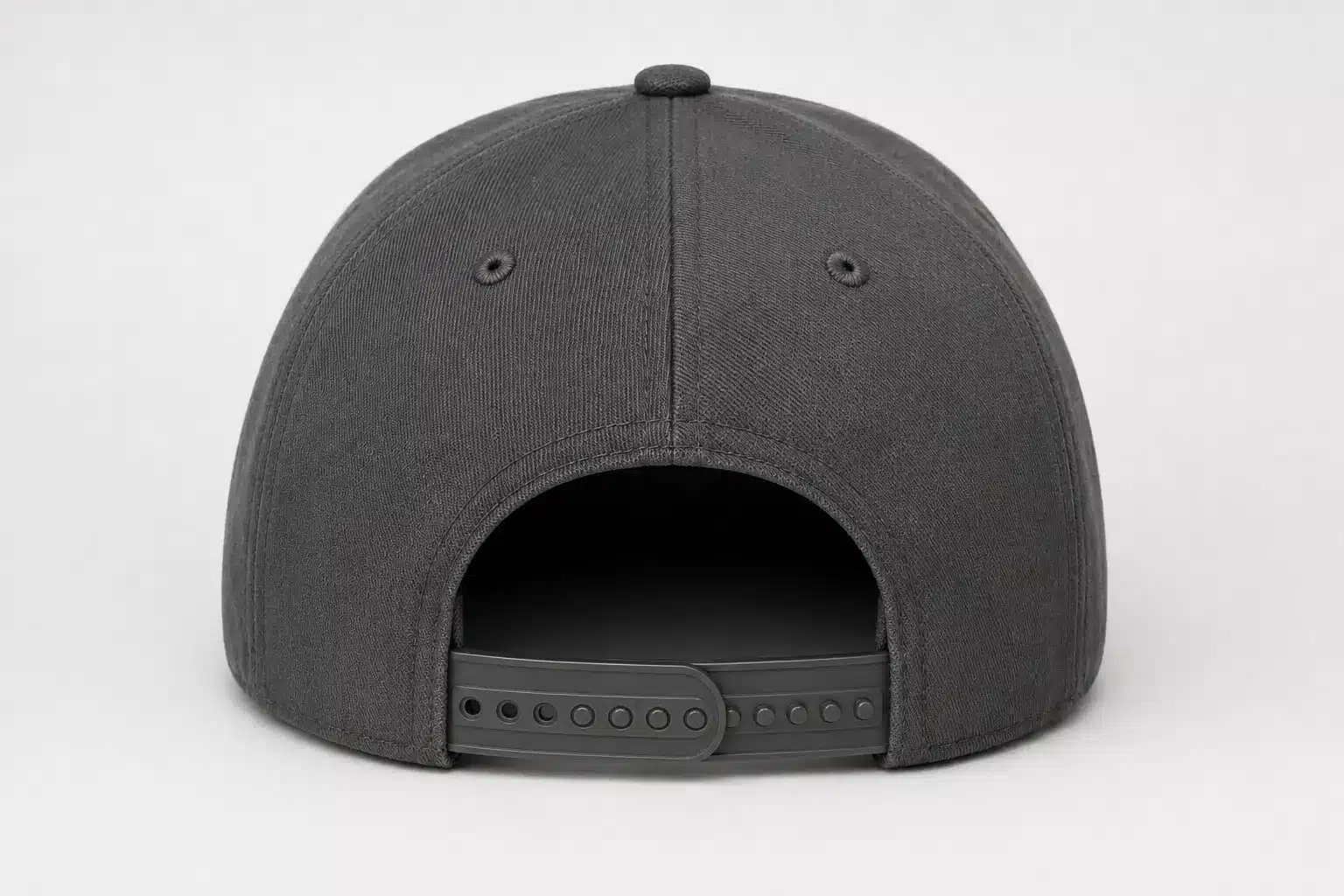
- Closure: style, adjustment range, and finish — chosen from snapback, fabric strap with metal closure, hook-and-loop, webbing with clip, elastic cord with stopper, or fitted/closed back.
- Decoration: artwork version, finished size, placement, thread or print references, and method — flat embroidery, 3D puff embroidery, embroidered and woven patches, chenille patches, leather or faux-leather patches, PVC/silicone/TPU patches, or printing and heat transfer.
- Labels and packing: inside label, hangtag, and barcode data where the program needs them; packing direction — loose, individually bagged, or sorted by destination — and carton labeling.
- Photographs and size records: photographs of the approved sample from the front, side, back, and inside; measurement points recorded with the agreed method for each, so later measurements compare like for like.
Count quantities by style and color: each style-color combination is its own block and SKU, so one style in three colors is three blocks, not one order. The starting minimum is 100 pieces per style and color for most standard constructions; some 7-panel constructions may start at 500. The applicable minimum is confirmed after the full specification is reviewed. See our guide to planning quantities, colors, sizes, and SKUs and our MOQ guide for how the count and the minimum work.
Check the Sample in the Right Order
Start with the elements that influence the whole product, then move to decoration and finishing details. Compare samples at the same decoration stage: an undecorated hat and a finished embroidered hat are not equal fit references, because decoration changes how a front panel sits. For a regular project, sampling takes about one week after the specification, artwork, and sample payment are confirmed. Our custom trucker hat styles page shows the range this method plans around, and our trucker hat sourcing guide covers what to ask before sampling.
1. Confirm the References First
Put the latest specification, artwork, color references, and messages in one file, confirm which version is current, and resolve any conflict between versions before approval. Confirm what the sample represents: which details are approved, which are provisional, and what will be checked again later. Sample-stage materials may be temporary if disclosed in advance. Do not review from memory.
2. Crown Shape, Profile, and Symmetry
View the hat from the front, side, rear, and above: intended height and angle, a straight center line, and a visor sitting level under the crown. For a structured front, look for a clean surface without unwanted collapse, sharp creases, or visible reinforcement edges. Judge the shape against the approved reference and the intended wearer.
3. Fit and Closure Function
Wear the sample at several adjustment positions, noting crown depth, pressure around the sweatband, the rear opening position, and whether the closure sits comfortably. Where possible, have people resembling the target wearer try it. Work the closure through its usable positions: parts should engage cleanly, and closure color, shape, and rear finishing should match the approved direction.
4. Fabric, Mesh, and Color
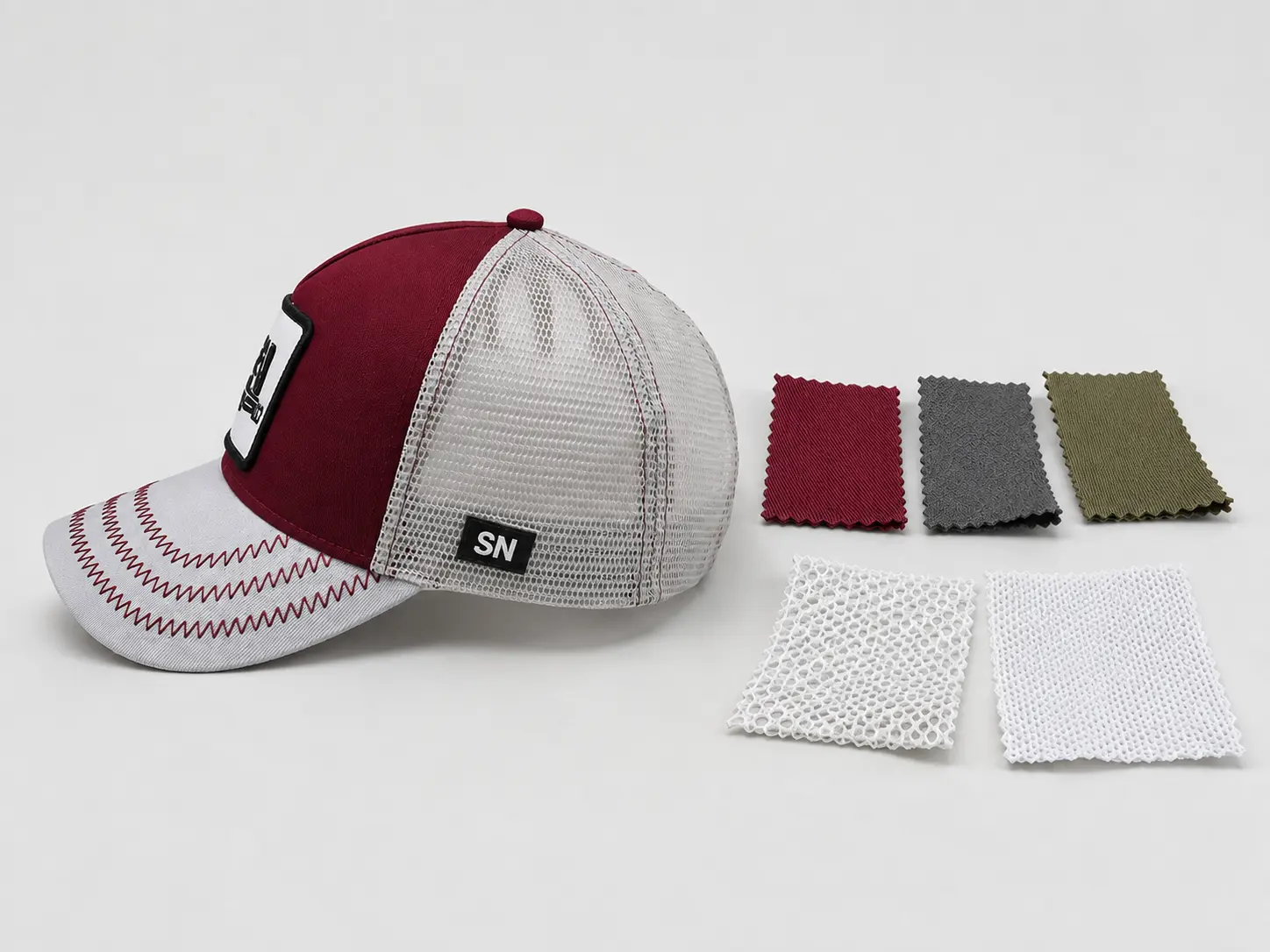
Handle the front panels and mesh separately: texture, flexibility, recovery, and comfort near the ears. Neither heavier material nor softer mesh is automatically better — the combination must support the required shape, decoration, and end use. Compare colors under agreed lighting against the agreed physical or coded reference, and decide whether the result should be a close match or a deliberate contrast: different fibers and textures can make the front, mesh, thread, and closure read differently even when their color direction is similar.
5. Visor From Every Angle
Check visor width, length, curve, symmetry, edge shape, stitching, and how the visor joins the crown, from the top and the underside. Stitch rows are part of the design specification, not a universal quality score: what matters is even rows, a smooth cover, a clean edge, and a visor that behaves as intended.
6. Decoration on the Actual Crown
Compare the decoration with the approved artwork, and judge how it works on the hat: scale, placement, alignment, thread or patch color, small-detail readability, edge finishing, and any puckering or distortion around the logo. A design clear on screen may need adjustment across a center seam, on a supported front, or close to the visor.
7. Inside, Labels, Measurements, and Packing
Turn the hat inside out and check panel seams, seam tape, reinforcement, sweatband attachment, labels, thread ends, and rough contact points. Confirm label details, orientation, and position against the current files, plus hangtags, stickers, barcodes, and bag markings. Record measurements with their method — a measurement from one point cannot be compared with one from another — and photograph the tape or ruler position when clarification is needed. Finally, confirm the packing direction protects the crown, visor, and decoration.
Compare What Each Stage Locks
Sampling, bulk production, and reorder are three different decisions. Bulk production takes about 30 days after physical sample approval, final specification confirmation, and required payment; international shipping and customs time are separate.
| Stage | What gets locked | Checked against | What must be re-confirmed next time |
|---|---|---|---|
| Sample | Construction, fit, materials, colors, decoration, labels, and packing direction as one wearing product | Written specification, artwork, and color references | Anything marked provisional or awaiting confirmation, and any sample-stage material disclosed as temporary |
| Bulk | The production run, to the approved sample and the final specification | Approved sample, final written specification, and required payment and approvals in place | Whether bulk materials and trims match the approved references; no substitution without approval |
| Reorder | Nothing automatically — the reorder starts from the retained reference and is confirmed as its own order | Retained sample, written specification, and dated change notes, plus a new confirmation or sample where needed | Materials, quantities, timing, and any need for a new sample, reviewed for each new order; identical materials and pricing across orders are not promised |
Write Revision Feedback the Supplier Can Act On
Combine feedback into one numbered document instead of sending separate changes through different channels, marking each item approved, needs revision, or remains open, and using direct instructions and marked photographs where position or shape is difficult to describe. “The logo is wrong” leaves too much to guess: a clearer note names the artwork version, the current and requested finished size, the direction of movement, and what must remain unchanged. If one change affects another — a larger patch reduces the visible crown space, for example — review the combination rather than approving each detail in isolation. Hold bulk authorization until every note is resolved — the final sample status and the written specification must match each other.
Audit the Reorder Against the Same Reference
Before placing a replenishment order, compare the new sample or pre-production confirmation against the retained reference on the same points the first sample was judged on: crown height, panel stiffness, mesh shade, visor curve, closure finish, and decoration position. Note any approved change by date on the specification — without dated notes, a reorder can quietly drift away from the approved hat. A style number alone does not prove the product is the same; only checking the product that will actually arrive does that. If the reorder fails the audit, hold the bulk order until a corrected sample is approved. Confirm bulk materials and trims against the approved references, and require approval before any substitution. How inspection levels are described in more depth is covered in our quality-control guide. For reorders, the approved sample and written specification are the starting reference; materials, quantities, timing, and any need for a new sample are reviewed for each new order, and identical materials and pricing across orders are not promised.
If You Buy for Several Clients
For distributors handling several end clients, keep each client’s artwork, approvals, and packing instructions separate. The same verified construction can support multiple programs, but each client’s style-color combinations are separate SKUs, each decoration is approved on its own sample, and packing and carton labeling stay per client. Sharing a construction saves development time, but approvals must stay separate.
What to Send to Start
To start a specification review, send the intended hat style, visual references, artwork, materials and colors, decoration details, target wearer, estimated quantities by style and color, destination, and required arrival date, marking which details are fixed and which need development recommendations. A logo or reference photo is enough to begin a review; an accurate quotation requires the full specification: style, quantities per style and color, decoration, destination, and the other key requirements. We reply within 1 business day. SN International is a U.S. company with China-based production coordination, working with B2B buyers in developed markets worldwide. Send the details above through our contact page.
The Decision, in One Line
Decide the route, write the specification, approve the sample against it, and only then approve bulk — and keep the sample and specification on file, because the reorder is checked against them.
Frequently Asked Questions
What order should I check a trucker hat sample in?
Crown shape, profile, and fit first, then materials, mesh, and closure, then the visor, decoration, inside, measurements, and packing. That order prevents approving a polished logo on a hat whose shape or fit is still wrong.
Can I approve a sample from photos or video?
Photos and video can confirm visible revisions quickly, but they cannot fully show fit, hand feel, mesh comfort, visor stiffness, closure operation, or exact color. Check fit on a real head before approving bulk.
Does an approved sample guarantee every bulk hat will match exactly?
No. The sample and specification define what the bulk run should match, while production controls and inspection manage variation. Agree the requirements and how they will be checked, confirm bulk materials and trims against the approved references, and require approval before any substitution. For a reorder, materials, quantities, timing, and any need for a new sample are reviewed for each new order.
How should I write sample revision feedback?
Combine it into one numbered document, marking each item approved, needs revision, or remains open. Name the artwork version, the current and requested finished size, the direction of movement, and what must remain unchanged, with marked photographs where position or shape is difficult to describe. Review combinations together when one change affects another, and hold bulk authorization until every note is resolved.