
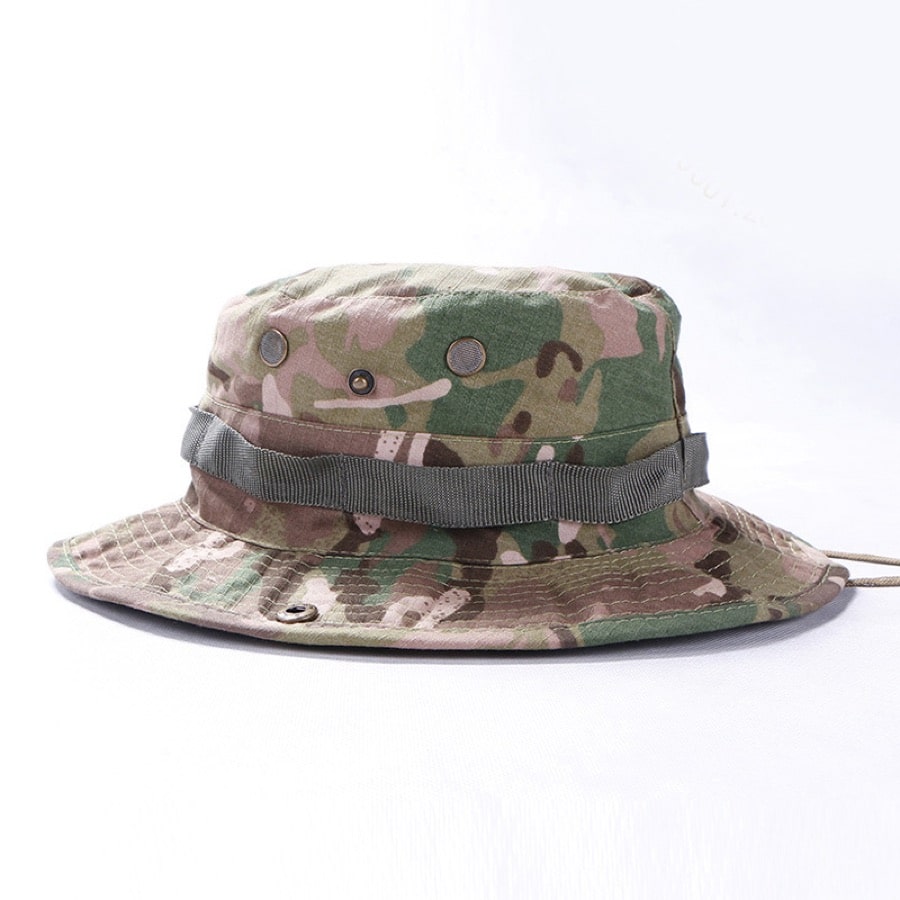
For a group sun hat program, choose the shape on a worn sample before the logo is fixed: visor, bucket hat or wider brim. The shape decides the visible coverage, the fit, the packing and the branding space — and a logo cannot fix a shape the wearers will not keep on. “Sun hat” describes a reason for buying, not a single construction, so approve each shape on its own finished sample.
Start with the wearer and the use case
Write down who will wear the hat, where, and for how long, before choosing any detail. A short event giveaway, a staff uniform and a paid retail item may call for different compromises. A visor leaves the crown open; a bucket hat has a softer downward brim; a wider-brim shape can add a chin cord. Ask prospective wearers which silhouette they would actually take home, and have staff try the samples with the uniforms or eyewear they use — wearer feedback can reveal a crown that sits too high or a brim that interferes with sight lines, problems that do not appear in a product-only image. Record the intended use in the brief before the logo is discussed.
The five decisions to make on the sample
Use this table as the brief-building framework: one decision per row, with a different test for each shape.
| Decision | Visor | Bucket hat | Wider brim | Check on the sample |
|---|---|---|---|---|
| Brim shape and coverage | Front visor only; crown open. | Softer downward brim around the full crown. | Wider brim around the full crown; cord if included. | On the worn sample, what does the brim cover, and does the edge enter the view? |
| Fit and size range | Band contact and closure carry the fit. | Crown depth and how the soft crown sits. | Crown depth plus brim width and angle; check sight lines. | A size-set tried on real wearers; the band sits securely. |
| Crown and ventilation | Open crown; fit depends on the band. | Soft crown; check how it holds its shape. | Deeper crown; check how it sits with hair or headwear. | Openings and seams are even and clean; claim only what the sample shows. |
| Decoration and logo placement | Front band area is limited; a large logo can crowd the band. | An oversized patch can pull the soft crown; approve weight and position. | Approve decoration weight and position on the fit sample. | Decoration reviewed on the sample: position and weight. |
| Quantity planning | Count by wearer group and handout site. | Count by style and color, plus a reserve. | Count by station or destination, plus a reserve. | Confirm each style-color line starts at 100 pieces. |
Measure the brim as a shape, not a single number
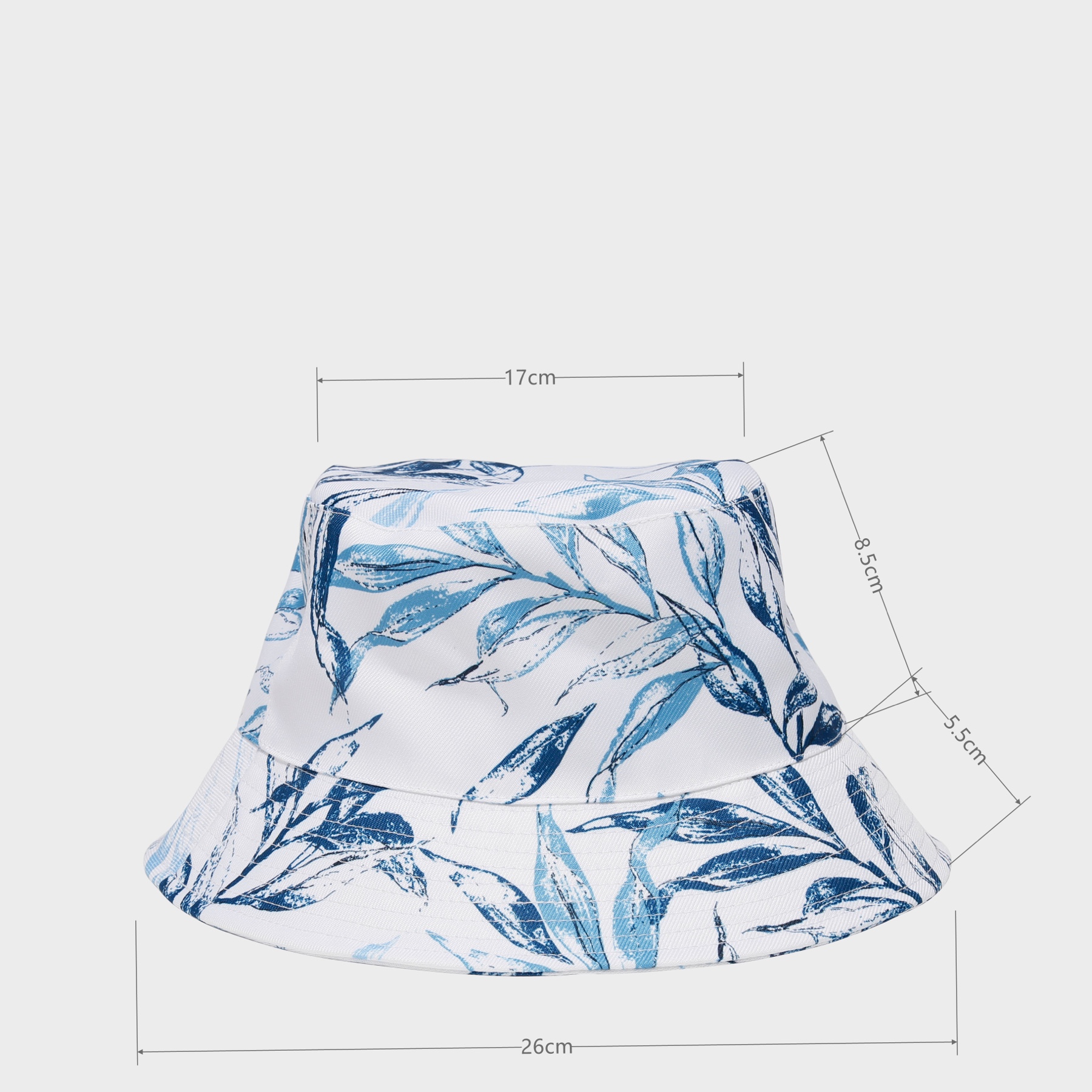
Ask for front, side and worn views of the same sample, and record the brim width at several points rather than one measurement. Note its angle, edge finish, and whether the brim holds its shape after handling and packing. A wider brim changes the silhouette and the packing volume; it is not, by itself, proof of a quantified sun-protection rating, and any such claim needs test records for the actual finished product. Set the three shapes side by side and compare crown depth, band pressure, brim width and angle, and weight in hand. For a visor, inspect the band contact and closure, because the open crown shifts the fit decision to the band. For a soft brim, check how the shape behaves after packing. Record the dimensions of the selected sample rather than ordering from a style name alone.
Test fit and size range on real wearers
Fit is where a shared brief fails first, because the three shapes cover the group in different ways. For a visor, the band and closure carry the whole fit decision, so try it on several wearers and watch for pressure, slip and whether the closure holds once adjusted. For a bucket hat or wider brim, compare crown depth and the inner band on real wearers, and note how the hat sits with hair, eyewear or other gear. If multiple sizes are planned, approve a size-set rather than assuming one sample scales perfectly. The closure and fit guide explains how to judge fit and adjustment on a sample before bulk approval. Neither check needs a number in the brief — only the method: who tries the sample, for how long, and what counts as a pass.
Choose between visor, bucket and wider brim
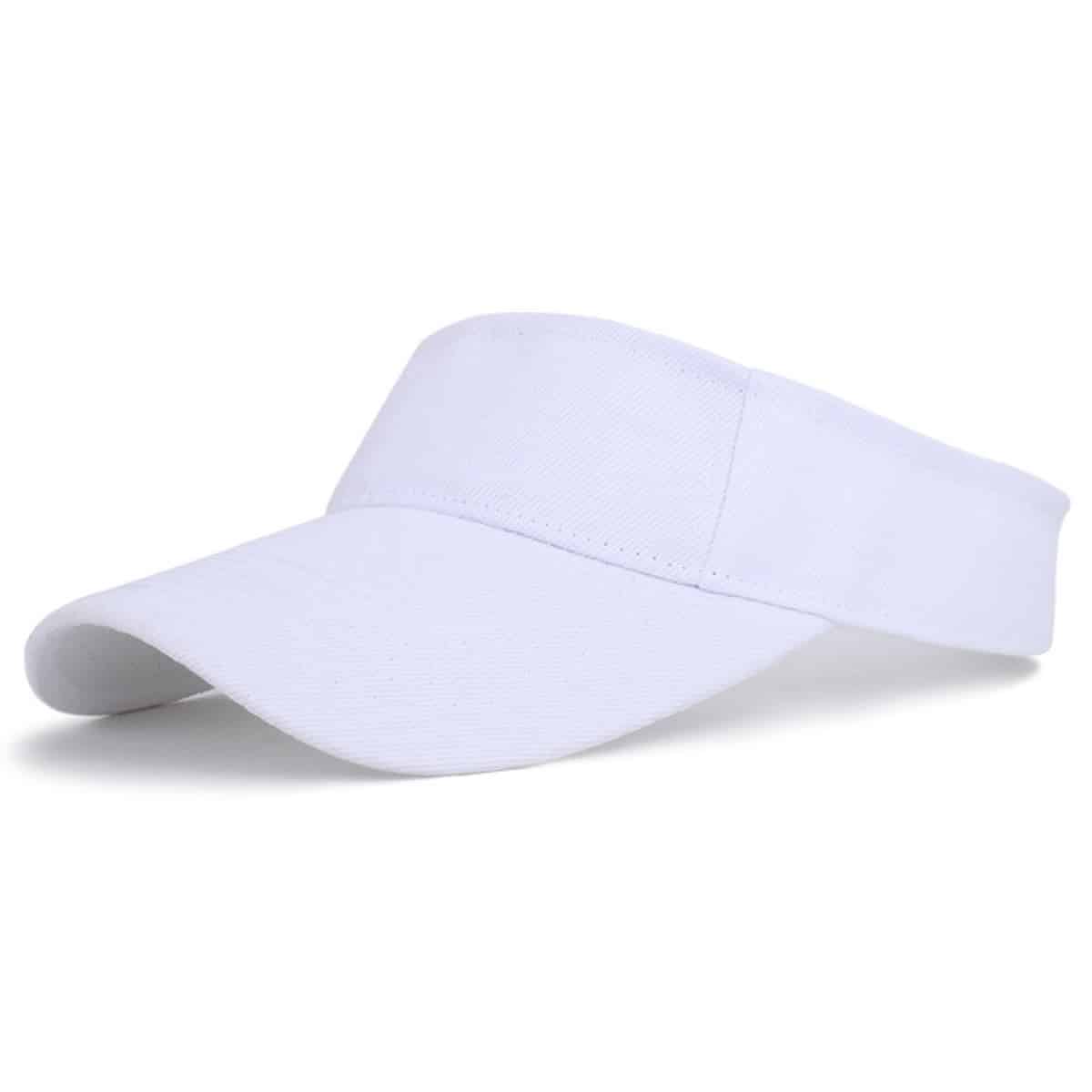
A visor suits a wearer who wants the crown open and the front shaded — an active crew or a short event where the hat is handed out and worn for hours. A bucket hat suits a mixed group that needs all-around coverage with a softer shape that packs down. A wider brim suits a program where coverage is the point and the hat is worn outdoors all day; the boonie hats guide works through brim shape, fit and chin cord for that shape in full. A woven straw version is a different construction again — the straw hats guide covers weave, brim shape and bulk packing for that material. Do not infer that a wide brim automatically proves a stated protection rating; visible coverage and a tested claim are separate questions, and the claim needs evidence for the selected fabric or product before it appears on packaging or a sales page.
Put decoration where construction allows it
Once the form is chosen, identify the area that is visible while worn. A large front logo on a visor can make the band feel crowded; an oversized patch on a soft bucket crown can pull its shape. Approve decoration weight, edge finish and position on the same finished sample used for fit evaluation, and keep decoration clear of seams, closures and ventilation openings. Check the back of the embroidery or patch for loose threads and stiff backing. If a buyer needs a verified protective claim, request test records for the selected fabric or product before putting that claim on packaging or a sales page, and decide early who approves product claims and what documents they require. Design and decoration routes are set out on the customization page.
Count quantities by style and destination
Count quantities by style-color line, not by total hats. Each line — one style in one color — starts at the standard 100 pieces. Example: one bucket style in two colors is two lines, so the starting quantity is 200 pieces, and each line carries its own decoration and packing. Show the lines in the brief, not only a single total. For a program that mixes shapes, keep each shape as its own line even when the logo is the same: a visor line and a bucket line are different specifications with different packing. For repeat programs, keep a size and style allocation table with the approved samples. The quantity, color, and size plan guide works through this line-by-line method in full.
Record the decisions in the tech pack
Record the chosen reference hat for each shape, which details are approved, and which still need a physical sample decision. The tech pack is the document the order is made from, so it should carry the brim reference, the size-set, the decoration position and the packing destination — not a description of the hat in general terms. The tech pack explains what a complete pack contains and how to check it before approval. For a multi-location order, state whether the hats need sorting by style and size, and whether each destination needs its own carton marks. A packed sample can reveal creasing and brim deformation that an unpacked showroom sample will not, and these details belong in the purchase specification because they affect the recipient’s first experience with the hat.
A group sun hat order is ready when each shape is approved on a worn sample, the size range is approved as a set, and the decoration sits where construction allows. If any of those is still open, the next sample — not the bulk order — is the right step. Share the intended use, the wearer groups, the shape reference and the decoration direction through the contact page, and the next sample can address the decisions that matter.
Frequently Asked Questions
Can one group program mix visor, bucket and wider-brim shapes in a single order?
Yes, if each shape is its own style-color line with its own quantity, decoration and pack-out. Approve each shape on its own finished sample and keep the size and style allocation with the approved samples. Each line starts at the standard 100 pieces.
What if the group wants a sun-protection claim on the hangtag or product page?
Only with test records for the selected fabric or finished product. Visible brim coverage is not a protection rating, and a claim printed without evidence has to be withdrawn later. Ask for the records before the hangtag artwork is approved.
What if a repeat order needs more of one shape and less of another?
Start from the size and style allocation table kept with the approved samples, not from memory. Change the quantities line by line and record the new allocation with the samples so the next reorder follows the same split.