
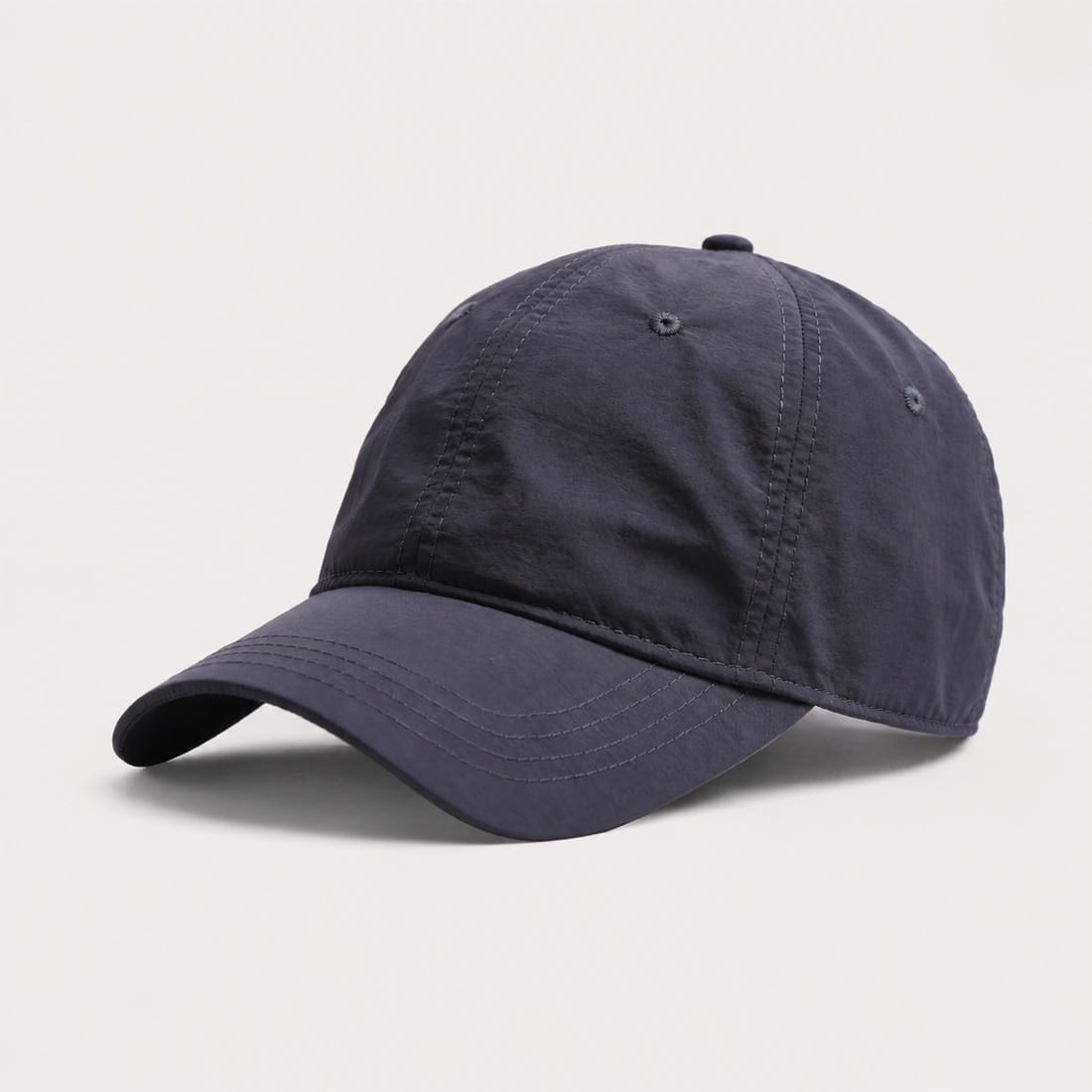
“Women’s hat” is a merchandising label, not a measurement. A buyer can order a smaller-looking cap and still miss the intended fit if the crown is too shallow, the visor proportion is wrong, or the closure has too little adjustment. For a brand or group program, the better question is which head sizes and style preferences the collection needs to serve. The answer is a fit range, not one modified cap: measure the fit variables on the sample, offer more than one size strategy, and test the range on real wearers at both ends of it. Every custom style starts at 100 hats per style and color, so plan each one in blocks of 100. Samples take about one week after specifications, artwork and the sample payment are confirmed, and bulk takes about 30 days after the sample is approved. Never order bulk before the sample is approved.
This guide keeps the original question — how to build a fit range instead of a stereotype — and adds the parts the first version left out: a size-strategy comparison, a fit spec checklist, a sample approval and wear-test list, and a sample brief that can be repeated. The full range of cap constructions is on our custom baseball caps page.
Test Fit Variables Separately
Measure the internal circumference range, crown depth, front-panel height and visor length of the samples under consideration. Try them on more than one intended wearer. Note where the lower edge sits, whether the crown leaves excess space, and whether the closure reaches a comfortable position. If a sample is labeled “women’s,” ask for its actual measurements rather than using the label as evidence of fit.
Record each measurement in the spec before sampling:
- Internal circumference range: the smallest and largest head the cap must fit, measured on the sample
- Crown depth: how deep the crown sits on the wearer
- Front-panel height: how tall the front reads on the wearer, not only on a table
- Visor length and proportion: how the visor sits and whether it still looks in proportion at both ends
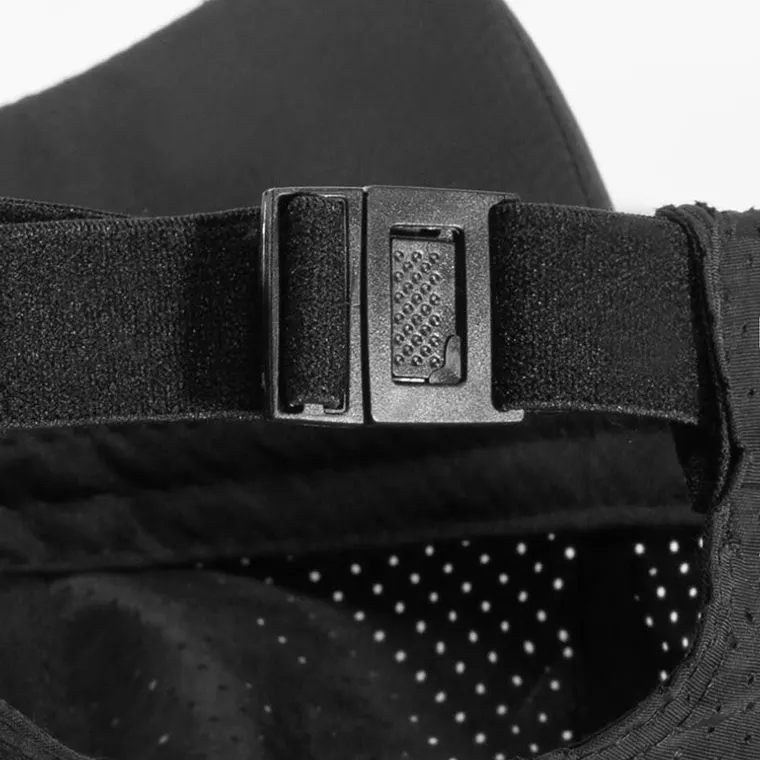
- Closure: type, adjustment range and finish — and whether it stays neatly finished at both extremes
- Decoration: artwork size and placement checked against the crown that will actually carry it
A size strategy is a product decision; it should not be hidden behind a gendered label. How closures and fit work together is covered in our closure and fit guide.
Size Strategies Compared
One construction cannot always cover a whole range comfortably. The table compares the four size strategies on the points that decide a program.
| Size strategy | Who it covers | Best for | Sample check | Watch out for |
|---|---|---|---|---|
| One-size adjustable | Most wearers, through the closure’s adjustment range | Group orders and retail where one SKU must cover the range | Check the closure at both ends of its range, neatly finished | A single crown depth cannot suit every head — test both extremes |
| Two-size range | Smaller and larger ends of the audience, as two options | Programs where one size keeps failing at an extreme | Fit-test both sizes on wearers at each end | Two sizes means two SKUs — plan each in blocks of 100 |
| Fitted sizes | Wearers who want a fixed size with no adjustment | Retail ranges sold by size | Measure the internal circumference range on the sample | No adjustment to absorb a sizing miss — the measurement must be right |
| Mixed range (cap + visor) | Wearers who prefer a full crown and wearers who prefer an open crown | Retail collections and group programs with mixed preferences | Test both silhouettes on the same wearers | Two constructions to approve — keep the sample brief separate for each |
If one construction cannot cover the range comfortably, consider two size options or a different closure. The table is a planning framework: the fit session is where the strategy is proven, not the catalog page.
Give Buyers a Meaningful Style Choice
A soft unstructured cap and an open-crown visor serve very different preferences — and so does a structured cap with a deeper crown. The right assortment depends on the audience and intended use, not a universal rule about what women like. For a retail collection, test a small set of visibly different silhouettes rather than several nearly identical colors of one untested shape.
- Soft unstructured cap: a relaxed crown that sits low; suits everyday retail where comfort matters more than structure.
- Open-crown visor: the fit decision sits at the band and closure; suits warm weather and sport, where a full crown is not wanted. The visor places the fit decision at the band and closure; a full-crown cap has a different fit problem.
- Structured cap with a deeper crown: a defined front profile; suits a program where the logo area and the crown shape matter.
An A-frame is a fourth option where a tall front panel suits the logo. The fit, crown and decoration detail is in our A-frame hats guide. The seven baseball cap types and how each fits are compared in our baseball cap types guide.
Keep Decoration in Proportion to the Product
Front embroidery, patches and side marks change the visual balance of a smaller or lower-profile crown. Mock-ups can help compare options, but approve the decoration on a finished sample. Check whether a dense logo creates stiffness or pulls a soft panel. A smaller crown leaves less room for a large mark — set the artwork size against the crown that will actually carry it.
If the brief calls for performance properties, request material documentation or relevant tests before describing the product as moisture-wicking, quick-drying or UV protective. A performance claim needs evidence behind it.
Write a Sample Brief That Can Be Repeated
Record the actual measurements and the approved wearer feedback, then keep the selected sample with artwork and color references. “Make it more feminine” is too vague to reproduce in bulk; “reduce crown depth by the approved sample difference and retain the same closure” is a usable instruction.
The brief is the document the sample is judged against — if a detail is not in it, it will not be checked. How to write one is in our tech pack guide; the MOQ rule is in our MOQ guide.
Approve the Sample: Test the Range Rather Than the Average
A fit session should include people at the smaller and larger ends of the intended audience, not only one person near an assumed average. Test the hat by wearing it: fit, the band and how the cap feels only show up when it is worn. The wear-test method is in our running hat wear-test guide; the fit questions are the same even when the sport is different.
On the sample, check these points before approval:
- Both extremes: the cap tried on by wearers at the smaller and larger ends, not only the average
- Closure at both ends: the closure reaching a comfortable position and staying neatly finished at each extreme
- Crown space: whether the crown leaves excess space or perches, on each wearer
- Visor proportion: whether the visor still looks in proportion at both ends of the range
- Decoration on the worn cap: logo size, stiffness and pull checked on a finished sample, not a mock-up
Retail buyers should record returns and wearer comments after launch, not invent those outcomes before selling. In the first round, the evidence is the physical sample and structured feedback from likely wearers — save it with the production reference so any later adjustment responds to a documented fit problem.
The Buying Decision
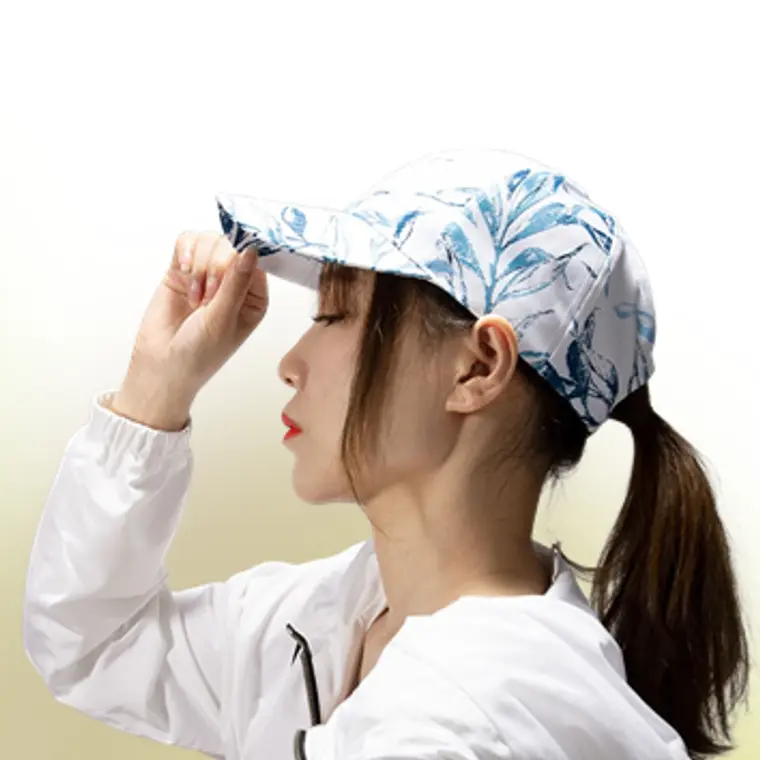
If the program serves a range of wearers, decide in this order: size strategy first, then silhouette, then decoration — and approve the sample on wearers at both ends of the range before the bulk order.
Send us your fit range, styles and measurements through Request a Quote — we reply within one business day. If you have a reference hat that fits your audience well, send it or its measurements with your inquiry so the development conversation starts with evidence.
FAQ
What does a “women’s fit” actually mean?
Nothing measurable on its own — it is a merchandising label, not a measurement. What matters is the fit range: internal circumference, crown depth, front-panel height, visor length and closure adjustment, all measured on the sample and tested on real wearers. Ask for the measurements rather than trusting the label.
How many sizes should a women’s hat range include?
It depends on the range the program must cover. One-size adjustable works when one SKU must cover the range and the closure’s adjustment is enough. When one size keeps failing at an extreme, consider two sizes or a different closure — each size is its own SKU, planned in blocks of 100 per style and color. The fit session, not a rule, decides.
How do I test fit before a bulk order?
Fit-test the sample on wearers at the smaller and larger ends of the intended audience, not only one person near the average. Check where the cap feels tight, whether the closure stays neatly finished at both extremes, and whether the visor still looks in proportion. Approve the decoration on the finished, worn sample — then keep that sample and the measurements as the production reference.